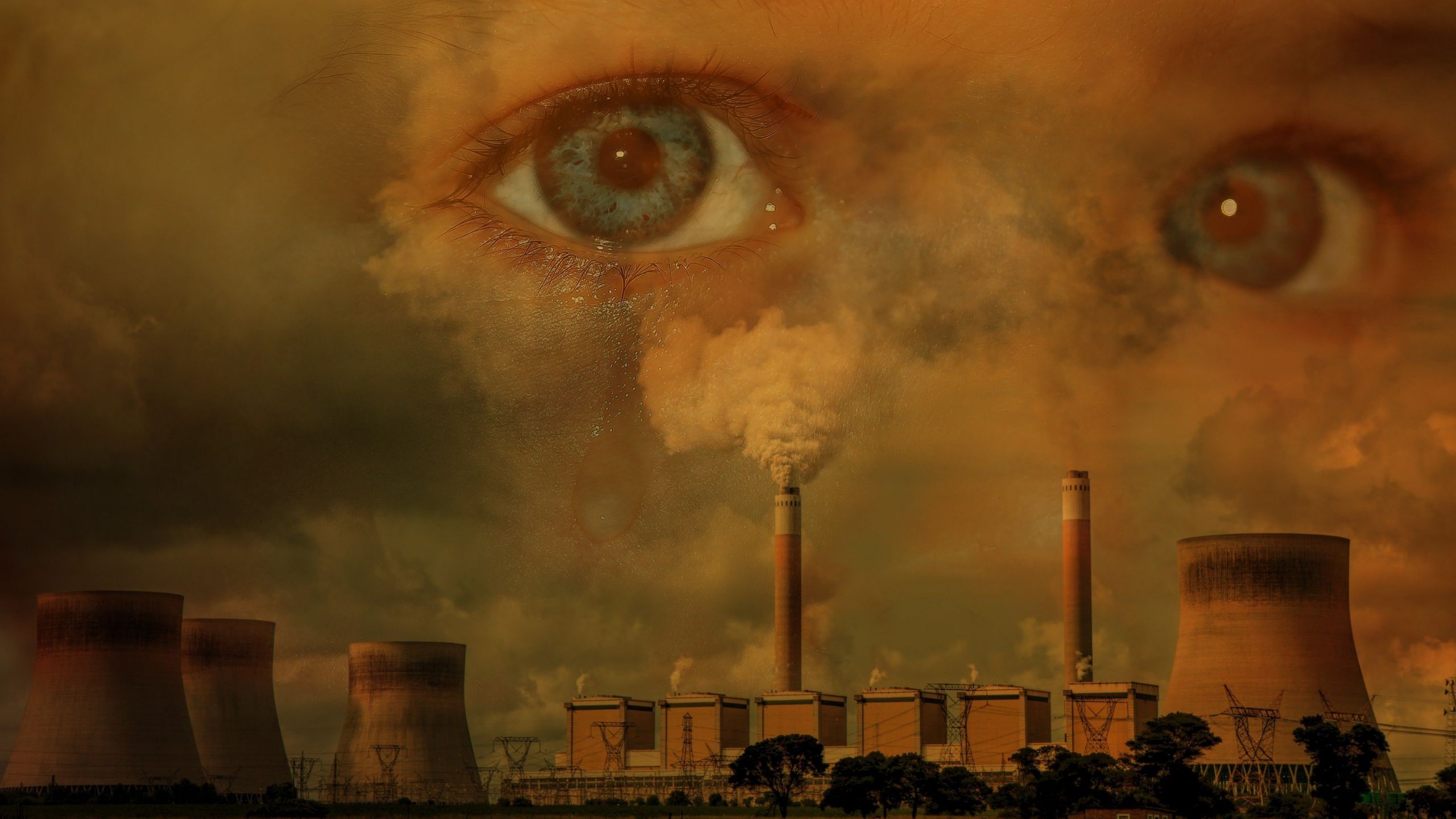

Particulate matter (PM) is a mix of tiny particles and droplets in the air that come from various sources, both natural and human-made. These particles can have serious effects on the environment, from reducing air quality to impacting climate and damaging ecosystems. Understanding these impacts is crucial for developing effective strategies to mitigate PM pollution.

More About Particulate Matter: Particulate Matter: Understanding Airborne Particle Pollution

How PM Affects Air Quality and Visibility

Reduced Visibility (Haze)

One of the most visible effects of particulate matter is reduced visibility, commonly referred to as haze. Fine particulate matter (PM2.5) scatters and absorbs light, impairing scenic views in natural landscapes, national parks, and urban areas. This reduction in visibility affects not only the aesthetic value of these locations but also has economic implications, particularly for tourism.

Smog Formation

Particulate matter can interact with other pollutants like nitrogen oxides (NOx) and volatile organic compounds (VOCs) to form smog, a type of air pollution that reduces air quality and poses health risks to both humans and animals.

Climate Effects of Particulate Matter

Radiative Forcing

Particulate matter influences the Earth’s radiation balance through radiative forcing by scattering and absorbing sunlight. Black carbon, a type of PM, absorbs sunlight and warms the atmosphere, while sulfate particles reflect sunlight and contribute to atmospheric cooling.

Cloud Formation and Properties

PM can act as cloud condensation nuclei (CCN), altering cloud formation and properties. These changes in cloud reflectivity and lifespan can impact regional and global climate patterns, potentially affecting precipitation and temperature.

Impact on Soil and Water

Deposition of Contaminants

Particulate matter can settle on soil and water surfaces, depositing harmful contaminants such as heavy metals and persistent organic pollutants. This deposition degrades soil quality, harms aquatic ecosystems, and allows contaminants to enter the food chain, posing risks to wildlife and humans.

Acid Rain Formation

PM containing sulfur dioxide (SO₂) and nitrogen oxides (NOx) can form acidic compounds when combined with water vapor, leading to acid rain. Acid rain acidifies soils and water bodies, damaging plant life, aquatic ecosystems, and infrastructure.

Damage to Ecosystems

Plant Health

When particulate matter settles on plant leaves, it blocks sunlight and inhibits photosynthesis, reducing plant growth and crop yields and harming forests.

Wildlife Health

Wildlife exposed to high levels of particulate matter may experience respiratory problems and other health issues, leading to decreased reproductive success and higher mortality rates.

Global and Regional Impacts

Arctic Warming

Black carbon from particulate matter can settle on ice and snow, reducing their albedo, or reflectivity. This accelerates melting and contributes to Arctic warming, influencing global climate patterns.

Long-Range Transport

Particulate matter can be transported over long distances by atmospheric currents, meaning pollutants from one region can affect air quality and ecosystems in distant areas, underscoring the global nature of PM pollution.

Mitigation and Management Strategies

Regulatory Measures

Implementing strict emission standards for industries, vehicles, and power plants can significantly reduce particulate matter emissions. Establishing and maintaining air quality monitoring networks helps track PM levels and enforce regulations effectively.

Technological Advancements

Utilizing pollution control technologies like electrostatic precipitators, fabric filters, and scrubbers in industrial processes can capture particulate matter before it is released into the atmosphere. Promoting the use of renewable energy sources and improving energy efficiency can reduce reliance on fossil fuels, thereby lowering PM emissions.

Sustainable Practices

Urban planning that incorporates green spaces and vegetation can capture particulate matter and improve air quality in cities. Sustainable agricultural practices can minimize dust and ammonia emissions, further reducing PM levels.

Summary Table of Impacts and Mitigation Strategies

ImpactDescriptionMitigation Strategy
Reduced VisibilityPM2.5 scatters light, creating hazeImplement air quality regulations
Smog FormationInteraction of PM with NOx and VOCsReduce emissions from vehicles and industrial sources
Radiative ForcingBlack carbon absorbs sunlight; sulfates reflect sunlightPromote clean energy and pollution control technologies
Cloud FormationPM acts as cloud condensation nuclei, altering cloud propertiesMonitor and regulate emissions that contribute to PM formation
Contaminant DepositionPM deposits harmful substances on soil and waterUse air purifiers and implement stricter environmental policies
Acid Rain FormationSO₂ and NOx in PM form acid rainReduce sulfur and nitrogen oxide emissions
Plant HealthPM blocks sunlight, inhibiting photosynthesisEnhance air quality and promote vegetation
Wildlife HealthRespiratory issues and health problems in wildlifeReduce PM emissions and protect natural habitats
Arctic WarmingBlack carbon reduces ice and snow albedoLimit black carbon emissions
Long-Range TransportPM affects distant regions through atmospheric transportImplement global and regional air quality agreements

Conclusion

By addressing the sources and impacts of particulate matter through comprehensive strategies, it is possible to mitigate its adverse effects on the environment, protect ecosystems, and contribute to a healthier planet. Implementing regulatory measures, leveraging technological advancements, and promoting sustainable practices are essential steps in reducing PM pollution and safeguarding the environment for future generations.

Leave a Reply

Your email address will not be published. Required fields are marked *