CO2 fog machines are widely used in entertainment venues, live events, and theatrical productions to create captivating special effects. These machines emit dense, low-lying fog or plumes of “smoke,” enhancing visual appeal and dramatic impact. However, their operation involves specific risks and considerations that must be addressed to ensure the safety of operators, performers, and audiences. This article delves into the principles of CO2 fog machines, their potential hazards, and best practices for safe usage.
Understanding CO2 Fog Machines
CO2 fog machines utilize liquid carbon dioxide stored in high-pressure cylinders to produce fog or smoke effects. The process involves the rapid expansion of liquid CO2 into gaseous form, which cools the surrounding air and creates a dense, white fog. The fog is heavier than air, causing it to remain low to the ground. There are two primary types of CO2 fog machines:
Cryogenic Jets: These machines release bursts of CO2 for dramatic plumes or columns of fog. They are commonly used in concerts and clubs.
Low-Lying Foggers: These generate a steady flow of fog that spreads across the floor, creating a “cloud-like” effect often seen in theatrical performances or weddings.
Potential Hazards of CO2 Fog Machines
1. Asphyxiation Risk
CO2 is an asphyxiant, meaning it can displace oxygen in confined spaces. In poorly ventilated areas, excessive CO2 buildup can lead to oxygen deprivation, causing symptoms like dizziness, confusion, and, in severe cases, unconsciousness or death.
2. Frostbite and Cold Burns
Liquid CO2 is extremely cold (-78.5°C or -109.3°F) and can cause frostbite or cold burns if it comes into direct contact with skin. Operators must handle CO2 cylinders and machine components with care to avoid exposure.
3. High-Pressure Equipment Failure
CO2 cylinders are stored under high pressure. Mishandling, improper storage, or defective equipment can result in cylinder rupture, potentially causing serious injury or damage.
4. Visibility Impairment
Dense fog can obscure vision, increasing the risk of trips, falls, or collisions during events. This is especially concerning in emergency situations where clear visibility is critical for evacuation.
5. Noise Levels
Some CO2 fog machines produce loud bursts when ejecting fog, which may contribute to hearing damage over time if proper precautions are not taken.
Regulations and Standards
To ensure safe operation, CO2 fog machine usage must comply with local regulations and industry standards. Key guidelines include:
Occupational Safety and Health Administration (OSHA): OSHA provides exposure limits for CO2 in the workplace. The permissible exposure limit (PEL) is 5,000 ppm over an 8-hour period.
Theatrical Safety Standards: Organizations such as ESTA (Entertainment Services and Technology Association) issue safety recommendations for special effects equipment.
Local Fire Codes: Many jurisdictions require special permits or approvals for fog machine use in public venues to ensure compliance with fire safety standards.
Risk Assessment: Evaluate the venue and event setup to identify potential hazards related to CO2 usage.
Ventilation: Ensure the space has adequate ventilation to prevent CO2 buildup.
Training: Train all operators and staff on the proper handling and operation of CO2 fog machines.
2. Equipment Handling
Inspection: Regularly inspect CO2 cylinders, hoses, and machine components for wear and damage.
Secure Storage: Store CO2 cylinders upright in a well-ventilated area, away from heat sources.
Proper Connections: Use certified hoses and connectors, and ensure they are securely fastened to prevent leaks.
3. During Operation
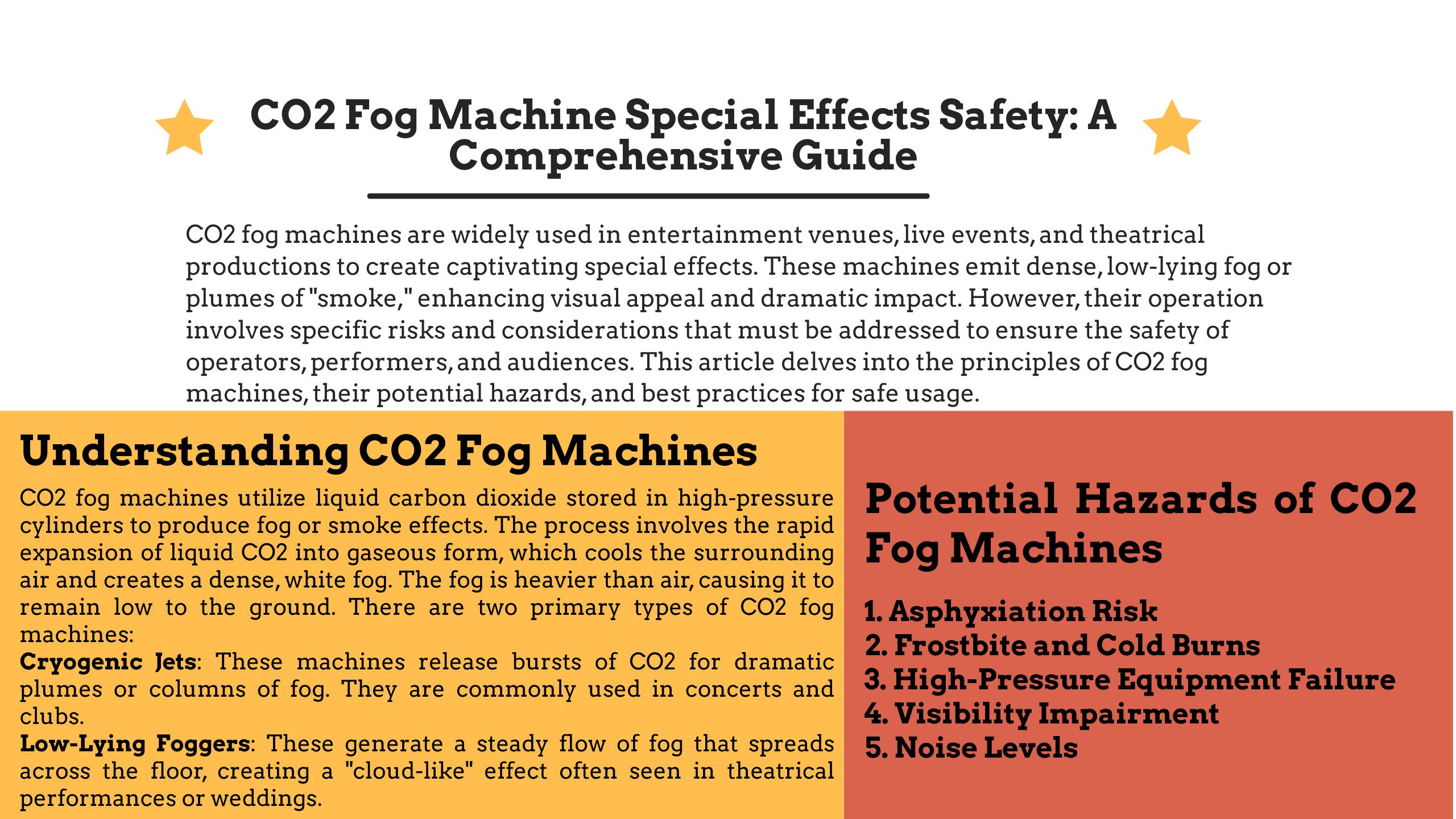
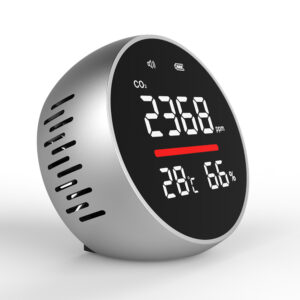
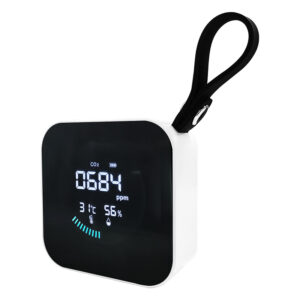
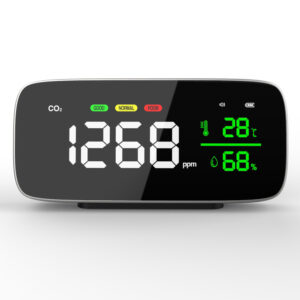
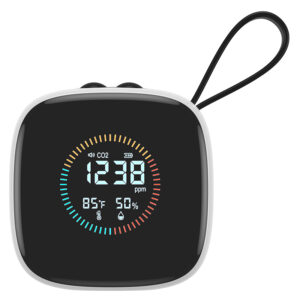
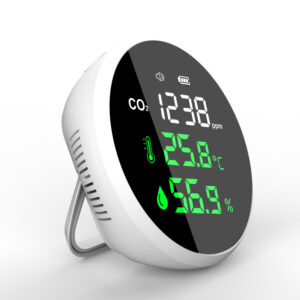
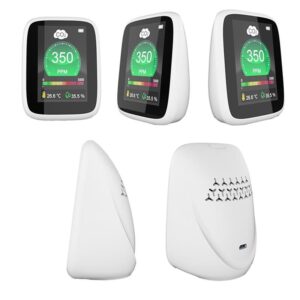
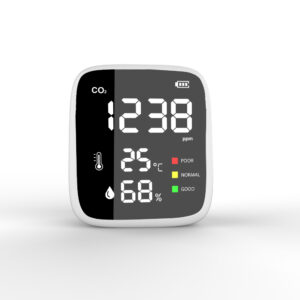
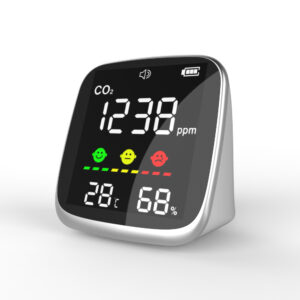
Monitoring: Continuously monitor CO2 levels in the environment using gas detection equipment.
Audience Safety: Maintain a safe distance between the fog machine and the audience to avoid direct exposure to CO2.
Emergency Procedures: Have a clear emergency plan in place, including evacuation routes and first-aid measures.
4. Post-Event Measures
Dismantling: Allow the machine to cool down and depressurize before dismantling.
Cylinder Return: Return empty or unused CO2 cylinders to certified suppliers for refilling or disposal.
Special Considerations for Different Settings
Indoor Venues
Use low-output machines to prevent CO2 accumulation in confined spaces.
Install ventilation systems or fans to disperse CO2 effectively.
Outdoor Events
Take into account wind direction and speed, as these can affect the distribution of fog.
Secure all equipment against weather conditions to prevent accidents.
Theatrical Performances
Coordinate closely with stage designers and directors to ensure safe integration of fog effects with other stage elements.
Limit fog usage during scenes requiring rapid movement or visibility.
Clubs and Concerts
Space fog machine bursts to allow adequate oxygen recovery in high-density crowds.
Use additional safety barriers to prevent direct contact between the audience and the machine.
Health and Environmental Impact
Health Impact
While CO2 fog is non-toxic, excessive exposure can still pose health risks, particularly to individuals with respiratory conditions or sensitivities. It is crucial to provide clear warnings to staff and attendees about potential risks.
Environmental Impact
CO2 fog machines emit CO2, contributing to greenhouse gas emissions. Event organizers should consider offsetting this impact by implementing eco-friendly practices, such as reducing overall energy consumption or investing in carbon offset programs.
Technological Innovations for Enhanced Safety
Advances in fog machine technology have introduced features that enhance safety, such as:
Smart Sensors: Integrated CO2 detectors that automatically shut down the machine if unsafe levels are detected.
Remote Controls: Allowing operators to control fog output from a safe distance.
Eco-Friendly Alternatives: Machines that use non-CO2-based fog solutions for reduced environmental impact.
CO2 fog machines are powerful tools for creating mesmerizing special effects, but they require careful handling and adherence to safety protocols. By understanding the risks and implementing the best practices outlined above, event organizers and operators can ensure a safe and enjoyable experience for everyone involved. Always prioritize safety, maintain compliance with regulations, and stay informed about the latest industry standards and innovations.