Introduction to Formaldehyde
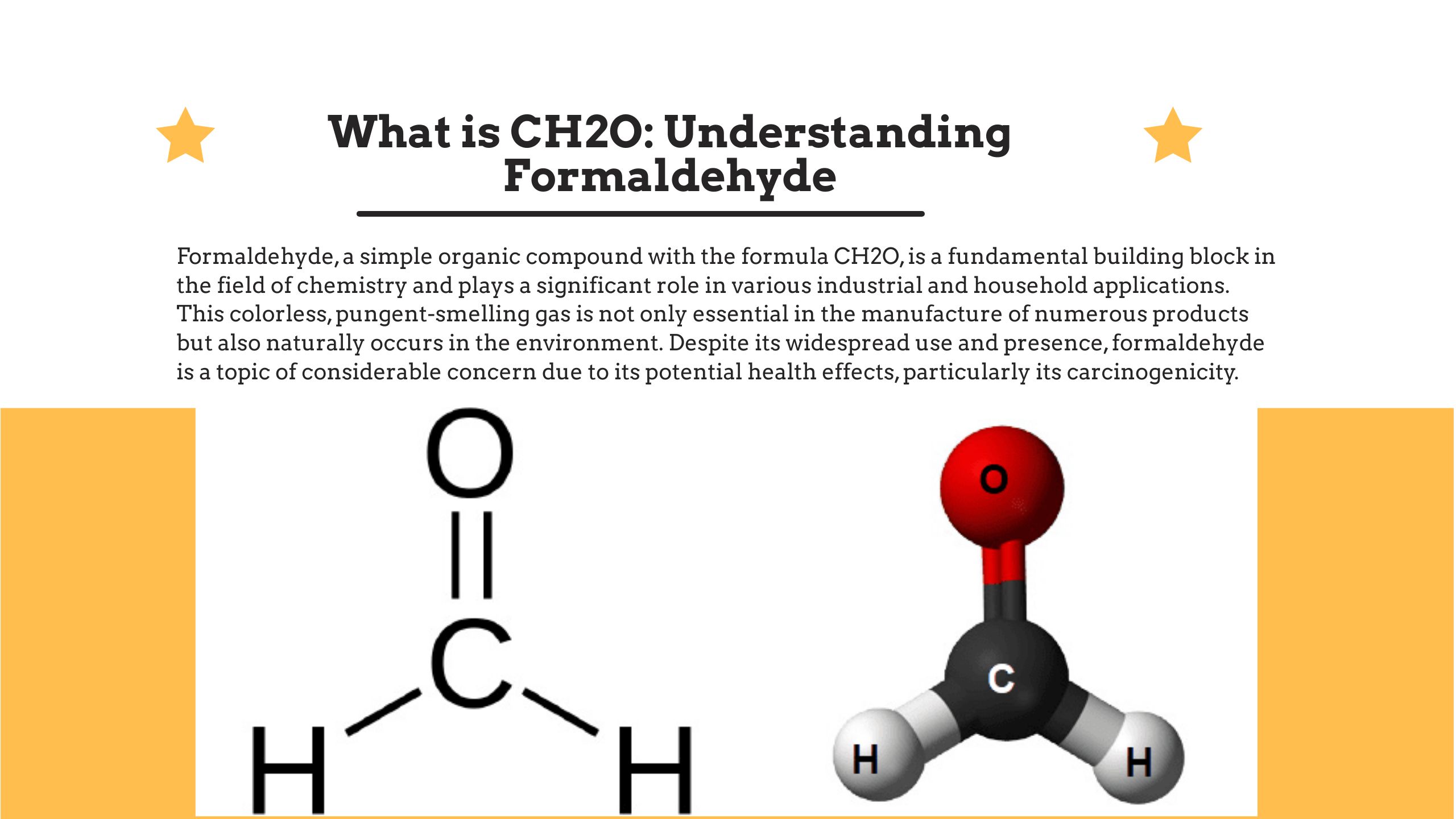
Formaldehyde, a simple organic compound with the formula CH2O, is a fundamental building block in the field of chemistry and plays a significant role in various industrial and household applications. This colorless, pungent-smelling gas is not only essential in the manufacture of numerous products but also naturally occurs in the environment. Despite its widespread use and presence, formaldehyde is a topic of considerable concern due to its potential health effects, particularly its carcinogenicity.
Historically, formaldehyde was first discovered by the Russian chemist Aleksandr Butlerov in 1859 and later identified by August Wilhelm von Hofmann in 1867. Since its discovery, formaldehyde has become one of the most important aldehydes used in modern industry, especially in the production of resins and as a preservative. Understanding formaldehyde involves exploring its chemical and physical properties, its applications, and its impact on human health and the environment.
Formaldehyde Structure – CH2O
(Source: https://byjus.com/)
Formaldehyde’s structure is relatively simple, yet it forms the basis for understanding more complex aldehydes and organic chemistry principles. The molecular formula CH2O indicates that each molecule consists of one carbon atom, two hydrogen atoms, and one oxygen atom.
Molecular Formula and Structure
The structural formula of formaldehyde is H2C=O, indicating a double bond between the carbon and oxygen atoms. This carbonyl group (C=O) is the defining feature of aldehydes. In formaldehyde, the carbon atom is also bonded to two hydrogen atoms, making it the simplest aldehyde. The molecule is planar with a trigonal planar geometry around the carbon atom due to the sp2 hybridization, which results in bond angles of approximately 120 degrees.
Bonding and Geometry
The bonding in formaldehyde involves sigma bonds between carbon and hydrogen atoms and a sigma and pi bond between carbon and oxygen in the carbonyl group. The double bond character of the carbonyl group is crucial for the molecule’s reactivity, influencing its ability to participate in a wide range of chemical reactions.
Comparison with Other Aldehydes
Compared to other aldehydes, formaldehyde is unique due to its simplicity and high reactivity. Its small size and the presence of only hydrogen atoms bonded to the carbonyl carbon make it more reactive than larger aldehydes, which have alkyl groups that can stabilize the molecule through electron-donating effects.

Physical Properties of Formaldehyde – CH2O
Formaldehyde exhibits distinct physical properties that are important for its identification and utilization in various applications.
Appearance and State at Room Temperature
At room temperature, formaldehyde is a colorless gas with a characteristic pungent odor. It can also be dissolved in water to form formalin, a 37% aqueous solution of formaldehyde, which is commonly used in industrial and laboratory settings.
Melting and Boiling Points
Formaldehyde has a melting point of -92 degrees Celsius and a boiling point of -19 degrees Celsius. These low melting and boiling points indicate that formaldehyde exists as a gas under standard atmospheric conditions.
Solubility and Density
Formaldehyde is highly soluble in water, alcohols, and other polar solvents, which facilitates its use in various chemical processes. The density of gaseous formaldehyde is approximately 1.09 g/L at standard temperature and pressure (STP), while formalin has a density of about 1.08 g/cm3.
Odor and Other Sensory Properties
The pungent odor of formaldehyde is detectable at very low concentrations, around 0.1 parts per million (ppm). This strong smell is often associated with its use in resins, textiles, and as a preservative.
Chemical Properties of Formaldehyde – CH2O
The chemical properties of formaldehyde are characterized by its high reactivity, particularly its tendency to undergo polymerization and form derivatives.
Reactivity and Common Reactions
Formaldehyde is highly reactive due to the presence of the carbonyl group. It readily undergoes addition reactions with nucleophiles, such as amines and alcohols, forming products like imines and hemiacetals. Formaldehyde can also participate in oxidation and reduction reactions, further showcasing its versatility as a chemical reagent.
Polymerization and Derivatives
One of the most significant chemical properties of formaldehyde is its ability to polymerize. In the presence of catalysts, formaldehyde molecules can link together to form polyoxymethylene (POM) plastics, which are used in various industrial applications due to their high strength and rigidity. Formaldehyde can also react with phenol, urea, and melamine to form resins like Bakelite, which have extensive applications in manufacturing.
Behavior under Different Conditions
Formaldehyde’s reactivity can vary significantly under different conditions. It can polymerize spontaneously at low temperatures or in concentrated solutions. The reactivity of formaldehyde is also influenced by pH, with acidic or basic conditions accelerating certain reactions.
Interaction with Other Chemicals
Formaldehyde interacts with a wide range of chemicals, including acids, bases, and other organic compounds. These interactions often result in the formation of various derivatives and by-products, which are useful in industrial and laboratory settings.
Where Is Formaldehyde Found?
Formaldehyde is ubiquitous in the environment and can be found in various natural and human-made sources.
Natural Sources
Formaldehyde occurs naturally in small amounts as a result of metabolic processes in plants, animals, and humans. It is also released during the combustion of organic materials, such as forest fires and volcanic activity.
Environmental Presence
Formaldehyde is present in the air, water, and soil, often as a result of industrial emissions, vehicle exhaust, and the breakdown of organic matter. It can be found in both indoor and outdoor environments, with higher concentrations typically observed indoors due to off-gassing from building materials and household products.
Sources in Everyday Life
Common sources of formaldehyde in daily life include pressed-wood products (like particleboard and plywood), insulation materials, and household cleaners. Personal care products such as shampoos, conditioners, and nail polish may also contain formaldehyde-releasing preservatives.
Uses of Formaldehyde – CH2O
Formaldehyde’s versatility makes it valuable in numerous industrial, medical, and consumer applications.
Industrial Applications
Formaldehyde is a critical component in the production of resins, which are used in manufacturing adhesives, coatings, and composite wood products. Urea-formaldehyde and phenol-formaldehyde resins are common examples. Additionally, formaldehyde is used in the production of plastics, textiles, and insulation materials.
Medical and Laboratory Uses
In the medical field, formaldehyde is used as a disinfectant and preservative. Formalin, the aqueous solution of formaldehyde, is commonly used to preserve biological specimens and in pathology laboratories for tissue fixation.
Preservation and Embalming
Formaldehyde’s preservative properties are leveraged in embalming fluids, where it helps to prevent the decomposition of bodies. This application is crucial in forensic and mortuary science.
Consumer Products Containing Formaldehyde
Many consumer products, such as cosmetics, personal care items, and cleaning agents, contain formaldehyde or formaldehyde-releasing agents. These compounds are used for their antimicrobial properties and to extend the shelf life of products.
How are people exposed to formaldehyde?
People can be exposed to formaldehyde through various routes in both occupational and residential settings.
Occupational Exposure
Workers in industries such as manufacturing, construction, and healthcare are at higher risk of formaldehyde exposure due to its use in resins, textiles, and disinfectants. Proper ventilation and protective equipment are essential to minimize exposure in these environments.
Residential and Indoor Exposure
Indoor air quality can be significantly affected by formaldehyde emissions from building materials, furniture, and household products. Poor ventilation and high humidity levels can exacerbate indoor formaldehyde concentrations, leading to prolonged exposure.
Exposure through Food and Water
Formaldehyde can be present in small amounts in certain foods, particularly those that undergo processing or preservation. Drinking water can also contain traces of formaldehyde, although these levels are typically regulated to ensure safety.
Routes of Exposure
The primary routes of formaldehyde exposure are inhalation, ingestion, and dermal contact. Inhalation of formaldehyde gas is the most common route, especially in indoor environments. Ingestion can occur through contaminated food and water, while skin contact is possible through the use of personal care products containing formaldehyde.
Health Effects of Formaldehyde
Exposure to formaldehyde can lead to a range of health effects, varying from acute to chronic conditions.
Acute Effects
Short-term exposure to formaldehyde can cause irritation of the eyes, nose, and throat. Symptoms may include burning sensations, coughing, and difficulty breathing. High levels of exposure can lead to more severe respiratory issues and even asthma-like symptoms.
Chronic Effects
Long-term exposure to formaldehyde is associated with more serious health concerns, including respiratory problems, skin sensitization, and allergic reactions. Chronic exposure can also lead to systemic effects, impacting overall health and well-being.
Sensitivity and Allergic Reactions
Some individuals are more sensitive to formaldehyde than others and may experience allergic reactions even at low exposure levels. These reactions can manifest as skin rashes, itching, and respiratory issues.
Environmental Impact of Formaldehyde
Formaldehyde has a notable impact on the environment, affecting air quality, water, and soil.
Effects on Air Quality
Formaldehyde emissions contribute to indoor and outdoor air pollution. In outdoor environments, formaldehyde can form as a secondary pollutant from the oxidation of volatile organic compounds (VOCs). Its presence in the air can lead to respiratory issues and other health problems in exposed populations.
Impact on Water and Soil
Formaldehyde can enter water and soil through industrial discharges and environmental degradation. In water, it can affect aquatic life and disrupt ecosystems. In soil, formaldehyde can persist and impact soil quality and microbial activity.
Ecosystem and Wildlife Considerations
High levels of formaldehyde can be toxic to wildlife, affecting species that come into contact with contaminated air, water, or soil. Protecting ecosystems from formaldehyde pollution is essential to maintaining biodiversity and environmental health.
Degradation and Environmental Persistence
Formaldehyde degrades relatively quickly in the environment through photochemical reactions in the atmosphere and microbial activity in water and soil. However, its persistence in certain conditions can lead to localized environmental impacts.
Regulations and Safety Measures
Various regulations and safety measures are in place to control formaldehyde exposure and protect public health.
Government and International Regulations
Governments worldwide have implemented regulations to limit formaldehyde emissions and exposure. These regulations cover industrial processes, building materials, and consumer products, ensuring that formaldehyde levels remain within safe limits.
Workplace Safety Standards
Occupational safety standards, such as those set by the Occupational Safety and Health Administration (OSHA) in the United States, require employers to monitor formaldehyde levels and implement protective measures. These measures include proper ventilation, personal protective equipment, and regular health monitoring.
Consumer Safety Measures
Consumer safety organizations provide guidelines for the use of formaldehyde in household products and encourage the use of alternatives when possible. Product labeling and safety information help consumers make informed choices and reduce their exposure to formaldehyde.
Reducing Exposure and Risk Mitigation Strategies
To minimize formaldehyde exposure, it is important to improve indoor ventilation, use air purifiers, and select low-emission products. Regular maintenance of household items and adherence to safety guidelines can further reduce the risk of formaldehyde exposure.
Future Research and Developments
Ongoing research and technological advancements aim to improve our understanding of formaldehyde and develop safer alternatives.
Advances in Formaldehyde Detection and Measurement
New methods for detecting and measuring formaldehyde levels are being developed, offering greater sensitivity and accuracy. These advancements can help monitor formaldehyde in various environments and ensure compliance with safety standards.
Emerging Technologies for Safer Use and Alternatives
Innovations in chemical manufacturing are leading to the development of formaldehyde-free products and safer alternatives. These technologies aim to reduce reliance on formaldehyde while maintaining product performance and safety.
Ongoing Studies on Health and Environmental Effects
Researchers continue to study the health and environmental effects of formaldehyde, exploring its mechanisms of action and long-term impacts. This research is critical for updating safety guidelines and regulatory standards.
Innovations in Formaldehyde-Free Products
The demand for formaldehyde-free products is driving innovation in various industries, from construction to personal care. These products offer safer alternatives for consumers and contribute to reducing overall formaldehyde exposure.
Formaldehyde FAQ
What is formalin?
Formalin is a solution of formaldehyde in water, usually containing 37–50% formaldehyde by mass. It is commonly used for tissue fixation and preservation in medical applications.
How is formaldehyde made?
Formaldehyde is primarily produced by the catalytic oxidation of methanol. It is also a byproduct of many industrial processes like steel production.
Can formaldehyde cause cancer?
The potential carcinogenicity of formaldehyde has been extensively studied, leading to significant concerns and regulatory measures.
Carcinogenic Classification
Formaldehyde is classified as a human carcinogen by several health organizations, including the International Agency for Research on Cancer (IARC) and the U.S. Environmental Protection Agency (EPA). This classification is based on evidence from epidemiological studies and laboratory research.
Studies and Research
Numerous studies have linked formaldehyde exposure to an increased risk of certain types of cancer, particularly nasopharyngeal cancer and leukemia. Research suggests that prolonged exposure to high levels of formaldehyde can damage DNA and disrupt cellular processes, leading to cancer development.
Mechanisms of Carcinogenicity
The carcinogenicity of formaldehyde is thought to involve its ability to form DNA-protein cross-links and other genetic damage. This can interfere with normal cell function and lead to uncontrolled cell growth and tumor formation.
Regulatory Limits and Safety Guidelines
To minimize cancer risk, regulatory agencies have established limits on formaldehyde exposure in workplaces and residential settings. These guidelines aim to reduce formaldehyde levels in the air and limit the use of formaldehyde-containing products.
Is formaldehyde biodegradable?
Formaldehyde can biodegrade under certain conditions. In soil and water, naturally occurring microbes may use formaldehyde as a carbon source. However, it may persist for long periods in indoor air or sealed containers.
What are some alternatives to formaldehyde?
Less toxic alternatives to formaldehyde include glutaraldehyde, ethanol, isopropanol, glycolic acid, and polyaminopropyl biguanide. These are used as disinfectants, preservatives, and in some resin applications.
Is formaldehyde dangerous?
Yes, formaldehyde is toxic and classified as a known carcinogen by regulatory agencies. Prolonged or high-level exposure can cause cancer and respiratory issues. However, it is not acutely toxic at normally encountered low levels.
Conclusion
Formaldehyde is a versatile and widely used chemical with significant industrial and commercial applications. However, its potential health effects, particularly its carcinogenicity, necessitate careful regulation and safety measures. Understanding formaldehyde’s properties, uses, and impacts is essential for balancing its benefits with the need to protect human health and the environment. Ongoing research and technological advancements promise to enhance our ability to manage formaldehyde exposure and develop safer alternatives, ensuring a healthier future for all.