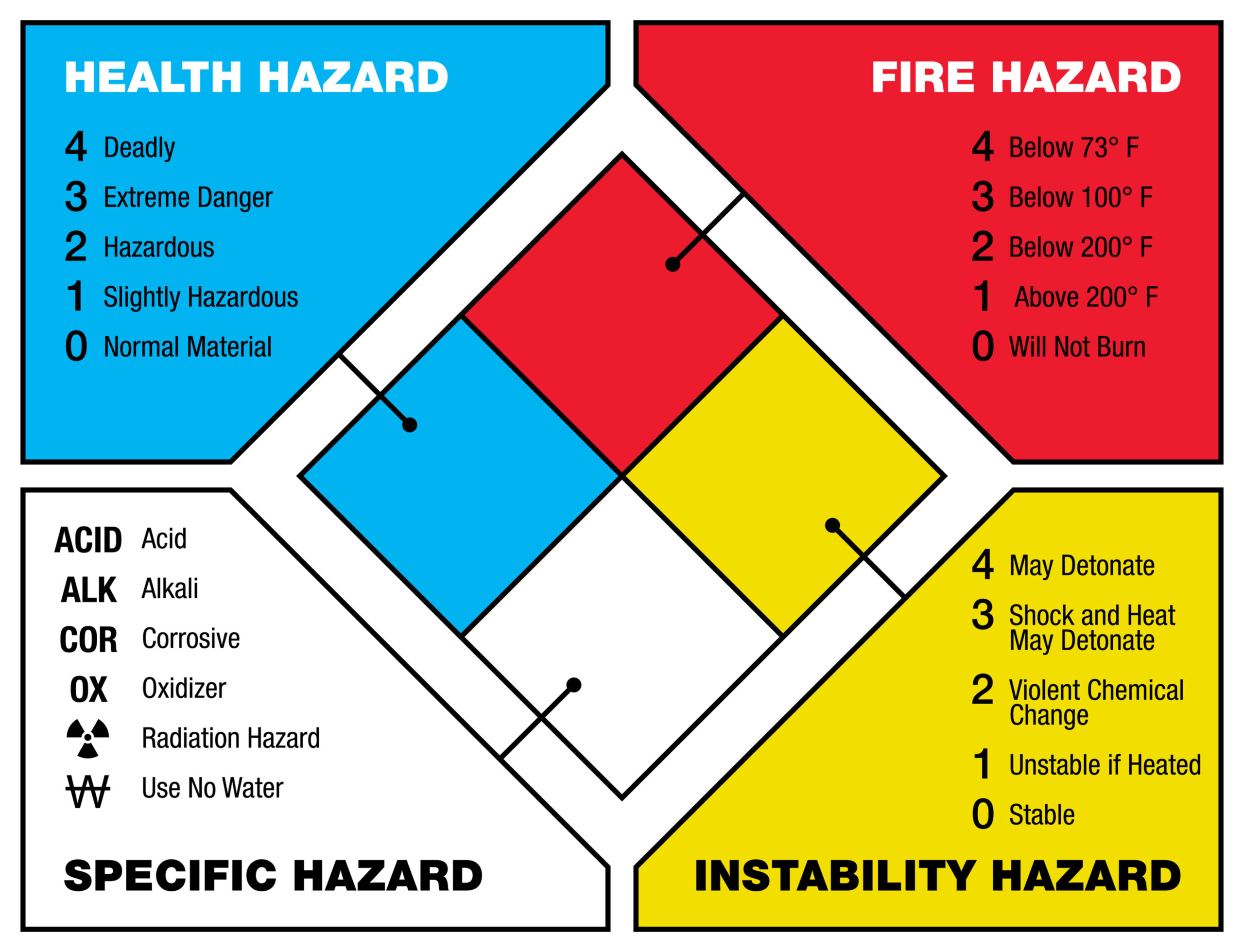
Refrigerant sensors are critical components in modern cooling systems, used to detect and monitor the presence and concentration of refrigerant gases. These sensors play a vital role in ensuring the safety, efficiency, and environmental compliance of HVAC (Heating, Ventilation, and Air Conditioning) systems, refrigeration units, and industrial cooling applications. This article delves into what refrigerant sensors are, their types, working principles, applications, importance, and the future trends in refrigerant detection technology.
What is a Refrigerant Sensor?
A refrigerant sensor is a device designed to detect the presence of refrigerant gases in the environment. These sensors can identify leaks, monitor refrigerant levels, and ensure that the cooling systems operate efficiently and safely. Given the potential hazards associated with refrigerant leaks—ranging from environmental harm due to ozone depletion and global warming to health risks and flammability—refrigerant sensors are indispensable in maintaining system integrity and safety.
Types of Refrigerant Sensors
Refrigerant sensors come in various types, each utilizing different principles to detect and measure refrigerant gases. The main types include:
Infrared (IR) Refrigerant Sensors

Principle
Infrared sensors detect refrigerant gases by measuring the absorption of infrared light at specific wavelengths characteristic of the refrigerant molecules.
Advantages
- High sensitivity and specificity to target gases.
- Low susceptibility to cross-interference from other gases.
- Long lifespan and stability.
Applications
- Industrial refrigeration.
- HVAC systems in commercial buildings.
- Automotive air conditioning systems.
Electrochemical Refrigerant Sensors

Principle
Electrochemical sensors detect refrigerant gases through an electrochemical reaction that produces a measurable electrical current proportional to the gas concentration.
Advantages
- High sensitivity to a wide range of refrigerants.
- Low power consumption.
- Cost-effective.
Applications
- Portable leak detectors.
- Fixed monitoring systems in confined spaces.
- Residential and commercial HVAC systems.
Semiconductor Refrigerant Sensors
Principle
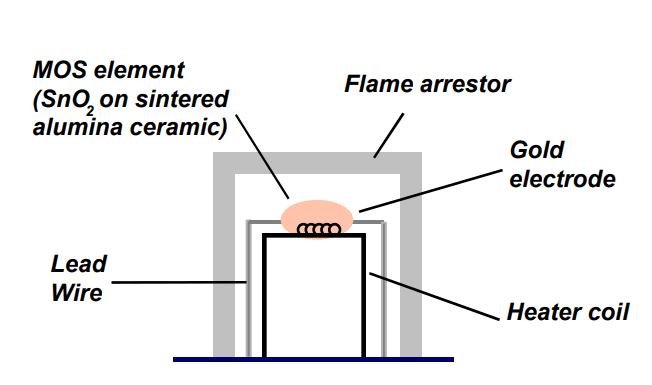
Semiconductor sensors detect refrigerant gases by measuring changes in electrical conductivity caused by the interaction of gas molecules with a metal oxide semiconductor surface.
Advantages
- Robust and durable.
- Fast response time.
- Suitable for various refrigerants.
Applications
- Refrigeration and air conditioning systems.
- Industrial leak detection.
- Environmental monitoring.
Photoacoustic Refrigerant Sensors
Principle
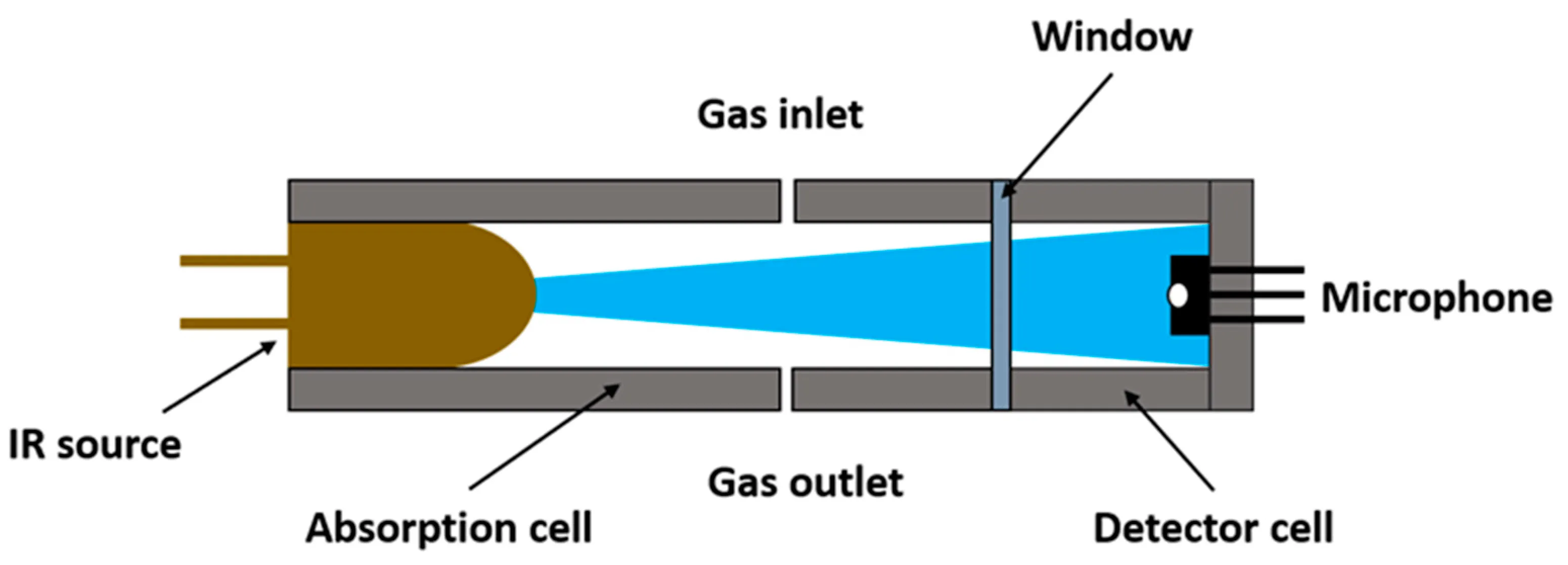
Photoacoustic sensors detect refrigerants by measuring the sound waves produced when gas molecules absorb modulated infrared light and undergo periodic heating and cooling.
Advantages
- High sensitivity and selectivity.
- Low detection limits.
- Suitable for low-concentration monitoring.
Applications
- Precision monitoring in laboratories.
- Industrial refrigeration systems.
- Environmental research.
Working Principles of Refrigerant Sensors
Infrared (IR) Absorption
Infrared sensors work on the principle that refrigerant gases absorb specific wavelengths of infrared light. An IR light source emits a beam that passes through the sample gas, and a detector measures the intensity of the transmitted light. The amount of light absorbed at specific wavelengths is used to determine the concentration of the refrigerant.
Electrochemical Reaction
Electrochemical sensors consist of a sensing electrode, a counter electrode, and an electrolyte. When refrigerant gas interacts with the sensing electrode, it undergoes a redox reaction, producing an electrical current proportional to the gas concentration. This current is measured and converted into a concentration reading.
Semiconductor Conductivity
Semiconductor sensors use a metal oxide semiconductor material whose electrical conductivity changes in the presence of refrigerant gases. The gas molecules adsorb onto the semiconductor surface, altering its conductivity. This change is measured and correlated with the refrigerant concentration.
Photoacoustic Effect
Photoacoustic sensors utilize the photoacoustic effect, where gas molecules absorb modulated infrared light and undergo periodic thermal expansion and contraction, producing sound waves. A microphone detects these sound waves, and their intensity is used to calculate the refrigerant concentration.
Applications of Refrigerant Sensors
Refrigerant sensors are used in a variety of applications to ensure safety, efficiency, and compliance with environmental regulations. Some key applications include:
HVAC Systems
In HVAC systems, refrigerant sensors monitor the refrigerant levels and detect leaks to ensure efficient operation and prevent system failures. They help maintain indoor air quality and comfort by ensuring the proper functioning of air conditioning and heating units.
Refrigeration Units
Refrigerant sensors are crucial in commercial and industrial refrigeration units to detect leaks and monitor refrigerant levels. This ensures the preservation of perishable goods and maintains the efficiency of the refrigeration process.
Automotive Air Conditioning
In automotive air conditioning systems, refrigerant sensors detect leaks and monitor refrigerant levels to ensure the efficient operation of the cooling system. This helps maintain passenger comfort and prevents environmental damage from refrigerant leaks.
Industrial Cooling
In industrial cooling applications, refrigerant sensors are used to monitor large-scale refrigeration systems and ensure safe and efficient operation. They detect leaks and monitor refrigerant levels to prevent system failures and maintain process efficiency.
Environmental Monitoring
Refrigerant sensors are used in environmental monitoring to detect and measure the concentration of refrigerant gases in the atmosphere. This helps assess the environmental impact of refrigerant emissions and ensure compliance with environmental regulations.
Importance of Refrigerant Sensors
Refrigerant sensors play a critical role in ensuring the safety, efficiency, and environmental compliance of cooling systems. Their importance can be highlighted in several key areas:
Safety
Refrigerant sensors help detect leaks that could pose safety hazards, such as flammability, toxicity, and asphyxiation risks. Early detection of leaks allows for prompt action to prevent accidents and protect personnel and property.
Efficiency
By monitoring refrigerant levels and detecting leaks, refrigerant sensors help maintain the efficiency of cooling systems. Proper refrigerant levels ensure optimal performance, reduce energy consumption, and extend the lifespan of the equipment.
Environmental Compliance
Refrigerant sensors help ensure compliance with environmental regulations by detecting and preventing the release of harmful refrigerant gases into the atmosphere. This helps reduce the environmental impact of refrigerants, such as ozone depletion and global warming.
Cost Savings
Early detection of refrigerant leaks and proper maintenance of refrigerant levels can lead to significant cost savings by preventing system failures, reducing energy consumption, and extending the lifespan of cooling equipment.
Future Trends in Refrigerant Detection Technology
The field of refrigerant detection technology is evolving, with advancements aimed at improving sensitivity, selectivity, and reliability. Some key future trends include:
Integration with IoT
The integration of refrigerant sensors with the Internet of Things (IoT) is a growing trend, allowing for real-time monitoring and remote management of cooling systems. IoT-enabled sensors can provide continuous data on refrigerant levels and leak detection, enhancing system management and maintenance.
Development of Low-GWP Refrigerant Sensors
As the industry shifts towards low-GWP refrigerants to mitigate climate change, there is a growing need for sensors specifically designed to detect these new refrigerants. Research and development efforts are focused on creating sensors with high sensitivity and selectivity for low-GWP refrigerants.
Miniaturization and Portability
Advancements in sensor technology are leading to the development of smaller, more portable refrigerant sensors. These compact sensors can be easily deployed in various applications, including portable leak detectors and wearable safety devices.
Enhanced Selectivity and Sensitivity
Ongoing research aims to enhance the selectivity and sensitivity of refrigerant sensors, allowing for more accurate detection of specific refrigerants even at low concentrations. This includes the development of new sensing materials and advanced signal processing techniques.
Sustainable and Eco-Friendly Sensors
There is a growing emphasis on developing sustainable and eco-friendly refrigerant sensors. This includes using environmentally friendly materials in sensor construction and designing sensors with low energy consumption and long lifespans.
Conclusion
Refrigerant sensors are essential components in modern cooling systems, ensuring safety, efficiency, and environmental compliance. By detecting and monitoring refrigerant gases, these sensors help prevent accidents, maintain optimal system performance, and reduce the environmental impact of refrigerants. The ongoing advancements in refrigerant detection technology, including IoT integration, development of low-GWP refrigerant sensors, and enhanced selectivity and sensitivity, are poised to further improve the effectiveness and reliability of refrigerant sensors. Understanding the different types of refrigerant sensors, their working principles, and their applications is crucial for making informed decisions in the design, operation, and maintenance of cooling systems.
Realted Read: What Makes a Good Refrigerant?
Applications of Refrigerants: An In-Depth Analysis