20May
17May
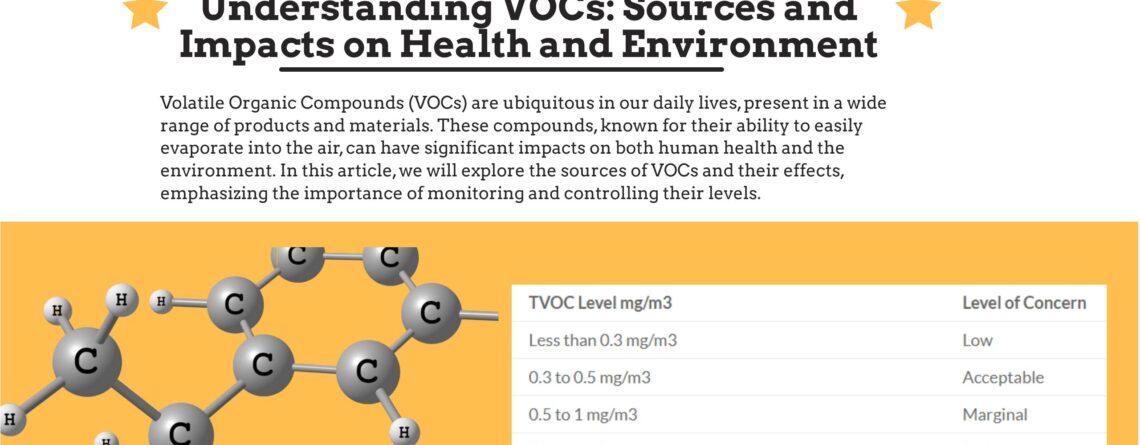
Understanding VOCs: Sources and Impacts on Health and Environment
Volatile Organic Compounds (VOCs) are ubiquitous in our daily lives, present in a wide range of products and materials. These compounds, known for their ability to easily evaporate into the air, can have significant impacts on both human health and the environment. In this article,...
16May
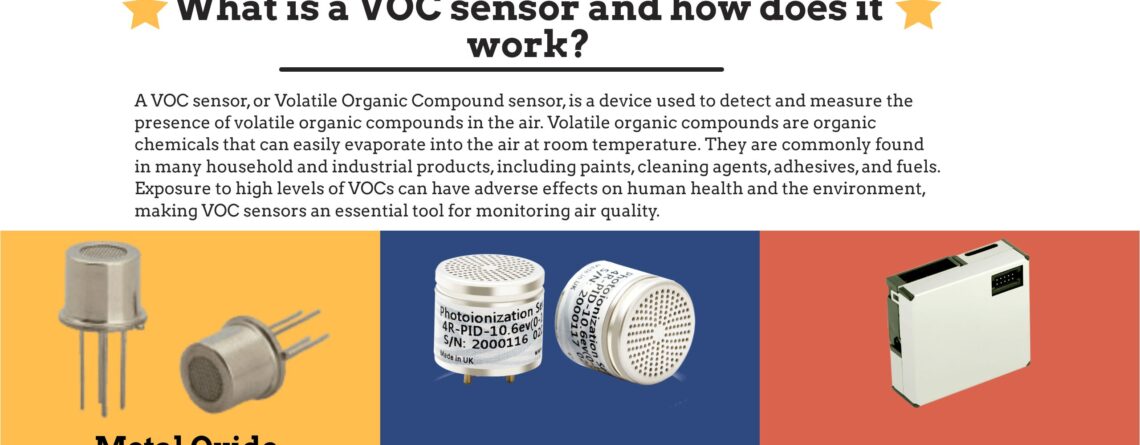
What is a VOC sensor and how does it work?
Volatile Organic Compounds (VOCs) are organic chemicals that can easily evaporate into the air. They are found in various household and industrial products, and prolonged exposure to high levels of VOCs can have detrimental effects on human health and the environment. VOC sensors play a...
15May
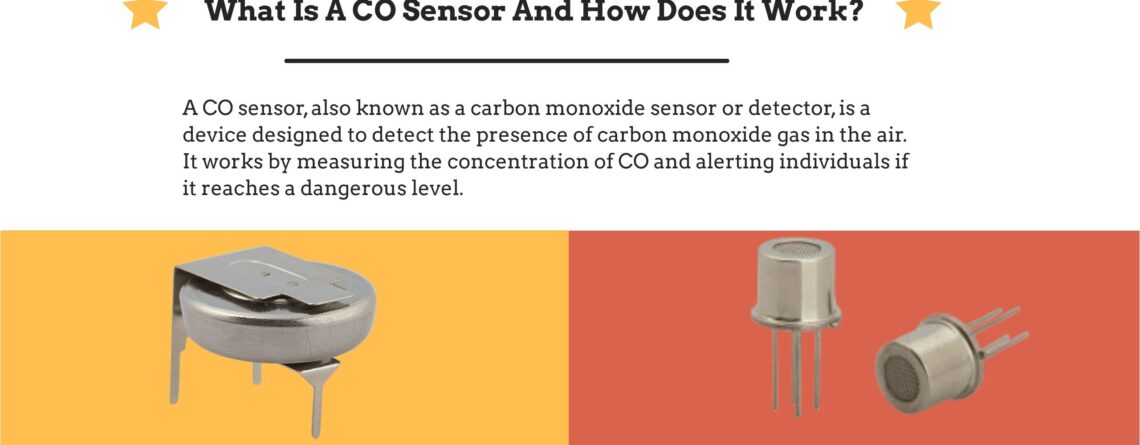
What Is A CO Sensor And How Does It Work?
What is a CO Sensor?A CO sensor, also known as a carbon monoxide sensor or detector, is a device designed to detect the presence of carbon monoxide gas in the air. It works by measuring the concentration of CO and alerting individuals if it reaches...
14May
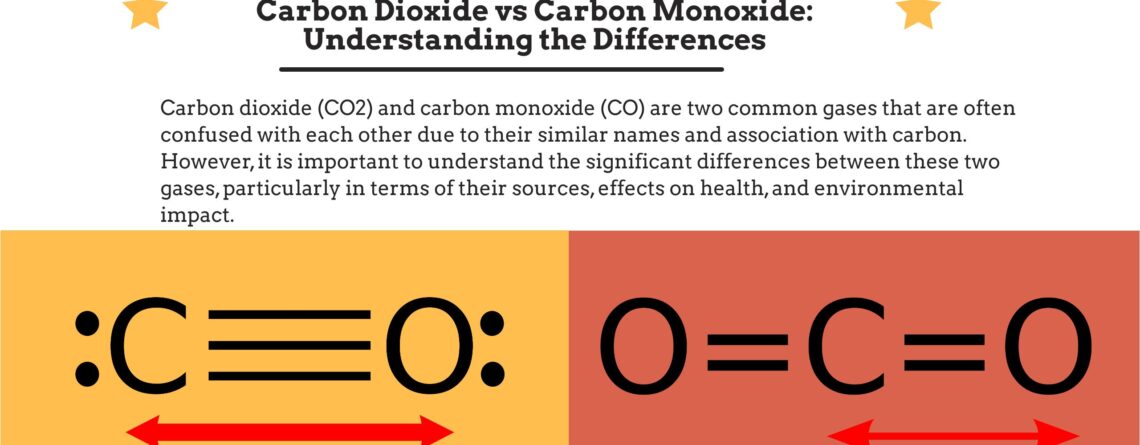
Carbon Dioxide vs Carbon Monoxide Understanding the Differences
Carbon dioxide (CO2) and carbon monoxide (CO) are two common gases that are often confused with each other due to their similar names and association with carbon. However, it is important to understand the significant differences between these two gases, particularly in terms of their...
11May
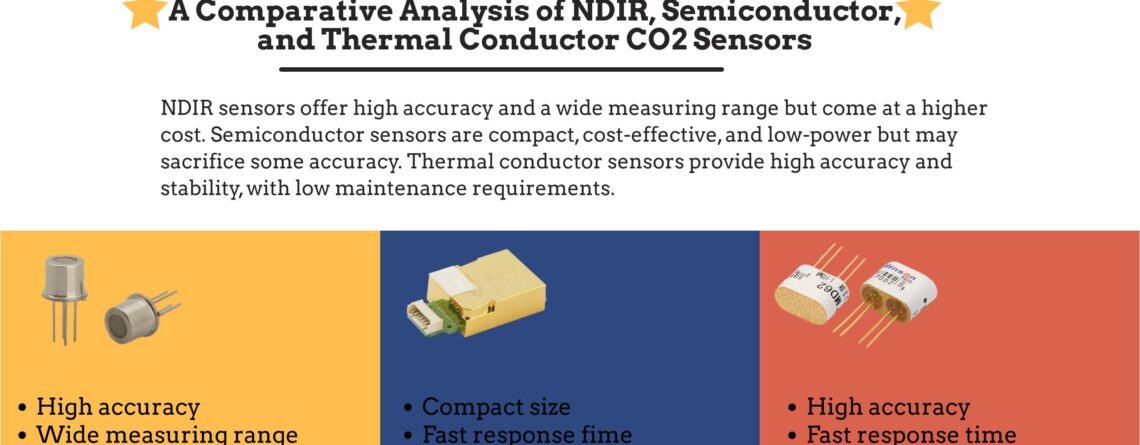
A Comparative Analysis of NDIR, Semiconductor, and Thermal Conductor CO2 Sensors
CO2 sensors play a crucial role in monitoring carbon dioxide levels in various environments. Among the different types of CO2 sensors available, Non-Dispersive Infrared (NDIR), Semiconductor, and Thermal Conductor sensors are widely used. In this article, we will analyze the advantages and disadvantages of these...
11May