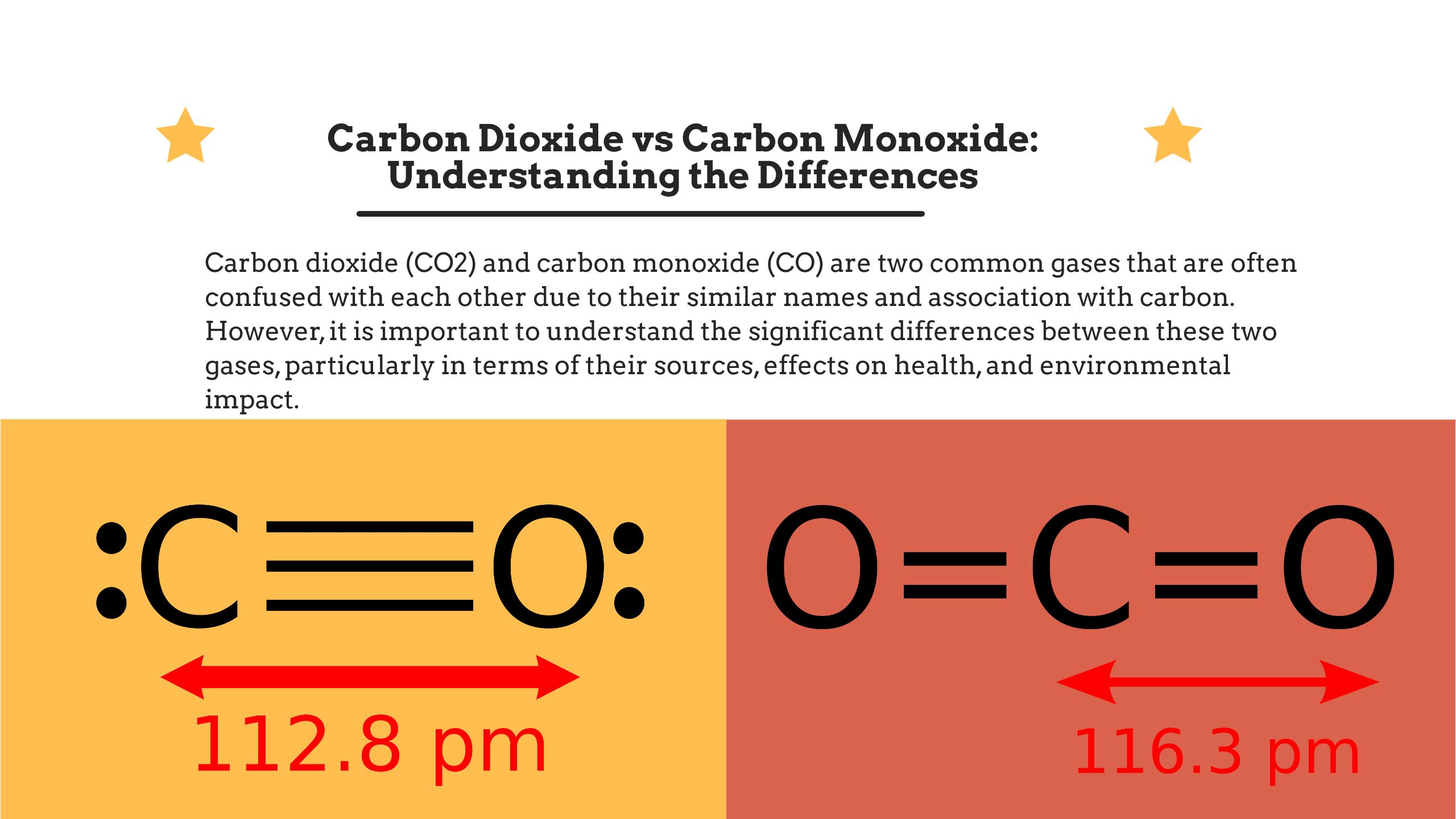














Carbon dioxide (CO2) and carbon monoxide (CO) are two common gases that are often confused with each other due to their similar names and association with carbon. However, it is important to understand the significant differences between these two gases, particularly in terms of their sources, effects on health, and environmental impact. This article aims to clarify the distinctions between carbon dioxide and carbon monoxide to help create awareness and promote safety.
Sources of carbon monoxide and carbon dioxide
Carbon dioxide Sources
- Fossil Fuel Combustion: The burning of fossil fuels, such as coal, oil, and natural gas, for electricity generation, transportation, and industrial processes, is the primary source of carbon dioxide emissions. Power plants, vehicle exhausts, and industrial facilities contribute significantly to CO2 emissions.
- Deforestation and Land Use Changes: When forests are cleared or burned, the carbon stored in trees and vegetation is released as carbon dioxide. Deforestation for agriculture, logging, and urbanization contributes to CO2 emissions, as trees play a crucial role in absorbing and storing carbon.
- Cement Production: The production of cement, a key component in construction, involves the release of carbon dioxide. This occurs during the chemical reaction known as calcination, where limestone (calcium carbonate) is heated to produce lime (calcium oxide) and carbon dioxide.
- Industrial Processes: Various industrial processes, such as the production of iron, steel, aluminum, and chemicals, can release carbon dioxide as a byproduct. These emissions occur during the combustion of fossil fuels or as a result of specific chemical reactions.
- Natural Sources: Carbon dioxide is also released naturally through processes like volcanic eruptions, biological decay, and respiration in plants and animals. However, human activities have significantly increased the levels of CO2 in the atmosphere, contributing to the greenhouse effect and climate change.
Carbon Monoxide (CO) Sources
- Incomplete Combustion: The primary source of carbon monoxide is the incomplete combustion of carbon-containing fuels. This includes the combustion of gasoline, diesel, natural gas, coal, wood, and other fossil fuels. Common sources of CO emissions include vehicles, industrial processes, residential heating systems, and improperly functioning or poorly maintained combustion appliances.
- Vehicle Emissions: Carbon monoxide is a byproduct of internal combustion engines, particularly those in cars and trucks. Older vehicles or poorly maintained engines can emit higher levels of CO. It is important to ensure proper vehicle maintenance, including regular tune-ups and exhaust system checks, to minimize CO emissions.
- Industrial Processes: Certain industrial activities, such as metal processing, chemical manufacturing, and power generation, can release carbon monoxide into the atmosphere. These emissions can occur from the combustion of fossil fuels or as a byproduct of specific chemical reactions.
- Residential Combustion Appliances: Improperly functioning or poorly ventilated combustion appliances, such as furnaces, boilers, water heaters, and gas stoves, can emit carbon monoxide. It is crucial to regularly inspect, maintain, and ensure proper ventilation for these appliances to prevent CO buildup indoors.
CO and CO2 Same and Difference
Chemical Composition
Carbon Monoxide (CO): CO consists of one carbon atom and one oxygen atom. It is a colorless and odorless gas.
Carbon Dioxide (CO2): CO2 consists of one carbon atom and two oxygen atoms. It is also a colorless gas but is odorless at low concentrations.
Environmental Impact
Carbon Monoxide (CO): CO is a pollutant that can have harmful effects on human health. When inhaled, it binds to hemoglobin in the blood, reducing its ability to carry oxygen. High levels of CO can lead to symptoms such as headaches, dizziness, nausea, and, in severe cases, can be fatal.
Carbon Dioxide (CO2): CO2 is a greenhouse gas that contributes to climate change. It traps heat in the Earth’s atmosphere, leading to a warming effect. The excessive release of CO2 from human activities, such as the burning of fossil fuels and deforestation, is a significant factor in the increase in global temperatures and adverse environmental impacts.
Human health impact
CO and CO2 have different impacts on human health due to their distinct chemical properties and effects on the body.
Carbon Monoxide (CO) and Human Health
- Inhalation: When inhaled, CO binds to hemoglobin in the blood, reducing its ability to carry oxygen to the body’s tissues and organs. This can lead to a condition called carbon monoxide poisoning.
- Symptoms: Symptoms of carbon monoxide poisoning include headaches, dizziness, nausea, confusion, weakness, and difficulty breathing. Prolonged or high-level exposure can result in loss of consciousness, seizures, organ damage, and even death.
- Severity: The severity of carbon monoxide poisoning depends on the concentration of CO in the air, the duration of exposure, and individual susceptibility. Vulnerable populations, such as infants, the elderly, and individuals with pre-existing heart or respiratory conditions, are more susceptible to the harmful effects of CO.
Carbon Dioxide (CO2) and Human Health
- Inhalation: In normal atmospheric concentrations, CO2 is not toxic and does not have immediate health effects. However, exposure to high levels of CO2 in confined or poorly ventilated spaces can lead to adverse health effects.
- Symptoms: At elevated concentrations, CO2 can cause symptoms such as dizziness, headaches, increased heart rate, shortness of breath, and impaired cognitive function. These symptoms are primarily due to the displacement of oxygen in the air.
- Severity: The severity of CO2-related symptoms depends on the concentration and duration of exposure. Individuals with pre-existing respiratory conditions may experience more significant effects.
It is important to note that while CO can be life-threatening even at low concentrations, CO2 is typically not a direct threat to human health unless encountered in high concentrations. However, both gases can indirectly impact health through their contribution to air pollution and climate change, which can have wide-ranging health implications on a global scale.
Applications of Carbon Monoxide (CO) and Carbon Dioxide (CO2)
Applications of Carbon Monoxide (CO)
- Chemical Industry: CO is used as a raw material in the production of various chemicals, including methanol, acetic acid, formaldehyde, and dimethyl ether. These chemicals serve as building blocks for the manufacturing of plastics, solvents, pharmaceuticals, and other chemical products.
- Metal Production: CO is utilized in the extraction of metals from their ores through a process called smelting. It acts as a reducing agent, reacting with metal oxides to remove oxygen and obtain the pure metal. Iron and nickel production are examples of processes that involve the use of CO.
- Fuel Gas: CO can be used as a fuel gas in industrial processes, such as steelmaking and glass manufacturing. It has a high energy content and can be combusted to provide heat for various applications.
- Hydrogen Production: CO is an important component in the production of hydrogen gas through a process called steam reforming. It reacts with steam to produce a mixture of hydrogen and carbon dioxide, which can then be separated to obtain pure hydrogen.
Applications of Carbon Dioxide (CO2)
- Carbonation: CO2 is widely used in the carbonation of beverages, including soft drinks, beer, and sparkling water. It dissolves in liquid under pressure, creating the characteristic fizziness.
- Refrigeration and Cooling: CO2 is used as a refrigerant in various cooling systems, especially in commercial and industrial applications. It has low environmental impact compared to other refrigerants and is considered more environmentally friendly.
- Fire Suppression: CO2 is an effective fire suppression agent as it displaces oxygen, reducing the oxygen concentration and suppressing the combustion process. It is commonly used in areas where water or other extinguishing agents may cause damage, such as server rooms and electrical equipment.
- Agriculture: CO2 is used in controlled environments, such as greenhouses, to enhance plant growth. By increasing the concentration of CO2, plants can photosynthesize more efficiently, leading to improved crop yields.
- Industrial Processes: CO2 is used in various industrial applications, including the production of chemicals, such as urea and methanol. It also serves as a solvent for certain extraction processes and as a feedstock for the synthesis of other compounds.
Do we need a CO or CO2 detector?
Having a carbon monoxide (CO) or carbon dioxide (CO2) detector is crucial for maintaining a safe living or working environment. Both gases are odorless and colorless, making them undetectable to human senses. Without a detector, it is nearly impossible to know if there is a dangerous concentration of these gases present.
Carbon Monoxide (CO) Detector
- CO is produced by incomplete combustion of fuels, such as gas, oil, coal, and wood. Faulty or improperly maintained combustion appliances, such as furnaces, water heaters, and stoves, can release CO into indoor spaces.
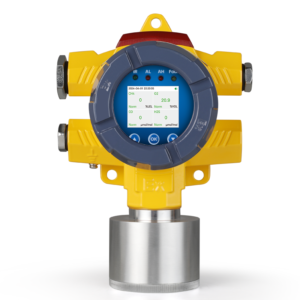
- A CO detector continuously monitors the air for the presence of CO. When it detects elevated levels, it sounds an alarm, alerting occupants to the potential danger.
- CO detectors are especially important in homes, as CO poisoning can lead to severe health effects or even death. Having a detector installed near sleeping areas and on every level of the home can provide early warning and allow for prompt evacuation and appropriate action.
-
Read moreQuick View
Carbon Dioxide (CO2) Detector
- While CO2 is not typically considered toxic at normal levels, high concentrations in confined spaces can pose health risks. Areas with poor ventilation, such as basements, garages, and industrial settings, may accumulate high levels of CO2.
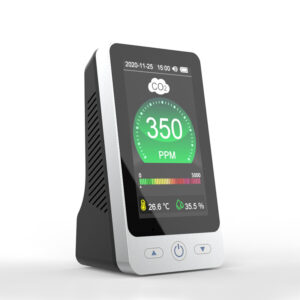
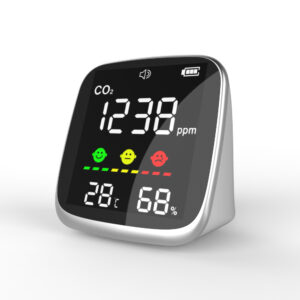
- CO2 detectors are used in industrial, commercial, and laboratory settings to monitor CO2 levels and ensure safe working conditions.
- In certain environments, such as breweries or wineries, where CO2 is produced during fermentation or used for carbonation, detectors are essential to prevent potentially hazardous situations.
- CO2 detectors can help identify situations where ventilation is inadequate, allowing for proper adjustments to maintain a safe environment.
Conclusion
Carbon dioxide and carbon monoxide are two distinct gases with different sources, health effects, and environmental impacts. Carbon dioxide is a naturally occurring gas but is also released in large quantities due to human activities, contributing to climate change. On the other hand, carbon monoxide is a toxic gas primarily produced through the incomplete combustion of carbon-containing fuels and poses significant health risks. Understanding the differences between these gases is crucial for promoting safety, reducing emissions, and mitigating the adverse effects on both human health and the environment.