

How to Read an Overnight Bedroom CO2 Log
Interpret an overnight bedroom CO2 trace using its starting level, rise, plateau and morning response while checking logger quality, air paths and comparable nights.
Read More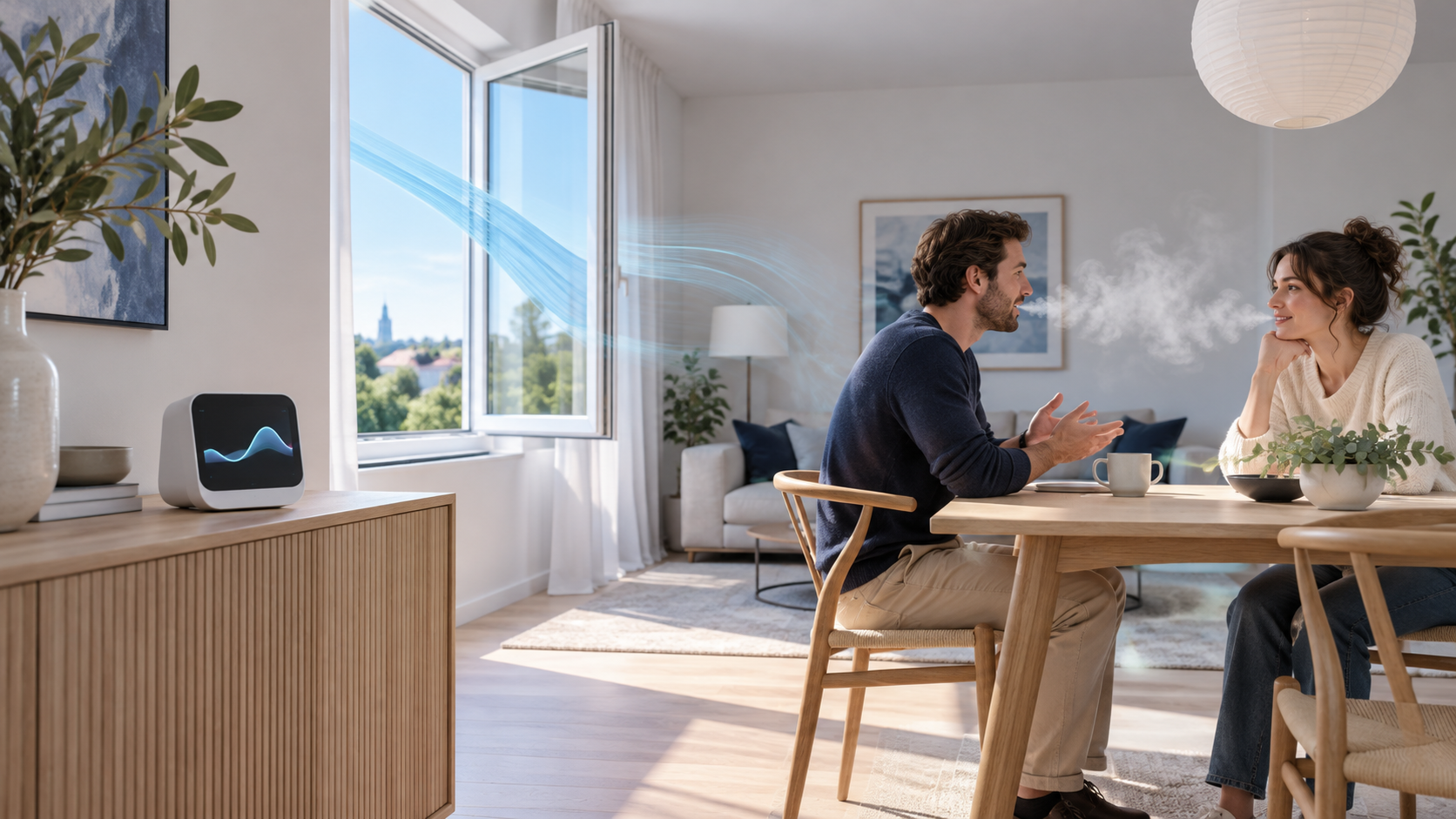
How to Interpret CO2 Trends at Home: Read the Pattern, Not One Number
Learn how occupancy, outdoor air, room mixing and monitor placement shape a home CO2 trace, and use a repeatable log to test ventilation changes.
Read More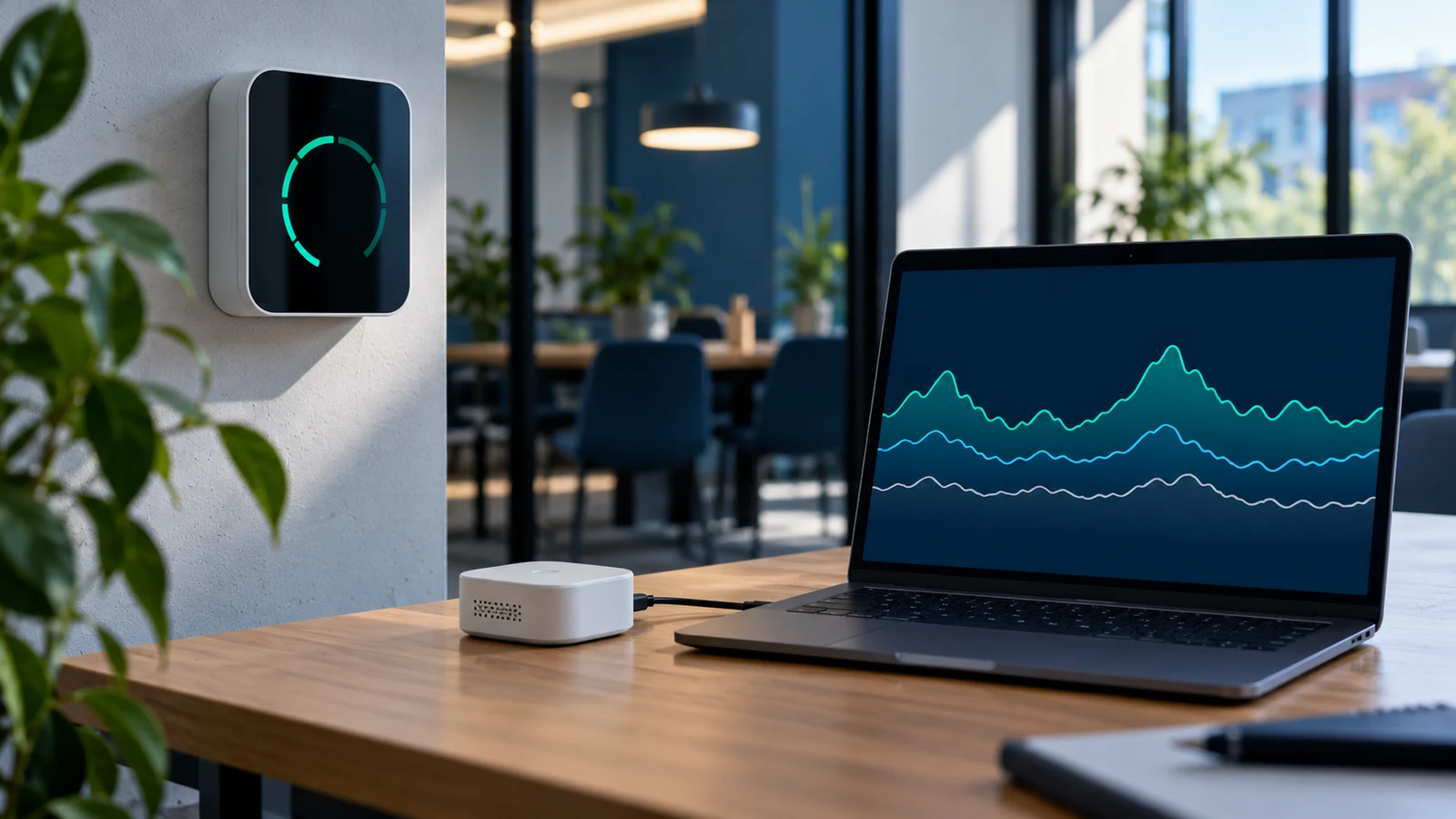
CO2 Data Logger or Live Display? Choose the Record Your Decision Needs
Choose a CO2 logger, live display or both by comparing sensor response, update and record intervals, timestamps, data gaps, retention and use.
Read More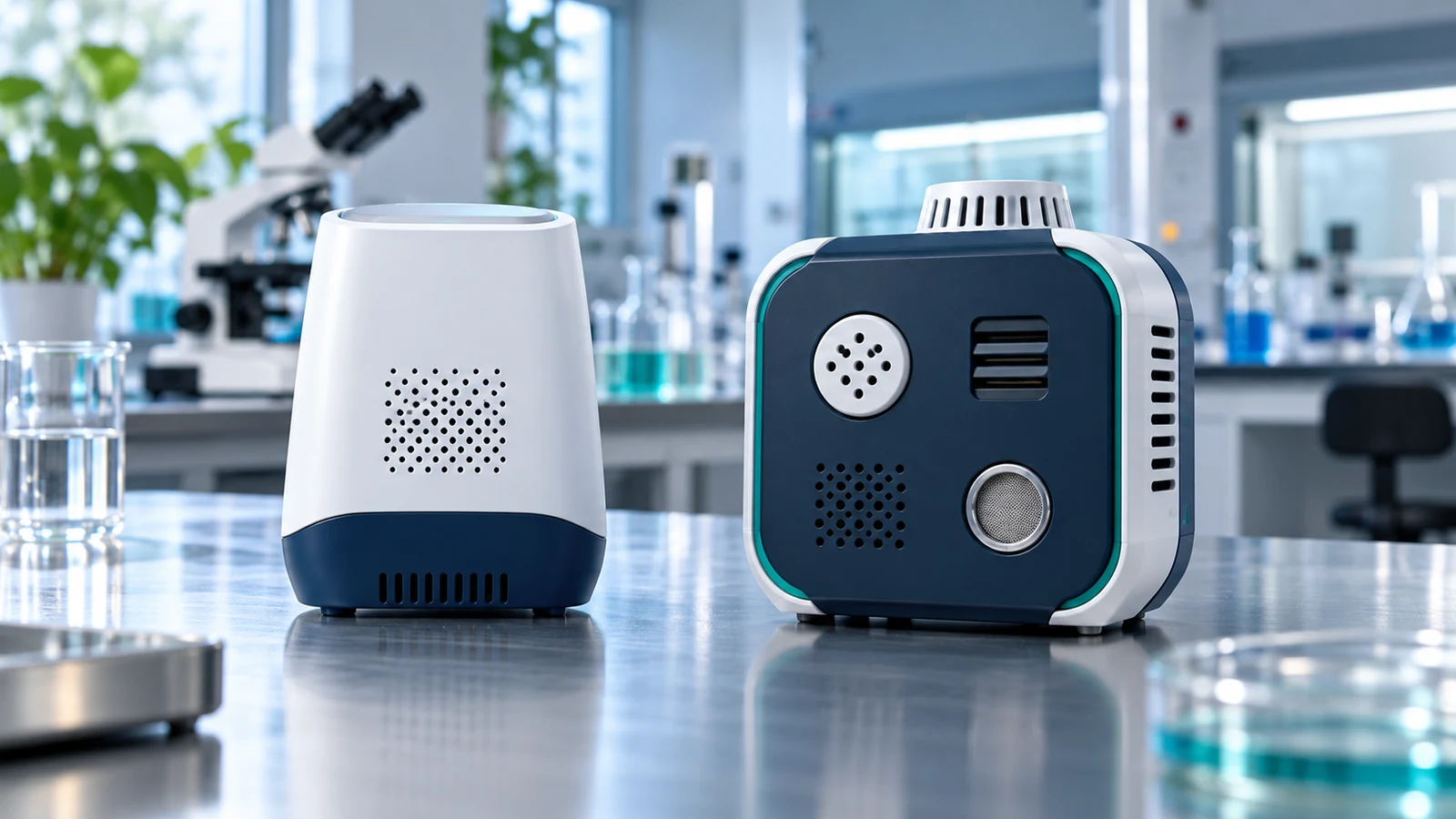
Single-Gas vs Multiparameter Monitors: Compare the Channels, Not the Screen
Compare single-gas and multiparameter monitors by the evidence for each channel, sample location, data quality, maintenance and intended use.
Read More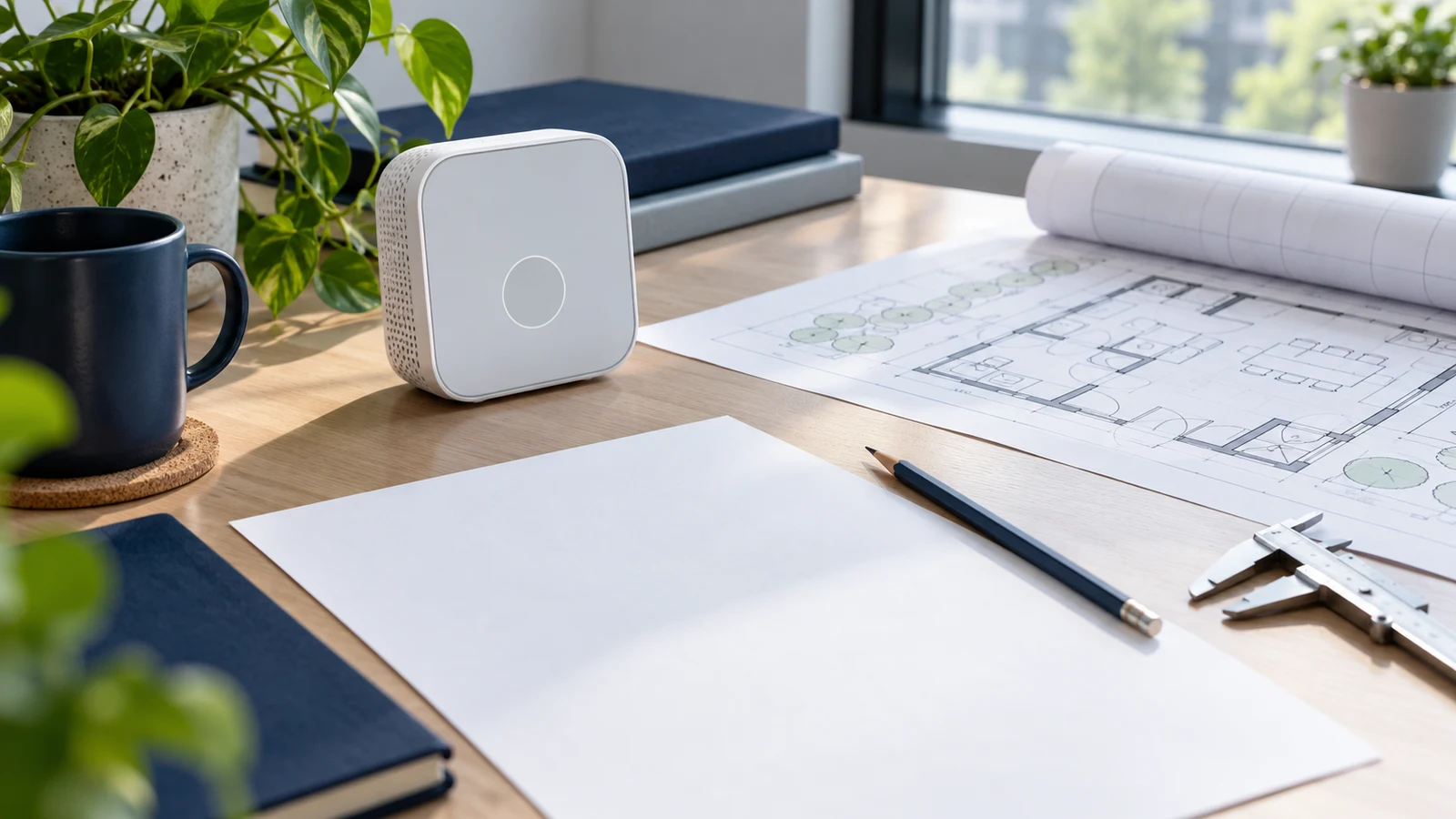
A CO2 Measurement Requirements Worksheet: Define the Job Before Choosing a Sensor
Build a practical CO2 measurement brief covering purpose, sample, range, timing, data, faults, maintenance and acceptance evidence before selecting an instrument.
Read More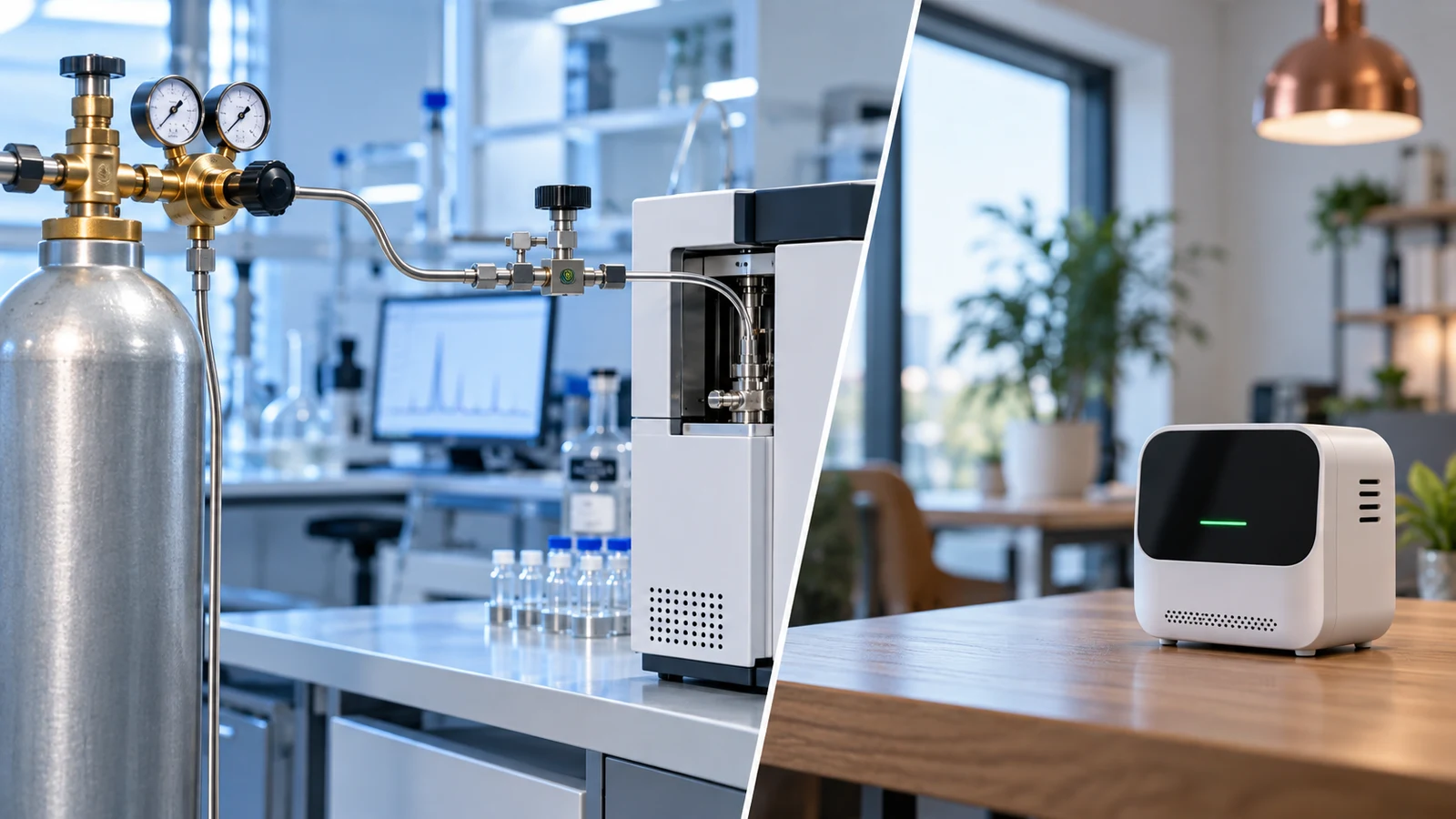
CO2 Purity vs Ambient CO2 Concentration: Two Different Measurement Jobs
CO2 supply purity and ambient CO2 ppm describe different samples and analytes. Learn why room monitors cannot certify gas lots and purity certificates cannot describe room air.
Read More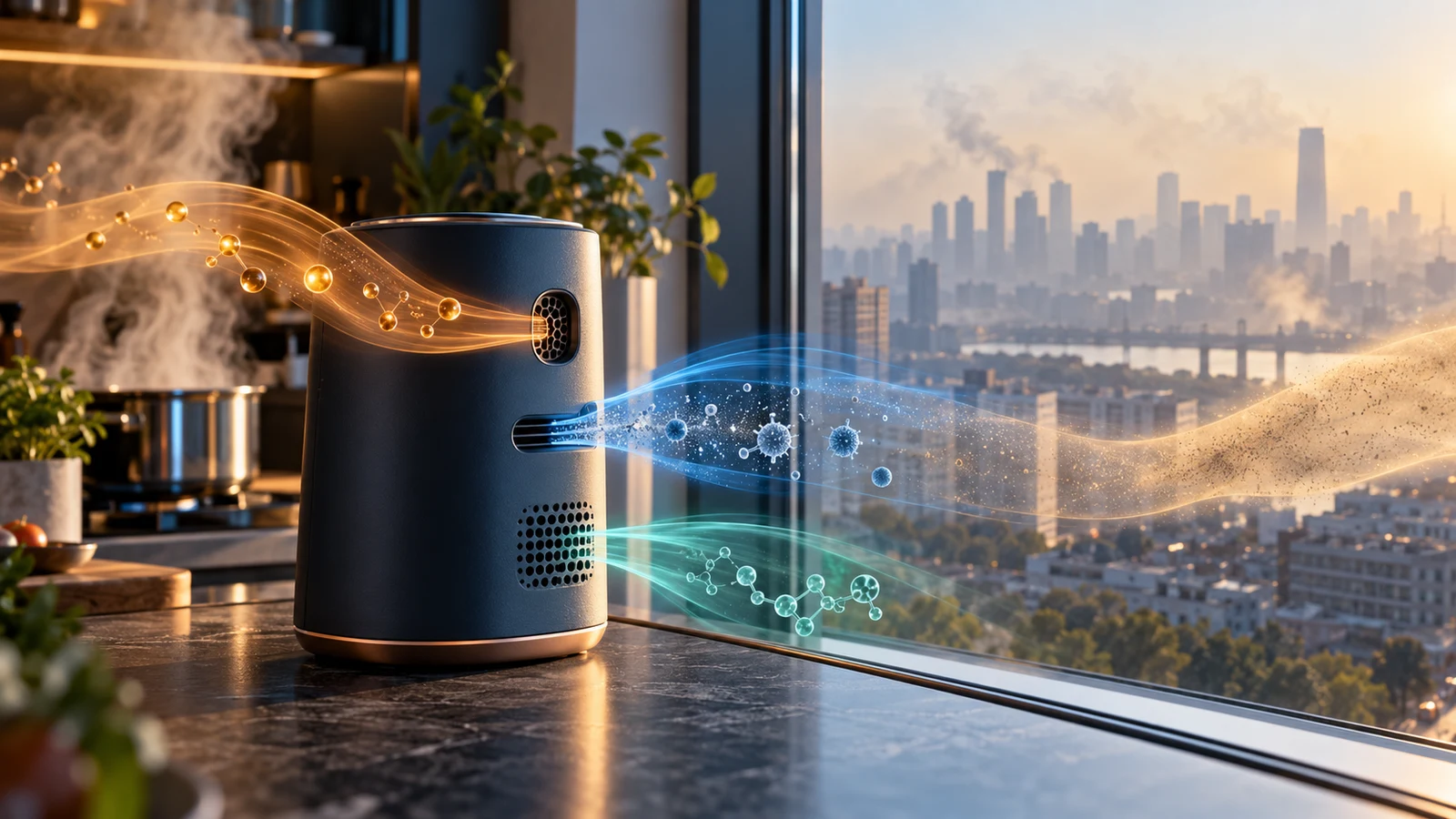
Air Quality Score vs Gas Concentration: What an Indoor Monitor Can Actually Tell You
A pollutant concentration is a named measurement; an air-quality score is a mapping. Compare indoor scores with the official US outdoor AQI and inspect a monitor's raw channels.
Read More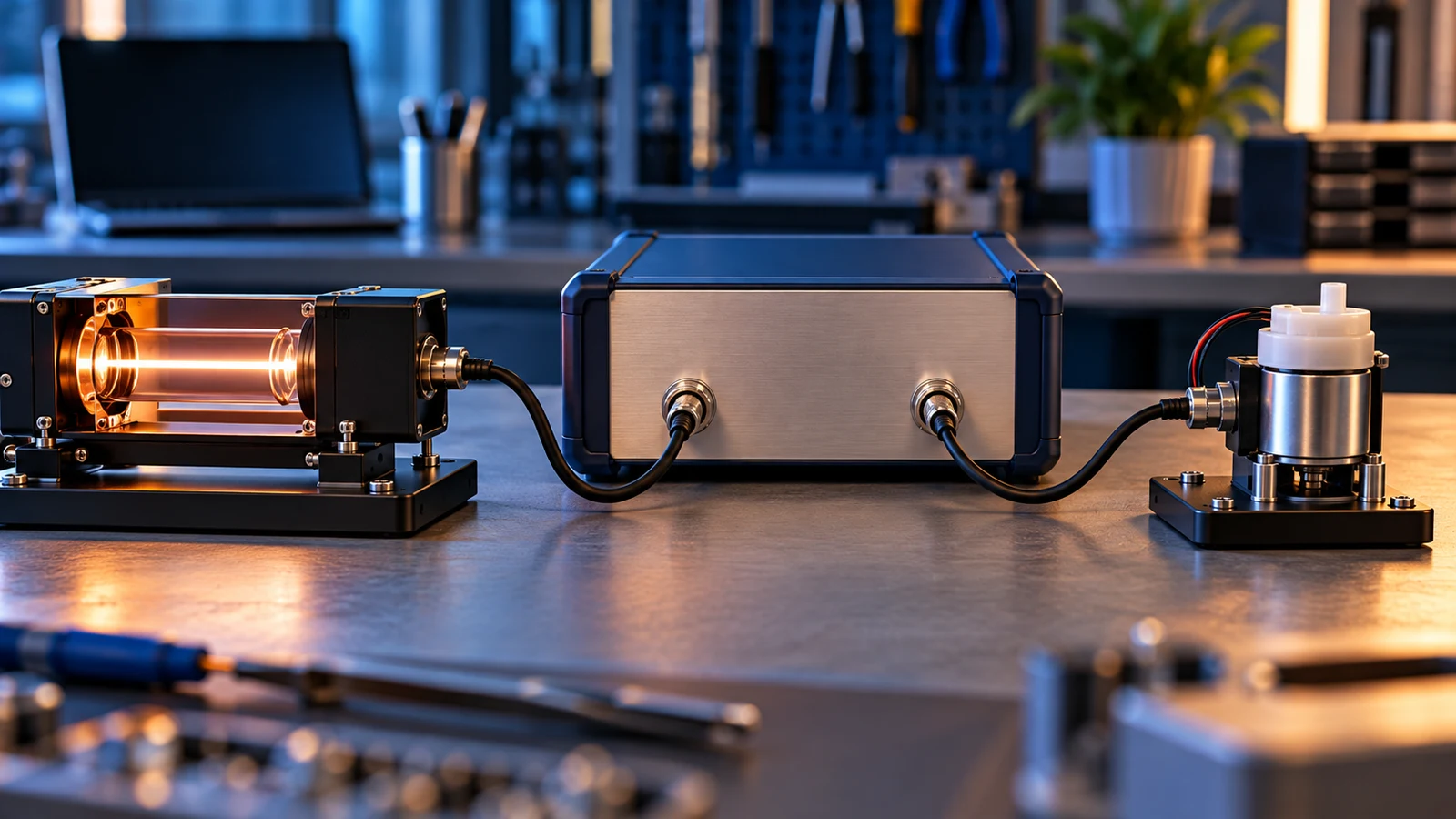
CO vs CO2 Sensors: Why a Dual-Gas Instrument Needs Two Measurement Channels
CO and CO2 sensors measure different gases. Learn how to verify each channel, its sensing principle, range, calibration, sampling path and finished-device purpose.
Read More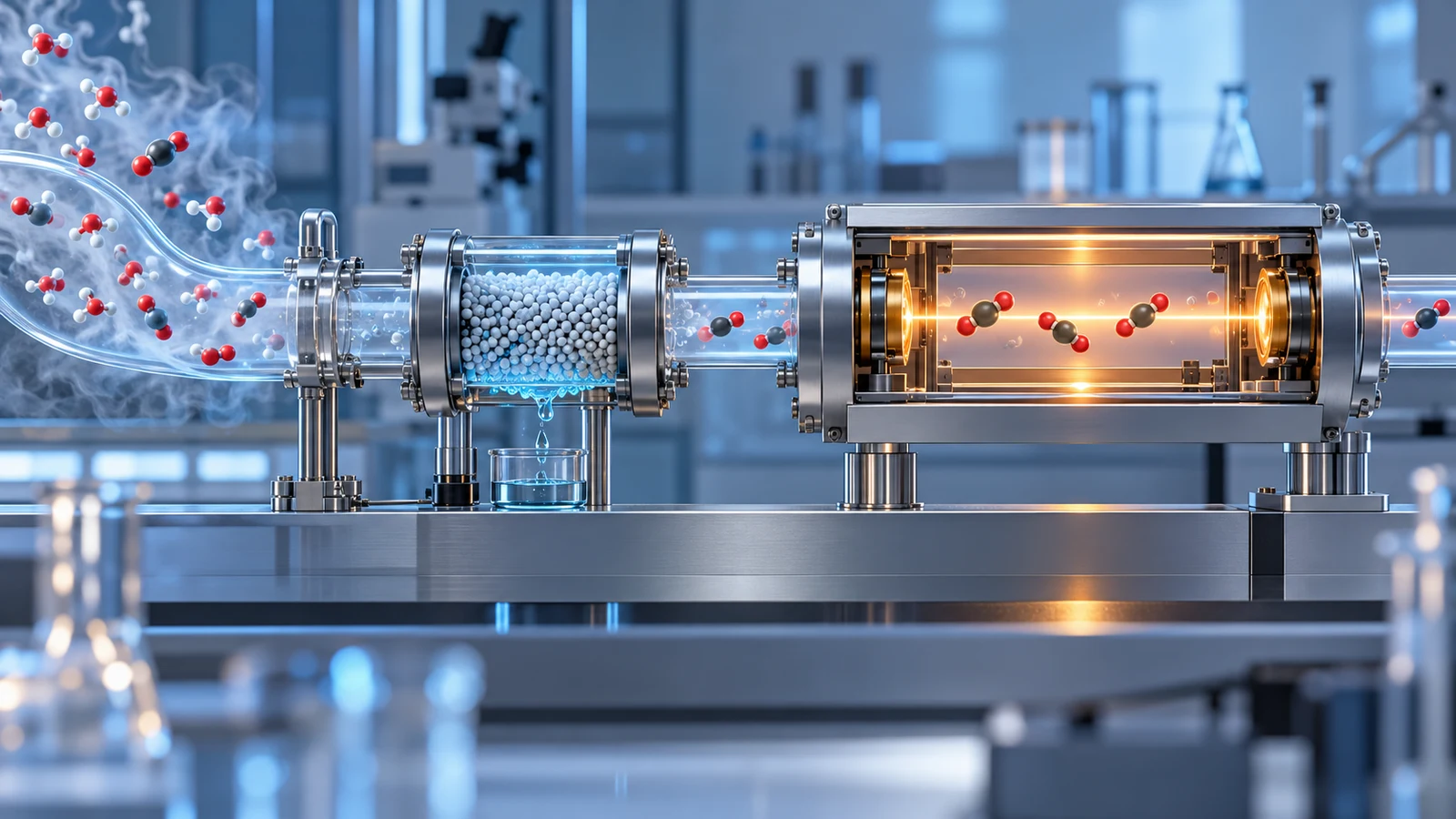
Wet vs Dry CO2 Readings: Why Sample Basis Changes the Number
Wet-air and dry-air CO2 ppm can differ because water vapor changes the fraction denominator. Learn the conditional conversion and what to record in a sampled-gas system.
Read More
CO2 Monitor vs Gas Analyzer: Sampling, Data and Instrument Choice
Compare CO2 monitors and gas analyzers by sample point, gas path, measurement range, time resolution, calibration evidence and the decision the data supports.
Read More