Knowledge

Refrigerant Safety: A Comprehensive Guide

Refrigerants are essential in cooling systems such as air conditioners, refrigerators, and heat pumps. However, their chemical nature presents safety risks, including toxicity, flammability, environmental harm, and pressure-related hazards. To ensure safe handling and usage, it is critical to follow guidelines and implement proper safety...
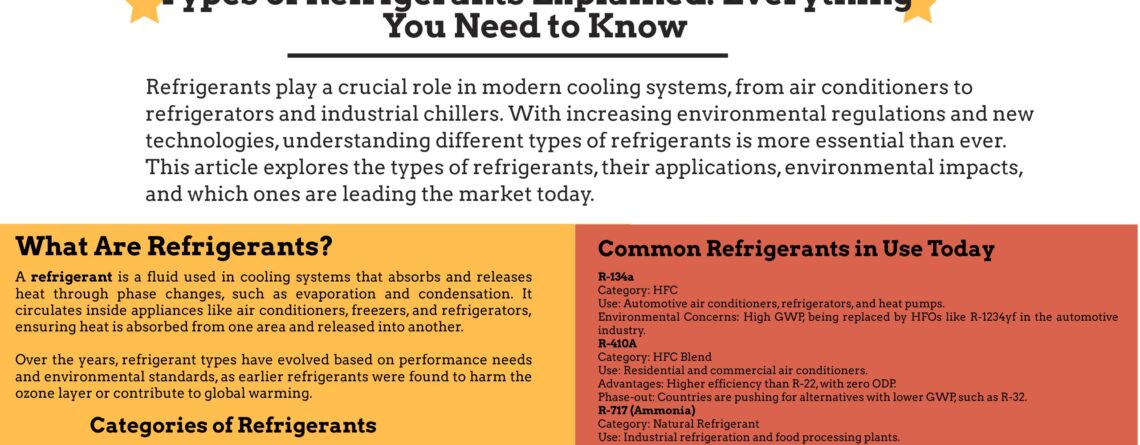
Types of Refrigerants Explained: Everything You Need to Know

Refrigerants play a crucial role in modern cooling systems, from air conditioners to refrigerators and industrial chillers. With increasing environmental regulations and new technologies, understanding different types of refrigerants is more essential than ever. This article explores the types of refrigerants, their applications, environmental impacts,...

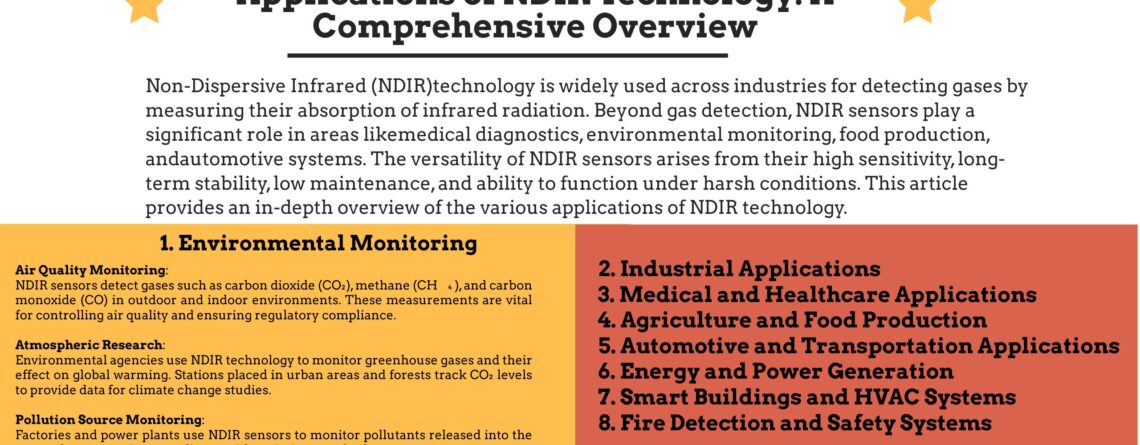
Applications of NDIR Technology: A Comprehensive Overview

Non-Dispersive Infrared (NDIR) technology is widely used across industries for detecting gases by measuring their absorption of infrared radiation. Beyond gas detection, NDIR sensors play a significant role in areas like medical diagnostics, environmental monitoring, food production, and automotive systems. The versatility of NDIR sensors...

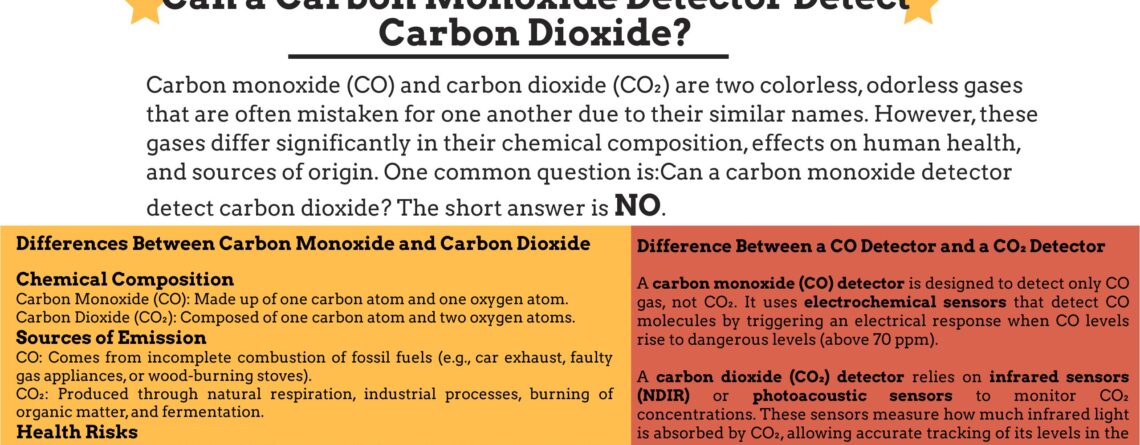
Can a Carbon Monoxide Detector Detect Carbon Dioxide?

Carbon monoxide (CO) and carbon dioxide (CO₂) are two colorless, odorless gases that are often mistaken for one another due to their similar names. However, these gases differ significantly in their chemical composition, effects on human health, and sources of origin. One common question is:...

High CO2 Levels Indoors Will Surprise You: What You Need to Know

Carbon dioxide (CO2) is a naturally occurring gas that is crucial to life on Earth. It plays a significant role in processes such as photosynthesis, respiration, and climate regulation. However, when CO2 levels rise indoors, it can have surprising and concerning effects on human health,...

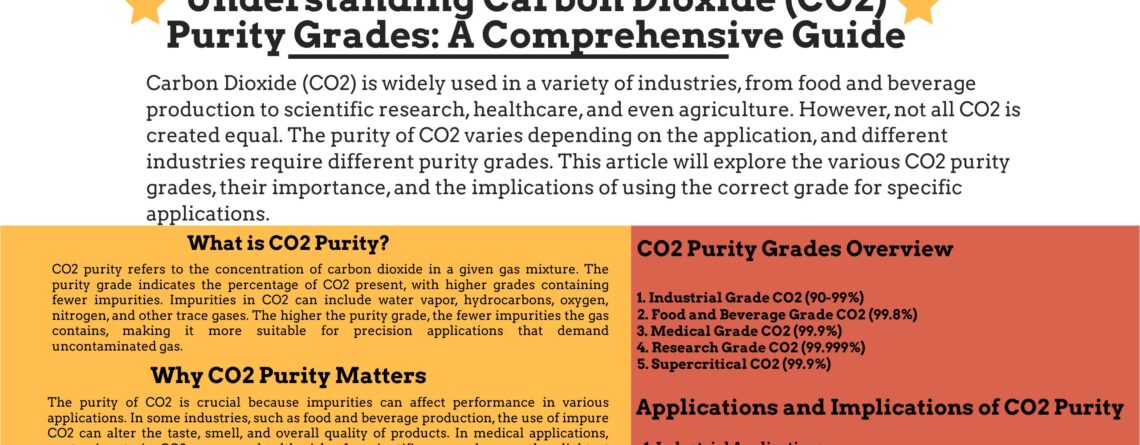
Understanding CO2 Purity Grades: A Comprehensive Guide

Carbon Dioxide (CO2) is widely used in a variety of industries, from food and beverage production to scientific research, healthcare, and even agriculture. However, not all CO2 is created equal. The purity of CO2 varies depending on the application, and different industries require different purity...

Optimizing CO2 for Your Grow Room: Step-by-Step Guide

As indoor growers continually seek ways to maximize plant growth and improve yields, carbon dioxide (CO2) enrichment has become a crucial strategy. Adding CO2 to your grow room can significantly accelerate photosynthesis, leading to faster growth and higher productivity. This article will walk you through...

Optimizing CO2 Levels for Mushroom Farm Success: A Complete Guide

Mushroom farming is an intricate process where numerous environmental factors must be carefully controlled to ensure healthy growth and maximum yield. One of the most crucial factors is the level of carbon dioxide (CO2) in the growing environment. CO2 concentrations directly impact the growth rate,...

Dissolved Oxygen Meters and Sensors: An Essential Guide

Dissolved oxygen (DO) is a crucial parameter for assessing water quality in aquatic environments, including rivers, lakes, oceans, aquaculture systems, and wastewater treatment facilities. Understanding the concentration of dissolved oxygen in water is essential for maintaining healthy ecosystems and ensuring the survival of aquatic organisms....

Dissolved Oxygen: Understanding Its Importance in Water Quality

Dissolved Oxygen (DO) is a crucial parameter in determining the health and quality of aquatic environments. It refers to the amount of oxygen gas (O2) dissolved in water, which is essential for the survival of fish, aquatic plants, and other organisms. This article explores the...