01Jun
30May
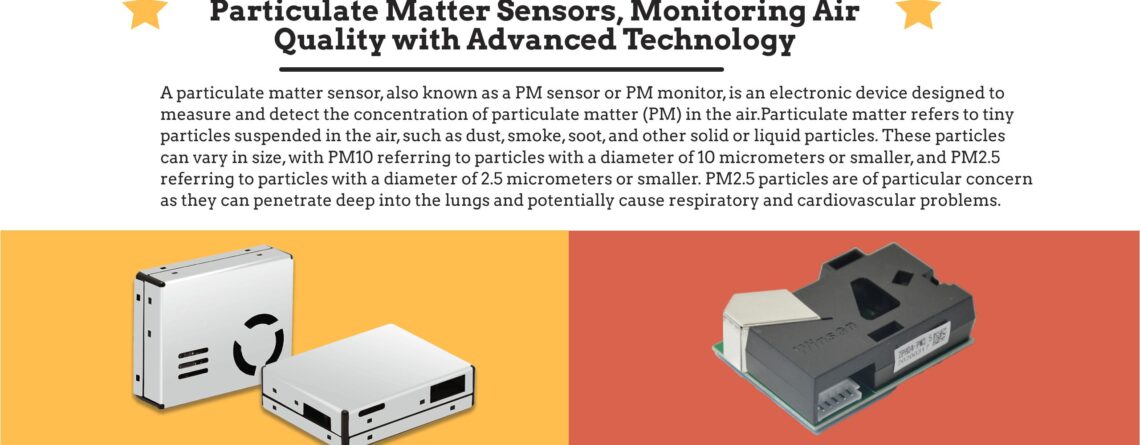
What Is A Particulate Matter Sensor And How Does It Work?
In the quest for cleaner and healthier air, particulate matter sensors play a vital role in assessing and monitoring air quality. These sensors are advanced devices designed to measure and detect the concentration of particulate matter (PM) in the air, providing valuable data for environmental...
27May
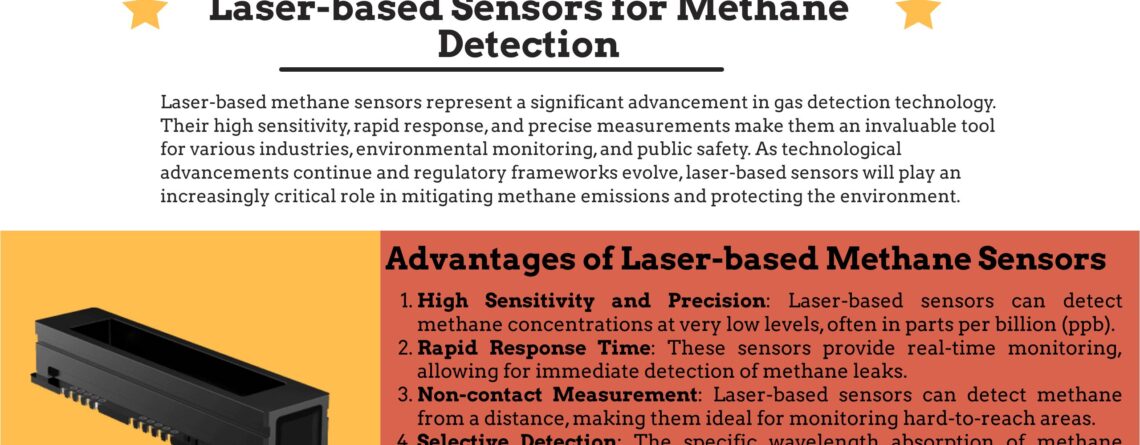
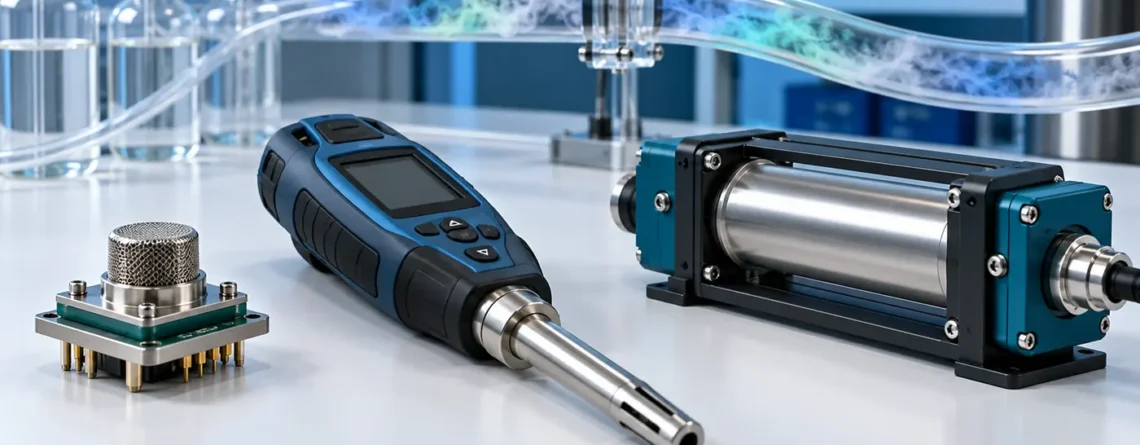
Laser-based Sensors for Methane Detection
Methane (CH₄) is a potent greenhouse gas with significant implications for climate change and environmental health. Detecting methane leaks quickly and accurately is crucial for mitigating its impact. Laser-based sensors have emerged as an advanced technology for methane detection, offering high precision and rapid response....
23May
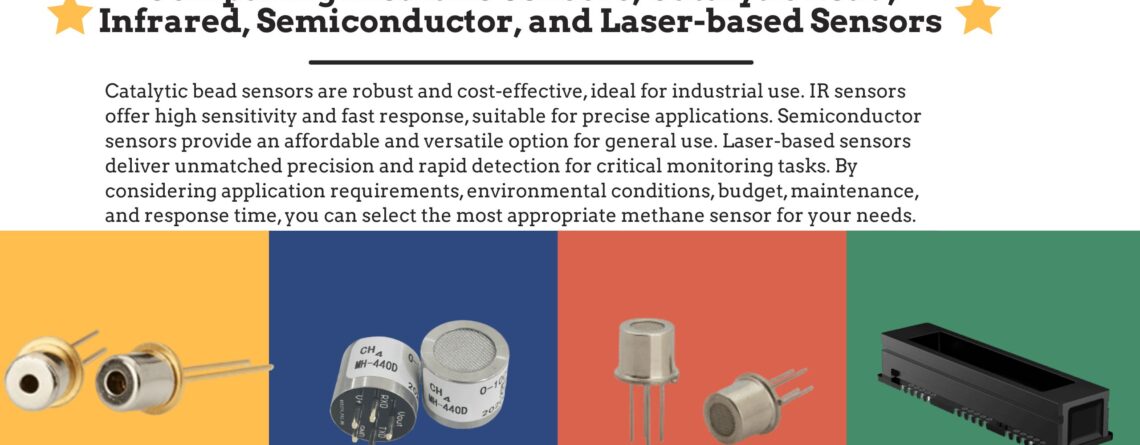
Comparing Methane Sensors: Catalytic Bead, Infrared, Semiconductor, and Laser-based Sensors
Methane sensors are crucial for detecting methane gas in various environments, ensuring safety, and monitoring emissions. This article compares four primary types of methane sensors—Catalytic Bead, Infrared (IR), Semiconductor, and Laser-based sensors—highlighting their advantages and disadvantages to help you choose the right one for your...
22May
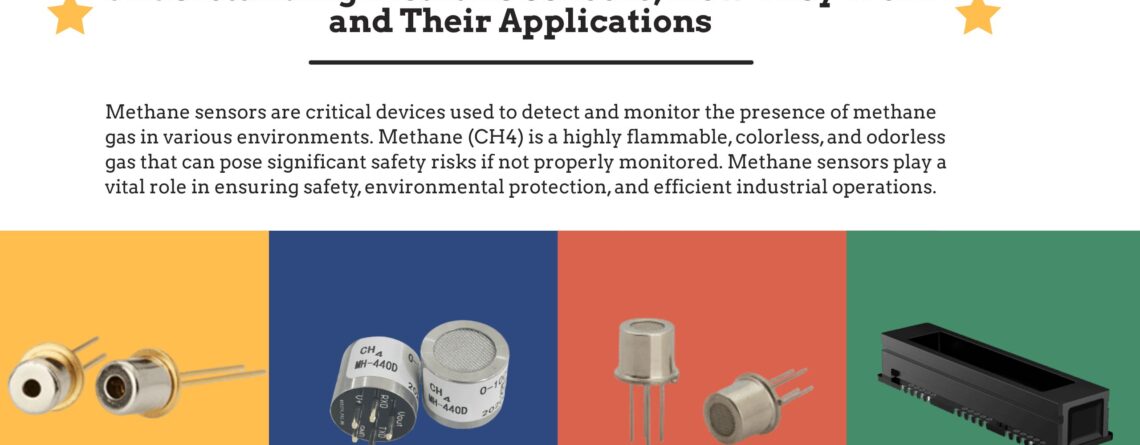
Understanding Methane Sensors: How They Work and Their Applications
What Is A Methane SensorMethane sensors are critical devices used to detect and monitor the presence of methane gas in various environments. Methane (CH₄) is a highly flammable, colorless, and odorless gas that can pose significant safety risks if not properly monitored. Methane sensors play...
20May
VOC Sensor Cross-Sensitivity: Why MOS, PID and IR Readings Differ
Compare MOS, PID and infrared VOC measurement, including mixed-gas response, humidity interference and a practical cross-sensitivity validation plan.
16May
What is a VOC sensor and how does it work?
Volatile Organic Compounds (VOCs) are organic chemicals that can easily evaporate into the air. They are found in various household and industrial products, and prolonged exposure to high levels of VOCs can have detrimental effects on human health and the environment. VOC sensors play a...
15May
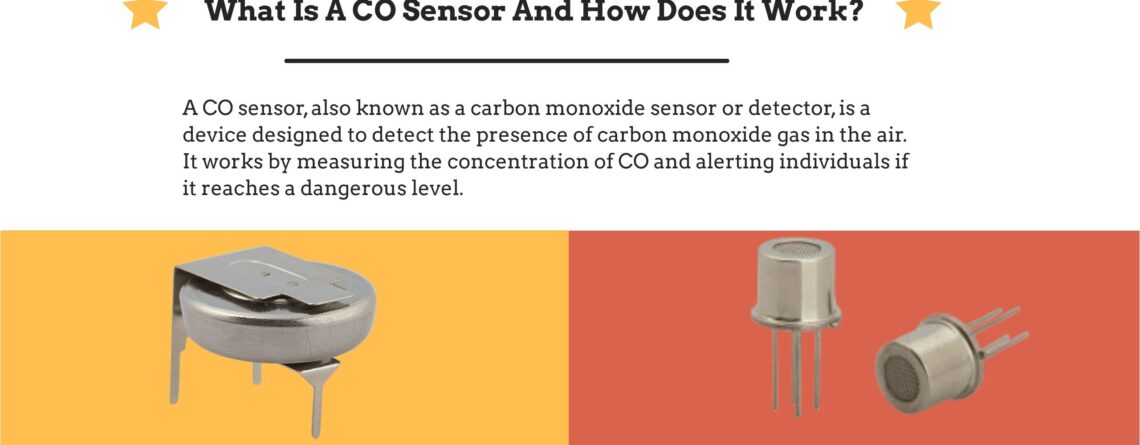
What Is A CO Sensor And How Does It Work?
What is a CO Sensor?A CO sensor, also known as a carbon monoxide sensor or detector, is a device designed to detect the presence of carbon monoxide gas in the air. It works by measuring the concentration of CO and alerting individuals if it reaches...
11May
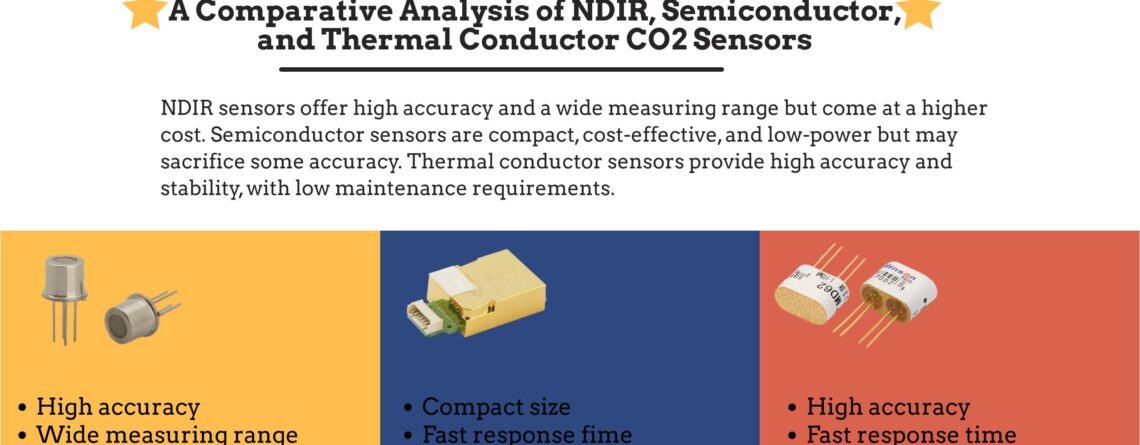
A Comparative Analysis of NDIR, Semiconductor, and Thermal Conductor CO2 Sensors
CO2 sensors play a crucial role in monitoring carbon dioxide levels in various environments. Among the different types of CO2 sensors available, Non-Dispersive Infrared (NDIR), Semiconductor, and Thermal Conductor sensors are widely used. In this article, we will analyze the advantages and disadvantages of these...
11May