Types of Methane Sensors
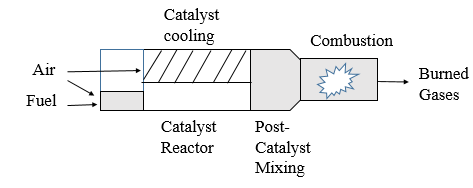
Catalytic Combustion
(Source: large.stanford.edu)
Catalytic methane sensors operate based on the principle of catalytic combustion. The sensor consists of a catalyst, typically made of platinum or palladium, which promotes the oxidation of methane gas. When methane comes into contact with the catalyst, it undergoes combustion, resulting in a change in temperature or electrical resistance. This change is then measured and used to determine the concentration of methane.
Infrared Absorption

Infrared (IR) methane sensors work by measuring the absorption of infrared light at specific wavelengths. Methane gas absorbs infrared radiation at certain wavelengths, and the sensor detects this absorption. The sensor emits infrared light at the specific wavelength of methane absorption and measures the intensity of the transmitted or reflected light. The difference in intensity is used to calculate the methane concentration.
Semiconductor Gas Sensors
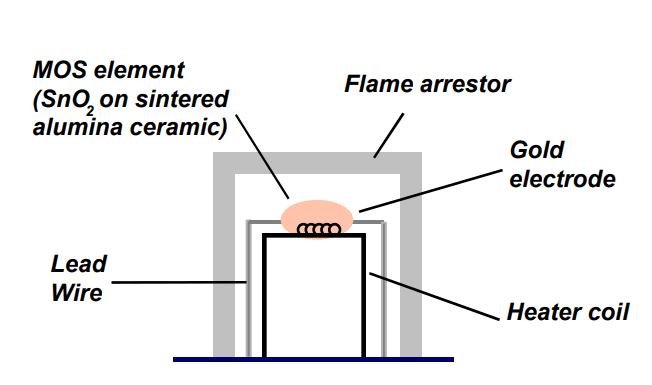 Semiconductor methane sensors utilize the change in electrical conductivity of a semiconductor material when exposed to methane gas. These sensors consist of a semiconductor material, such as tin dioxide (SnO2), which acts as a sensing element. When methane gas comes into contact with the semiconductor, it chemically reacts, altering the material’s conductivity. The change in conductivity is measured and converted into a methane concentration reading.
Laser-based Sensors
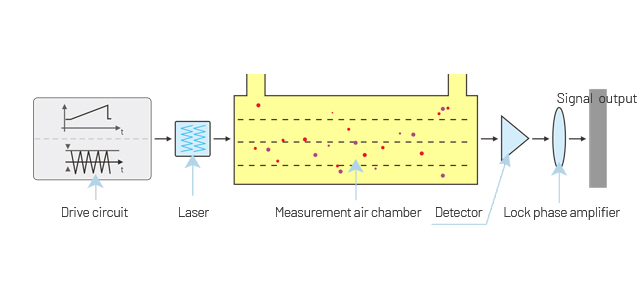 (Source: gas-analyzers.com)
Laser-based sensors, specifically tunable diode laser absorption spectroscopy (TDLAS) sensors, operate based on the principle of absorption spectroscopy. A laser beam with a specific wavelength, typically in the infrared region, is emitted towards the target gas, which in this case is methane. Methane molecules absorb the laser light at their specific absorption wavelength, resulting in a decrease in the intensity of the laser beam.
The sensor then measures the intensity of the laser beam before and after interaction with the methane gas. By comparing the two intensities, the sensor can calculate the concentration of methane present in the environment. This technique allows for highly accurate and selective methane detection.