26Feb
24Feb
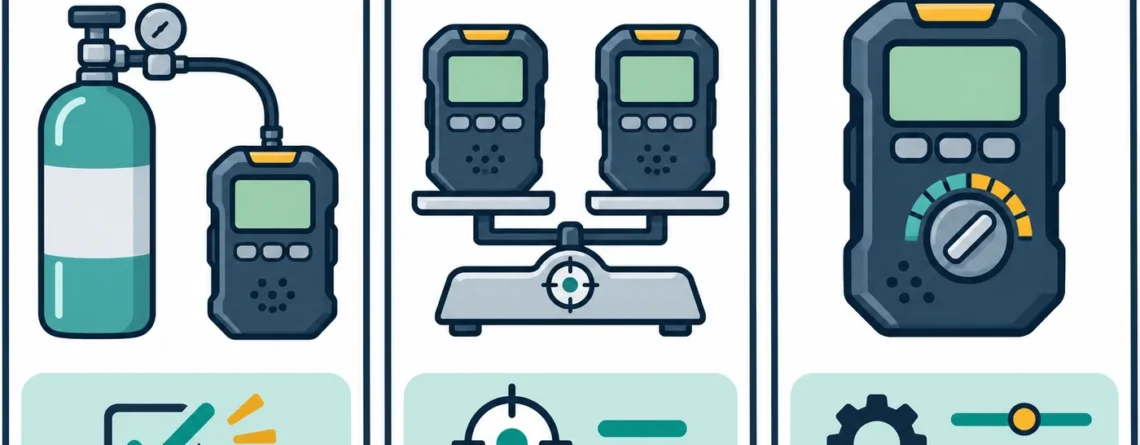
Span Calibration: Ensuring Precision in Sensor Measurements
In the world of sensors, accuracy is paramount. Whether it's detecting hazardous gases, measuring temperature, or monitoring pressure, sensors are integral to ensuring the safety and efficiency of operations across a range of industries. However, for sensors to provide precise data, they must be calibrated...
19Feb
Single-Point and Multipoint Calibration: What Should the Record Show?
Choose one-point, two-point or multipoint gas-sensor checks by measurement task, and document references, results and failures.
18Feb
Grok3: Revolutionizing Industries with Advanced Technology
In today's fast-paced world, businesses are constantly seeking innovative solutions to increase efficiency, reduce costs, and stay ahead of their competition. Enter Grok3, a groundbreaking technology that is quickly becoming a game-changer in multiple industries. Whether you're in manufacturing, healthcare, or technology, Grok3 promises to...
18Feb
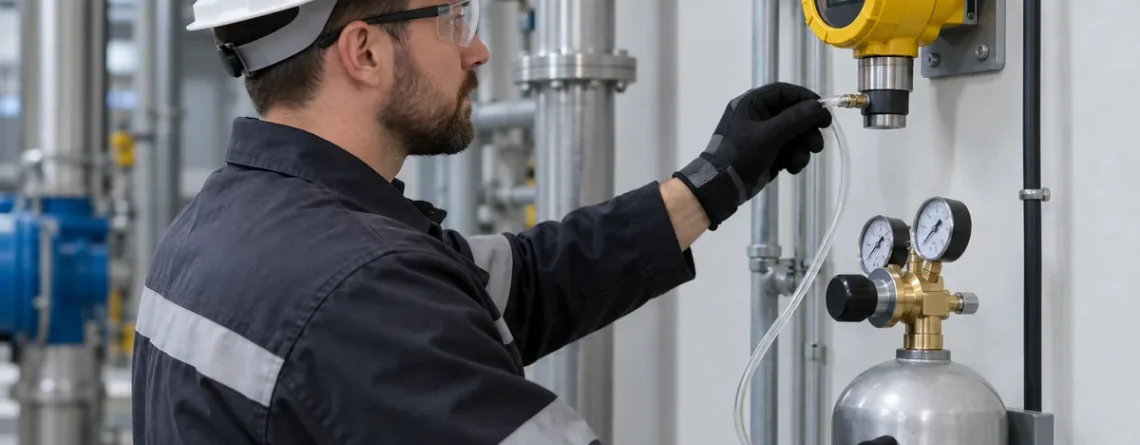
Calibration: Ensuring Accuracy and Reliability in Measurement Systems
Calibration is a critical process in measurement science, ensuring the accuracy and reliability of instruments across various industries. It involves adjusting and verifying measurement devices against known standards to minimize errors and ensure compliance with regulatory requirements. Whether in manufacturing, medical applications, laboratory settings, or...
18Feb
Bump Test and Calibration Evidence: What Each Record Actually Proves
Distinguish functional bump tests, calibration checks and adjustment, then review the evidence needed for each instrument result.
17Feb
Gas Sensor Calibration: Ensuring Accuracy, Reliability, and Safety
Gas sensors are critical components in a variety of industries, ranging from healthcare and manufacturing to environmental monitoring and industrial safety. They are used to detect and measure the concentration of gases such as oxygen, carbon dioxide, methane, ammonia, and volatile organic compounds (VOCs). However,...
14Feb
Understanding LEL (Lower Explosive Limit) and Its Importance in Industrial Safety
In industrial environments, especially those dealing with flammable gases, vapors, and dust, safety is a paramount concern. One of the critical concepts in ensuring a safe working environment is the Lower Explosive Limit (LEL). The LEL represents the lowest concentration of a flammable substance in...
14Feb
Is Carbon Dioxide Harmful to People: A Comprehensive Analysis
Carbon dioxide (CO₂) is a naturally occurring gas that plays a critical role in Earth's ecosystems. It is essential for photosynthesis, the process by which plants produce oxygen and glucose. While carbon dioxide is vital to life on Earth, it can also pose risks to...
13Feb