Methane sensors are crucial for detecting methane gas in various environments, ensuring safety, and monitoring emissions. This article compares four primary types of methane sensors—Catalytic Bead, Infrared (IR), Semiconductor, and Laser-based sensors—highlighting their advantages and disadvantages to help you choose the right one for your needs.

1. Catalytic Bead CH4 Sensors
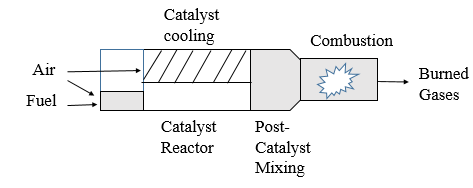
Catalytic Combustion

Advantages:

  • Robustness: Catalytic bead sensors are durable and can withstand harsh industrial environments.
  • Cost-Effective: These sensors are relatively inexpensive compared to other types.
  • Simple Operation: Their straightforward mechanism makes them easy to maintain and operate.

Disadvantages:

  • Oxygen Dependency: They require the presence of oxygen to function, making them unsuitable for anaerobic environments.
  • Slow Response Time: Catalytic bead sensors may have slower response times compared to more advanced sensors.
  • Susceptible to Poisoning: Exposure to certain chemicals can reduce their effectiveness over time.

2. Infrared (IR) CH4 Sensors

IR sensor principle

Advantages:

  • High Sensitivity: IR sensors can detect very low concentrations of methane.
  • Non-Oxygen Dependent: They can operate in environments with low or no oxygen.
  • Rapid Response: These sensors provide quick detection of methane leaks.

Disadvantages:

  • Cost: IR sensors tend to be more expensive than catalytic bead and semiconductor sensors.
  • Maintenance: They may require regular calibration to maintain accuracy.
  • Interference: High levels of humidity or dust can affect their performance.

3. Semiconductor CH4 Sensors
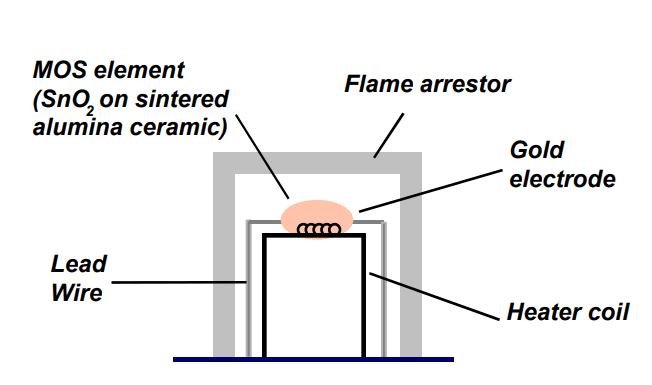
Metal

Advantages:

  • Cost-Effective: These sensors are generally cheaper than IR and laser-based sensors.
  • Compact Size: They are small and easy to integrate into various devices.
  • Versatile: Suitable for a wide range of applications, including household and portable devices.

Disadvantages:

  • Temperature Sensitivity: Their performance can be affected by changes in temperature and humidity.
  • Lower Precision: They are less precise compared to IR and laser-based sensors.
  • Potential for Drift: Long-term stability can be an issue, requiring frequent recalibration.

4. Laser-based CH4 Sensors
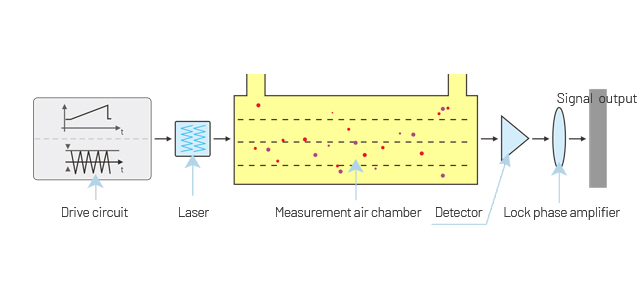
spectroscopy TDLAS

Advantages:

  • Exceptional Precision: Laser-based sensors offer highly accurate methane detection.
  • Fast Response Time: These sensors detect methane almost instantaneously.
  • Low Detection Limits: Capable of detecting very low levels of methane, ideal for leak detection and environmental monitoring.

Disadvantages:

  • High Cost: They are the most expensive among the four types of sensors.
  • Complexity: These sensors require sophisticated technology and expertise to operate and maintain.
  • Power Consumption: They may consume more power compared to other sensor types.
Table of Four Types Methane Sensors

Sensor Type Advantages Disadvantages
Catalytic Bead – Robust and durable – Cost-effective – Simple to operate and maintain – Requires oxygen to function – Slower response time – Susceptible to poisoning by certain chemicals
Infrared (IR) – Highly sensitive – Operates in low/no oxygen environments – Rapid response – More expensive – Requires regular calibration – Performance can be affected by high humidity or dust
Semiconductor – Cost-effective – Compact size – Versatile for various applications – Performance affected by temperature and humidity changes – Less precise – Potential for drift, requiring frequent recalibration
Laser-based – Exceptionally precise – Fast response time – Capable of detecting very low levels of methane – Highest cost – Requires sophisticated technology and expertise – Higher power consumption

How to Choose the Right Methane Sensor

When selecting a methane sensor, consider the following factors:

  1. Application Requirements: Identify the specific needs of your application. For industrial safety, robustness and cost-effectiveness may be prioritized, making catalytic bead sensors a suitable choice. For high-precision environmental monitoring, laser-based sensors are ideal.
  2. Environmental Conditions: Consider the operating environment. If the sensor needs to function in low-oxygen or high-humidity environments, IR or laser-based sensors are preferable.
  3. Budget: Determine your budget constraints. Semiconductor sensors offer a cost-effective solution for basic applications, while IR and laser-based sensors, though more expensive, provide advanced features and higher accuracy.
  4. Maintenance and Calibration: Evaluate the maintenance needs. If minimal maintenance is desired, choose sensors known for stability and low maintenance, like IR sensors.
  5. Response Time: For applications requiring immediate detection, such as leak detection, prioritize sensors with rapid response times, such as IR or laser-based sensors.

Conclusion

Choosing the right methane sensor involves weighing the advantages and disadvantages of each type against your specific needs and constraints. Catalytic bead sensors are robust and cost-effective, ideal for industrial use. IR sensors offer high sensitivity and fast response, suitable for precise applications. Semiconductor sensors provide an affordable and versatile option for general use. Laser-based sensors deliver unmatched precision and rapid detection for critical monitoring tasks. By considering application requirements, environmental conditions, budget, maintenance, and response time, you can select the most appropriate methane sensor for your needs.

Leave a Reply

Your email address will not be published. Required fields are marked *