Hydrogen fuel is emerging as a cornerstone of the transition to a clean, sustainable energy future. This colorless, odorless gas, which can be produced from a variety of sources, has the potential to revolutionize the way we generate and use energy. In this comprehensive article, we will explore the science behind hydrogen fuel, its production methods, advantages and challenges, applications across different sectors, and its role in the future of global energy systems.
What is Hydrogen Fuel?
Hydrogen fuel is a zero-emission fuel that, when consumed in a fuel cell, produces only water and heat. Hydrogen can be used in various applications, from powering vehicles and industrial processes to generating electricity and heating buildings. The versatility of hydrogen stems from its ability to store and deliver energy in a form that is both clean and efficient.
The Science of Hydrogen Fuel
Hydrogen is the simplest and most abundant element in the universe, consisting of one proton and one electron. It exists primarily in diatomic form (H2) on Earth. When used as a fuel, hydrogen undergoes oxidation in a fuel cell, combining with oxygen to produce electricity, water, and heat. This reaction is represented by the equation:
[ 2H2+O2→2H2O+energy]
In this process, hydrogen serves as an energy carrier, similar to electricity. It can be produced from various primary energy sources, stored, transported, and then converted back into usable energy when needed.
More About H2: Unveiling the Power of Hydrogen (H2): Structure, Properties, Production, and Uses
Production Methods of Hydrogen Fuel
Hydrogen can be produced through several methods, each with its own advantages and environmental impacts. The primary production methods include:
1. Steam Methane Reforming (SMR)

(Source: mvsengg.com)
SMR is the most common method for producing hydrogen today. It involves reacting natural gas (methane) with steam at high temperatures to produce hydrogen, carbon monoxide, and carbon dioxide. While SMR is currently the most economically viable method, it has a significant carbon footprint due to the release of CO2.
2. Electrolysis
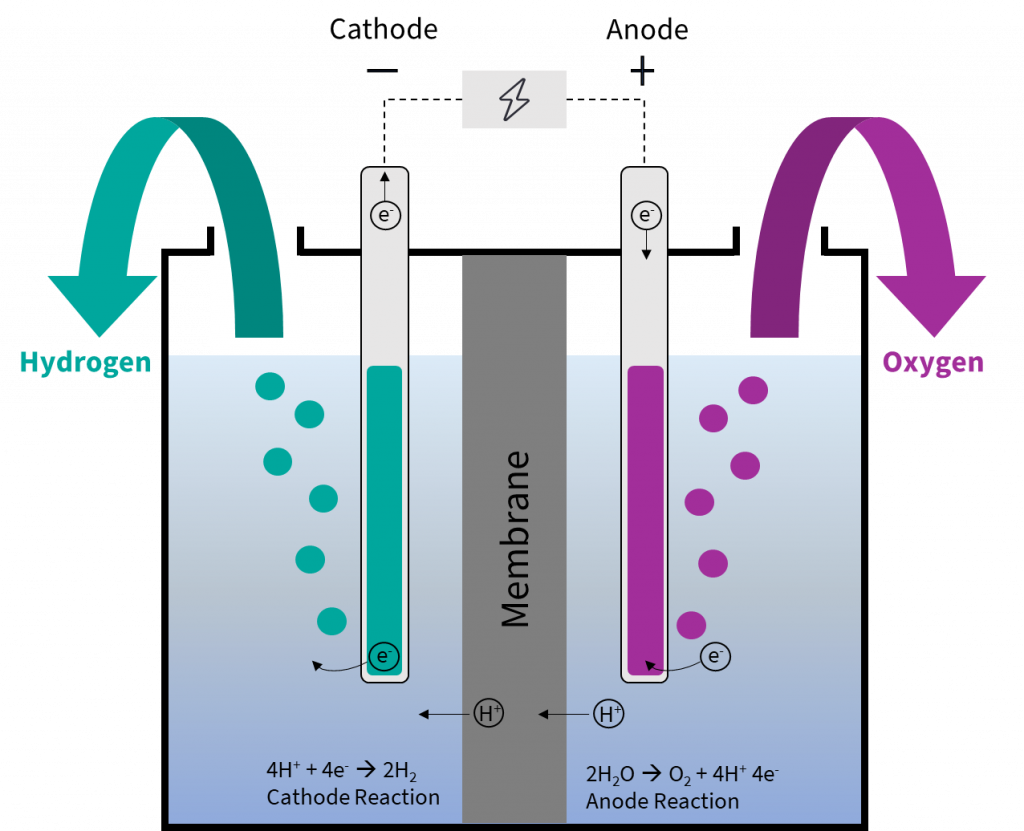
(Source: ptx-hub.org)
Electrolysis uses electricity to split water (H2O) into hydrogen and oxygen. This method can produce green hydrogen if the electricity comes from renewable sources like wind, solar, or hydro power. Electrolysis is seen as a key technology for sustainable hydrogen production, though it is currently more expensive than SMR.
3. Thermochemical Water Splitting

(Source: netzsch.com)
Thermochemical water splitting involves using high temperatures, often generated by solar or nuclear energy, to drive chemical reactions that produce hydrogen. This method is still in the research and development phase but holds promise for efficient, large-scale hydrogen production.
4. Biological Processes
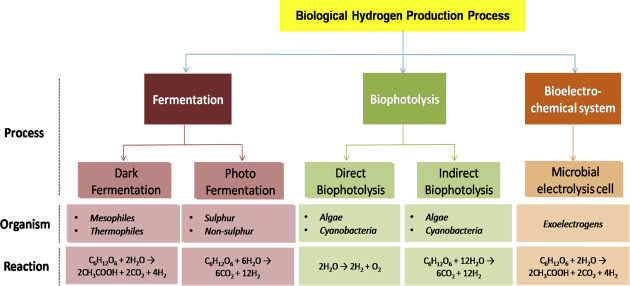
(Source: sciencedirect.com)
Certain microorganisms can produce hydrogen through biological reactions. These processes include biophotolysis (using algae to split water) and dark fermentation (using bacteria to break down organic matter). Biological methods are environmentally friendly but are not yet commercially viable.
5. Coal Gasification
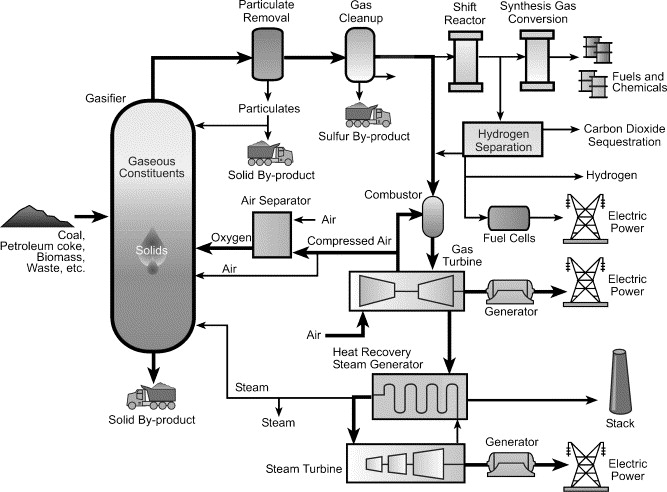
(Source: sciencedirect.com)
Coal gasification involves reacting coal with oxygen and steam to produce a mixture of hydrogen, carbon monoxide, and carbon dioxide. While this method can produce hydrogen on a large scale, it has a significant environmental impact due to the associated CO2 emissions.

Advantages of Hydrogen Fuel
Hydrogen fuel offers several compelling advantages that make it an attractive option for a sustainable energy future:
1. Zero Emissions
When used in a fuel cell, hydrogen produces only water and heat as byproducts, resulting in zero emissions of greenhouse gases or pollutants. This makes hydrogen fuel an ideal solution for reducing air pollution and combating climate change.
2. Versatility
Hydrogen can be used across a wide range of applications, from transportation and industrial processes to power generation and heating. Its versatility allows it to complement other renewable energy sources and provide a flexible, reliable energy solution.
3. Energy Storage
Hydrogen can store energy for long periods, making it an excellent option for balancing intermittent renewable energy sources like wind and solar. It can be stored in large quantities and transported over long distances, providing a stable and secure energy supply.
4. Abundance
Hydrogen is the most abundant element in the universe and can be produced from various sources, including water, natural gas, and biomass. This abundance ensures a virtually limitless supply of hydrogen, reducing dependence on finite fossil fuels.
5. High Energy Density
Hydrogen has a high energy density by weight, meaning it can store a large amount of energy in a small amount of mass. This property makes hydrogen an attractive fuel for applications requiring lightweight energy storage, such as aviation and space exploration.
Challenges of Hydrogen Fuel
Despite its many advantages, hydrogen fuel faces several challenges that must be addressed to realize its full potential:
1. Production Costs
Producing hydrogen, especially green hydrogen, is currently more expensive than conventional fossil fuels. Reducing the cost of hydrogen production, particularly through electrolysis and renewable energy sources, is crucial for widespread adoption.
2. Infrastructure
Hydrogen requires specialized infrastructure for production, storage, and distribution. Developing this infrastructure, including pipelines, refueling stations, and storage facilities, is a significant investment and logistical challenge.
3. Storage and Transport
Hydrogen is a low-density gas, making it challenging to store and transport efficiently. It requires high-pressure tanks, cryogenic temperatures, or chemical carriers, each of which has technical and economic hurdles.
4. Energy Efficiency
The processes involved in producing, storing, and converting hydrogen can be energy-intensive. Improving the overall energy efficiency of the hydrogen supply chain is essential to maximize its environmental and economic benefits.
5. Safety Concerns
Hydrogen is highly flammable and can form explosive mixtures with air. Ensuring the safe handling, storage, and use of hydrogen is critical to prevent accidents and build public trust in hydrogen technologies.
Applications of Hydrogen Fuel
Hydrogen fuel has a wide range of applications across various sectors, each offering unique benefits and challenges:
1. Transportation
Hydrogen fuel cells are being used to power various types of vehicles, including:
- Passenger Cars: Fuel cell electric vehicles (FCEVs) like the Toyota Mirai and Hyundai NEXO offer long driving ranges and quick refueling times compared to battery electric vehicles (BEVs).
- Buses and Trucks: Hydrogen-powered buses and trucks are being developed to reduce emissions from heavy-duty transportation, offering longer ranges and faster refueling than electric alternatives.
- Trains: Hydrogen fuel cell trains are being tested in several countries as a clean alternative to diesel-powered trains on non-electrified railways.
- Aviation and Maritime: Hydrogen is being explored as a fuel for aircraft and ships to reduce emissions in the aviation and maritime industries.
2. Power Generation
Hydrogen can be used to generate electricity in several ways:
- Fuel Cells: Stationary fuel cells can provide clean, reliable power for buildings, data centers, and grid support.
- Combustion: Hydrogen can be burned in turbines or engines to generate electricity, either alone or blended with natural gas.
- Energy Storage: Hydrogen can store excess renewable energy and be converted back to electricity when needed, helping to balance supply and demand on the grid.
3. Industrial Processes
Hydrogen is used in various industrial processes, including:
- Ammonia Production: Hydrogen is a key feedstock for producing ammonia, which is used in fertilizers and industrial chemicals.
- Petroleum Refining: Hydrogen is used to remove sulfur and other impurities from crude oil, producing cleaner fuels.
- Metal Production: Hydrogen can be used as a reducing agent in steelmaking and other metal production processes, reducing carbon emissions.
4. Heating and Cooling
Hydrogen can be used for residential and commercial heating and cooling:
- Hydrogen Boilers: Hydrogen can be burned in boilers to provide heat for buildings, potentially replacing natural gas.
- Combined Heat and Power (CHP): Fuel cells can provide both electricity and heat for buildings, improving energy efficiency.
5. Portable Power
Hydrogen fuel cells can provide portable power for various applications:
- Backup Power: Fuel cells can provide reliable backup power for critical infrastructure, such as hospitals and telecommunications.
- Remote Power: Fuel cells can power remote locations, such as off-grid homes and research stations, where other power sources are impractical.
More About Production and applications of hydrogen
The Future of Hydrogen Fuel
Hydrogen fuel is poised to play a critical role in the future of global energy systems. Several factors are driving the growing interest in hydrogen:
1. Climate Goals
As countries around the world commit to reducing greenhouse gas emissions and achieving net-zero targets, hydrogen offers a pathway to decarbonize sectors that are difficult to electrify, such as heavy industry and long-haul transportation.
2. Technological Advances
Advances in hydrogen production, storage, and fuel cell technologies are making hydrogen more cost-competitive and efficient. Innovations in electrolysis, materials science, and systems integration are key to unlocking hydrogen’s potential.
3. Policy Support
Governments and international organizations are increasingly supporting hydrogen through policies, subsidies, and research funding. National hydrogen strategies and roadmaps are being developed to coordinate efforts and investments.
4. Renewable Integration
Hydrogen can help integrate variable renewable energy sources by storing excess power and providing grid flexibility. As the share of renewables in the energy mix grows, hydrogen will play a crucial role in ensuring a stable and reliable energy supply.
5. Market Development
The development of hydrogen markets and supply chains will drive economies of scale and reduce costs. Collaboration between industries, governments, and research institutions is essential to build a robust hydrogen economy.
Conclusion
Hydrogen fuel represents a promising solution for a sustainable and clean energy future. Its versatility, zero emissions, and potential for large-scale deployment make it a key component of the transition to a low-carbon economy. While challenges remain, ongoing research,