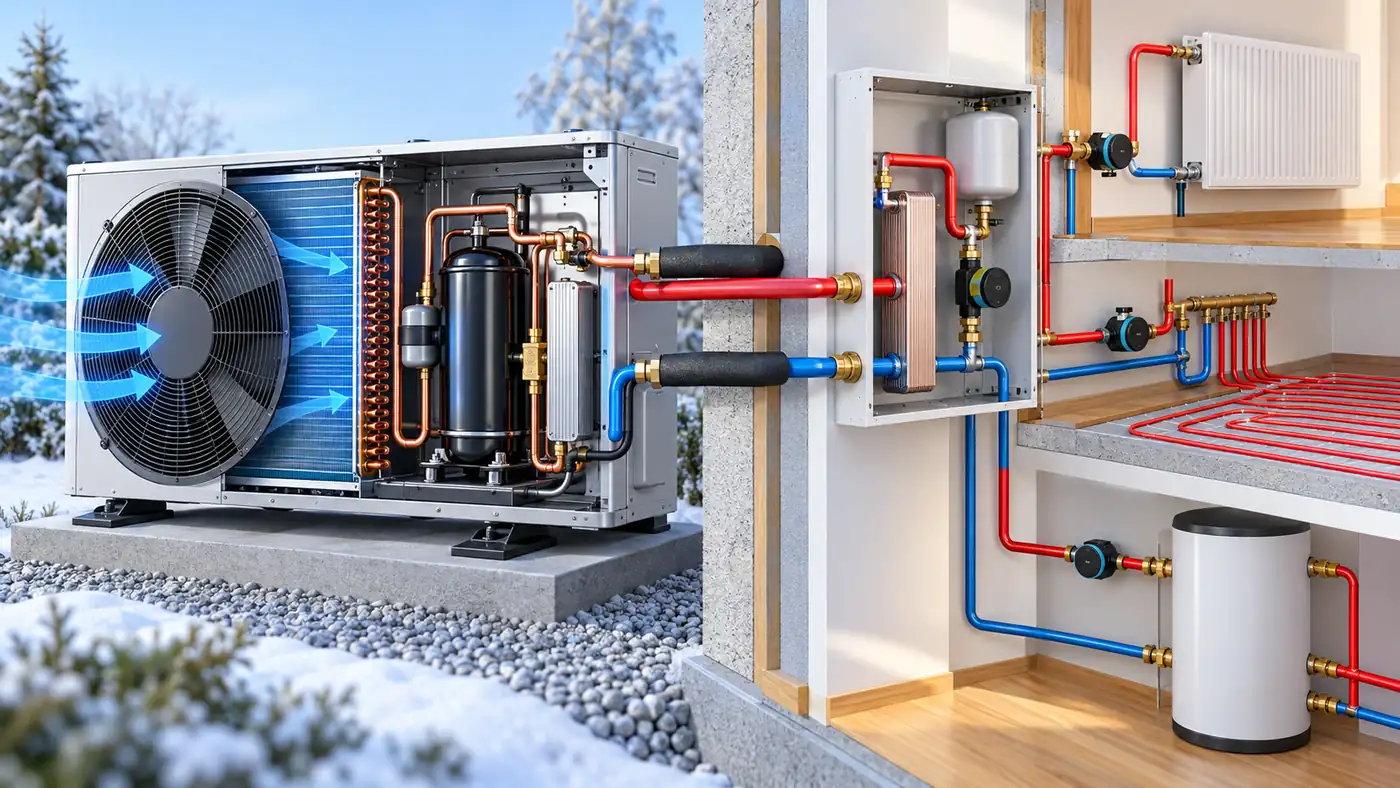
R-410A has become a widely used refrigerant in air conditioning and heat pump systems, particularly in residential and commercial HVAC (Heating, Ventilation, and Air Conditioning) applications. Introduced as a replacement for R-22, R-410A offers superior performance, higher energy efficiency, and environmental benefits. However, it has some challenges, such as a high Global Warming Potential (GWP), prompting ongoing efforts to find even better alternatives. This article provides a detailed overview of R-410A’s properties, advantages, challenges, and applications, making it a go-to guide for businesses and consumers.
What is R-410A Refrigerant?
R-410A is a blend of two hydrofluorocarbons (HFCs): R-32 (50%) and R-125 (50%). It is widely used in air conditioning systems because of its excellent thermodynamic performance and the absence of ozone-depleting effects. Unlike older refrigerants such as R-22, R-410A can absorb and release heat more efficiently, allowing HVAC systems to operate more effectively.
Key Properties of R-410A
- Composition: R-32 (50%) and R-125 (50%)
- Global Warming Potential (GWP): 2,088
- Ozone Depletion Potential (ODP): 0
- Boiling Point: -48.5°C (-55.3°F)
- Pressure: Operates at higher pressure than R-22
- Classification: A1 (Non-Flammable, Low Toxicity)
More About Refrigerant: Understanding Refrigerants: Types, Uses, and Environmental Impact
Environmental Impact of R-410A
Global Warming Potential (GWP)
R-410A has a GWP of 2,088, which means it contributes significantly to global warming if released into the atmosphere. Although it is safer for the ozone layer, its high GWP has led regulatory bodies to push for alternatives.
Ozone Depletion Potential (ODP)
R-410A has an ODP of 0, meaning it does not damage the ozone layer. It was introduced as an alternative to HCFC refrigerants like R-22, which have high ODP.
Advantages of R-410A
1. Superior Cooling Performance
R-410A systems operate at higher pressure, providing more efficient cooling compared to older refrigerants like R-22.
2. No Ozone Depletion
With an ODP of 0, R-410A contributes to preserving the ozone layer, aligning with global environmental policies.
3. Energy Efficiency
R-410A allows air conditioning systems to use smaller components and achieve higher efficiency, resulting in lower energy consumption.
4. Widely Available
R-410A is one of the most commonly used refrigerants, meaning equipment, tools, and expertise are widely available.
Realted Read: Comparative Analysis of Refrigerants, Properties, Advantages, and Disadvantages
Applications of R-410A
R-410A is extensively used in a variety of air conditioning and refrigeration systems, including:
1. Residential Air Conditioning
Many split AC units and central air systems for homes rely on R-410A for efficient cooling.
2. Commercial HVAC Systems
R-410A is also common in office buildings, shopping malls, and public facilities, providing large-scale air conditioning solutions.
3. Heat Pumps
R-410A is a popular choice for heat pumps, which offer both heating and cooling functions.
4. Dehumidifiers
Some modern dehumidifiers also use R-410A to ensure efficient moisture removal.
Realted Read: Applications of Refrigerants: An In-Depth Analysis
Challenges of R-410A Refrigerant
1. High Global Warming Potential
With a GWP of 2,088, R-410A has a significant environmental impact, and international regulations such as the Kigali Amendment aim to phase it out over time.
2. High Pressure Systems
R-410A operates at a higher pressure than other refrigerants, which can increase installation and maintenance challenges. It requires special tools and training for safe handling.
3. Incompatibility with R-22 Systems
R-410A cannot be used in older R-22 systems, as the two refrigerants have different operating pressures and chemical compositions. Retrofitting an old system to use R-410A is generally not recommended.
Realted Read: What Makes a Good Refrigerant?
Comparison: R-410A vs Other Refrigerants
| Refrigerant | GWP | ODP | Flammability | Energy Efficiency |
|---|---|---|---|---|
| R-410A | 2,088 | 0 | Not Flammable | High |
| R-32 | 675 | 0 | Mildly Flammable (A2L) | Higher than R-410A |
| R-22 | 1,810 | 0.05 | Not Flammable | Moderate |
| R-290 (Propane) | 3 | 0 | Highly Flammable (A3) | High |
This table shows that while R-410A is efficient, its high GWP makes it less favorable compared to newer refrigerants like R-32 and R-290.
You May Like: Comparative Analysis of Refrigerants, Properties, Advantages, and Disadvantages
Transition to Low-GWP Alternatives
Given the environmental concerns associated with R-410A, the industry is moving toward alternatives such as:
- R-32: A single-component refrigerant with a GWP of 675, offering better performance and lower environmental impact.
- R-454B: A low-GWP blend intended to replace R-410A in many applications.
- R-290 (Propane): A natural refrigerant with ultra-low GWP but requires careful handling due to its high flammability.
A Comprehensive Guide to R32 and R290 Refrigerants: Features, Benefits, and Applications
Regulations Affecting R-410A
1. Kigali Amendment to the Montreal Protocol
The Kigali Amendment mandates the gradual reduction of HFCs like R-410A to mitigate global warming. Developed countries are already phasing down their usage.
2. European F-Gas Regulation
The European Union has strict F-Gas regulations to limit the use of high-GWP refrigerants, encouraging the shift to alternatives.
3. US EPA SNAP Program
The US Environmental Protection Agency (EPA) lists refrigerants like R-410A as part of the Significant New Alternatives Policy (SNAP), which promotes the use of more sustainable refrigerants.
Realted Read: Refrigerant Safety: A Comprehensive Guide
Best Practices for Handling R-410A Refrigerant
Since R-410A systems operate at high pressure, the following practices are essential:
- Use Proper Tools: Ensure technicians use R-410A-specific tools and equipment.
- Training and Certification: Only trained personnel should handle R-410A refrigerant to avoid accidents.
- Leak Detection: Regularly inspect systems for leaks, as escaping refrigerant contributes to global warming.
- Storage and Transport: Store R-410A cylinders in cool, dry areas and ensure they are properly secured during transportation.
Future of R-410A Refrigerant
While R-410A has been a reliable refrigerant, the phase-down of high-GWP refrigerants means its use will decline in the coming years. Alternatives such as R-32 and R-454B are already being adopted in many regions, offering better environmental performance. As HVAC technology evolves, natural refrigerants like R-290 (Propane) and CO₂ may also become more prevalent.
The transition away from R-410A will require time and investment, but the long-term benefits for the environment and energy efficiency will make it worthwhile.
Conclusion
R-410A has been a cornerstone of modern air conditioning systems, offering high efficiency and ozone-friendly performance. However, its high GWP makes it less sustainable for the future, and regulatory pressures are driving the industry toward low-GWP alternatives. Whether you are a business or homeowner, understanding the benefits and challenges of R-410A will help you make informed decisions when choosing refrigerants or planning a system upgrade.
If you’re looking for one-stop sourcing solutions for refrigerants like R-410A, contact us today. We provide comprehensive services to help businesses procure refrigerants efficiently and sustainably from China.
Looking for reliable refrigerant suppliers from China ?
We offer end-to-end procurement solutions, handling everything from sourcing to shipping, ensuring you get the best products at competitive prices.
- [email protected]
- +86 18037022596
- 18037022596