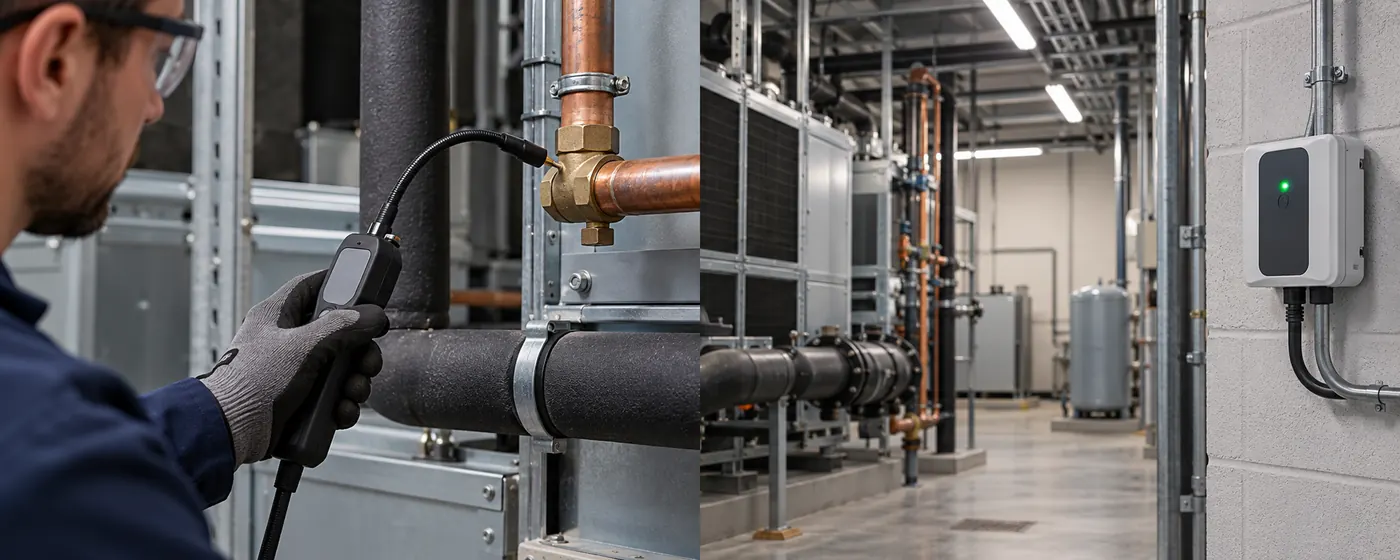
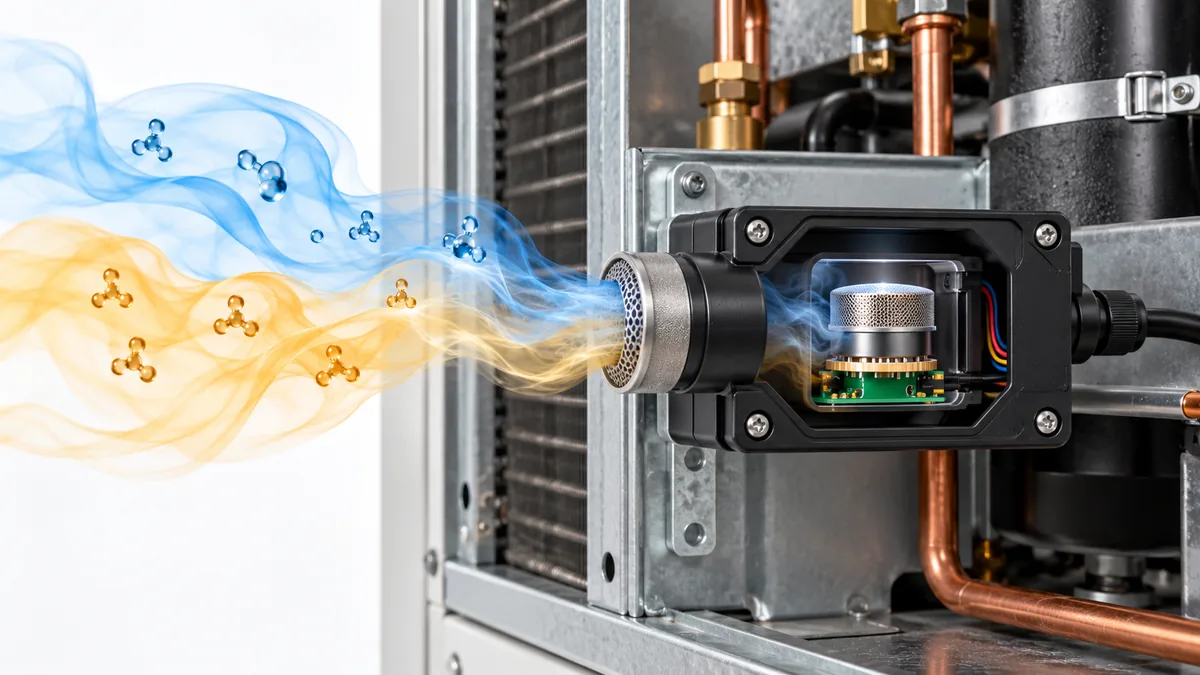
To effectively compare various refrigerants, we can organize the information into a table that outlines key attributes, advantages, and disadvantages. This comparison includes traditional refrigerants like CFCs and HCFCs, as well as modern alternatives such as HFCs, HFOs, and natural refrigerants.
| Refrigerant Type | Examples | ODP | GWP | Thermodynamic Properties | Advantages | Disadvantages |
|---|---|---|---|---|---|---|
| Chlorofluorocarbons (CFCs) | R-11, R-12 | High | Very High | Excellent cooling properties, stable | High efficiency, non-flammable, non-toxic | High ODP, high GWP, environmentally harmful |
| Hydrochlorofluorocarbons (HCFCs) | R-22, R-123 | Moderate | High | Good cooling properties, moderate stability | Lower ODP than CFCs, efficient | Still harmful to ozone, moderate GWP |
| Hydrofluorocarbons (HFCs) | R-134a, R-410A | None | High | Excellent cooling properties | Zero ODP, efficient | High GWP, contributes to global warming |
| Hydrofluoroolefins (HFOs) | R-1234yf, R-1234ze | None | Very Low | Good cooling properties, short atmospheric life | Low GWP, zero ODP, efficient, environmentally friendly | Flammability concerns, higher cost |
| Natural Refrigerants | Ammonia (R-717), CO2 (R-744), Propane (R-290), Isobutane (R-600a) | None | Very Low | Excellent cooling properties for specific applications | Low GWP, zero ODP, abundant, low cost | Toxicity (ammonia), flammability (hydrocarbons), high pressure (CO2) |
| Blends | R-404A, R-407C | None | High | Tailored properties for specific uses | Designed for specific applications, balanced properties | High GWP, complexity in handling and recycling |
In-Depth Analysis of Each Refrigerant Type
Chlorofluorocarbons (CFCs)
- Examples: R-11, R-12
- Advantages: CFCs are non-flammable and non-toxic, offering high efficiency and excellent stability in refrigeration applications.
- Disadvantages: The high ozone depletion potential (ODP) and very high global warming potential (GWP) led to the phase-out of CFCs under the Montreal Protocol due to their significant environmental impact.
Hydrochlorofluorocarbons (HCFCs)
- Examples: R-22, R-123
- Advantages: HCFCs were introduced as transitional substitutes for CFCs, offering lower ODP and maintaining good thermodynamic properties.
- Disadvantages: Although HCFCs have lower ODP compared to CFCs, they still pose environmental risks and are being phased out under international agreements due to their moderate GWP.
Hydrofluorocarbons (HFCs)
- Examples: R-134a, R-410A
- Advantages: HFCs have zero ODP and provide excellent cooling efficiency, making them popular in residential and commercial applications.
- Disadvantages: The high GWP of HFCs contributes significantly to global warming, leading to regulatory measures aimed at reducing their usage.
Hydrofluoroolefins (HFOs)
- Examples: R-1234yf, R-1234ze
- Advantages: HFOs have very low GWP and zero ODP, with short atmospheric lifespans, making them environmentally friendly alternatives to HFCs.
- Disadvantages: HFOs may have flammability issues and are generally more expensive than traditional refrigerants.
Natural Refrigerants
- Examples: Ammonia (R-717), CO2 (R-744), Propane (R-290), Isobutane (R-600a)
- Advantages: Natural refrigerants have low GWP and zero ODP, making them highly sustainable options. They are also abundant and cost-effective.
- Disadvantages: Each natural refrigerant has specific challenges: ammonia is toxic, hydrocarbons like propane and isobutane are flammable, and CO2 operates at high pressures.
Blends
- Examples: R-404A, R-407C
- Advantages: Refrigerant blends are formulated to achieve specific properties for different applications, balancing performance, safety, and environmental impact.
- Disadvantages: Blends often have high GWP and can be complex to handle and recycle, posing challenges in maintenance and end-of-life disposal.
Applications and Selection Criteria
When selecting a refrigerant for a particular application, several criteria must be considered:
- Efficiency Requirements: Higher efficiency refrigerants reduce energy consumption and operational costs.
- Safety Considerations: Non-toxic and non-flammable refrigerants are preferred for residential and commercial applications to ensure user safety.
- Environmental Impact: Refrigerants with low ODP and GWP are essential for compliance with environmental regulations and sustainability goals.
- System Compatibility: The refrigerant must be compatible with the system’s design and materials to ensure optimal performance and durability.
- Regulatory Compliance: Compliance with international and national regulations, such as the Montreal Protocol and Kigali Amendment, is critical in selecting an appropriate refrigerant.
More About: Applications of Refrigerants: An In-Depth Analysis
Future Trends in Refrigerant Technology
The refrigeration industry continues to evolve with a focus on sustainability, efficiency, and safety. Key future trends include:
- Adoption of Low-GWP Refrigerants: The transition to low-GWP refrigerants, such as HFOs and natural refrigerants, is accelerating due to regulatory pressures and environmental concerns.
- Development of Advanced Refrigerant Blends: Innovative blends are being developed to optimize performance while minimizing environmental impact and safety risks.
- Alternative Cooling Technologies: Research into alternative cooling methods, such as magnetic refrigeration and thermoelectric cooling, aims to reduce reliance on traditional refrigerants.
- Enhanced System Efficiency: Advances in system design and refrigerant properties are leading to more efficient cooling systems with lower energy consumption.
Conclusion
A good refrigerant balances performance, safety, and environmental considerations. The shift from CFCs and HCFCs to HFCs, HFOs, and natural refrigerants reflects the industry’s response to environmental challenges and regulatory mandates. Understanding the properties, advantages, and disadvantages of various refrigerants is crucial for designing and operating efficient, safe, and eco-friendly cooling systems. As the industry progresses, the continued development and adoption of sustainable refrigerants and innovative cooling technologies will shape the future of refrigeration and air conditioning.
Looking for reliable refrigerant suppliers from China ?
We offer end-to-end procurement solutions, handling everything from sourcing to shipping, ensuring you get the best products at competitive prices.
- [email protected]
- +86 18037022596
- 18037022596