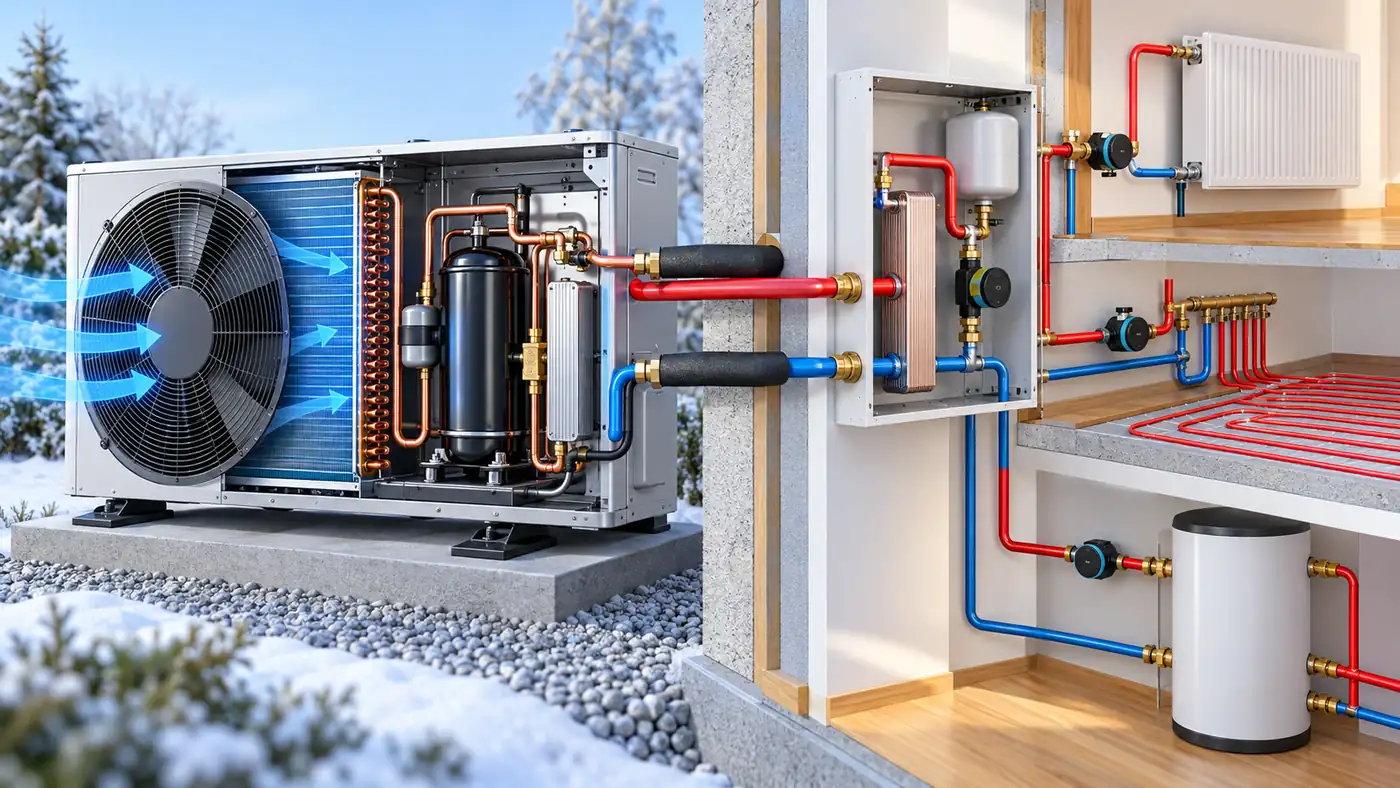
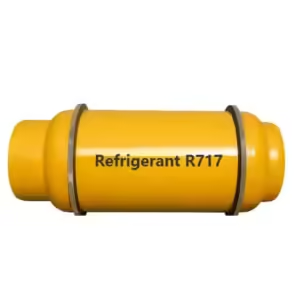
R-717 Refrigerant, commonly known as ammonia, is a natural refrigerant widely used in industrial refrigeration for over a century. Ammonia has gained popularity due to its low environmental impact, excellent energy efficiency, and zero global warming potential (GWP). It remains a top choice for facilities that require reliable and sustainable cooling solutions, such as food processing plants and cold storage warehouses.
What is R-717?

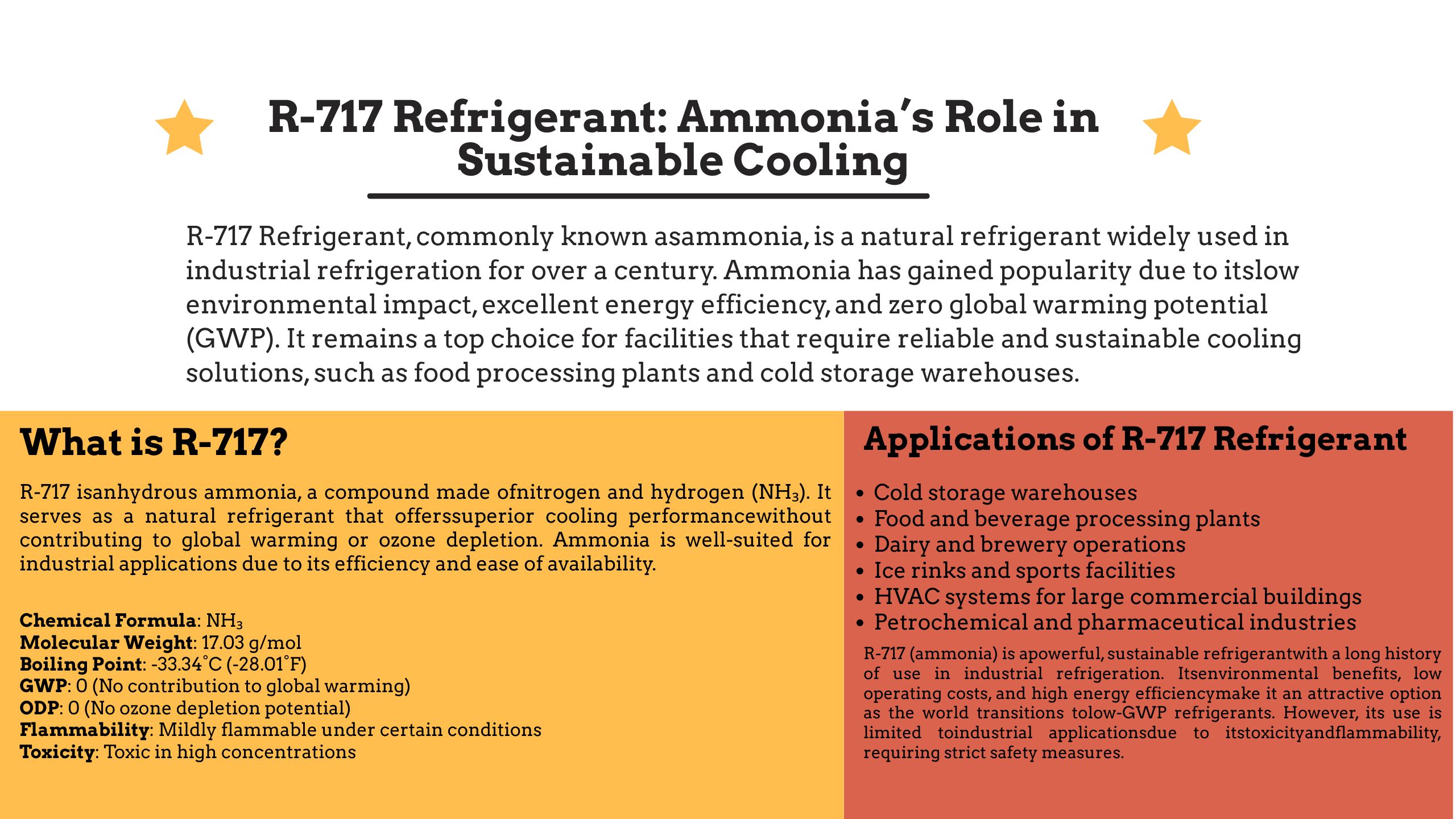
R-717 is anhydrous ammonia, a compound made of nitrogen and hydrogen (NH₃). It serves as a natural refrigerant that offers superior cooling performance without contributing to global warming or ozone depletion. Ammonia is well-suited for industrial applications due to its efficiency and ease of availability.
More About Refrigerant: Understanding Refrigerants: Types, Uses, and Environmental Impact

The History of Ammonia in Refrigeration
Ammonia has been used as a refrigerant since the 19th century, making it one of the oldest refrigerants in use today. It was the standard refrigerant in many applications until synthetic refrigerants like CFCs and HFCs became popular in the mid-20th century. However, with the phase-out of high-GWP refrigerants, ammonia is experiencing a revival in the search for sustainable cooling solutions.
Realted Read: Types of Refrigerants Explained: Everything You Need to Know
Key Properties of R-717
- Chemical Formula: NH₃
- Molecular Weight: 17.03 g/mol
- Boiling Point: -33.34°C (-28.01°F)
- GWP: 0 (No contribution to global warming)
- ODP: 0 (No ozone depletion potential)
- Flammability: Mildly flammable under certain conditions
- Toxicity: Toxic in high concentrations
Applications of R-717 Refrigerant
R-717 is primarily used in large-scale industrial refrigeration systems, including:
- Cold storage warehouses
- Food and beverage processing plants
- Dairy and brewery operations
- Ice rinks and sports facilities
- HVAC systems for large commercial buildings
- Petrochemical and pharmaceutical industries
Realted Read: Applications of Refrigerants: An In-Depth Analysis
R-717 vs. Synthetic Refrigerants
| Feature | R-717 (Ammonia) | R-410A | R-134a |
|---|---|---|---|
| GWP | 0 | 2088 | 1430 |
| ODP | 0 | 0 | 0 |
| Efficiency | High | Moderate | Good |
| Toxicity | Toxic | Non-toxic | Non-toxic |
| Flammability | Mildly flammable | Non-flammable | Non-flammable |
| Operating Cost | Low | Moderate | Moderate |
Comparative Analysis of Refrigerants, Properties, Advantages, and Disadvantages
Benefits of R-717
1. Environmentally Friendly
R-717 has a GWP of 0 and an ODP of 0, making it one of the most sustainable refrigerants available.
2. High Energy Efficiency
Ammonia offers superior energy efficiency, reducing the operational costs of refrigeration systems over time.
3. Readily Available and Affordable
R-717 is widely available and inexpensive to produce, making it a cost-effective option for industrial users.
4. Long-Term Solution
Due to its natural origin and minimal environmental impact, R-717 is likely to remain a preferred refrigerant well into the future.
Safety Considerations of R-717
While ammonia is highly efficient, it requires strict safety measures due to the following risks:
- Toxicity: Inhalation of ammonia in high concentrations can cause respiratory problems and pose serious health risks.
- Flammability: Ammonia is mildly flammable, especially in enclosed areas.
- Corrosiveness: R-717 can corrode copper and brass, requiring the use of specialized materials for system components.
- Pressure Regulation: High-pressure systems need safety relief valves to manage overpressure scenarios.
Challenges of Using R-717
1. Safety Regulations and Protocols
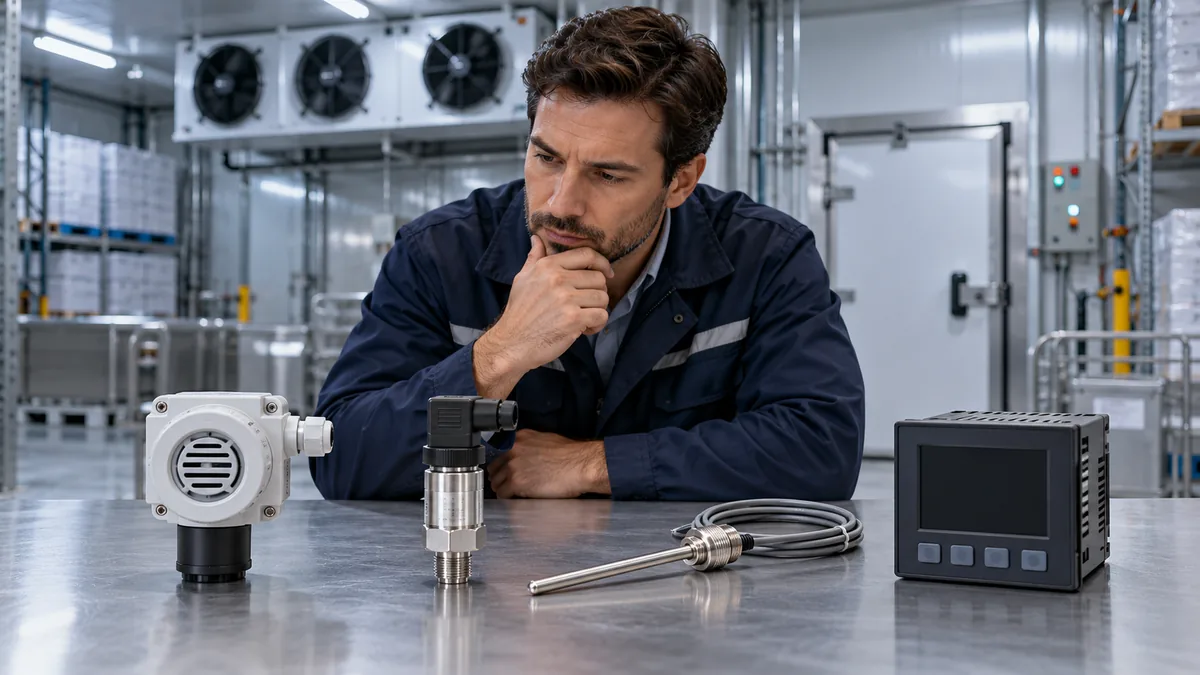
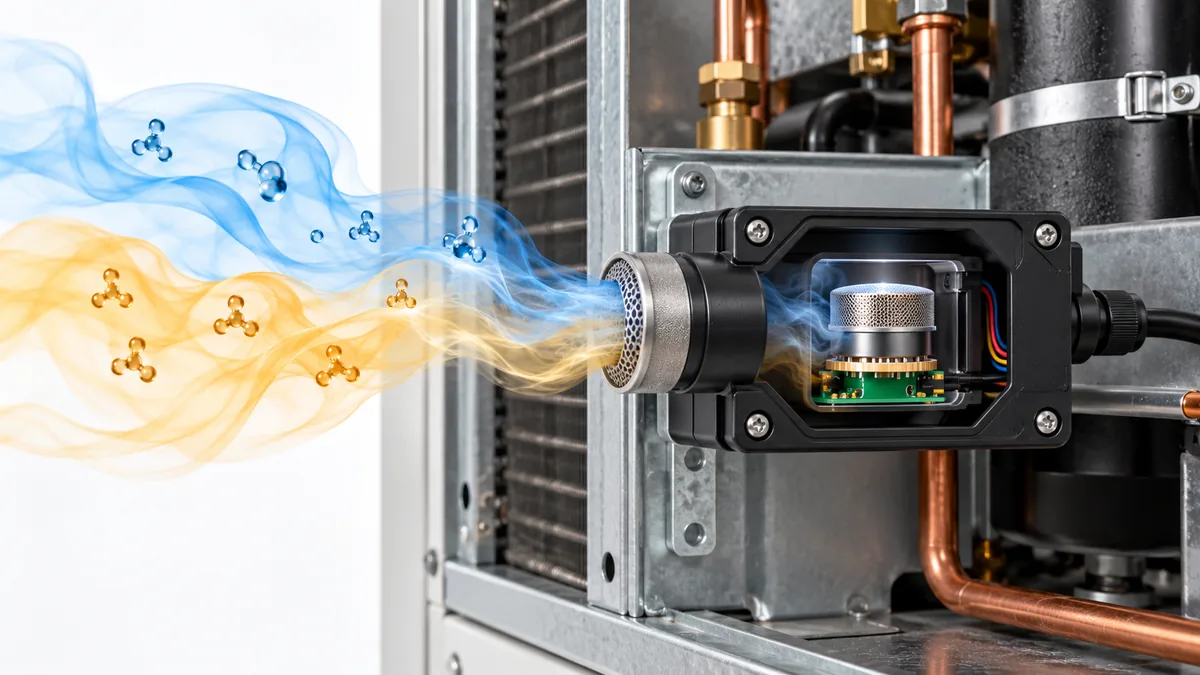
Because ammonia is toxic, operators must follow strict safety protocols, including monitoring systems and emergency ventilation.
2. Limited Use in Residential Settings
Due to safety concerns, R-717 is rarely used in household air conditioning systems and is primarily restricted to industrial environments.
3. Compatibility Issues
Ammonia is incompatible with certain metals like copper, which can limit its use in some HVAC and refrigeration systems.
Realted Read: What Makes a Good Refrigerant?
Global Regulations on R-717
Ammonia’s environmental benefits make it a preferred refrigerant under various global regulations:
- European Union F-Gas Regulation: Promotes natural refrigerants like ammonia to reduce greenhouse gas emissions.
- US EPA SNAP Program: Recognizes R-717 as a safe alternative in industrial and commercial refrigeration systems.
- Montreal Protocol and Kigali Amendment: Encourages countries to adopt natural refrigerants, including R-717, to achieve sustainable cooling solutions.
FAQs about R-717
Is R-717 refrigerant safe to use?
Yes, R-717 is safe to use if proper safety protocols are followed, including monitoring systems and emergency ventilation.
Can ammonia be used in residential air conditioning?
No, R-717 is not typically used in residential systems due to safety concerns and regulatory limitations.
What industries benefit the most from ammonia-based refrigeration?
Industries like food processing, cold storage, brewing, and petrochemical production benefit significantly from ammonia-based refrigeration systems.
How does R-717 compare to synthetic refrigerants?
R-717 is more energy-efficient and environmentally friendly but requires specialized equipment and safety protocols.
Future of R-717 in Refrigeration
With growing emphasis on natural refrigerants, R-717 is expected to see increased adoption in industrial and commercial settings. Advancements in safety technologies and system designs will likely address the challenges associated with ammonia, making it a more viable option in diverse applications.
Some emerging technologies, such as hybrid systems that combine R-717 with other refrigerants, aim to enhance performance while minimizing risks.
Conclusion
R-717 (ammonia) is a powerful, sustainable refrigerant with a long history of use in industrial refrigeration. Its environmental benefits, low operating costs, and high energy efficiency make it an attractive option as the world transitions to low-GWP refrigerants. However, its use is limited to industrial applications due to its toxicity and flammability, requiring strict safety measures.
As global regulations phase out synthetic refrigerants, R-717 will play a critical role in achieving sustainable cooling solutions across industries. With advancements in safety technologies and increasing awareness, ammonia-based systems are set to become even more prominent in the future.
Looking for reliable refrigerant suppliers from China ?
We offer end-to-end procurement solutions, handling everything from sourcing to shipping, ensuring you get the best products at competitive prices.
- [email protected]
- +86 18037022596
- 18037022596