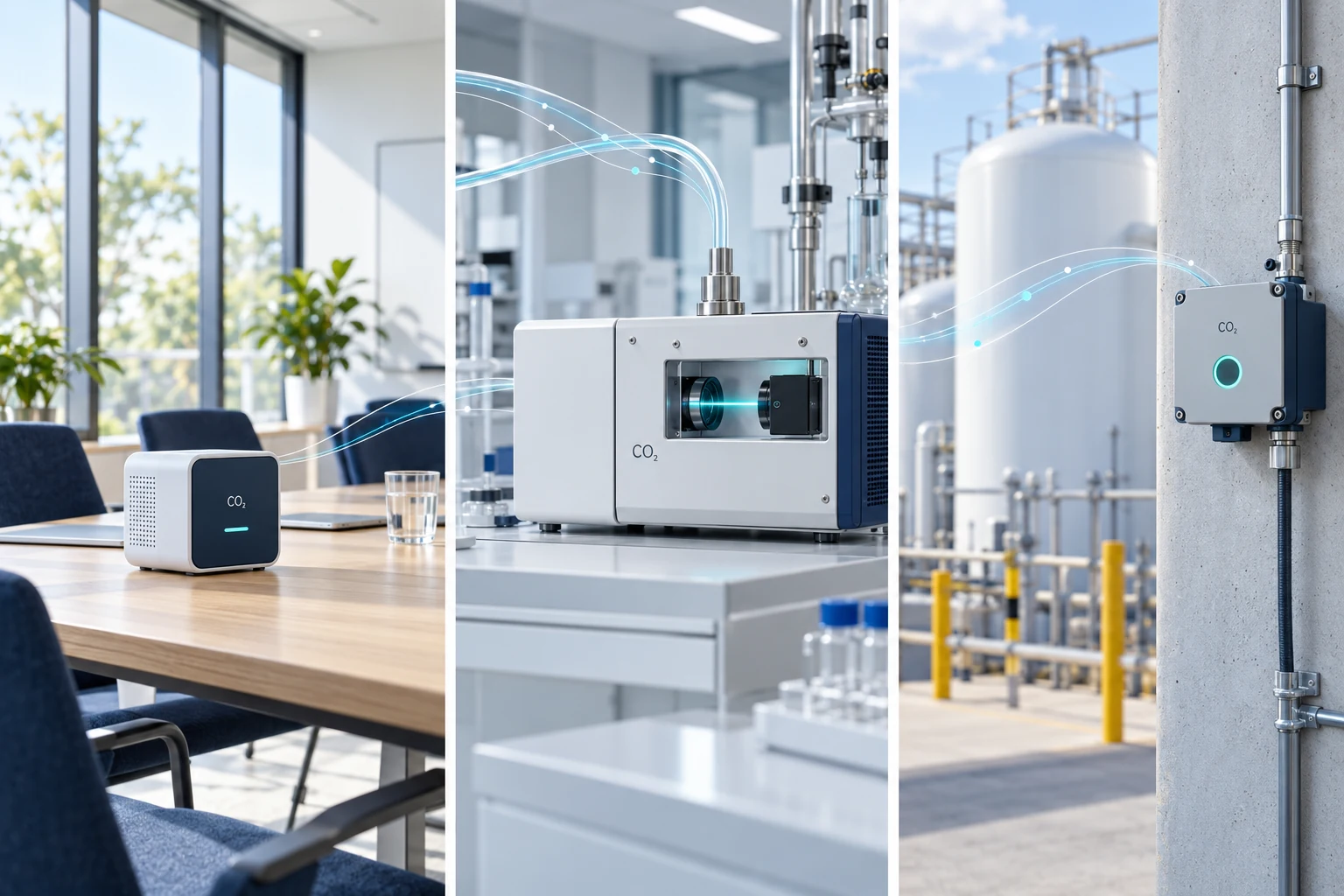
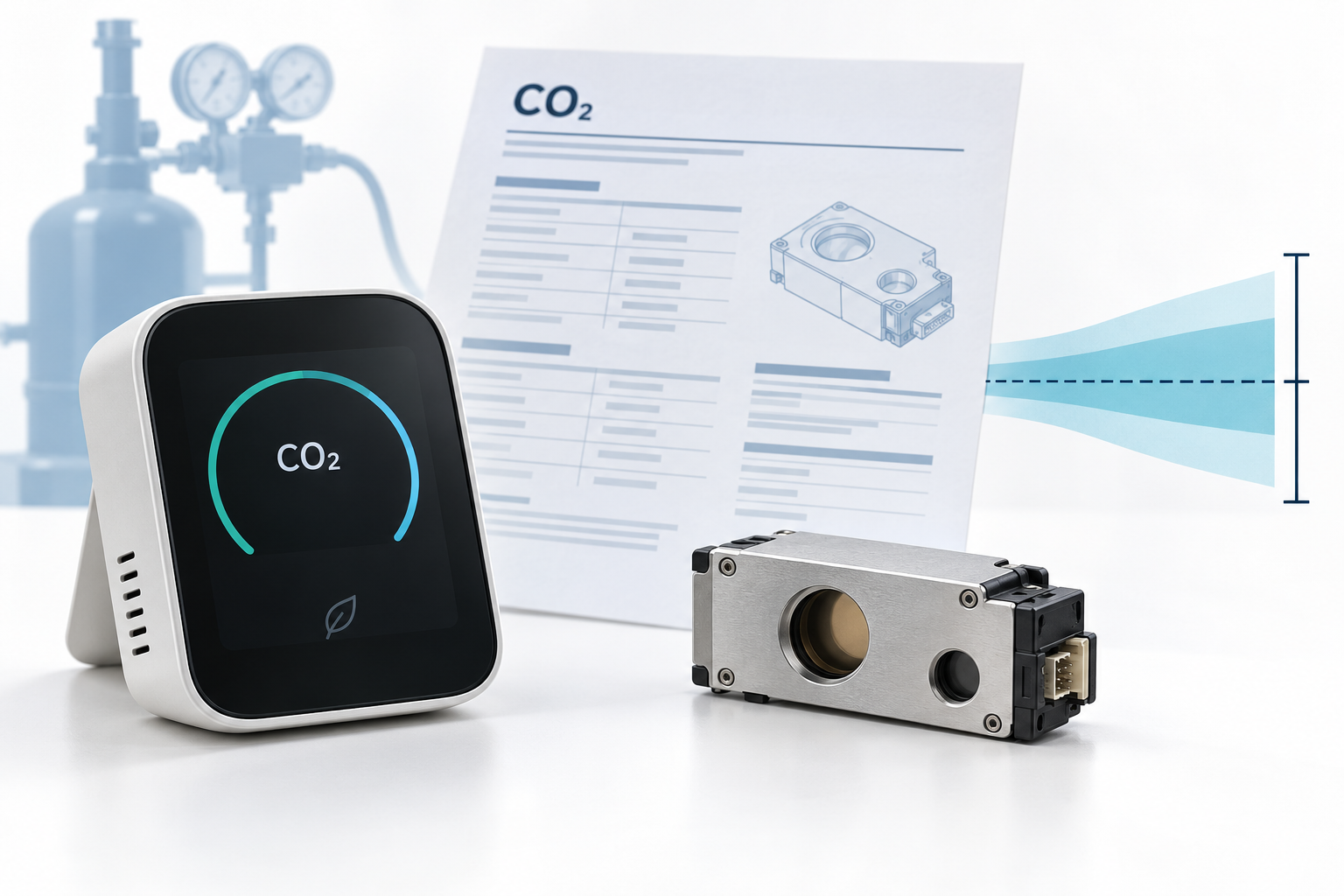
Tunable Diode Laser Absorption Spectroscopy (TDLAS) is a cutting-edge analytical technique that has gained significant attention in recent years for its precision, sensitivity, and ability to provide real-time, non-intrusive measurements of various gases and chemical compounds. This article delves into the principles, applications, advantages, challenges, and future prospects of TDLAS, highlighting its role in diverse scientific and industrial fields.
Introduction to TDLAS
Tunable Diode Laser Absorption Spectroscopy (TDLAS) is a technique used to measure the concentration of specific gases or chemical species in a sample by analyzing the absorption of light by the sample at different wavelengths. The core principle of TDLAS lies in the fact that each molecule absorbs light at specific wavelengths, and the absorption profile can be highly sensitive to the species present in a sample.
This technique employs a tunable diode laser that is capable of emitting light at a specific wavelength. The laser is tuned across a narrow spectral range, typically in the near-infrared or mid-infrared regions, corresponding to the absorption lines of the target gas molecules. As the laser light passes through the gas sample, some of the light is absorbed by the molecules, and the amount of light absorbed is directly related to the concentration of the target species.
The Principles of TDLAS
TDLAS operates on the principles of molecular absorption spectroscopy, particularly utilizing the interaction between a tunable diode laser and the gas molecules. The primary steps involved in TDLAS are:

1. Laser Source and Wavelength Tuning
A tunable diode laser is used as the light source in TDLAS. These lasers are capable of emitting light across a wide range of wavelengths, typically within the infrared spectrum. The laser’s wavelength can be precisely tuned, allowing it to match the specific absorption wavelengths of the target gas molecules. This tunability is a key feature that distinguishes TDLAS from other absorption techniques.
2. Absorption of Light by Gas Molecules
When the laser beam passes through the gas sample, the gas molecules selectively absorb light at their characteristic wavelengths. This absorption occurs when the energy of the laser photons corresponds to the energy difference between molecular energy levels of the target species. The intensity of light absorbed is proportional to the concentration of the gas and the path length through the sample.
3. Detection and Analysis
After the laser light passes through the sample, a detector measures the intensity of the transmitted light. The difference between the incident and transmitted light intensities is used to calculate the absorption. By scanning the laser wavelength across a range of absorption lines, a detailed absorption spectrum can be obtained, allowing for precise identification and quantification of the target gas species.
4. Beer-Lambert Law
The relationship between the concentration of the gas and the absorption of light is governed by the Beer-Lambert law. This law states that the absorption of light is directly proportional to the concentration of the absorbing species, the path length of the sample, and the absorption cross-section of the species at the specific wavelength. Mathematically, it is expressed as:
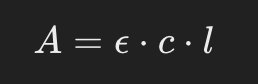
Where:
- A is the absorbance,
- ϵ is the molar absorption coefficient (also known as the absorption cross-section),
- c is the concentration of the gas species, and
- l is the path length of the light through the sample.
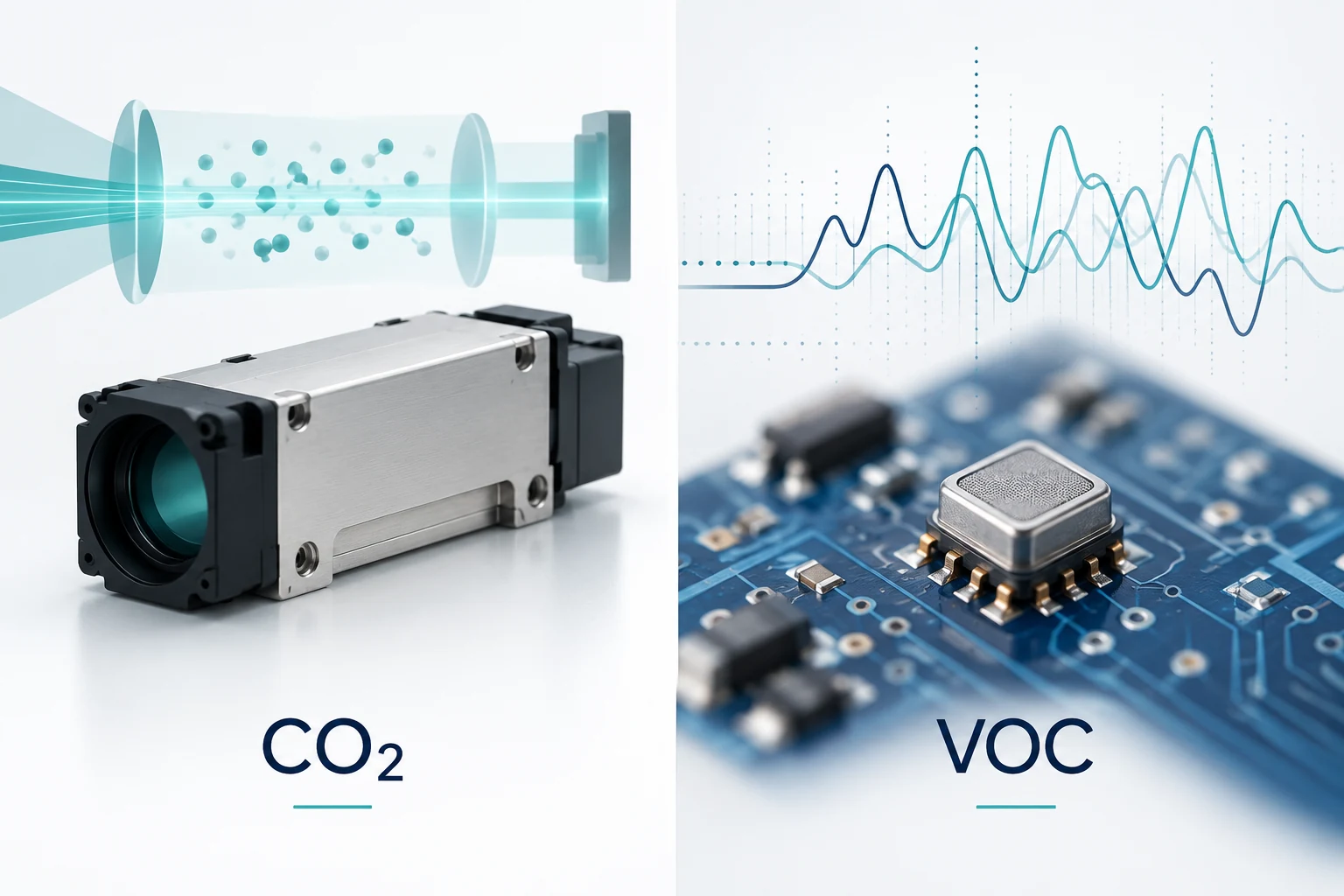
Development History of TDLAS: The Progressive Path Driven by Innovation
(I) Early Emergence and Foundation Building (1970s – 1980s)
The origin of TDLAS can be traced back to the rise of semiconductor laser technology. At that time, researchers began to explore the use of the wavelength tunable characteristics of diode lasers for gas spectroscopic analysis. The early systems were relatively simple and crude. The wavelength tuning range of the lasers was limited, the sensitivity of the detectors was poor, and the data processing ability was weak. They could only achieve preliminary measurements of a few gases under relatively high concentration conditions, but they outlined the prototype for subsequent development and started the journey from theoretical assumptions to practical applications.
(II) Rapid Development Period (1990s – Early 21st Century)
With the progress of materials science and optoelectronic technology, high-performance diode lasers came into being, with the tuning range greatly expanded and the stability significantly enhanced. Meanwhile, the innovation in photoelectric detection technology led to the appearance of new detectors such as avalanche photodiodes, which greatly improved the ability to capture optical signals. In the field of algorithms and data processing, advanced noise reduction and fitting algorithms were introduced. Coupled with the improvement in computer computing power, it became possible to accurately extract gas absorption information from complex light intensity signals, enabling the simultaneous analysis of multi-component gases and continuously breaking through the lower limit of concentration detection. TDLAS was widely applied in industrial exhaust gas monitoring, chemical process control, and other fields.
(III) Modern Frontier Breakthroughs (Since the 2010s)
Nowadays, TDLAS is moving towards miniaturization, integration, and intelligence. With the help of Micro-Electro-Mechanical System (MEMS) technology, lasers, detectors, microfluidic chips, and other components are integrated on a tiny chip, giving birth to portable, on-site rapid detection devices. For example, handheld gas analyzers are used for environmental emergency monitoring. The integration of fiber optic sensing technology enables long-distance and distributed gas detection. By laying a fiber optic network, the leakage of natural gas along long-distance pipelines can be monitored in real time. In addition, combined with artificial intelligence deep learning algorithms, the system can automatically optimize measurement parameters, identify complex environmental interferences, and adaptively conduct accurate measurements. It has expanded to emerging frontier fields such as biomedicine and deep space exploration, continuing to write a glorious chapter.
Advantages of TDLAS
TDLAS offers numerous advantages over traditional gas sensing techniques, making it an attractive choice for various applications. Some of the key benefits include:
1. High Sensitivity and Selectivity
One of the major strengths of TDLAS is its high sensitivity to low concentrations of gases. The narrow linewidth of the tunable diode laser allows for precise tuning to the absorption features of specific gases, ensuring excellent selectivity and minimal interference from other species in the sample.
2. Real-Time and In-Situ Measurement
TDLAS provides real-time, continuous monitoring of gas concentrations, making it ideal for in-situ measurements. This is particularly useful in applications where fast, dynamic changes in gas concentration need to be monitored, such as in environmental monitoring or industrial process control.
3. Non-Invasive and Non-Destructive
TDLAS is a non-invasive and non-destructive technique, meaning that it does not require physical contact with the sample or cause any alteration to the material being analyzed. This makes it ideal for monitoring gases in sensitive or hazardous environments.
4. High Precision and Resolution
The ability to tune the diode laser to very specific wavelengths allows for high spectral resolution, enabling precise identification and quantification of trace gases even in complex mixtures. This precision makes TDLAS particularly suitable for applications requiring high accuracy.
5. Minimal Calibration and Maintenance
Compared to other spectroscopic methods, TDLAS systems typically require less frequent calibration and maintenance. The stable and reliable performance of tunable diode lasers reduces the need for complex calibration procedures, making TDLAS a cost-effective choice for long-term monitoring.
Applications of TDLAS
TDLAS has found widespread application in a variety of fields due to its ability to detect trace gases with high sensitivity and specificity. Some of the key applications include:
1. Environmental Monitoring
TDLAS is extensively used in environmental monitoring to detect and quantify pollutants in the atmosphere, such as carbon dioxide (CO2), methane (CH4), nitrogen dioxide (NO2), and sulfur dioxide (SO2). It is also used to monitor air quality in urban areas, industrial zones, and remote locations, providing valuable data for climate change studies and regulatory compliance.
2. Industrial Process Control
In industrial applications, TDLAS is used to monitor gases in processes such as combustion, chemical production, and pollution control. It enables real-time monitoring of gas concentrations in exhaust gases, which is critical for ensuring product quality, optimizing efficiency, and reducing emissions.
3. Combustion Diagnostics
TDLAS is widely applied in combustion research and diagnostics, particularly in engines, furnaces, and industrial burners. By analyzing the absorption of specific gas species in the combustion products, TDLAS can provide insights into the combustion efficiency, fuel-to-air ratio, and pollutant formation.
4. Medical and Healthcare Applications
TDLAS is also used in medical applications, particularly in the monitoring of gases such as oxygen (O2) and carbon dioxide (CO2) in respiratory systems. It has applications in ventilators, anesthesia machines, and breath analysis systems, helping to monitor patients’ respiratory conditions and ensuring optimal treatment.
5. Atmospheric Research
TDLAS is employed in atmospheric research to study trace gases in the Earth’s atmosphere, including greenhouse gases, aerosols, and other volatile organic compounds (VOCs). This helps scientists better understand the composition of the atmosphere and the effects of human activity on global climate change.
Challenges and Limitations
While TDLAS offers numerous advantages, it also comes with certain challenges and limitations that need to be addressed for optimal performance:
Sensitivity to Environmental Factors
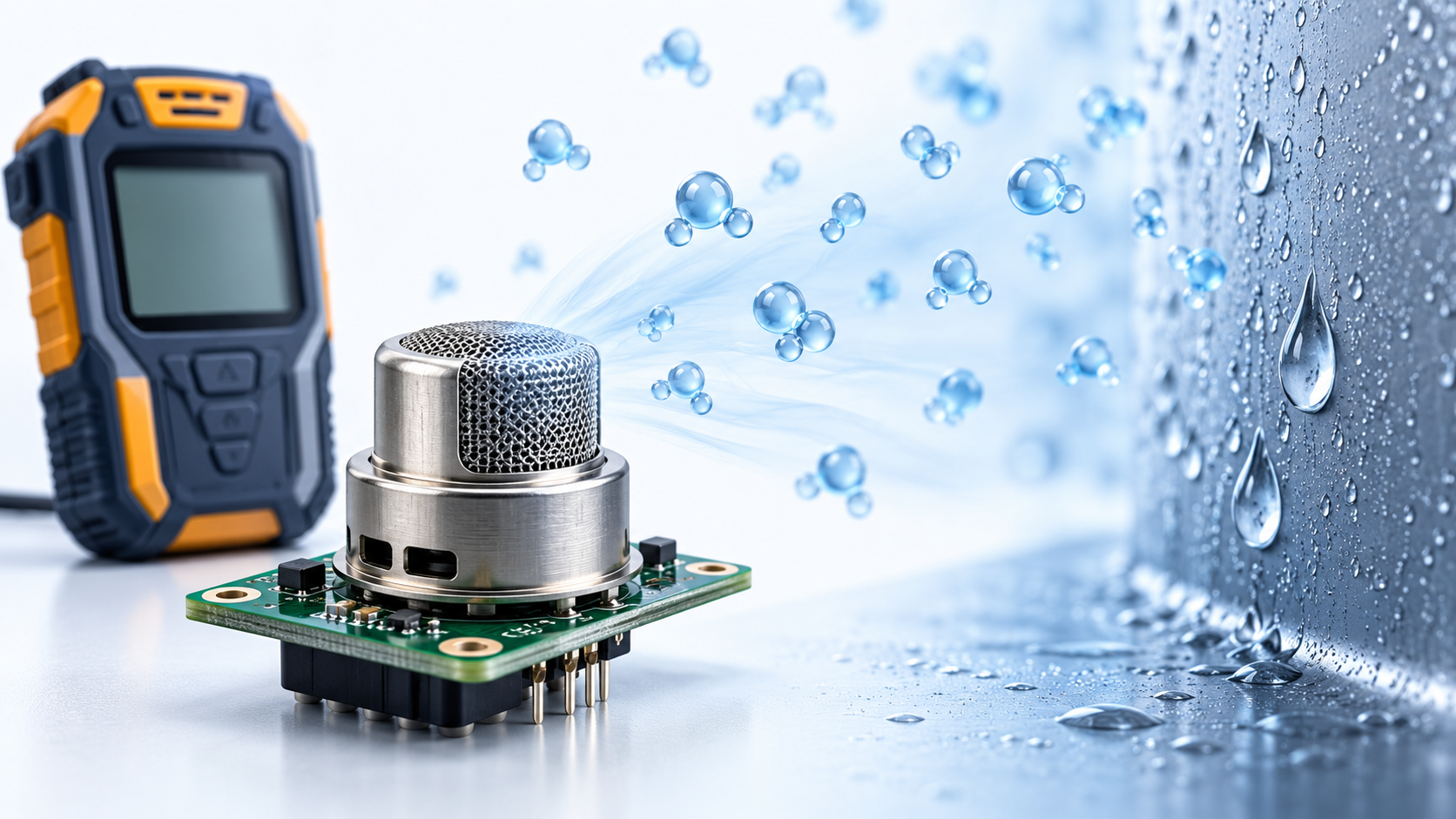
TDLAS measurements can be influenced by environmental factors such as temperature, pressure, and humidity. These factors can affect the absorption spectrum and introduce measurement errors, requiring careful calibration and compensation during measurements.
Limited Path Length
The effectiveness of TDLAS is often limited by the path length through which the laser light travels in the sample. In some applications, particularly in large-scale industrial processes, the path length may not be sufficient to achieve the required sensitivity, necessitating the use of longer optical paths or multipass cells.
Cost and Complexity
While TDLAS offers high performance, the technology can be expensive and technically complex. The lasers, detectors, and associated optics required for TDLAS systems can drive up the initial cost of installation and maintenance, limiting its use in some applications.
Interference from Other Gases
Although TDLAS is highly selective, interference from other gases in the sample can still occur, particularly when their absorption lines overlap with the target species. This requires careful selection of wavelengths and may involve advanced signal processing techniques to minimize interference.
Future Prospects of TDLAS
The future of TDLAS is promising, with ongoing advancements in laser technology, detectors, and signal processing algorithms. As tunable diode lasers become more compact, affordable, and efficient, TDLAS systems will likely become more accessible for a wide range of applications.
Miniaturization and Portability
Recent developments in laser and detector technology are enabling the miniaturization of TDLAS systems, making them more portable and easier to integrate into handheld devices. This will open up new opportunities for on-site gas analysis in fields like environmental monitoring, industrial safety, and medical diagnostics.
Enhanced Sensitivity and Resolution
Advancements in laser sources, detectors, and multiplexing techniques are expected to further enhance the sensitivity and resolution of TDLAS systems. This will allow for the detection of even lower concentrations of gases, opening up new possibilities for trace gas analysis in challenging environments.
Integration with Other Analytical Techniques
Future TDLAS systems may be integrated with other analytical techniques, such as mass spectrometry or gas chromatography, to provide more comprehensive and multi-dimensional analysis of complex gas mixtures.
Conclusion
Tunable Diode Laser Absorption Spectroscopy (TDLAS) represents a highly versatile and powerful analytical technique that has revolutionized gas sensing and molecular analysis. With its high sensitivity, selectivity, and real-time capabilities,