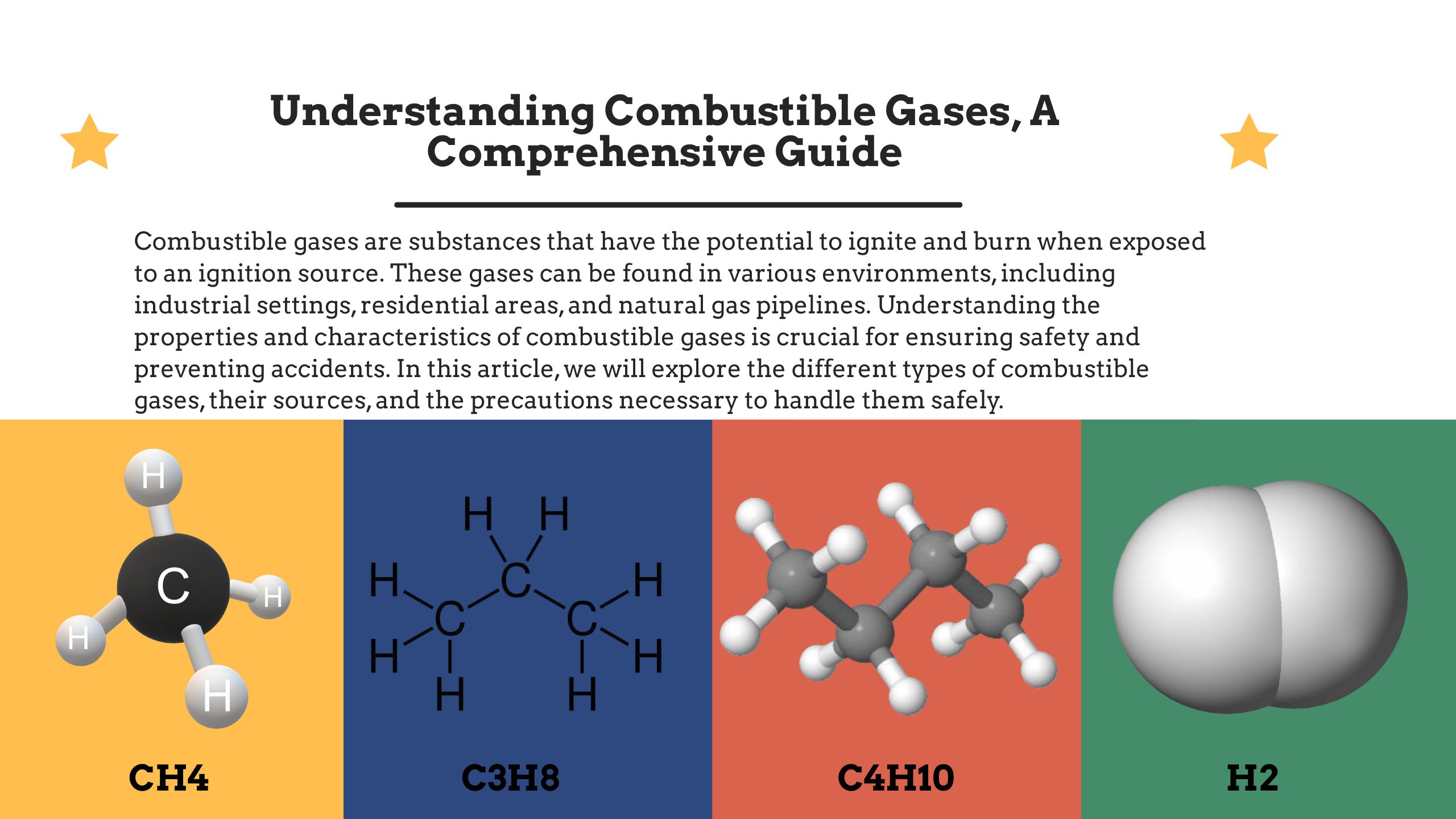
Combustible gases are substances that have the potential to ignite and burn when exposed to an ignition source, also known as Flammable gases. These gases can be found in various environments, including industrial settings, residential areas, and natural gas pipelines. Understanding the properties and characteristics of combustible gases is crucial for ensuring safety and preventing accidents. In this article, we will explore the different types of combustible gases, their sources, and the precautions necessary to handle them safely.

Types of Combustible Gases

Methane (CH4)
1200px Methane CH4

Methane is one of the most common combustible gases and is the primary component of natural gas. It is odorless and colorless, making it difficult to detect without specialized equipment. Methane is highly flammable and can form explosive mixtures when combined with air in the right proportions. It is commonly used for heating, cooking, and electricity generation.

Propane (C3H8)

01948e7a6cb78d7c9833ba4896c0ece3

Propane is another widely used combustible gas. It is a byproduct of natural gas processing and petroleum refining. Propane is commonly used as a fuel for heating, cooking, and powering vehicles. It is stored in pressurized tanks and can be easily ignited. Propane has a distinct odor, added intentionally for leak detection purposes.

Butane (C4H10)

2403d591418aef632025923d1481b538

Butane is a highly flammable gas commonly used as a fuel in lighters, camping stoves, and portable heaters. It is derived from natural gas processing and crude oil refining. Like propane, butane is stored in pressurized containers and can be easily ignited. It is important to handle and store butane with caution due to its flammability.

Hydrogen (H2)
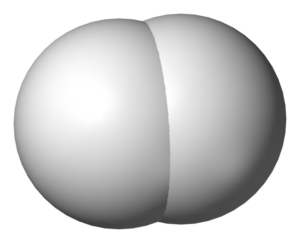
800px Dihydrogen 3D vdW

Hydrogen is a colorless, odorless, and highly flammable gas. It is the lightest element and can form explosive mixtures with air. Hydrogen is used in various industries, including chemical manufacturing, petroleum refining, and as a fuel for hydrogen-powered vehicles. Due to its high reactivity, hydrogen requires special handling and storage precautions.

Acetylene (C2H2)

ethyne 3

Acetylene is a highly flammable gas commonly used in welding and cutting operations. It is produced by the reaction of calcium carbide with water. Acetylene is stored in cylinders filled with a porous material to prevent decomposition. It is important to handle acetylene with care, as it is highly unstable and can undergo explosive decomposition under certain conditions.

Other Combustible Gases

In addition to the gases mentioned above, there are several other combustible gases that can pose a risk in certain environments. These include ethane, propylene, methane sulfide, and many more. Each gas has its own unique properties and safety considerations.


Sources of Combustible Gases

Combustible gases can originate from various sources, including:

  1. Natural Gas: Combustible gases such as methane and propane are commonly found in natural gas reserves. Natural gas is extracted from underground reservoirs and processed for distribution and use.
  2. Petroleum Refining: During the refining process, combustible gases like propane and butane are separated from crude oil. These gases are then used as fuels or further processed into other products.
  3. Industrial Processes: Many industrial processes, such as chemical manufacturing and petrochemical production, produce combustible gases as byproducts. These gases need to be properly handled and controlled to prevent accidents.
  4. Biogas: Biogas is produced through the decomposition of organic matter, such as agricultural waste, sewage, and landfill waste. It contains combustible gases like methane and carbon dioxide and can be used as a renewable energy source.
  5. Manufacturing and Storage Facilities: Certain manufacturing processes and storage facilities may generate or handle combustible gases as part of their operations. Proper safety measures and controls are necessary to prevent accidents and ensure worker safety.

How to Detect Combustible Gas?

Gas Detectors

Gas detectors are specialized devices designed to detect the presence of combustible gases in the air. These detectors work by measuring the concentration of gas particles or by sensing changes in specific properties of the gas. Here are some types of gas detectors commonly used for detecting combustible gases:

1. Catalytic Bead Sensors

Catalytic bead sensors are commonly used for detecting combustible gases such as methane, propane, and butane. These sensors consist of a catalytic element coated with a catalyst material. When combustible gas comes into contact with the sensor, it undergoes a chemical reaction that generates heat. This heat change is detected by the sensor, triggering an alarm.

2. Infrared (IR) Sensors

Infrared sensors are effective for detecting hydrocarbon gases such as methane and propane. These sensors work by emitting infrared light and measuring the absorption of the light by the gas molecules. Combustible gases absorb specific wavelengths of infrared light, allowing the sensor to detect their presence.

3. Semiconductor Sensors

Semiconductor sensors, also known as solid-state sensors, are commonly used for detecting a wide range of combustible gases. These sensors consist of a semiconductor material that reacts with the gas molecules, causing a change in electrical conductivity. The change in conductivity is measured by the sensor, indicating the presence of the gas.

More about Combustible Sensor: Enhancing Safety with Combustible Gas Sensors, Detection and Prevention of Flammable Gas Hazards

Odorant Detection

Some combustible gases, such as natural gas and propane, have odorants added to them to aid in leak detection. These odorants have distinct smells that are easily recognizable. If you detect a strong smell of rotten eggs or a pungent odor similar to that of a skunk, it may indicate a gas leak. In such cases, it is important to evacuate the area immediately and contact emergency services.

Precautions for Handling Combustible Gases

When working with or around combustible gases, it is essential to follow safety guidelines and take necessary precautions. Here are some key measures to consider:

  1. Ventilation: Ensure proper ventilation in areas where combustible gases are present to prevent the buildup of flammable concentrations. Adequate airflow helps disperse the gases and reduces the risk of ignition.
  2. Leak Detection: Regularly inspect and maintain gas lines, tanks, and equipment to detect and repair any leaks promptly. Use gas detectors or sensors to monitor gas concentrations and ensure early detection of leaks.
  3. Ignition Sources: Keep ignition sources, such as open flames, sparks, and electrical equipment, away from areas where combustible gases are present. Implement proper grounding and bonding techniques to prevent static electricity buildup.
  4. Storage and Handling: Store combustible gases in approved containers or cylinders designed for their safe storage. Follow proper handling procedures, including secure transportation, to minimize the risk of leaks or accidents.
  5. Training and Education: Provide comprehensive training to personnel who work with or around combustible gases. Ensure they are aware of the hazards, safety protocols, and emergency procedures associated with handling these gases.

Following these precautions, you can significantly reduce the risk of accidents and ensure the safe handling of combustible gases.

FAQ

Q1: What should I do if I detect a gas leak?

A1: If you detect a gas leak, immediately evacuate the area and call emergency services. Do not use any electrical devices, light switches, or open flames, as they can ignite the gas.

Q2: How can I detect a gas leak?

A2: Gas leaks can be detected by the smell of a distinct odorant added to gases like propane and natural gas. You can also use gas detectors or sensors that can detect the presence of combustible gases in the air.

Q3: Can combustible gases cause explosions?

A3: Yes, combustible gases can form explosive mixtures with air when they are present in the right proportions. Ignition sources, such as sparks or flames, can cause these mixtures to ignite and result in explosions.

Q4: Are combustible gases harmful to the environment?

A4: Combustible gases like methane contribute to greenhouse gas emissions, which can contribute to climate change. It is important to minimize leaks and ensure proper handling and disposal of these gases to reduce their environmental impact.

Q5: Can I use combustible gases for heating and cooking at home?

A5: Yes, combustible gases like natural gas, propane, and butane are commonly used for heating and cooking in residential areas. However, it is important to follow safety guidelines and ensure proper ventilation to prevent the buildup of flammable concentrations.

Conclusion

Combustible gases are substances that have the potential to ignite and burn when exposed to an ignition source. Methane, propane, butane, hydrogen, and acetylene are some of the common types of combustible gases. These gases can be found in various sources such as natural gas reserves, petroleum refining, and industrial processes. It is crucial to handle combustible gases with caution and follow safety precautions to prevent accidents. Regular maintenance, leak detection, proper storage, and employee training are essential for safe handling of combustible gases. By following these guidelines, you can ensure the safety of yourself, others, and the environment.

[post-views]

Leave a Reply

Your email address will not be published. Required fields are marked *