Introduction

In today’s industrial landscape, safety is of paramount importance. From manufacturing plants to chemical facilities, the presence of combustible gases poses a significant risk to both human life and property. To mitigate these risks, the use of combustible gas sensors has become essential. These sensors play a crucial role in detecting the presence of flammable gases in the environment, allowing for timely action to prevent accidents and ensure the safety of workers and facilities.

What is Combustible Gas Sensor

Combustible gas sensors, also known as flammable gas sensors, are electronic devices designed to detect the presence of combustible gases in the air. These gases include methane, propane, butane, hydrogen, and many others commonly found in industrial settings. The sensors work on the principle of catalytic combustion, infrared absorption, or semiconductor technology to detect the concentration of flammable gases in the surrounding atmosphere.

How Combustible Gas Sensors Work

Catalytic Combustion Sensors
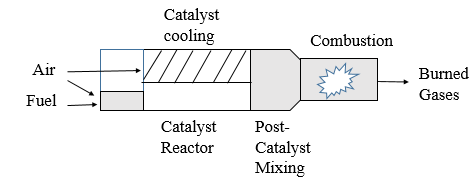
Catalytic Combustion

Catalytic combustion sensors are one of the most common types of combustible gas sensors. They consist of a catalytic bead coated with a catalyst material, typically platinum or palladium. When combustible gases come into contact with the catalytic bead, they undergo a chemical reaction, causing the temperature to rise. This increase in temperature is detected by the sensor, triggering an alarm or activating safety measures.

Infrared Absorption Sensors

IR sensor principle

Infrared absorption sensors use infrared light to detect the presence of combustible gases. These sensors emit infrared radiation, which is absorbed by the gas molecules in the air. The amount of absorption is directly proportional to the concentration of the gas. By measuring the decrease in the intensity of the emitted infrared light, the sensor can determine the presence and concentration of flammable gases.

Semiconductor Sensors
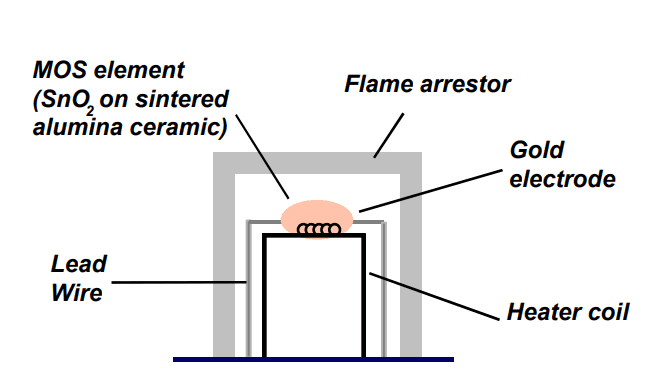
Metal
Semiconductor sensors utilize a semiconductor material, such as tin dioxide or metal oxide, to detect combustible gases. When the gas molecules come into contact with the semiconductor material, they cause a change in the electrical conductivity of the material. This change is measured by the sensor, providing information about the presence and concentration of flammable gases.

Laser-based Sensors
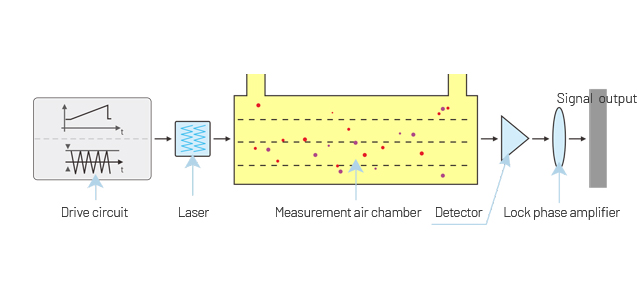
spectroscopy TDLAS
Laser-based sensors, specifically tunable diode laser absorption spectroscopy (TDLAS) sensors, operate based on the principle of absorption spectroscopy. A laser beam with a specific wavelength, typically in the infrared region, is emitted towards the target gas, which in this case is methane. Methane molecules absorb the laser light at their specific absorption wavelength, resulting in a decrease in the intensity of the laser beam.

The sensor then measures the intensity of the laser beam before and after interaction with the methane gas. By comparing the two intensities, the sensor can calculate the concentration of methane present in the environment. This technique allows for highly accurate and selective methane detection.

Combustible Gas Sensor Application

Industrial Settings

Combustible gas sensors are extensively used in industrial settings such as manufacturing plants, refineries, chemical plants, and warehouses. These sensors help in detecting leaks or the accumulation of combustible gases, allowing for timely intervention to prevent fires, explosions, or other accidents.

Residential and Commercial Buildings

Combustible gas sensors are essential in residential and commercial buildings where natural gas or propane is used for heating, cooking, or other purposes. These sensors provide early detection of gas leaks, enabling prompt action to mitigate risks and protect occupants.

Oil and Gas Industry

In the oil and gas industry, combustible gas sensors are vital for monitoring gas pipelines, storage tanks, and drilling operations. These sensors help in detecting leaks, ensuring the safety of workers and preventing environmental damage.

Mining Operations

Mining sites are often prone to the accumulation of combustible gases, such as methane. Combustible gas sensors are used to continuously monitor the gas levels in underground mines, providing early warning signs and allowing miners to take necessary precautions.

Laboratories

Laboratories that handle flammable gases or volatile chemicals rely on combustible gas sensors to maintain a safe working environment. These sensors help in detecting any leaks or releases of combustible gases, preventing potential accidents or chemical reactions.

Automotive Industry

Combustible gas sensors are utilized in the automotive industry to monitor the fuel system and detect any leaks or malfunctions. These sensors contribute to the overall safety and performance of vehicles by ensuring the proper functioning of the fuel system.

Waste Treatment Facilities

Waste treatment facilities, such as landfills and wastewater treatment plants, generate methane and other combustible gases as byproducts. Combustible gas sensors are used to monitor these facilities and detect any gas leaks or potential hazards.

HVAC Systems

Combustible gas sensors are integrated into heating, ventilation, and air conditioning (HVAC) systems to detect gas leaks from natural gas or propane furnaces. This helps in maintaining a safe indoor environment and preventing the risk of gas-related incidents.

Fire and Rescue Services

Combustible gas sensors are utilized by fire and rescue services during emergency response operations. These sensors assist in identifying the presence of combustible gases in hazardous situations, guiding firefighters and rescue personnel to take appropriate measures.

Environmental Monitoring

Combustible gas sensors are employed in environmental monitoring systems to detect and measure the levels of combustible gases in the atmosphere. This data helps in assessing air quality, identifying pollution sources, and implementing necessary measures for environmental protection.

Importance of Combustible Gas Sensors

Ensuring Worker Safety

In hazardous environments where combustible gases are present, the safety of workers is of utmost importance. Combustible gas sensors act as an early warning system, alerting workers to the presence of flammable gases before they reach dangerous levels. This allows workers to take immediate action, such as evacuating the area or shutting down equipment, to prevent accidents and potential harm.

Preventing Explosions and Fires

The presence of combustible gases in high concentrations can lead to explosions and fires, causing significant damage to property and endangering lives. Combustible gas sensors play a vital role in preventing such incidents by continuously monitoring the gas levels and triggering alarms or safety measures when the concentration exceeds the safe threshold. This enables prompt intervention and minimizes the risk of explosions and fires.

Compliance with Safety Regulations

In many industries, compliance with safety regulations is mandatory. Combustible gas sensors are often a requirement in these regulations to ensure the safety of workers and facilities. By installing and maintaining these sensors, companies demonstrate their commitment to creating a safe working environment and avoid potential legal consequences.

Choosing the Right Combustible Gas Sensor

When selecting a combustible gas sensor, several factors should be considered:

  1. Sensitivity: The sensor should be capable of detecting low levels of flammable gases to provide early warning.
  2. Response Time: The sensor should have a fast response time to quickly detect changes in gas concentrations.
  3. Accuracy: The sensor should provide accurate readings to ensure reliable detection of combustible gases.
  4. Maintenance: Consider the maintenance requirements of the sensor, such as calibration and sensor replacement.
  5. Environmental Conditions: Assess the operating conditions, such as temperature and humidity, to choose a sensor suitable for the environment.

More About How to Choose Combustible Gas Sensor: Comparing Methane Sensors: Catalytic Bead, Infrared, Semiconductor, and Laser-based Sensors

Frequently Asked Questions (FAQ)

Q1: Are combustible gas sensors only used in industrial settings?

A1: While combustible gas sensors are commonly used in industrial settings, they can also be found in residential and commercial environments where natural gas or propane is used for heating or cooking.

Q2: Can combustible gas sensors detect all types of flammable gases?

A2: Different sensors are designed to detect specific types of flammable gases. It is essential to choose a sensor that is compatible with the gases present in the environment.

Q3: How often should combustible gas sensors be calibrated?

A3: Calibration frequency depends on various factors, including the sensor manufacturer’s recommendations and the specific industry regulations. Typically, calibration is performed annually or as specified by the manufacturer.

Q4: Can combustible gas sensors be used in explosive atmospheres?

A4: Yes, there are combustible gas sensors specifically designed for use in explosive atmospheres, such as those classified as hazardous locations. These sensors are built to meet the stringent safety standards and regulations for such environments.

Q5: Can combustible gas sensors be integrated with other safety systems?

A5: Yes, combustible gas sensors can be integrated with other safety systems, such as fire alarm systems and building automation systems. This integration allows for centralized monitoring and control of safety measures.

Conclusion

Combustible gas sensors play a crucial role in ensuring safety in hazardous environments. By detecting the presence of flammable gases and providing early warning, these sensors help prevent accidents, protect workers, and minimize the risk of explosions and fires. Choosing the right sensor and maintaining it properly is essential for reliable and accurate gas detection. With the advancements in sensor technology, the future holds even more sophisticated and efficient solutions to enhance safety in industrial settings.

Remember, safety should always be the top priority, and investing in reliable combustible gas sensors is a step towards creating a secure working environment.

[post-views]

Leave a Reply

Your email address will not be published. Required fields are marked *