1. Introduction

Chlorine (Cl₂) is a greenish-yellow diatomic gas that is one of the most widely used chemicals in industry and water treatment. With a strong, pungent odor and powerful oxidizing properties, chlorine is essential for disinfection, chemical manufacturing, and sanitation. However, it is also a highly toxic and reactive gas that poses serious health and environmental risks if not properly handled.

This article explores the chemical properties, applications, hazards, safety measures, and modern detection technologies related to chlorine.

2. Basic Chemical Properties
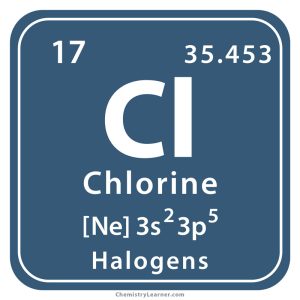
Chlorine Symbol

PropertyValue
Chemical FormulaCl₂
Molecular Weight70.90 g/mol
AppearanceGreenish-yellow gas
OdorPungent, irritating
Melting Point-101.5 °C (-150.7 °F)
Boiling Point-34.04 °C (-29.27 °F)
Density (gas)3.21 g/L at 0°C
Solubility in WaterModerately soluble, forms hypochlorous acid (HOCl)
Oxidation States0 (in Cl₂ molecule), -1, +1 to +7 (in compounds)

Chlorine is a halogen, found in Group 17 of the periodic table. In its elemental form, it exists as a diatomic molecule (Cl₂), making it a highly reactive oxidizing agent.


3. Natural Occurrence and Production

Chlorine does not occur freely in nature due to its reactivity. It is mostly found in compounds, particularly chloride salts such as sodium chloride (NaCl), or table salt.

3.1 Industrial Production

Chlorine is produced primarily via electrolysis of brine (saltwater), in processes like:

  • Membrane cell process (most widely used today)
  • Diaphragm cell process
  • Mercury cell process (being phased out due to toxicity concerns)

3.2 Global Production

Billions of kilograms of chlorine are produced each year, particularly in industrialized nations, for chemical synthesis, water treatment, and manufacturing.

4. Chemical Behavior and Reactivity

Chlorine is a strong oxidizer, making it highly reactive with most elements and organic compounds.

4.1 Reaction with Water

Cl2+H2OHCl+HOCl

This reaction produces hydrochloric acid (HCl) and hypochlorous acid (HOCl), which are responsible for chlorine’s disinfectant properties.

4.2 Reaction with Metals

Chlorine reacts with metals to form metal chlorides, often exothermically.

4.3 Organic Chemistry

Chlorine is used in the production of:

  • Chlorinated hydrocarbons
  • Solvents (e.g., chloroform)
  • Plastics (e.g., PVC – polyvinyl chloride)

5. Industrial and Commercial Applications

Chlorine is indispensable in many sectors:

5.1 Water Treatment

  • Disinfection of drinking water and wastewater
  • Control of pathogens such as bacteria and viruses
  • Used in swimming pools and spas

5.2 Chemical Manufacturing

  • Production of PVC plastic
  • Manufacture of solvents, pesticides, and pharmaceuticals
  • Involved in creating chlorinated rubber, refrigerants, and cleaning agents

5.3 Pulp and Paper Industry

  • Chlorine dioxide (ClO₂), a derivative, is used for bleaching wood pulp.

5.4 Textiles and Dyes

  • Chlorine is used to bleach fabrics and as a reactant in dye manufacturing.

5.5 Food Industry

  • Disinfection of food contact surfaces
  • Washing of fruits and vegetables (chlorinated water)

6. Health Hazards and Toxicity

Despite its usefulness, chlorine gas is extremely toxic to humans.

6.1 Exposure Limits

  • OSHA PEL: 1 ppm (TWA)
  • NIOSH IDLH: 10 ppm
  • ACGIH TLV: 0.5 ppm (TWA), 1 ppm (STEL)

6.2 Acute Health Effects

  • Inhalation: Causes coughing, throat irritation, and chest tightness
  • Eye exposure: Severe irritation or damage
  • Skin contact: Can cause burns or rashes
  • High exposure: Pulmonary edema, respiratory failure, and death

6.3 Chronic Exposure

  • Bronchitis
  • Asthma-like symptoms
  • Long-term respiratory damage

6.4 Historical Use

Chlorine was infamously used as a chemical weapon during World War I.

7. Environmental Impact

Chlorine is harmful to the environment when released improperly.

7.1 Aquatic Toxicity

Chlorine can kill fish, amphibians, and aquatic plants even at low concentrations.

7.2 Ozone Layer

While elemental chlorine from industrial use is managed, certain chlorinated compounds (like CFCs) release chlorine radicals that destroy ozone in the stratosphere.

7.3 Regulations

Strict regulations exist regarding chlorine storage, transport, and emissions, including:

  • EPA Clean Air Act
  • REACH (EU)
  • UN transport regulations for hazardous goods

8. Chlorine Detection and Monitoring

Monitoring chlorine levels is critical in industrial and environmental settings to ensure safety and compliance.

8.1 Detection Technologies

  • Electrochemical Sensors
    • Portable and fixed gas detectors
    • Fast response and high sensitivity
  • Colorimetric Tubes
    • Simple, manual sampling
    • Suitable for emergency response
  • Photometric Analyzers
    • Used in water treatment facilities
    • Detect free and total chlorine in water
  • Infrared Spectroscopy (IR)
    • Less common for Cl₂, but used in research

8.2 Sensor Selection Considerations

9. Chlorine Storage and Transportation

Chlorine gas is compressed and stored in steel cylinders or rail tank cars under pressure.

9.1 Safety Measures

  • Leak detection systems
  • Proper ventilation
  • Secondary containment systems
  • Emergency shutdown valves

9.2 Handling Guidelines

  • Trained personnel only
  • Full PPE: gas mask with chlorine filters, gloves, goggles
  • Avoid heat and incompatible substances

10. Emergency Response and First Aid

10.1 Inhalation

  • Move victim to fresh air immediately
  • Administer oxygen if breathing is difficult
  • Seek medical attention

10.2 Eye or Skin Contact

  • Flush with water for at least 15 minutes
  • Remove contaminated clothing
  • Consult a doctor

10.3 Spills and Leaks

  • Evacuate area
  • Ventilate the space
  • Use scrubbers or neutralizers (e.g., sodium thiosulfate)

11. Alternatives to Chlorine Disinfection

Due to health and environmental concerns, some sectors are adopting chlorine alternatives, such as:

  • Ozone (O₃) – Stronger oxidizer, breaks down quickly
  • Ultraviolet (UV) Radiation – Effective for microbial inactivation
  • Chloramines – More stable in water systems

However, chlorine remains dominant due to its cost-effectiveness and proven efficacy.

12. Conclusion

Chlorine (Cl₂) is a versatile and indispensable chemical that plays a critical role in sanitation, manufacturing, and public health. Its effectiveness as a disinfectant and reactant is balanced by its high toxicity and reactivity, necessitating careful handling, monitoring, and regulation.

With growing environmental and health concerns, industries continue to improve chlorine management systems and explore safer alternatives. However, due to its unparalleled utility, chlorine is likely to remain a cornerstone of modern industry and infrastructure for the foreseeable future.


13. References

  • U.S. Environmental Protection Agency (EPA)
  • Occupational Safety and Health Administration (OSHA)
  • Centers for Disease Control and Prevention (CDC)
  • World Health Organization (WHO)
  • International Program on Chemical Safety (IPCS)
[post-views]

Leave a Reply

Your email address will not be published. Required fields are marked *