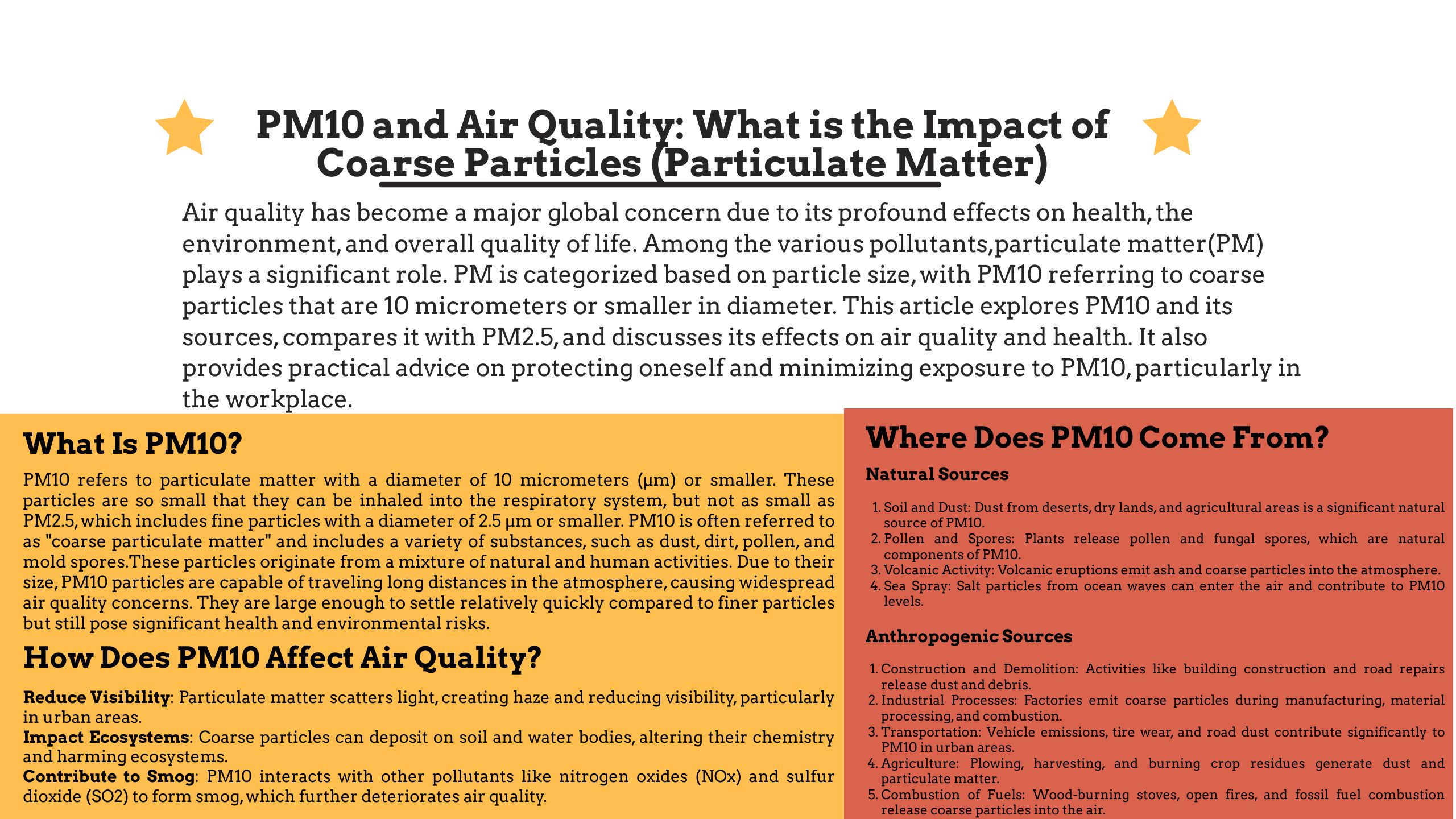

Air quality has become a major global concern due to its profound effects on health, the environment, and overall quality of life. Among the various pollutants, particulate matter (PM) plays a significant role. PM is categorized based on particle size, with PM10 referring to coarse particles that are 10 micrometers or smaller in diameter. This article explores PM10 and its sources, compares it with PM2.5, and discusses its effects on air quality and health. It also provides practical advice on protecting oneself and minimizing exposure to PM10, particularly in the workplace.

What Is PM10?

PM10 refers to particulate matter with a diameter of 10 micrometers (µm) or smaller. These particles are so small that they can be inhaled into the respiratory system, but not as small as PM2.5, which includes fine particles with a diameter of 2.5 µm or smaller. PM10 is often referred to as “coarse particulate matter” and includes a variety of substances, such as dust, dirt, pollen, and mold spores.

These particles originate from a mixture of natural and human activities. Due to their size, PM10 particles are capable of traveling long distances in the atmosphere, causing widespread air quality concerns. They are large enough to settle relatively quickly compared to finer particles but still pose significant health and environmental risks.

Where Does PM10 Come From?

PM10 originates from both natural and anthropogenic (human-made) sources. The following are the main contributors to PM10 pollution:

Natural Sources

  1. Soil and Dust: Dust from deserts, dry lands, and agricultural areas is a significant natural source of PM10.
  2. Pollen and Spores: Plants release pollen and fungal spores, which are natural components of PM10.
  3. Volcanic Activity: Volcanic eruptions emit ash and coarse particles into the atmosphere.
  4. Sea Spray: Salt particles from ocean waves can enter the air and contribute to PM10 levels.

Anthropogenic Sources

  1. Construction and Demolition: Activities like building construction and road repairs release dust and debris.
  2. Industrial Processes: Factories emit coarse particles during manufacturing, material processing, and combustion.
  3. Transportation: Vehicle emissions, tire wear, and road dust contribute significantly to PM10 in urban areas.
  4. Agriculture: Plowing, harvesting, and burning crop residues generate dust and particulate matter.
  5. Combustion of Fuels: Wood-burning stoves, open fires, and fossil fuel combustion release coarse particles into the air.

PM10 vs. PM2.5

Both PM10 and PM2.5 are subsets of particulate matter and are key components of air pollution, but they differ significantly in size, behavior, and health impacts.

Size and Composition

  • PM10: Coarse particles with diameters between 2.5 µm and 10 µm. Common sources include dust, pollen, and sea spray.
  • PM2.5: Fine particles with diameters of 2.5 µm or smaller. They often originate from combustion processes, such as vehicle exhaust and industrial emissions.

Behavior in the Atmosphere

  • PM10 particles are heavier and settle more quickly than PM2.5. They tend to remain close to their sources.
  • PM2.5 particles are lighter, can stay suspended in the air for longer periods, and travel further distances.

Health Impacts

  • PM10 particles primarily affect the upper respiratory system, causing irritation and triggering conditions like asthma and bronchitis.
  • PM2.5 particles penetrate deeper into the lungs and bloodstream, leading to severe health issues such as cardiovascular diseases and cancer.

While both contribute to air pollution, PM2.5 is generally considered more hazardous to human health due to its ability to reach and damage internal organs.

What is the Difference Between PM10 and PM2.5

Health Effects of PM10

PM10 poses significant risks to human health due to its ability to penetrate the respiratory system. The health impacts depend on the size, composition, and concentration of the particles, as well as the duration of exposure.

Respiratory Effects

  • Irritation: Exposure to PM10 can cause throat and lung irritation, leading to coughing, sneezing, and shortness of breath.
  • Asthma and Bronchitis: PM10 can exacerbate asthma and chronic bronchitis, particularly in children and the elderly.
  • Reduced Lung Function: Prolonged exposure can impair lung development in children and reduce lung capacity in adults.

Cardiovascular Effects

  • Heart Disease: PM10 exposure has been linked to an increased risk of heart attacks and arrhythmias.
  • Hypertension: Fine particles can affect blood pressure regulation, posing risks to individuals with pre-existing conditions.

Chronic Diseases

Long-term exposure to PM10 is associated with:

  • Lung Cancer: Certain compounds in PM10, like polycyclic aromatic hydrocarbons (PAHs), are carcinogenic.
  • Chronic Obstructive Pulmonary Disease (COPD): Prolonged inhalation of particulates can lead to irreversible lung damage.

Vulnerable Populations

The most vulnerable groups include:

  • Children, whose lungs are still developing.
  • Elderly individuals with weakened immune systems.
  • Individuals with pre-existing respiratory or cardiovascular conditions.

How Does PM10 Affect Air Quality?

PM10 is a major component of air quality indices (AQI) used to monitor and report air pollution. High concentrations of PM10 can:

  1. Reduce Visibility: Particulate matter scatters light, creating haze and reducing visibility, particularly in urban areas.
  2. Impact Ecosystems: Coarse particles can deposit on soil and water bodies, altering their chemistry and harming ecosystems.
  3. Contribute to Smog: PM10 interacts with other pollutants like nitrogen oxides (NOx) and sulfur dioxide (SO2) to form smog, which further deteriorates air quality.

Air quality standards set by organizations like the World Health Organization (WHO) and Environmental Protection Agencies (EPA) often include limits for PM10 to safeguard public health.

What PM10 Level Is Considered Healthy?

PM10 levels are measured in micrograms per cubic meter of air (µg/m³). Various health and environmental organizations provide guidelines for acceptable PM10 levels:

  • World Health Organization (WHO): Recommends a daily average PM10 concentration not exceeding 50 µg/m³.
  • EPA Air Quality Index (AQI): Considers PM10 levels below 54 µg/m³ to be “Good” or “Moderate,” while levels above 150 µg/m³ are deemed “Unhealthy.”

Exposure to PM10 concentrations above these limits can lead to immediate health effects, especially for vulnerable populations such as children, the elderly, and individuals with pre-existing respiratory conditions.

How To Protect Yourself From PM10

Individuals can take proactive steps to minimize exposure to PM10, particularly during periods of high air pollution:

1. Monitor Air Quality

  • Use air quality apps or websites to stay informed about PM10 levels in your area.
  • Avoid outdoor activities when PM10 levels are high, especially strenuous exercises that increase breathing rates.

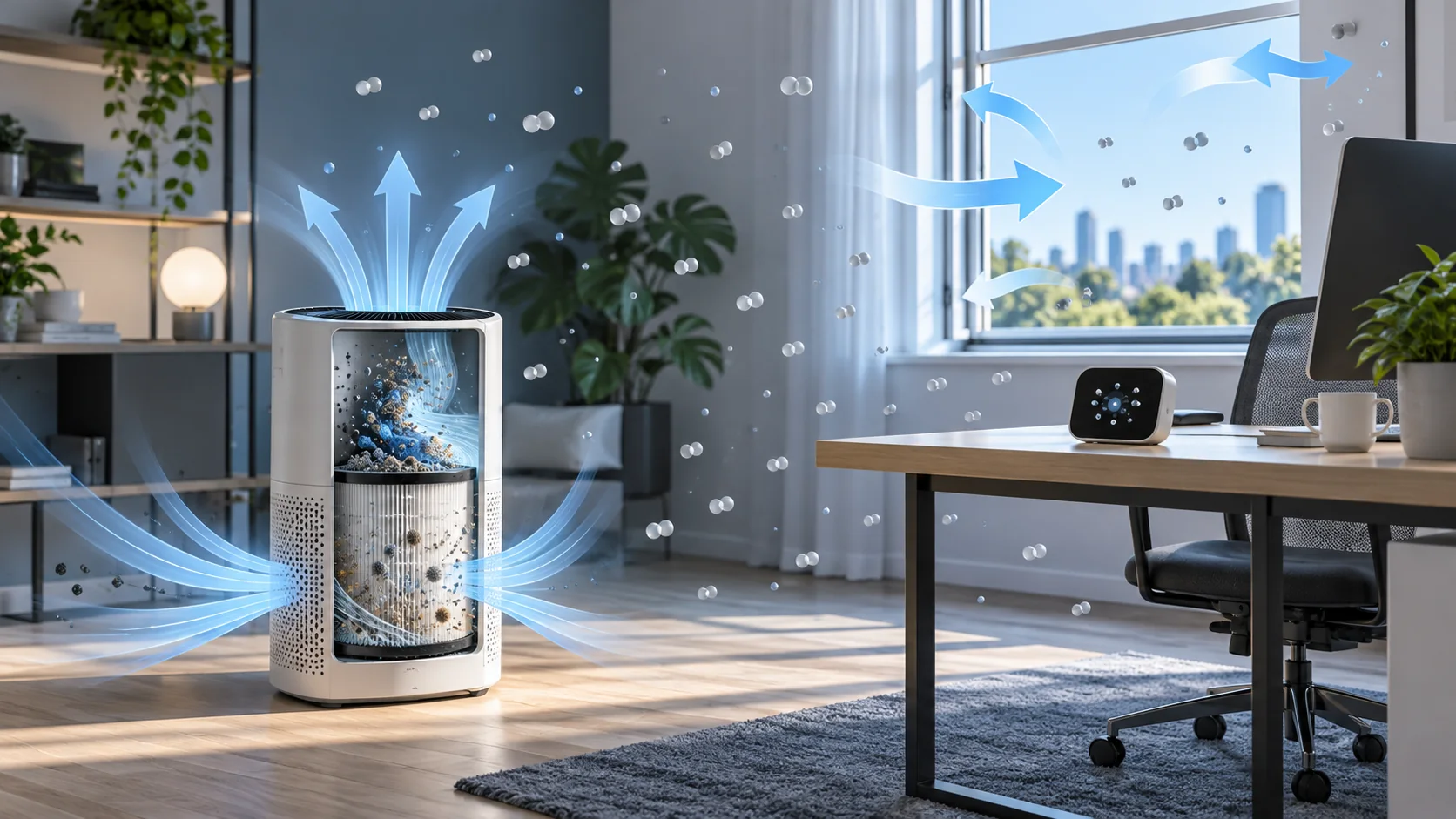
2. Use Air Purifiers

  • Invest in high-efficiency particulate air (HEPA) filters to reduce indoor particulate matter levels.
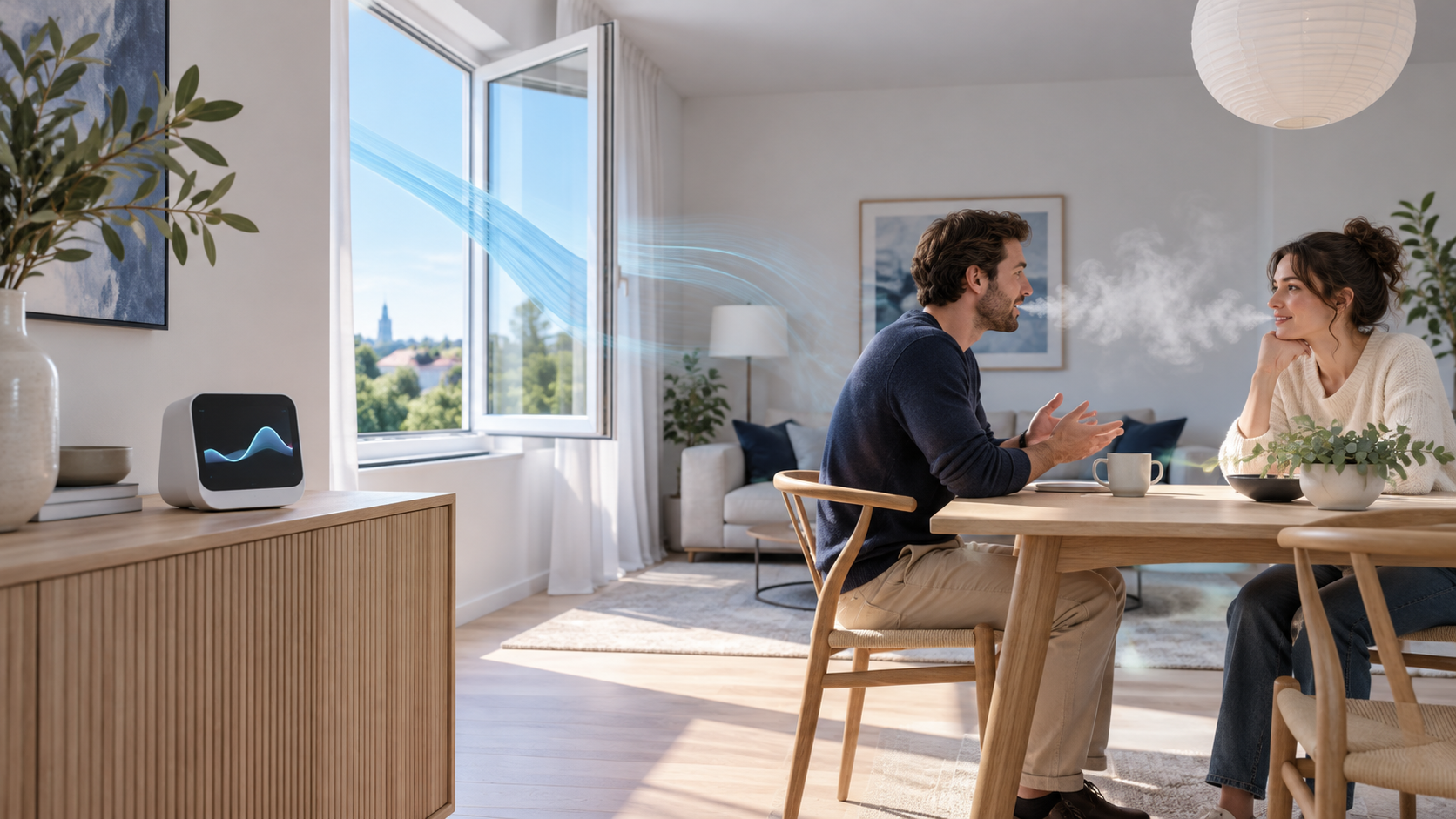
  • Ensure proper ventilation in your home while keeping windows closed during high-pollution days.

3. Wear Protective Masks

  • Use masks rated for particulate matter, such as N95 or FFP2, to filter out PM10 particles when going outdoors.

4. Reduce Indoor Sources

  • Avoid burning candles or using wood-burning stoves.
  • Regularly clean surfaces to prevent dust accumulation.

5. Plant Green Barriers

  • Surround your living area with plants that can trap PM10 particles, such as hedges and trees.

How Companies Can Prevent PM10 Exposure in the Office

Employers have a responsibility to ensure safe and healthy working environments. To minimize PM10 exposure in offices:

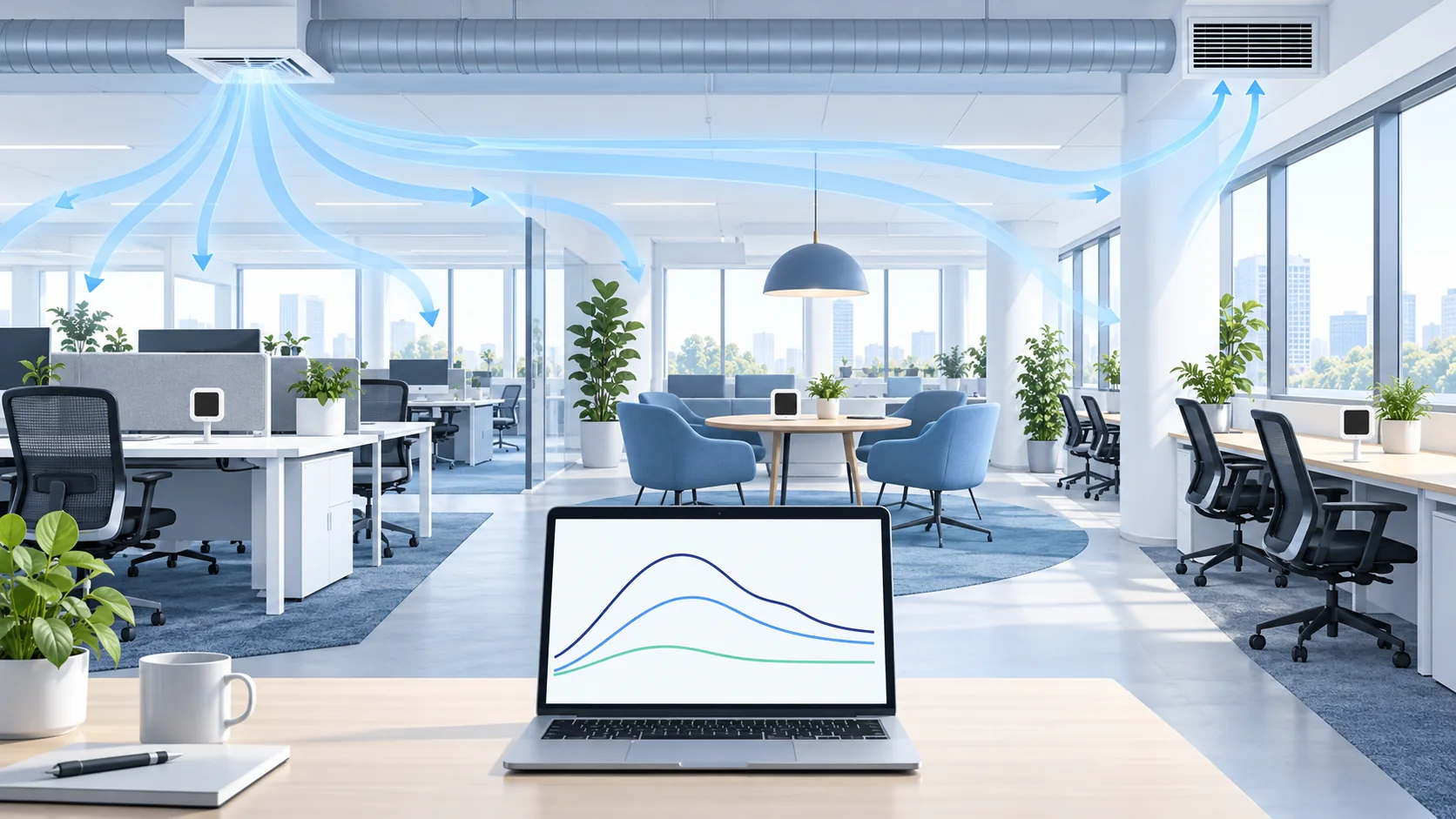
1. Install Air Filtration Systems

  • Equip office spaces with advanced air purifiers to capture particulate matter.
  • Regularly maintain HVAC systems to prevent buildup of pollutants.

2. Implement Dust Control Measures

  • Use dust suppression techniques, such as wet cleaning methods, to reduce indoor PM10 levels.
  • Seal windows and doors effectively to prevent outdoor particles from entering.

3. Provide Protective Equipment

  • Supply employees with high-quality masks during outdoor work or in high-risk environments.
  • Offer regular training on minimizing exposure to air pollutants.

4. Encourage Remote Work

  • During days of poor air quality, allow employees to work from home to reduce their exposure to outdoor pollutants.

5. Monitor Indoor Air Quality

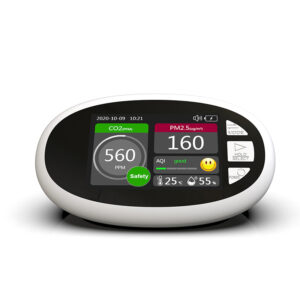
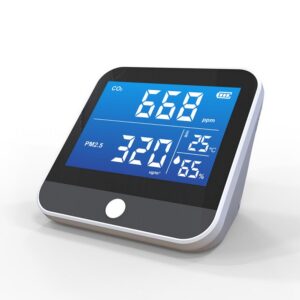
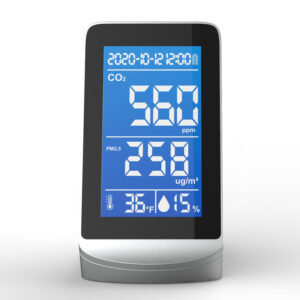
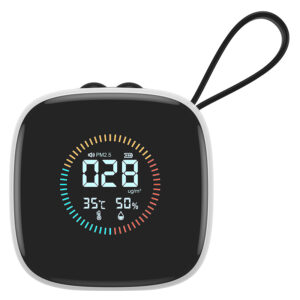
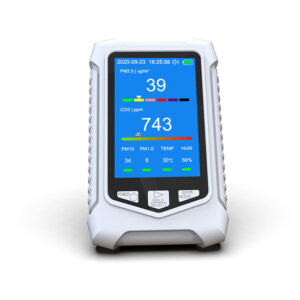
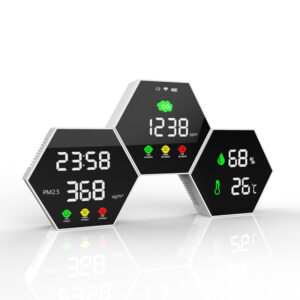
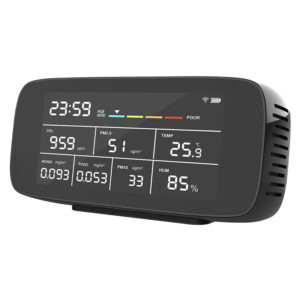
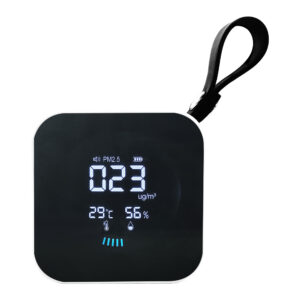
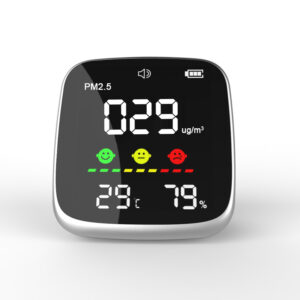
  • Install indoor air quality monitoring devices to track PM10 levels and take corrective actions promptly.

Monitoring PM10

Accurate monitoring of PM10 is essential for air quality management. Various methods are employed to measure PM10 concentrations:

Gravimetric Analysis

This traditional method involves collecting particles on a filter and measuring their mass. While accurate, it is time-consuming and not suitable for real-time monitoring.

Beta Attenuation Monitoring (BAM)

BAM uses beta radiation to measure the density of particulates on a filter, providing real-time data on PM10 levels.

Optical Particle Counters

These devices measure light scattering by particles to estimate their size and concentration. They are widely used for real-time monitoring.

Satellite Remote Sensing

Satellite-based sensors provide a broader view of particulate pollution, offering valuable insights for regional air quality assessments.

Low-Cost Sensors

Emerging technologies like low-cost air quality sensors are increasingly popular for community-based monitoring and citizen science initiatives.

Case Studies: Global Efforts to Reduce PM10

Beijing, China

Beijing implemented strict air quality measures, including shutting down polluting factories, restricting vehicle usage, and promoting green energy. As a result, PM10 levels have decreased significantly over the past decade.

London, UK

London’s Ultra Low Emission Zone (ULEZ) has been instrumental in reducing PM10 concentrations by restricting high-emission vehicles and promoting electric cars.

Los Angeles, USA

Efforts to control industrial emissions and improve public transport have led to substantial reductions in PM10 levels in Los Angeles, a city once plagued by smog.

Conclusion

PM10 is a crucial factor in determining air quality and has significant implications for human health and the environment. Understanding its sources, effects, and mitigation strategies is essential for protecting oneself and promoting healthier living and working environments. Governments, organizations, and individuals must work collaboratively to reduce PM10 emissions and improve air quality, ensuring a safer future for all.

[post-views]

Leave a Reply

Your email address will not be published. Required fields are marked *