What is a CO Sensor?
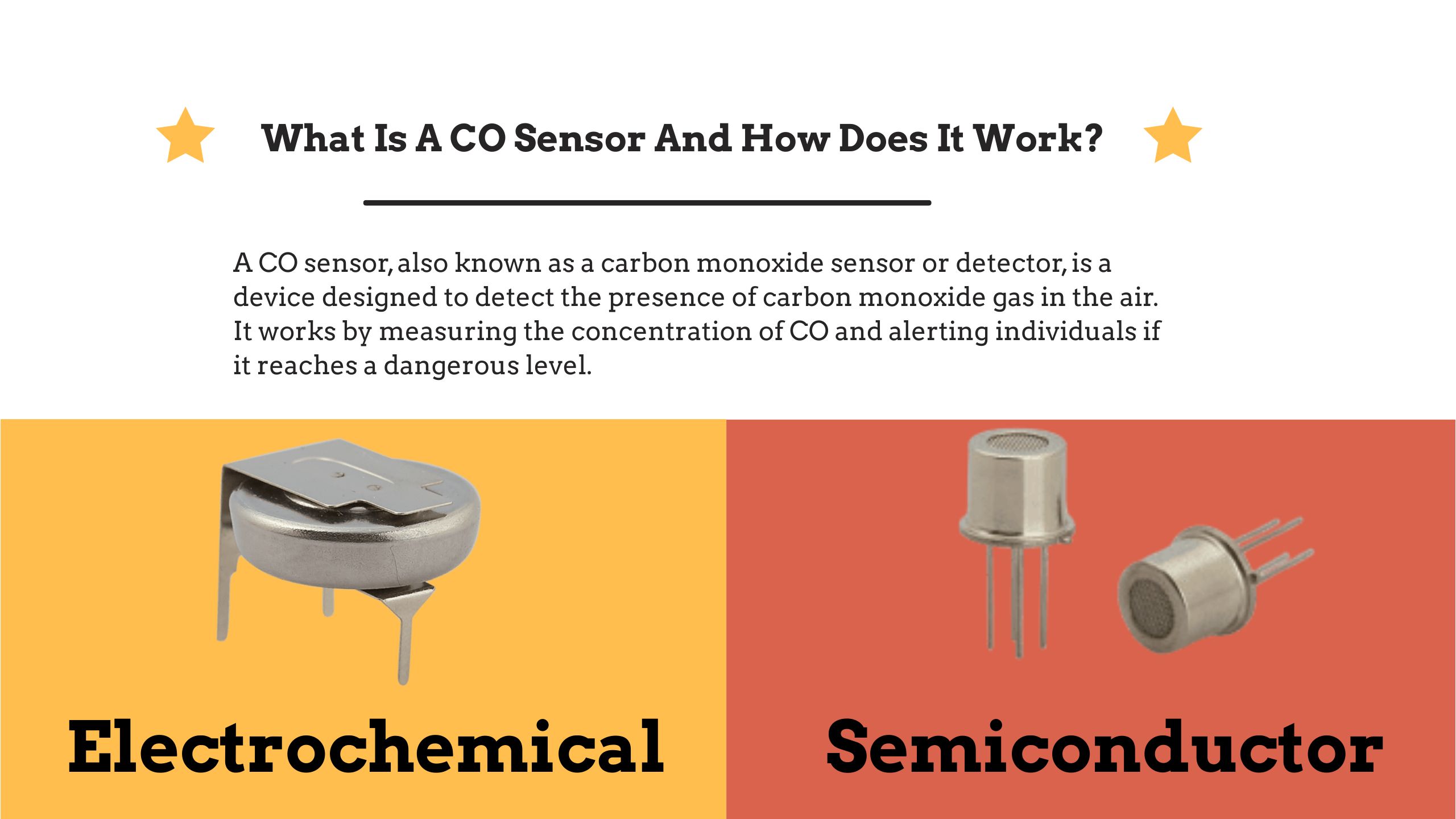
A CO sensor, also known as a carbon monoxide sensor or detector, is a device designed to detect the presence of carbon monoxide gas in the air. It works by measuring the concentration of CO and alerting individuals if it reaches a dangerous level.
How do CO sensors work?
CO sensors can operate through Metal Oxide Semiconductor (MOS) technology or Electrochemical principles.
Metal Oxide Semiconductor CO Sensors
Metal Oxide Semiconductor CO sensors operate based on the principle of changes in electrical conductivity.
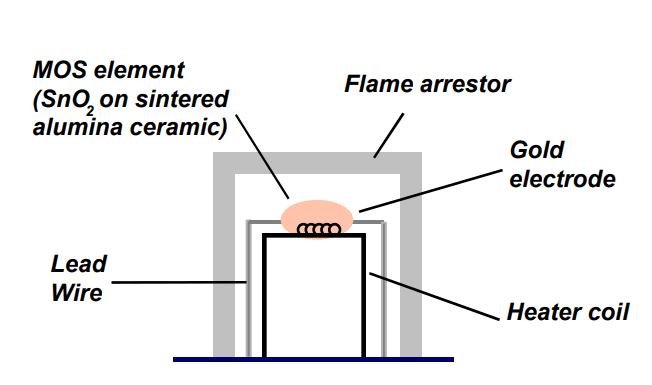
- Sensing Element: MOS CO sensors consist of a sensing element made of a metal oxide material, such as tin dioxide (SnO2). The metal oxide is typically heated to a high temperature to enhance its sensitivity.
- Oxidation and Conductivity: When carbon monoxide comes into contact with the heated metal oxide, it undergoes an oxidation reaction. This reaction causes a reduction in the electrical conductivity of the metal oxide.
- Current Measurement: The change in electrical conductivity is measured by the sensor’s electronics. The decrease in conductivity indicates the presence of carbon monoxide, and the magnitude of the change corresponds to the CO concentration.
- Signal Processing: The electrical signal from the sensor is processed by the electronics, which amplify and convert it into a readable format. This can be displayed as a digital reading or used to trigger an alarm if the CO concentration exceeds a certain threshold.
- Limitations: MOS CO sensors can be affected by other gases and contaminants, leading to potential false readings. Regular calibration and maintenance are necessary to ensure accurate and reliable performance.
Electrochemical CO Sensors
Electrochemical CO sensors utilize chemical reactions to detect and measure carbon monoxide.
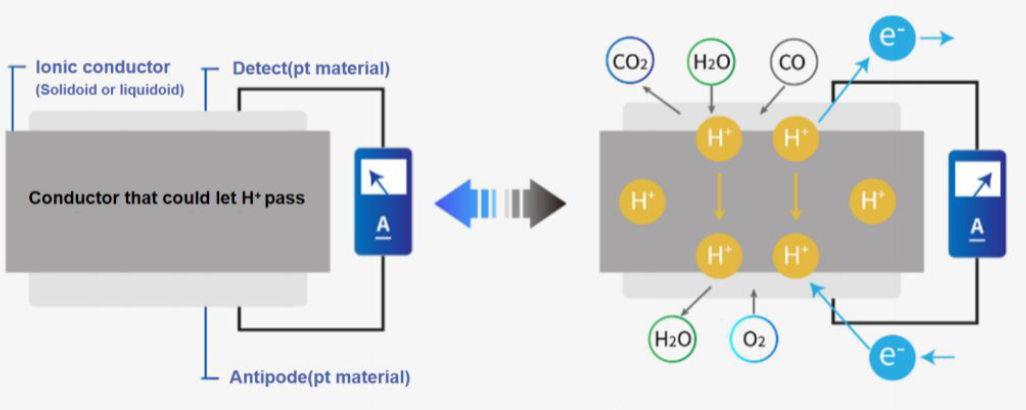
- Sensing Electrode: Electrochemical CO sensors consist of a sensing electrode made of a chemically reactive material, typically a metal or metal oxide.
- Oxidation and Reduction: When carbon monoxide comes into contact with the sensing electrode, it undergoes an oxidation reaction. This causes the electrode to release electrons.
- Electron Flow: The released electrons flow through an electrolyte solution within the sensor. This electron flow generates an electrical current that is proportional to the concentration of carbon monoxide.
- Current Measurement: The electrical current is measured by the sensor’s electronics, providing a quantitative measurement of the CO concentration.
- Signal Processing and Alarm Activation: The electrical signal is processed and converted into a readable format or used to trigger an alarm if the CO concentration exceeds a predefined threshold.
- Lifespan and Maintenance: Electrochemical CO sensors have a limited lifespan and may require periodic replacement or recalibration to ensure accurate readings.
Applications of CO Sensors
Residential and Commercial Buildings
CO sensors are crucial for ensuring the safety of occupants in homes, apartments, hotels, and offices. They are typically installed near potential sources of carbon monoxide, such as gas furnaces, water heaters, fireplaces, and attached garages. In the event of a CO leak, the sensors trigger alarms to alert individuals and prompt them to take immediate action.
Industrial and Manufacturing Facilities
CO sensors play a vital role in industrial settings to detect and monitor carbon monoxide levels. They are used in areas where carbon monoxide may be generated as a byproduct of combustion processes, such as in power plants, chemical manufacturing plants, and refineries. CO sensors help ensure the safety of workers and enable prompt interventions if CO levels rise above acceptable limits.
Vehicle Exhaust Monitoring
CO sensors are essential in monitoring vehicle emissions, especially in enclosed spaces such as tunnels, parking garages, and automotive repair facilities. They help detect and control carbon monoxide levels to maintain a safe environment for both workers and the general public.
Firefighting and Emergency Response
CO sensors are utilized by firefighters and emergency responders to monitor potential CO exposure during rescue operations and firefighting activities. These sensors help detect the presence of carbon monoxide, which can be produced by incomplete combustion or structural damage, ensuring the safety of personnel in hazardous environments.
HVAC and Ventilation Systems
CO sensors are integrated into heating, ventilation, and air conditioning (HVAC) systems to ensure optimal indoor air quality and energy efficiency. By monitoring CO levels, these sensors enable demand-controlled ventilation, adjusting the fresh air intake based on occupancy and CO concentrations to maintain a healthy and safe indoor environment.
Laboratories and Research Facilities
CO sensors are employed in laboratories and research facilities where carbon monoxide may be used or produced as part of experiments or industrial processes. These sensors help maintain a safe working environment by promptly detecting any leaks or abnormal concentrations of CO.
Conclusion
CO sensors are commonly used in residential, commercial, and industrial settings to enhance safety and prevent carbon monoxide poisoning. They are often installed near potential sources of CO, such as furnaces, water heaters, fireplaces, and garages.
It is crucial to install CO sensors following manufacturer guidelines and in compliance with local regulations. Regular testing and maintenance of the sensors are essential to ensure their proper functioning. This includes checking for any obstructions that may impact airflow around the sensor and conducting periodic calibration or replacement as recommended.
By having a CO sensor in place, individuals can have peace of mind knowing that they have a reliable device that can detect the presence of carbon monoxide, allowing for prompt action to protect themselves and others from the potential dangers of CO exposure.