Negative ions are invisible, naturally occurring molecules that carry a negative electrical charge. These ions are abundant in nature, especially in environments such as forests, mountains, waterfalls, and beaches, where they contribute to a feeling of well-being and freshness. While they are less understood than positive ions, negative ions play a significant role in improving air quality, enhancing mood, and promoting health.
In this article, we’ll explore what negative ions are, their benefits, how they work, and how you can increase your exposure to these beneficial molecules.
Understanding Negative Ions
Definition and Origin
Negative ions are atoms or molecules that have gained one or more extra electrons, giving them a net negative charge. This charge allows them to bond with positively charged particles, such as dust, pollen, and pollutants, neutralizing harmful effects. Negative ions are naturally found in environments with high moisture levels, such as near waterfalls, during thunderstorms, and in dense forests.
How Negative Ions Are Formed
Negative ions are typically created through the interaction of air, water, sunlight, and other natural forces. For example:
Natural Phenomena:
Water Molecule Splitting: Waterfall mists or ocean waves cause water molecules to break apart, releasing negatively charged oxygen ions.
Sunlight and Radiation: Solar energy interacts with atmospheric particles, producing negative ions.
Thunderstorms: Lightning ionizes air molecules, resulting in a high concentration of negative ions in the post-storm atmosphere.
Artificial Generation:
Ion Generators: Devices like air purifiers use electricity to create negative ions by charging air particles.
HVAC Systems: Advanced heating and cooling systems sometimes incorporate ionization technologies.
Properties of Negative Ions
Negative ions possess several key properties that make them beneficial and unique:
Electrostatic Attraction: They attract positively charged particles like dust, pollen, and pollutants, neutralizing them.
Short Lifespan: Negative ions are reactive and typically last for a brief period before combining with other molecules.
Abundance in Nature: Concentrations are highest in natural settings like forests, mountains, and near waterfalls.
What Is the Difference Between Positive and Negative Ions?
Positive and negative ions are oppositely charged particles, but they differ significantly in their properties and effects:
1. Positive Ions:
Formed when an atom or molecule loses one or more electrons.
Often associated with air pollution, dust, and electronic devices.
High concentrations of positive ions in indoor environments can contribute to fatigue, stress, and respiratory issues.
2. Negative Ions:
Created by gaining additional electrons.
Found in abundance in natural, clean environments.
Known to promote relaxation, improve air quality, and enhance mental and physical well-being.
The balance between positive and negative ions in an environment significantly impacts air quality and health.
Benefits of Negative Ions
1. Air Purification
Negative ions attach to airborne pollutants, allergens, and microbes, making them too heavy to remain airborne. This helps reduce respiratory irritants and improves indoor air quality.
2. Improved Mood and Mental Health
Studies suggest that negative ions increase serotonin levels in the brain, which can:
Alleviate symptoms of depression.
Reduce anxiety and stress.
Enhance overall mood and energy levels.
3. Boosted Immune Function
Negative ions may enhance the immune system by neutralizing harmful pathogens and supporting white blood cell activity.
4. Enhanced Respiratory Function
By reducing airborne irritants and allergens, negative ions improve respiratory conditions like asthma and allergies.
5. Increased Concentration and Productivity
Negative ions are believed to improve oxygen flow to the brain, enhancing cognitive function, focus, and alertness.
6. Better Sleep Quality
Negative ions can promote relaxation by regulating serotonin levels, contributing to improved sleep patterns.
How Negative Ions Work
Negative ions work by interacting with positive ions—particles that carry a positive charge and are often associated with pollution, electronic devices, and poor air quality. When negative ions bind to positive ions or pollutants, they neutralize their charge, rendering them harmless.
For example, in urban environments with high concentrations of positive ions from traffic and industrial emissions, negative ions can counteract these harmful effects by purifying the air.
Sources of Negative Ions
Natural Sources
Some of the most abundant sources of negative ions include:
Waterfalls and Oceans: High concentrations of negative ions are found where water crashes and breaks apart.
Forests and Mountains: Vegetation releases ions during photosynthesis, especially in dense, unpolluted areas.
Thunderstorms: The atmosphere becomes rich with negative ions following rainfall or lightning.
Artificial Generators
Ion Generators and Air Purifiers: Devices designed to produce negative ions for air purification.
Salt Lamps: Himalayan salt lamps are believed to emit negative ions, although scientific evidence is limited.
Modern HVAC Systems: Some systems integrate negative ion generators to enhance indoor air quality.
Scientific Research on Negative Ions
Studies Supporting Their Benefits
Research has shown a positive correlation between exposure to negative ions and improvements in physical and mental health. For example:
Mood Enhancement: A study published in the Journal of Alternative and Complementary Medicine found that negative ion exposure significantly reduced symptoms of depression.
Air Quality Improvement: Experiments demonstrate that ionized air can reduce particulate matter in enclosed spaces.
Debunking Myths
While many claims about negative ions are supported by evidence, some exaggerated benefits lack scientific backing. For example, claims about curing chronic diseases or miraculous anti-aging effects are often overstated.
Potential Drawbacks and Misconceptions
While negative ions offer significant benefits, it’s important to understand their limitations:
1. Limited Effectiveness Indoors
Negative ion concentrations are generally much lower indoors compared to natural environments unless specialized equipment is used.
2. Potential Ozone Production
Some artificial ionizers may produce ozone as a byproduct, which can irritate respiratory systems if levels become too high.
3. Misrepresentation of Benefits
Some claims about negative ions, such as their ability to cure severe illnesses, lack robust scientific support.
Applications of Negative Ions
Negative ions have diverse applications across various industries:
1. Air Purification
Negative ion generators are used in homes, hospitals, and workplaces to improve air quality by reducing pollutants.
2. Healthcare and Therapy
Wellness Centers: Negative ion therapies are promoted for stress relief and relaxation.
Mental Health: Devices emitting negative ions are explored as potential non-pharmaceutical treatments for depression.
3. Consumer Products
Wearable Devices: Some bracelets and necklaces claim to emit negative ions for health benefits.
Household Items: Salt lamps, ionizing fans, and water ionizers are popular in the wellness market.
4. Environmental Applications
Industrial Air Cleaning: Factories use negative ions to remove dust and pollutants from the air.
Agriculture: Negative ions are used to enhance plant growth and reduce pest activity in greenhouses.
How to Increase Exposure to Negative Ions
Outdoor Activities
Spending time in natural settings like parks, beaches, and forests is the best way to absorb negative ions. Activities like hiking, swimming, or simply walking near water can significantly boost exposure.
Indoor Solutions
Negative Ion Generators: Invest in high-quality ionizers to improve indoor air quality.
Houseplants: Certain plants, such as peace lilies and bamboo palms, naturally emit negative ions.
Salt Lamps: Himalayan salt lamps are believed to emit low levels of negative ions, though their efficacy is debated.
How to Measure Negative Ions?
Measuring negative ions requires specialized equipment designed to quantify ion concentration in the air. Common tools and techniques include:
1. Ion Counters:
These portable devices measure the concentration of both positive and negative ions in the air. Ion counters are widely used in research and environmental monitoring.
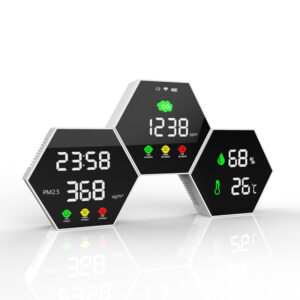
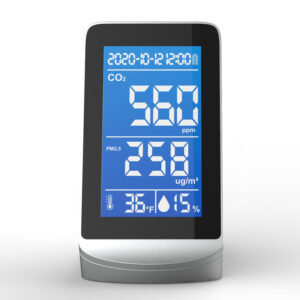
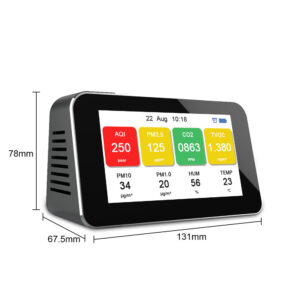
2. Air Quality Monitors:
Advanced air quality monitors often include ion measurement features, providing real-time data on ion concentrations alongside pollutant levels.
3. Environmental Labs:
For precise and detailed analysis, air samples can be sent to laboratories equipped with high-sensitivity ion detectors.
4. DIY Methods (Limited Accuracy):
While not as accurate, DIY experiments using materials like charged metal plates can provide a basic understanding of ion presence.
Accurate measurement of negative ions is crucial for understanding their impact on air quality and human health.
Negative ions offer a range of benefits for mental and physical well-being, from improving air quality to enhancing mood and reducing stress. By spending time in nature or utilizing modern technology, you can easily increase your exposure to these invisible but powerful molecules.
Whether you’re seeking better health, a cleaner environment, or simply a way to relax, negative ions could be the natural solution you’re looking for. By incorporating them into your daily life, you can harness their full potential for a healthier, more balanced existence.