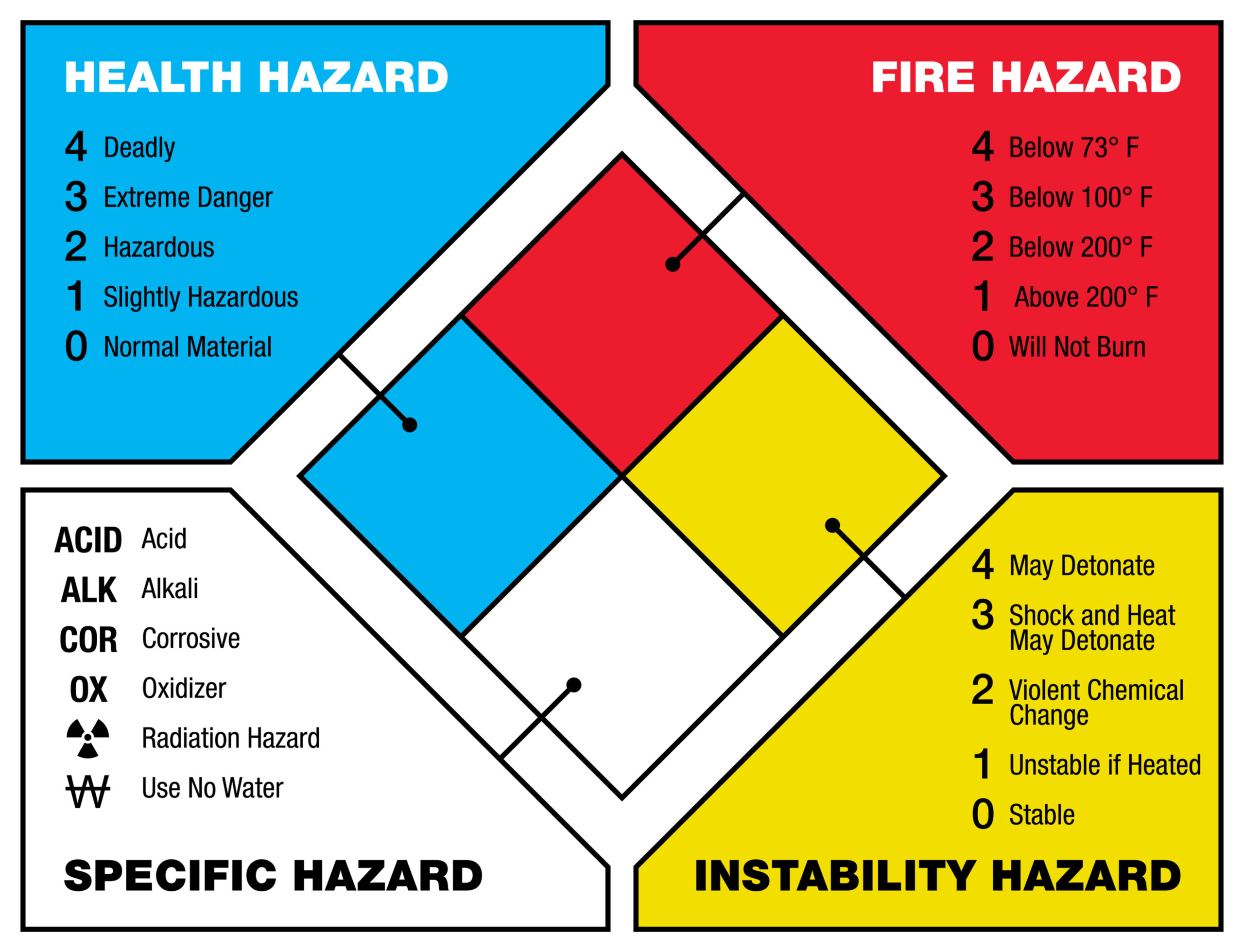
Carbon dioxide (CO₂) is a naturally occurring gas that plays a critical role in Earth’s ecosystems. It is essential for photosynthesis, the process by which plants produce oxygen and glucose. While carbon dioxide is vital to life on Earth, it can also pose risks to human health and the environment under certain conditions. This article examines the effects of carbon dioxide on human health, the environment, and its broader implications for society.
Carbon dioxide is a colorless, odorless gas composed of one carbon atom and two oxygen atoms (CO₂). It is present in the atmosphere at a concentration of approximately 0.04% (400 parts per million, or ppm). Natural processes, such as respiration, volcanic eruptions, and the decomposition of organic matter, produce CO₂. Human activities, particularly the burning of fossil fuels, have significantly increased atmospheric CO₂ levels in recent centuries.
Key Properties of CO₂:
Chemical Formula: CO₂
Molecular Weight: 44.01 g/mol
State at Room Temperature: Gas
Solubility in Water: Moderate, forming carbonic acid (H₂CO₃)
When Is Carbon Dioxide Harmful to People?
Under normal atmospheric conditions, carbon dioxide is not harmful to humans and is an integral part of our respiratory cycle. However, exposure to elevated concentrations can have adverse effects on health, ranging from mild discomfort to life-threatening situations.
Volcanic Eruptions: Volcanoes release large amounts of CO₂, sometimes resulting in dangerous concentrations near volcanic vents.
Cave Systems: CO₂ can accumulate in poorly ventilated caves due to natural geological activity.
2. Human-Made Sources
Industrial Processes: Factories, breweries, and other industrial sites may release concentrated CO₂ during production processes.
Poorly Ventilated Spaces: Homes and offices with inadequate ventilation can trap CO₂, especially in buildings with high occupant density.
Carbon Capture and Storage (CCS): Improper handling of CO₂ during CCS operations can result in leaks.
CO₂ and Indoor Air Quality
Indoor air quality is a significant concern, especially in urban environments where people spend the majority of their time indoors. Elevated CO₂ levels indoors can result from inadequate ventilation, contributing to a condition known as “sick building syndrome.”
Common Symptoms of High Indoor CO₂ Levels
Drowsiness and fatigue.
Reduced productivity and cognitive performance.
Headaches and dizziness.
Strategies to Improve Indoor Air Quality
Ventilation: Increase airflow through natural or mechanical means to dilute CO₂ concentrations.
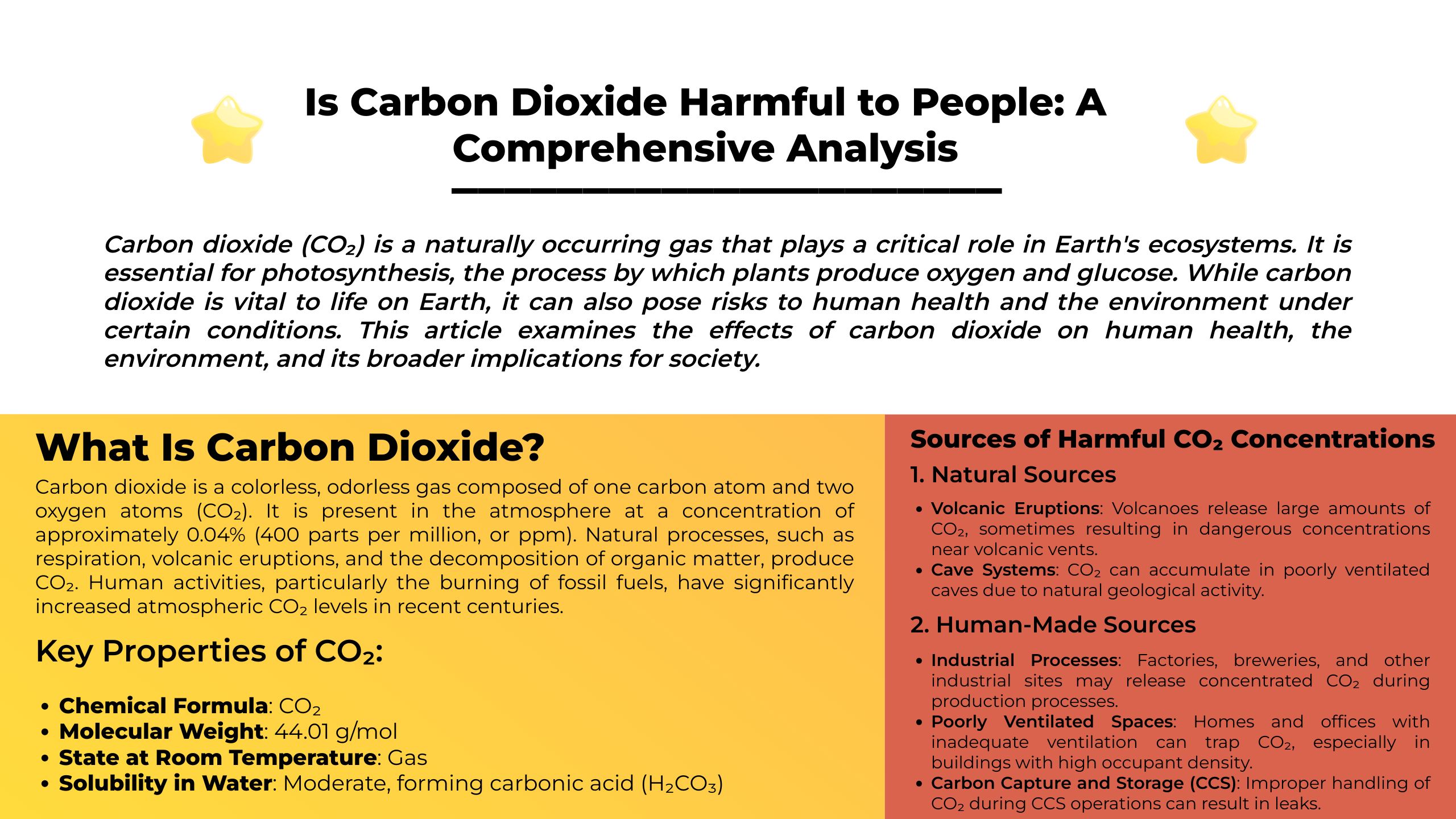
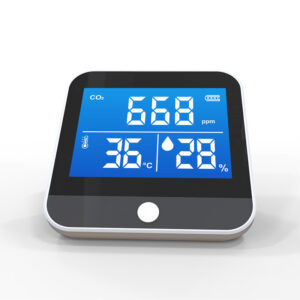
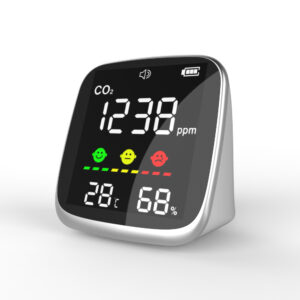
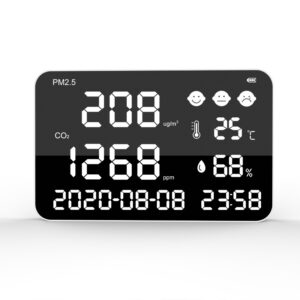
Air Quality Monitors: Use CO₂ sensors to track indoor levels and adjust ventilation systems as needed.
Plants: Incorporate indoor plants to absorb CO₂ and improve air quality.
CO₂ and the Environment
1. Greenhouse Effect and Global Warming
Carbon dioxide is a major greenhouse gas that traps heat in the Earth’s atmosphere. While this process is essential for maintaining a habitable climate, excessive CO₂ levels intensify the greenhouse effect, leading to global warming and climate change.
2. Ocean Acidification
Approximately 30% of atmospheric CO₂ is absorbed by oceans, where it reacts with water to form carbonic acid. This process lowers the pH of seawater, harming marine ecosystems, particularly coral reefs and shellfish.
Can CO₂ Exposure Be Deadly?
Yes, exposure to extremely high levels of CO₂ can be fatal. Incidents such as industrial accidents, volcanic activity, or poorly ventilated spaces have resulted in deaths due to CO₂ poisoning.
Notable Cases of CO₂-Related Deaths
Lake Nyos Disaster (Cameroon, 1986): A sudden release of CO₂ from the lake killed over 1,700 people and thousands of animals.
Industrial Accidents: Workers in confined spaces with high CO₂ concentrations are at risk if proper safety protocols are not followed.
How to Protect Against Harmful CO₂ Exposure
Awareness of Risk Areas: Avoid confined spaces with potential CO₂ accumulation, such as mines, fermentation chambers, and underground storage facilities.
Ventilation Systems: Ensure proper ventilation in homes, offices, and industrial settings.
Use of Personal Protective Equipment (PPE): Workers in high-risk industries should use masks and CO₂ detectors.
Monitoring and Detection: Install CO₂ sensors in areas prone to accumulation to alert occupants of elevated levels.
Regulatory Compliance: Adhere to local and international safety standards for CO₂ exposure.
Carbon dioxide, while essential for life on Earth, can be harmful or even deadly when concentrations exceed safe levels. Elevated CO₂ levels affect human health, indoor air quality, and the environment. Understanding its risks and implementing safety measures are crucial to mitigating its negative effects. As global CO₂ levels rise due to human activity, addressing this issue requires a collective effort from individuals, industries, and governments.
By improving awareness, enhancing monitoring, and embracing sustainable practices, we can manage the challenges posed by carbon dioxide and ensure a safer, healthier future for all.