Knowledge

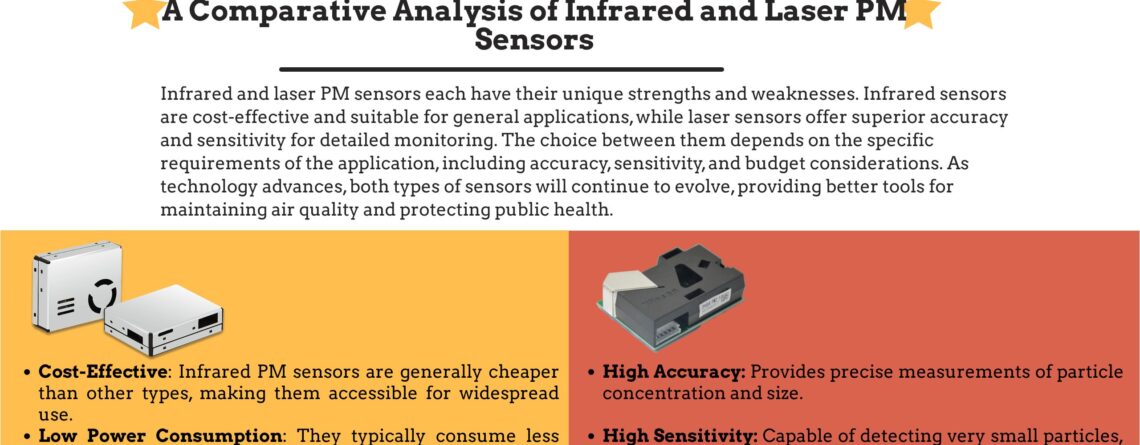
A Comparative Analysis of Infrared and Laser PM Sensors

Particulate Matter (PM) sensors are critical tools in monitoring air quality by measuring the concentration of airborne particles. Among the various types of PM sensors, infrared (IR) and laser-based sensors are prominent due to their effectiveness and widespread use. This analysis aims to compare these...

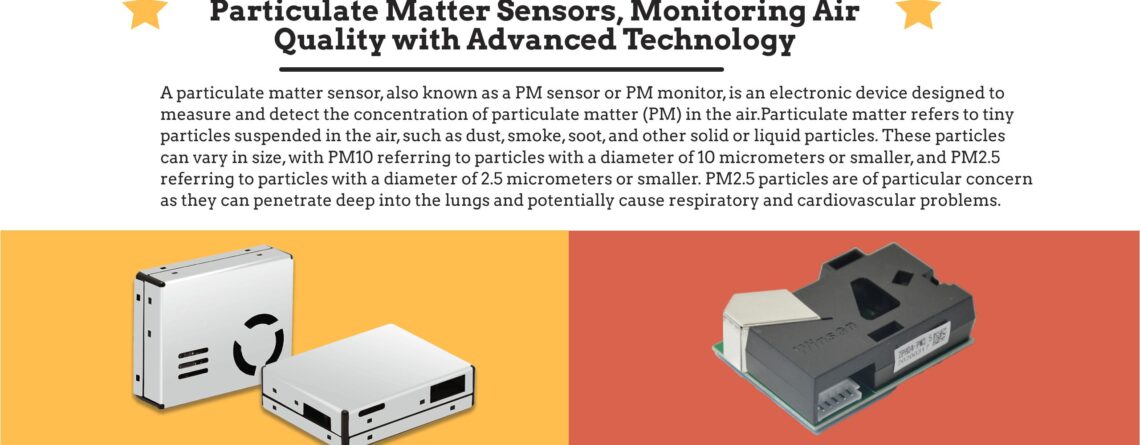
What Is A Particulate Matter Sensor And How Does It Work?

In the quest for cleaner and healthier air, particulate matter sensors play a vital role in assessing and monitoring air quality. These sensors are advanced devices designed to measure and detect the concentration of particulate matter (PM) in the air, providing valuable data for environmental...

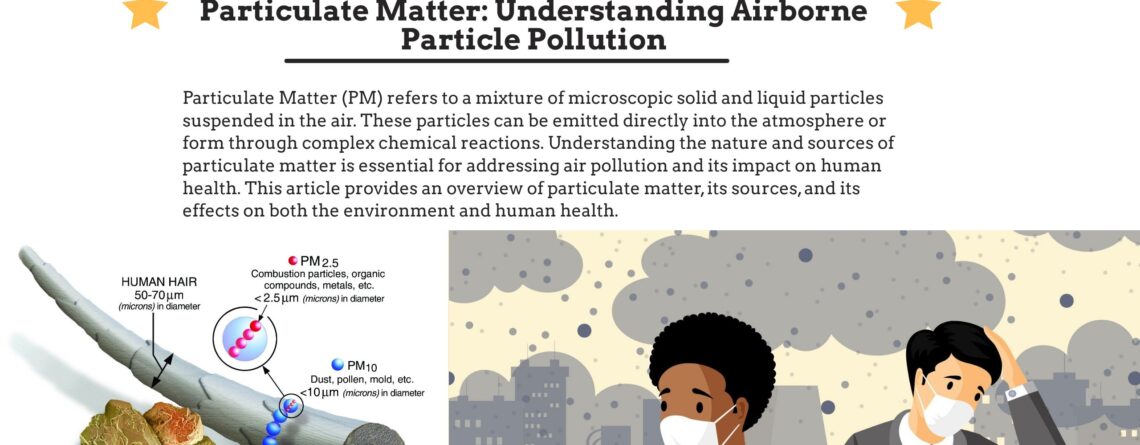
Particulate Matter: Understanding Airborne Particle Pollution

Particulate Matter (PM) refers to a mixture of microscopic solid and liquid particles suspended in the air. These particles can be emitted directly into the atmosphere or form through complex chemical reactions. Understanding the nature and sources of particulate matter is essential for addressing air...

The Environmental Impacts of Particulate Matter (PM)

Particulate matter (PM) is a mix of tiny particles and droplets in the air that come from various sources, both natural and human-made. These particles can have serious effects on the environment, from reducing air quality to impacting climate and damaging ecosystems. Understanding these impacts...

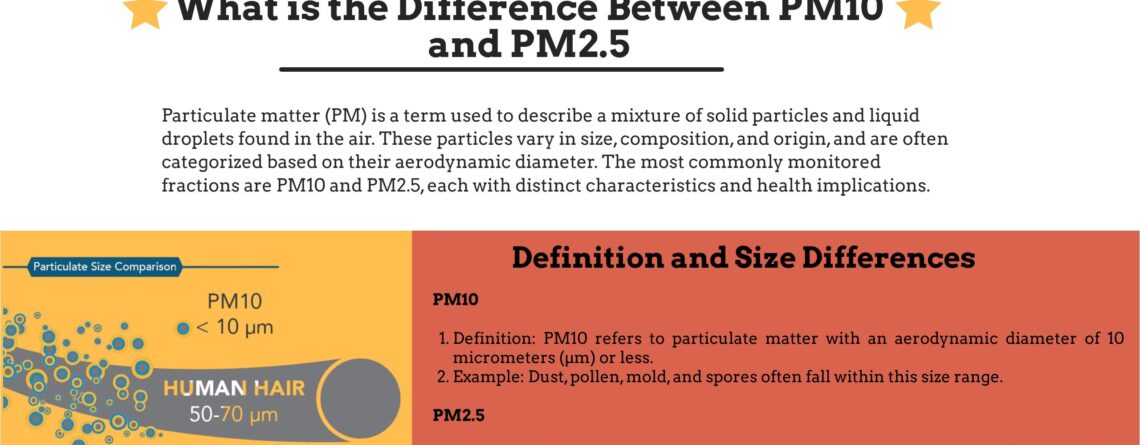
What is the Difference Between PM10 and PM2.5

Particulate matter (PM) is a term used to describe a mixture of solid particles and liquid droplets found in the air. These particles vary in size, composition, and origin, and are often categorized based on their aerodynamic diameter. The most commonly monitored fractions are PM10...

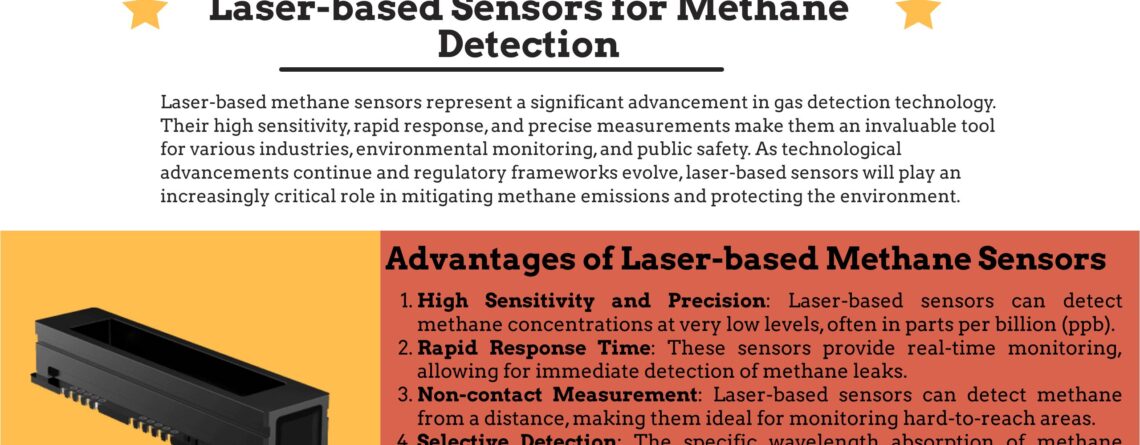
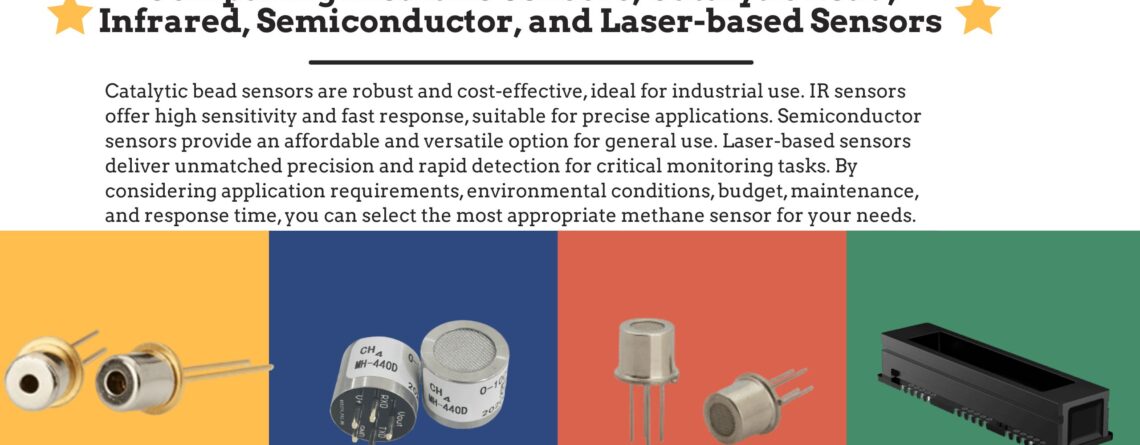
Laser-based Sensors for Methane Detection

Methane (CH₄) is a potent greenhouse gas with significant implications for climate change and environmental health. Detecting methane leaks quickly and accurately is crucial for mitigating its impact. Laser-based sensors have emerged as an advanced technology for methane detection, offering high precision and rapid response....

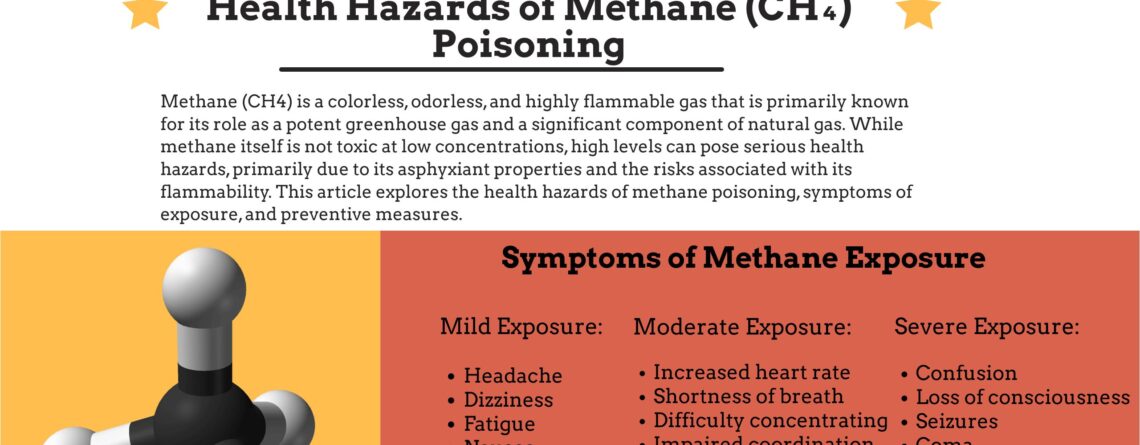
Health Hazards of Methane (CH₄) Poisoning

Methane (CH₄) is a colorless, odorless, and highly flammable gas that is primarily known for its role as a potent greenhouse gas and a significant component of natural gas. While methane itself is not toxic at low concentrations, high levels can pose serious health hazards,...
Methane and the Environment, A Comprehensive Guide

Methane (CH₄) is a potent greenhouse gas with significant implications for the environment. Understanding methane's sources, impacts, and mitigation strategies is crucial for addressing climate change and ensuring environmental sustainability. This guide provides a comprehensive overview of methane and its environmental effects, as well as...

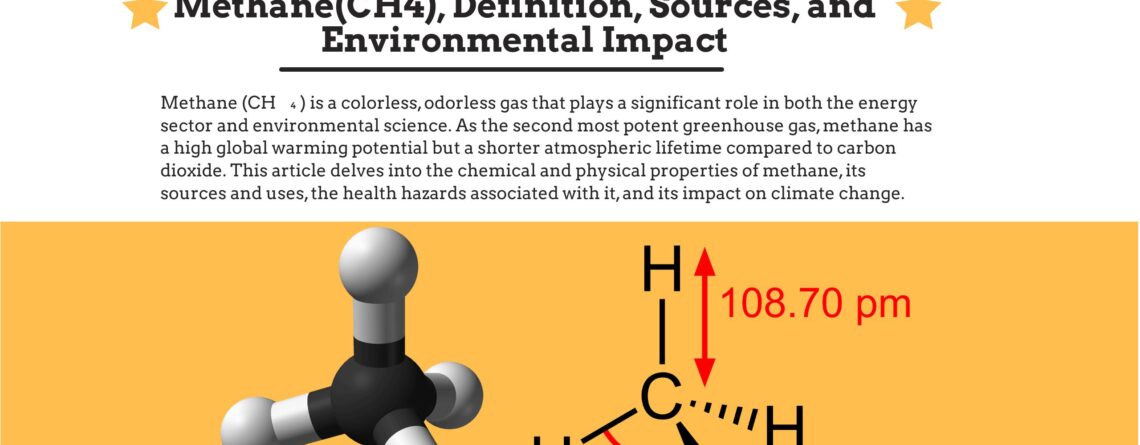
Methane(CH4): Definition, Sources, and Environmental Impact

Methane (CH₄) is a colorless, odorless gas that plays a significant role in both the energy sector and environmental science. As the second most potent greenhouse gas, methane has a high global warming potential but a shorter atmospheric lifetime compared to carbon dioxide. This article...