Knowledge

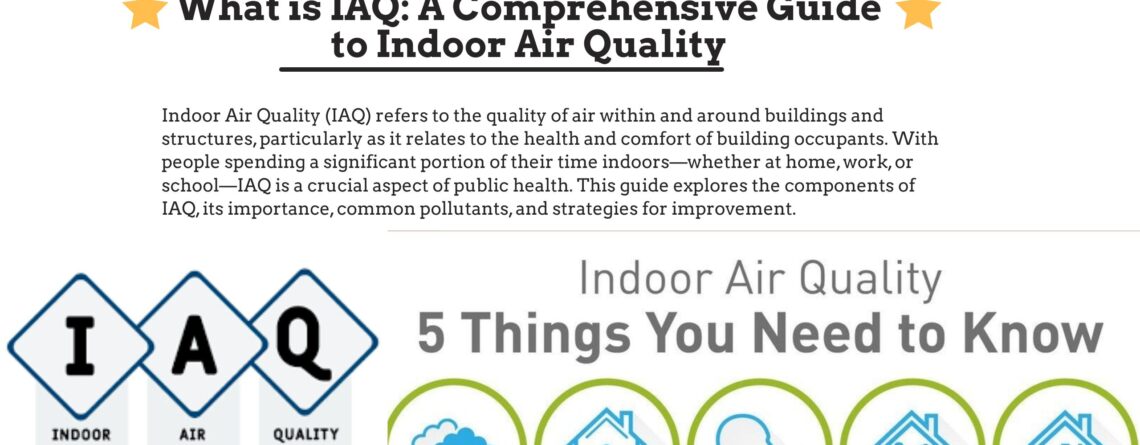
What is IAQ: A Comprehensive Guide to Indoor Air Quality

What is Indoor Air Quality?Indoor Air Quality (IAQ) refers to the quality of air within and around buildings and structures, particularly as it relates to the health and comfort of building occupants. With people spending a significant portion of their time indoors—whether at home, work,...

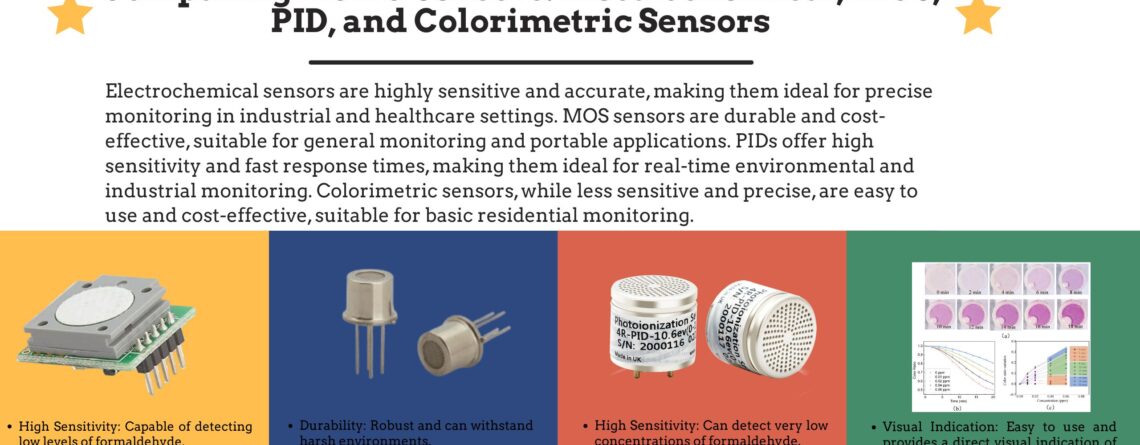
Comparing HCHO Sensors: Electrochemical, MOS, PID, and Colorimetric Sensors

Formaldehyde (HCHO) sensors are crucial for monitoring air quality and ensuring the safety of environments where formaldehyde presence is a concern. There are several types of formaldehyde sensors, each with unique operating principles, advantages, and limitations. This comparison will focus on four primary types: electrochemical...

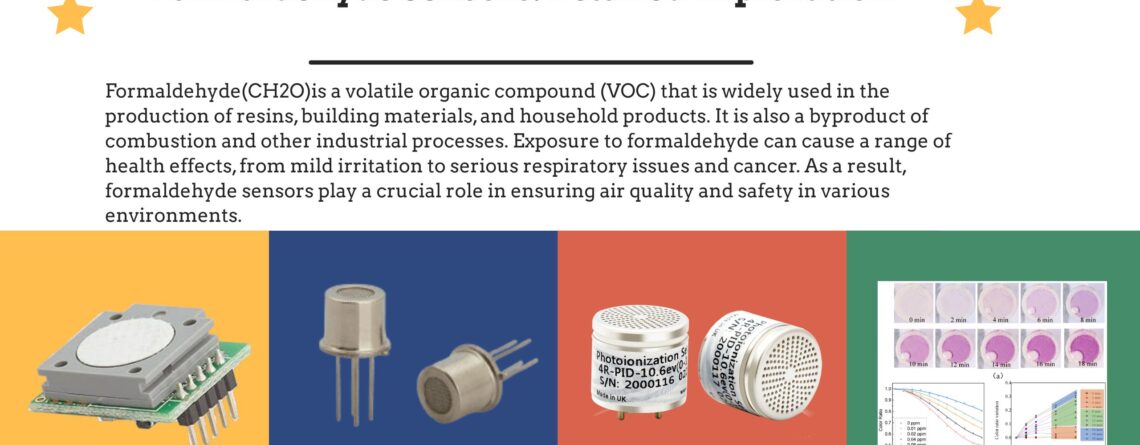
Formaldehyde Sensors: Detailed Exploration

IntroductionFormaldehyde(CH2O) is a volatile organic compound (VOC) that is widely used in the production of resins, building materials, and household products. It is also a byproduct of combustion and other industrial processes. Exposure to formaldehyde can cause a range of health effects, from mild irritation...
What is CH2O

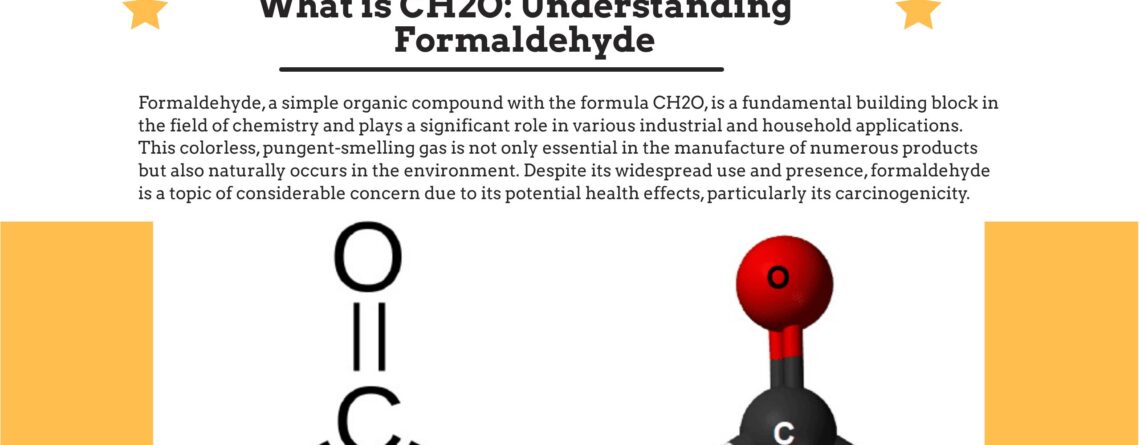
What is CH2O: Understanding Formaldehyde

Introduction to FormaldehydeFormaldehyde, a simple organic compound with the formula CH2O, is a fundamental building block in the field of chemistry and plays a significant role in various industrial and household applications. This colorless, pungent-smelling gas is not only essential in the manufacture of numerous...

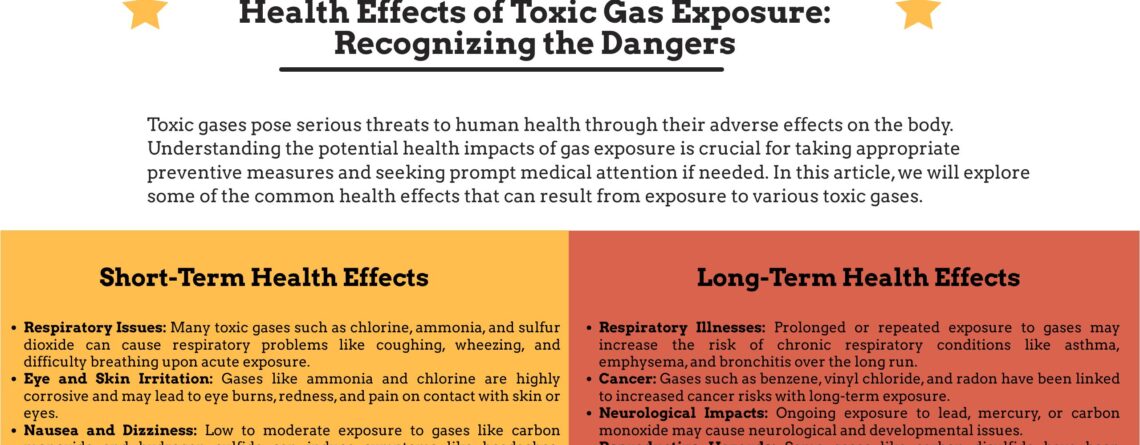
Health Effects of Toxic Gas Exposure: Recognizing the Dangers

Toxic gases pose serious threats to human health through their adverse effects on the body. Understanding the potential health impacts of gas exposure is crucial for taking appropriate preventive measures and seeking prompt medical attention if needed. In this article, we will explore some of...

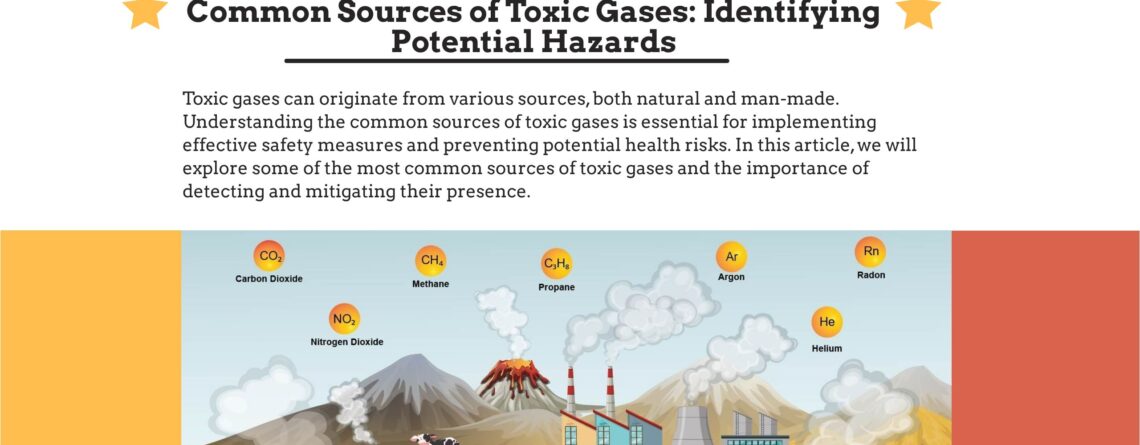
Common Sources of Toxic Gases: Identifying Potential Hazards

Toxic gases can originate from various sources, both natural and man-made. Understanding the common sources of toxic gases is essential for implementing effective safety measures and preventing potential health risks. In this article, we will explore some of the most common sources of toxic gases...

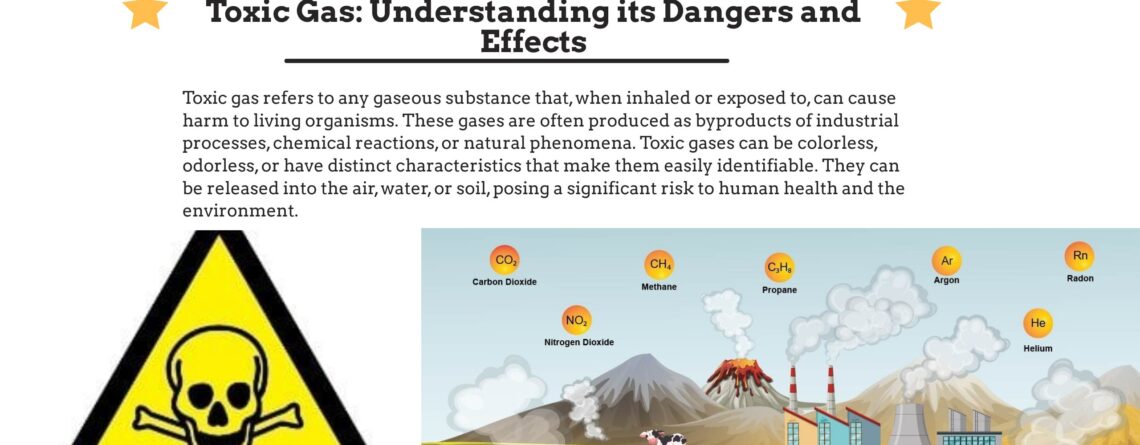
Toxic Gas: Understanding its Dangers and Effects

Introduction In today's world, we are surrounded by various pollutants and hazards that pose a threat to our health and well-being. One such danger is toxic gas. Toxic gases are substances that, when released into the environment, can cause harm to living organisms, including humans. In...

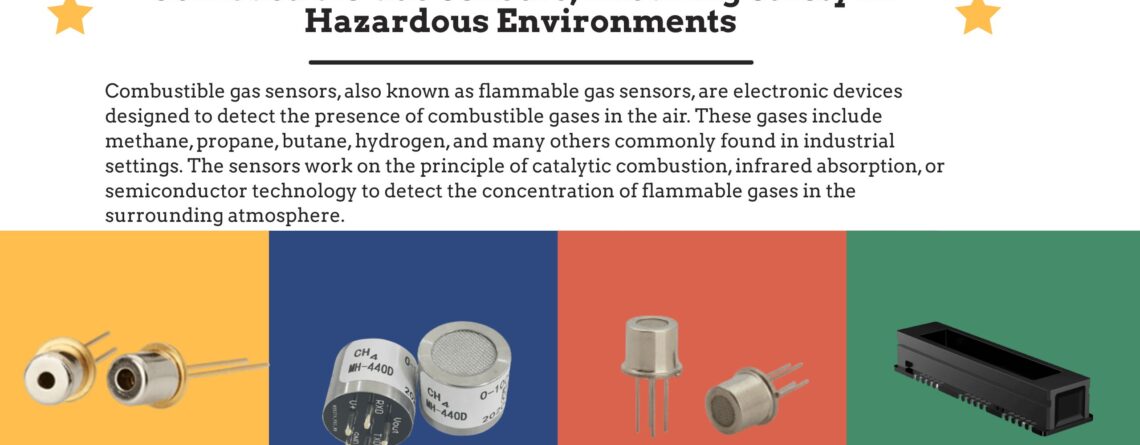
Combustible Gas Sensors: Ensuring Safety in Hazardous Environments

IntroductionIn today's industrial landscape, safety is of paramount importance. From manufacturing plants to chemical facilities, the presence of combustible gases poses a significant risk to both human life and property. To mitigate these risks, the use of combustible gas sensors has become essential. These sensors...

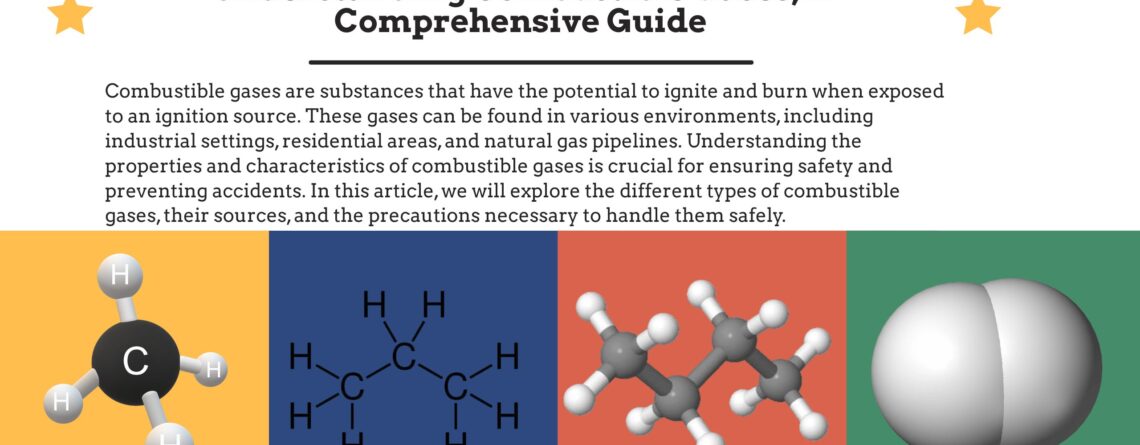
Understanding Combustible Gases, A Comprehensive Guide

Combustible gases are substances that have the potential to ignite and burn when exposed to an ignition source, also known as Flammable gases. These gases can be found in various environments, including industrial settings, residential areas, and natural gas pipelines. Understanding the properties and characteristics...

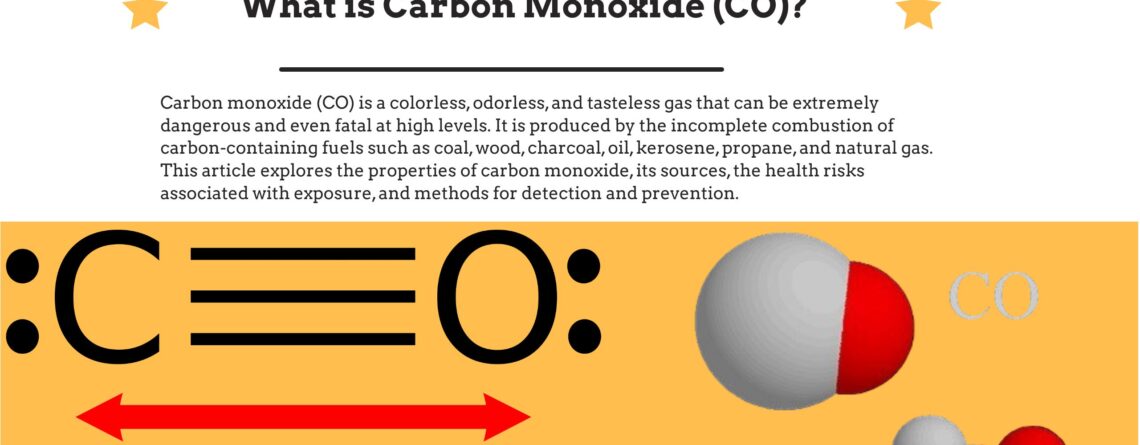
What is Carbon Monoxide (CO)

Carbon monoxide (CO) is a colorless, odorless, and tasteless gas that can be extremely dangerous and even fatal at high levels. It is produced by the incomplete combustion of carbon-containing fuels such as coal, wood, charcoal, oil, kerosene, propane, and natural gas. This article explores...