Toxic gases pose serious threats to human health through their adverse effects on the body. Understanding the potential health impacts of gas exposure is crucial for taking appropriate preventive measures and seeking prompt medical attention if needed. In this article, we will explore some of the common health effects that can result from exposure to various toxic gases.
Short-Term Health Effects
- Respiratory Issues: Many toxic gases such as chlorine, ammonia, and sulfur dioxide can cause respiratory problems like coughing, wheezing, and difficulty breathing upon acute exposure.
- Eye and Skin Irritation: Gases like ammonia and chlorine are highly corrosive and may lead to eye burns, redness, and pain on contact with skin or eyes.
- Nausea and Dizziness: Low to moderate exposure to gases like carbon monoxide and hydrogen sulfide can induce symptoms like headaches, dizziness, nausea, and fatigue.
- Organ Damage: High levels of certain gases may cause damage to vital organs. For example, carbon monoxide exposure reduces oxygen delivery in the body and can damage the heart and brain.
Long-Term Health Effects
- Respiratory Illnesses: Prolonged or repeated exposure to gases may increase the risk of chronic respiratory conditions like asthma, emphysema, and bronchitis over the long run.
- Cancer: Gases such as benzene, vinyl chloride, and radon have been linked to increased cancer risks with long-term exposure.
- Neurological Impacts: Ongoing exposure to lead, mercury, or carbon monoxide may cause neurological and developmental issues.
- Reproductive Hazards: Some gases like carbon disulfide have been associated with adverse reproductive effects in both men and women.
Prevention and Mitigation Strategies
1. Risk Assessment and Hazard Identification: Conduct a thorough risk assessment to identify potential sources of toxic gas emissions and evaluate their potential risks. This includes identifying hazardous substances used in industrial processes, assessing their storage and handling practices, and implementing appropriate control measures.
2. Ventilation and Air Quality Monitoring: Proper ventilation systems are crucial in diluting and removing toxic gases from enclosed spaces. Ensure that work areas, industrial facilities, and residential buildings are equipped with effective ventilation systems that meet safety standards. Regularly monitor air quality using gas detection equipment to identify and address any potential gas leaks or high concentrations.
3. Personal Protective Equipment (PPE): Provide appropriate personal protective equipment to individuals working in environments with potential exposure to toxic gases. This may include respiratory masks, goggles, gloves, and protective clothing. Train workers on the correct usage and maintenance of PPE to ensure maximum effectiveness.
4. Safety Training and Education: Educate workers, residents, and the general public about the potential risks associated with toxic gases and the necessary safety precautions. Conduct regular training sessions to raise awareness about gas detection, emergency response procedures, and the importance of following safety protocols.
5. Emergency Response Planning: Develop and implement comprehensive emergency response plans in case of a toxic gas incident. This includes establishing evacuation routes, designated assembly points, and communication protocols. Conduct drills and exercises to ensure that individuals are familiar with the emergency procedures and can respond effectively during an actual emergency.
6. Regulatory Compliance: Stay updated with relevant safety regulations and standards pertaining to toxic gas handling, storage, and monitoring. Comply with these regulations to ensure that proper safety measures are in place and that all necessary permits and certifications are obtained.
7. Regular Maintenance and Inspection: Regularly inspect and maintain gas detection equipment, ventilation systems, and other safety devices to ensure their proper functioning. Implement a preventive maintenance schedule to address any potential issues and replace worn-out or faulty equipment promptly.
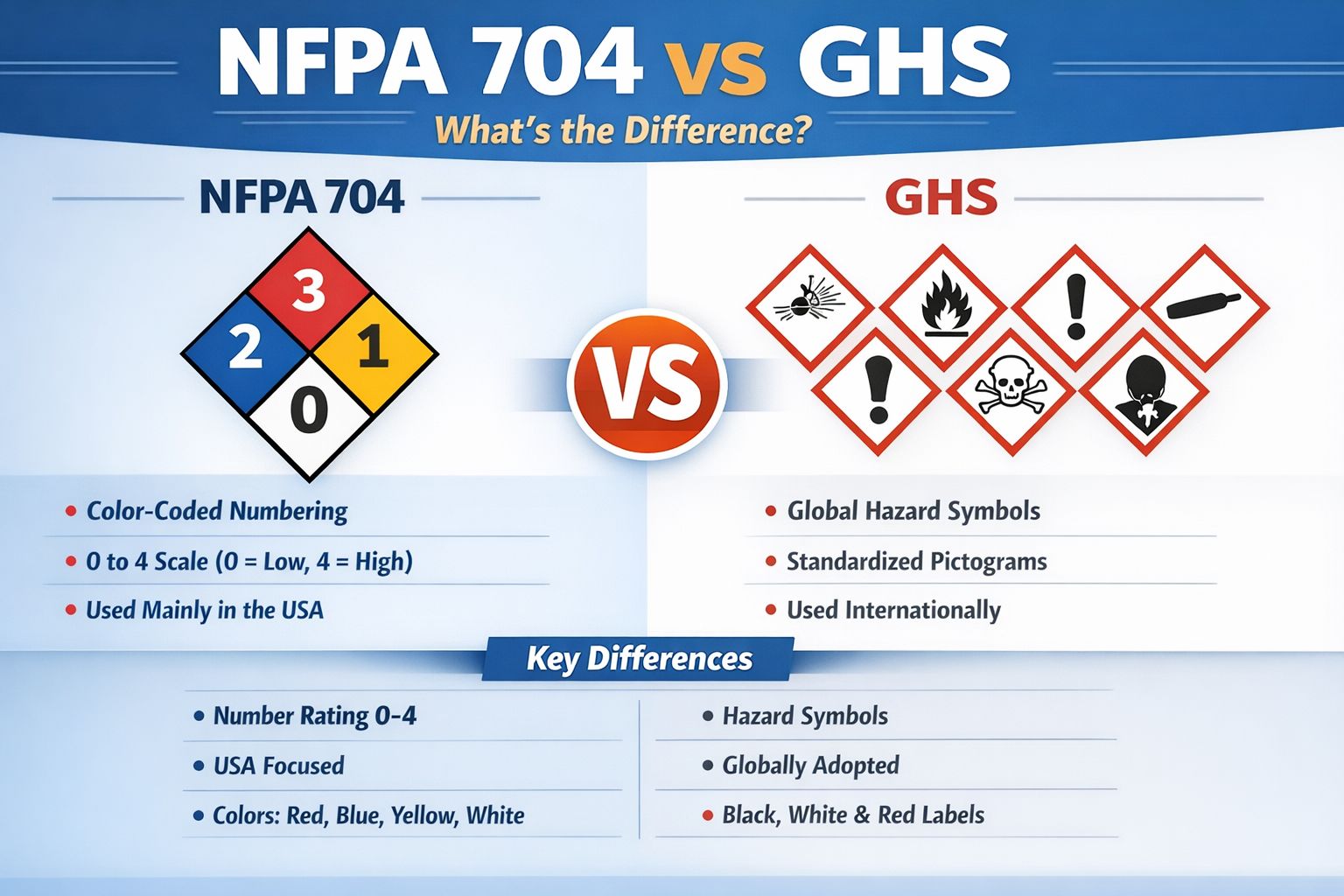
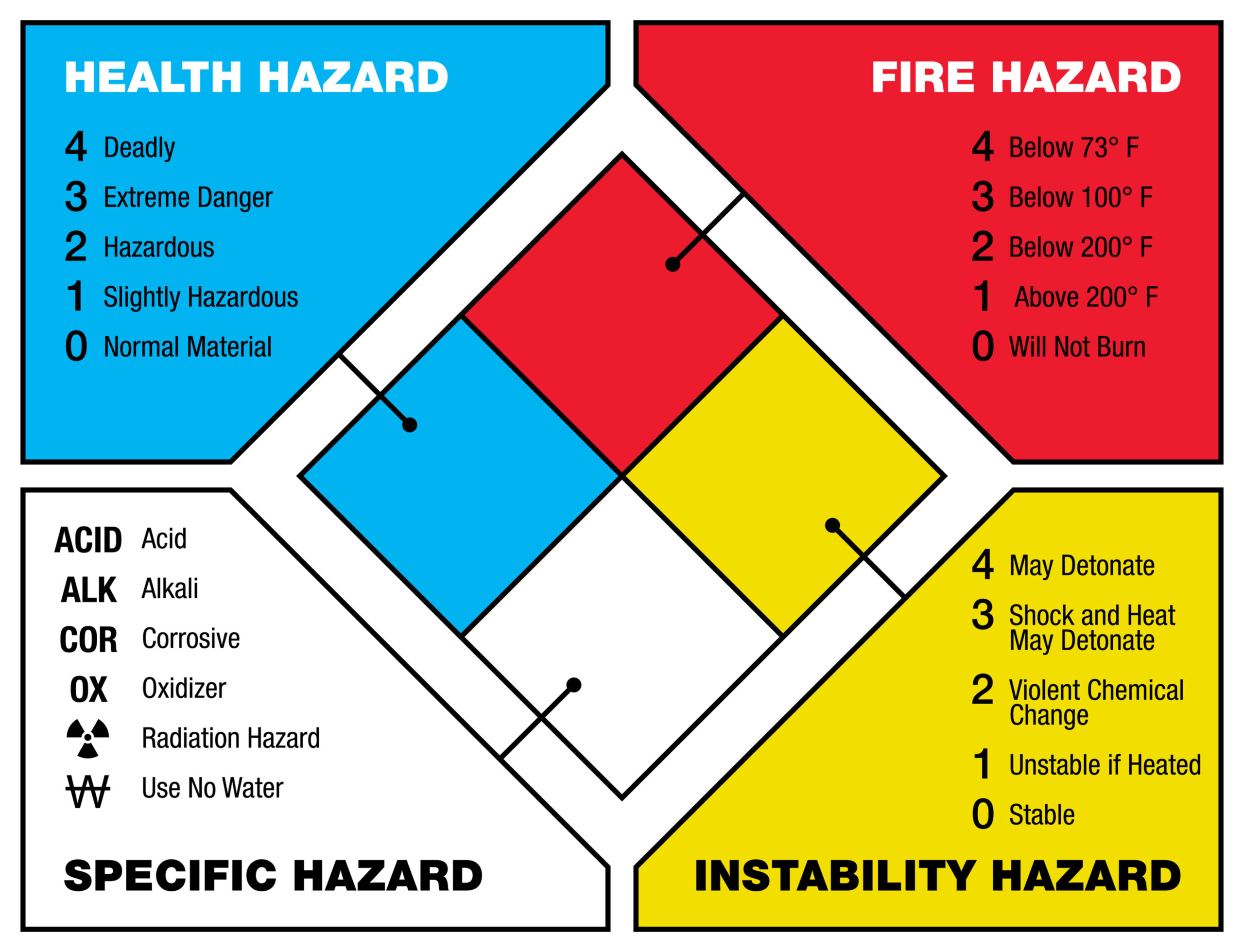
8. Hazardous Material Management: Implement proper management practices for handling, storage, and disposal of hazardous materials. This includes following appropriate labeling, storage, and handling procedures, as well as ensuring compliance with regulations related to hazardous material transportation and waste management.
9. Continuous Monitoring and Improvement: Establish a culture of continuous monitoring and improvement in terms of safety practices. Regularly review and assess safety protocols, conduct audits, and seek feedback from workers and residents to identify areas for improvement and implement necessary changes.
Preventing Gas Exposure
To avoid potential health risks, it is important to identify gas hazards, use protective equipment, conduct air monitoring, and practice good ventilation. Seeking medical help promptly can help diagnose and treat any adverse health effects of gas exposure. With adequate precautions and awareness of dangers, we can help protect people from toxic gas injuries and illnesses.
Conclusion
In summary, exposure to toxic gases can have significant health effects, ranging from respiratory issues and eye irritation to neurological and cardiovascular problems. Understanding these risks and implementing appropriate safety measures are essential in safeguarding individuals and communities from the harmful effects of toxic gas exposure.