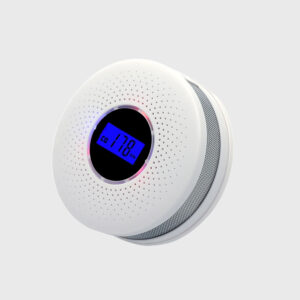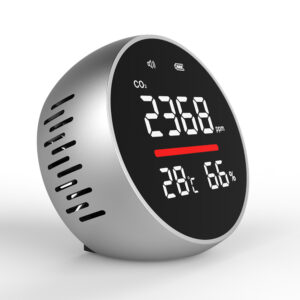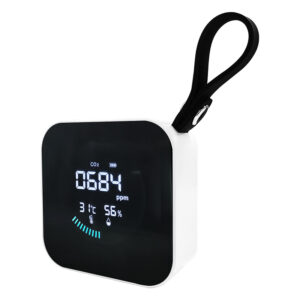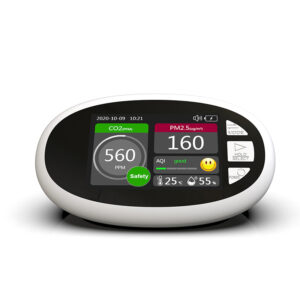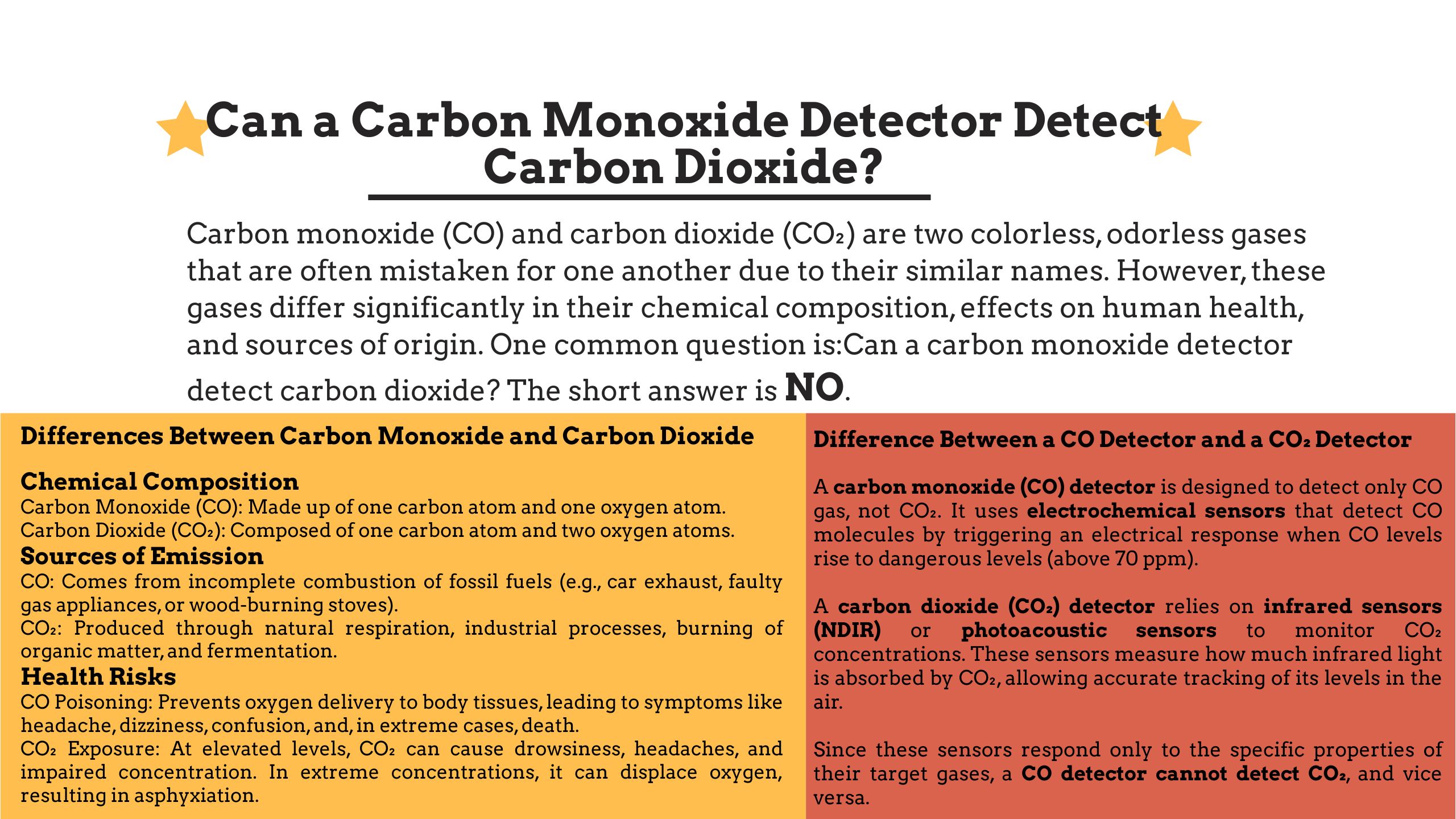
Carbon monoxide (CO) and carbon dioxide (CO₂) are two colorless, odorless gases that are often mistaken for one another due to their similar names. However, these gases differ significantly in their chemical composition, effects on human health, and sources of origin. One common question is: Can a carbon monoxide detector detect carbon dioxide? The short answer is no.
This article will explain why CO detectors cannot detect CO₂, the differences between these gases, their hazards, how the sensors work, and the proper tools needed for monitoring each gas. If you are looking to improve indoor air quality or ensure safe environments, understanding the specific roles of CO and CO₂ detectors is essential.
Differences Between Carbon Monoxide and Carbon Dioxide
1. Chemical Composition
- Carbon Monoxide (CO): Made up of one carbon atom and one oxygen atom.
- Carbon Dioxide (CO₂): Composed of one carbon atom and two oxygen atoms.

This extra oxygen molecule in CO₂ makes it more stable, while CO is a more reactive, toxic gas.
2. Sources of Emission
- CO: Comes from incomplete combustion of fossil fuels (e.g., car exhaust, faulty gas appliances, or wood-burning stoves).
- CO₂: Produced through natural respiration, industrial processes, burning of organic matter, and fermentation.
3. Health Risks
- CO Poisoning: Prevents oxygen delivery to body tissues, leading to symptoms like headache, dizziness, confusion, and, in extreme cases, death.
- CO₂ Exposure: At elevated levels, CO₂ can cause drowsiness, headaches, and impaired concentration. In extreme concentrations, it can displace oxygen, resulting in asphyxiation.
Given these differences, it’s crucial to use appropriate sensors for each gas to maintain safety.
More About CO and CO2 Same and Difference: Carbon Dioxide vs Carbon Monoxide Understanding the Differences
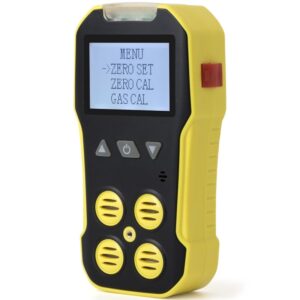
Difference Between a CO Detector and a CO₂ Detector
A carbon monoxide (CO) detector is designed to detect only CO gas, not CO₂. It uses electrochemical sensors that detect CO molecules by triggering an electrical response when CO levels rise to dangerous levels (above 70 ppm).
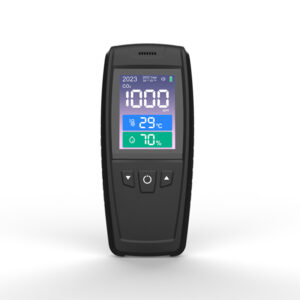
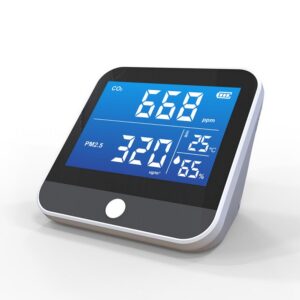
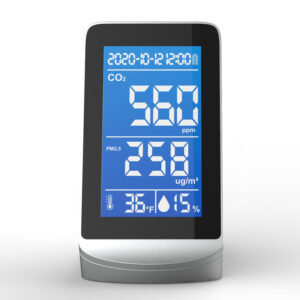
A carbon dioxide (CO₂) detector relies on infrared sensors (NDIR) or photoacoustic sensors to monitor CO₂ concentrations. These sensors measure how much infrared light is absorbed by CO₂, allowing accurate tracking of its levels in the air.
Since these sensors respond only to the specific properties of their target gases, a CO detector cannot detect CO₂, and vice versa.
How Carbon Monoxide Detectors Work
A typical carbon monoxide detector uses electrochemical sensors that react with CO gas. Inside the sensor, CO molecules generate a small electrical current, which triggers the alarm if the concentration exceeds a safe limit (usually 70 parts per million or higher).
Why a CO Detector Cannot Detect CO₂
Carbon monoxide detectors are designed specifically to detect CO molecules. Their sensors do not respond to carbon dioxide, as the chemical properties and behavior of CO₂ differ from CO. Even if CO₂ levels become dangerously high, a CO detector will not trigger an alarm because it is not equipped to detect it.
- Sensor Technology:
CO detectors use electrochemical sensors calibrated to react only with carbon monoxide, not with other gases like CO₂. These sensors rely on a chemical reaction between CO and a sensing electrode, which generates an electrical signal proportional to the concentration of CO. - Gas Behavior and Concentration:
Carbon dioxide levels that affect human health are much higher than those for carbon monoxide. A CO detector is designed to trigger an alarm at low CO concentrations (e.g., 50 ppm), whereas CO₂ concentrations typically need to reach thousands of ppm to pose health risks. As a result, CO detectors are not sensitive to the higher concentration range required for CO₂ detection. - Calibration Differences:
Gas detectors are calibrated for specific gases to ensure accuracy. A detector calibrated for CO will not respond correctly to CO₂ because the two gases interact differently with sensors. Trying to use a CO detector for CO₂ could result in false negatives, putting occupants at risk.
How Carbon Dioxide Detectors Work
Carbon dioxide detectors use infrared (IR) sensors or photoacoustic sensors to monitor the concentration of CO₂ in the air. These sensors work by measuring the absorption of infrared light—CO₂ molecules absorb light at a specific wavelength, which helps the detector measure their concentration accurately.
Applications of CO₂ Detection
- Indoor Air Quality (IAQ) Monitoring: To ensure fresh air levels in offices, classrooms, and public spaces.
- Industrial Safety: Monitoring high-CO₂ environments like breweries or greenhouses.
- HVAC Systems: Regulating ventilation based on occupancy levels.
CO₂ detection is essential for environments with poor ventilation where high concentrations may accumulate and pose a health risk.
Why Using the Right Detector Matters
Using the wrong detector could lead to severe consequences. If you attempt to monitor CO₂ with a CO detector, high CO₂ levels could go unnoticed, potentially leading to health risks. Similarly, relying on a CO₂ detector to monitor for CO poisoning can be life-threatening because it would not detect the toxic gas.
Common Scenarios Where Both CO and CO₂ Monitoring Is Needed
1. Homes and Apartments
- Install a CO detector near bedrooms and any fuel-burning appliances to prevent CO poisoning.
- Use a CO₂ monitor to ensure proper ventilation and air quality, especially in rooms that feel stuffy or overcrowded.
2. Schools and Offices
- Monitor CO₂ levels to maintain good indoor air quality and promote concentration and productivity among students and employees.
- CO detectors may be needed in areas with gas heating or kitchen appliances.
3. Restaurants and Bars
- CO₂ monitoring is essential in storage areas where beverage-grade CO₂ tanks are kept for carbonated drinks.
- CO detectors should be placed near fuel-based heating or cooking appliances.
4. Greenhouses and Grow Rooms
- Elevated CO₂ levels are often used to stimulate plant growth. A CO₂ monitor ensures that levels remain within the optimal range for plant health.
- CO detectors may also be necessary to ensure the safety of personnel working with fuel-powered CO₂ generators.
Why It’s Important to Monitor Both CO and CO₂ Separately
Both CO and CO₂ are important to monitor, but for different reasons. Understanding the role of each gas helps determine which type of monitoring device is needed for a particular environment.
- Carbon Monoxide Monitoring:
- CO monitoring is essential in spaces with potential exposure to combustion byproducts, such as garages, kitchens, and homes with gas heaters or fireplaces.
- A CO detector ensures immediate alerts if CO builds up, preventing poisoning and saving lives.
- Carbon Dioxide Monitoring:
- CO₂ monitoring is essential in indoor spaces with limited ventilation, such as classrooms, offices, and greenhouses.
- High CO₂ levels can impair cognitive performance and well-being, so maintaining proper ventilation and air circulation is critical.
Choosing the Right Detector for Your Needs
If you are uncertain which type of detector you need, consider the following:
- Concerned About Combustion Gas Leaks? Use a carbon monoxide detector.
- Monitoring Indoor Air Quality or Occupancy Levels? Use a carbon dioxide detector.
- Need Both? In areas with potential exposure to both gases, install both types of detectors for optimal safety.
How to Improve Indoor Air Quality
Beyond using detectors, there are additional steps to ensure good air quality:
- Proper Ventilation: Regularly open windows and use exhaust fans to circulate fresh air.
- Service Gas Appliances Regularly: Avoid CO build-up from malfunctioning devices.
- Monitor CO₂ Levels: Especially in crowded or poorly ventilated spaces.
- Use Air Purifiers and Filters: To remove other airborne contaminants.
Implementing these practices along with appropriate monitoring ensures a healthier and safer indoor environment.
Related Read: High CO2 Levels Indoors Will Surprise You: What You Need to Know
Don’t Wait to Protect Yourself
Whether you are monitoring for CO or CO₂, timely detection can save lives. Both gases are invisible and odorless, making detectors essential tools for safety.
Key Takeaways
- CO detectors cannot detect CO₂, and CO₂ detectors cannot detect CO.
- Use CO detectors for gas appliances and combustion sources, and CO₂ detectors for monitoring indoor air quality.
- Install detectors in the correct locations to ensure proper detection.
Don’t wait for an accident to happen—install appropriate detectors and maintain your appliances regularly to protect yourself and your loved ones. Safe environments start with proper gas detection and vigilance.
FAQ
Where Does Carbon Monoxide Come From?
Carbon monoxide is a by-product of incomplete combustion of fossil fuels. When fuels like gasoline, wood, or propane are burned without sufficient oxygen, CO forms instead of carbon dioxide. Common sources include:
- Vehicle exhaust in garages
- Gas stoves and ovens
- Faulty furnaces or water heaters
- Fireplaces and wood-burning stoves
- Generators or space heaters used indoors
Poor ventilation or malfunctioning appliances can lead to CO buildup, posing a life-threatening risk.
More about CO: What is Carbon Monoxide (CO)
Where Does Carbon Dioxide Come From?
Carbon dioxide is produced through several natural and human activities. Some common sources of CO₂ include:
- Respiration: Humans and animals exhale CO₂ during breathing.
- Burning fossil fuels: Power plants, vehicles, and factories release CO₂.
- Fermentation: Breweries and food industries produce CO₂ during fermentation processes.
- Greenhouses: CO₂ is often used to enhance plant growth.
While CO₂ is not toxic at normal levels, elevated concentrations in confined spaces can impair breathing and lead to health issues.
More About CO2: Understanding Carbon Dioxide (CO2): A Comprehensive Guide
Can You Detect CO with a CO₂ Detector?
No, a CO₂ detector cannot detect CO. The sensors used in CO₂ detectors are optimized to measure infrared absorption patterns specific to CO₂, while CO detectors rely on electrochemical reactions to detect the presence of CO. Using a CO₂ detector to monitor for CO gas can result in dangerous levels of CO going unnoticed.
Negative Health Effects Associated with Carbon Monoxide and Carbon Dioxide
Health Effects of Carbon Monoxide (CO) Exposure
CO binds to hemoglobin in the blood, preventing oxygen from being delivered to the body’s tissues. Prolonged exposure can result in:
- Headaches and dizziness
- Nausea and confusion
- Loss of consciousness
- Death in severe cases
Related Read: Understanding Carbon Monoxide Levels: A Comprehensive Guide
Health Effects of Carbon Dioxide (CO₂) Exposure
Elevated CO₂ levels displace oxygen and affect cognitive functions. Health effects may include:
- Headaches and drowsiness
- Difficulty concentrating
- Increased heart rate
- Asphyxiation at extremely high concentrations
Realted Read: Dangers of CO2: Everything You Need to Know
Both gases can be harmful, but CO poisoning is much more immediately life-threatening.
What Should I Do if I Suspect CO Poisoning?
If you suspect carbon monoxide poisoning, follow these steps immediately:
- Get everyone outside to fresh air.
- Call emergency services for assistance.
- Turn off all gas appliances if it is safe to do so.
- Do not re-enter the area until it has been cleared by professionals.
Regular maintenance of appliances and CO detectors installed near sleeping areas can help prevent CO exposure.
What Should I Do if I Suspect CO₂ Poisoning?
If you suspect high CO₂ levels indoors, take these steps:
- Open windows and doors to increase ventilation.
- Leave the area if you experience headaches or dizziness.
- Use a CO₂ monitor to measure concentration levels.
- Contact HVAC professionals to inspect ventilation systems if necessary.
Proper air circulation and CO₂ detection are especially important in enclosed spaces like greenhouses or basements.
What Is the Proper Height for a CO or CO₂ Sensor?
Placement of CO Detectors
CO is slightly lighter than air and can disperse throughout the room. The ideal placement for CO detectors is:
- On walls or ceilings, at least 5 feet above the ground.
- Near sleeping areas to ensure the alarm wakes occupants.
- Away from appliances that could trigger false alarms, such as stoves.
Placement of CO₂ Detectors
Since CO₂ is heavier than air, it tends to accumulate near the floor. Therefore, CO₂ detectors should be installed:
- At a lower height, closer to breathing zones or potential leak sources.
- In high-occupancy spaces like offices and classrooms.
Proper placement ensures accurate gas detection and faster responses to dangerous concentrations.
Conclusion
While both carbon monoxide and carbon dioxide are hazardous under certain conditions, they require different sensors for detection. A carbon monoxide detector cannot detect carbon dioxide, and vice versa. Understanding the differences between these gases and choosing the correct detectors is essential for maintaining air quality and ensuring safety.
Whether you are concerned about CO poisoning from faulty appliances or CO₂ build-up in crowded spaces, proper monitoring is key. Using the right detectors alongside good ventilation practices will help you create a safe and comfortable environment for everyone.


Leave a Reply