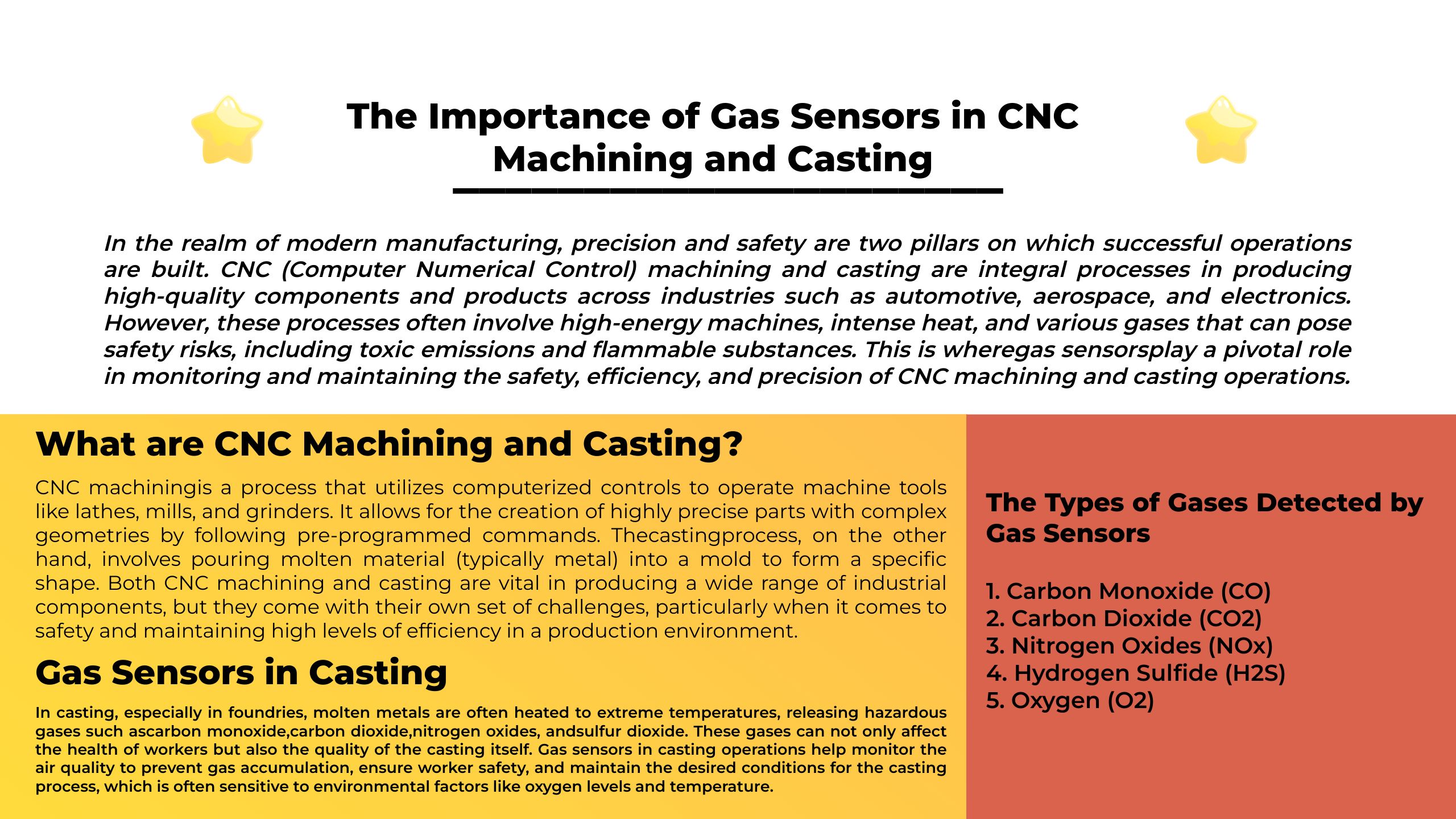
In the realm of modern manufacturing, precision and safety are two pillars on which successful operations are built. CNC (Computer Numerical Control) machining and casting are integral processes in producing high-quality components and products across industries such as automotive, aerospace, and electronics. However, these processes often involve high-energy machines, intense heat, and various gases that can pose safety risks, including toxic emissions and flammable substances. This is where gas sensors play a pivotal role in monitoring and maintaining the safety, efficiency, and precision of CNC machining and casting operations.
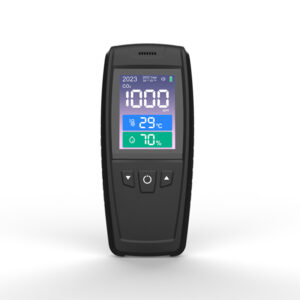
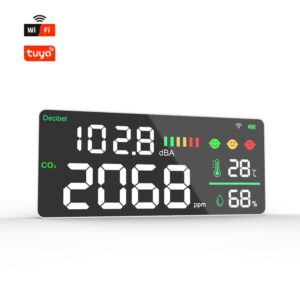
Gas sensors help detect harmful or hazardous gases, ensuring the work environment remains safe for operators while also improving operational efficiency. This article explores the role of gas sensors in CNC machining and casting, the types of gases they detect, their importance for workplace safety, and their impact on improving production processes.
1. The Role of Gas Sensors in CNC Machining and Casting
1.1. What are CNC Machining and Casting?
CNC machining is a process that utilizes computerized controls to operate machine tools like lathes, mills, and grinders. It allows for the creation of highly precise parts with complex geometries by following pre-programmed commands. The casting process, on the other hand, involves pouring molten material (typically metal) into a mold to form a specific shape. Both CNC machining and casting are vital in producing a wide range of industrial components, but they come with their own set of challenges, particularly when it comes to safety and maintaining high levels of efficiency in a production environment.
1.2. Gas Sensors in CNC Machining
During CNC machining, metalworking fluids (MWFs) such as coolants, lubricants, and cleaning agents are commonly used to cool and lubricate the cutting tool. These fluids, while essential for the process, can emit various gases, particularly when heated or mixed with metal particles. Gas sensors are employed to detect these gases to ensure that workers are not exposed to harmful fumes, particularly in high-speed operations that generate excessive heat and vapor. Additionally, CNC machines themselves often run on combustible gases or operate in environments with specific atmospheric conditions, requiring constant monitoring.
1.3. Gas Sensors in Casting
In casting, especially in foundries, molten metals are often heated to extreme temperatures, releasing hazardous gases such as carbon monoxide, carbon dioxide, nitrogen oxides, and sulfur dioxide. These gases can not only affect the health of workers but also the quality of the casting itself. Gas sensors in casting operations help monitor the air quality to prevent gas accumulation, ensure worker safety, and maintain the desired conditions for the casting process, which is often sensitive to environmental factors like oxygen levels and temperature.
2. The Types of Gases Detected by Gas Sensors
Gas sensors are designed to detect a variety of gases that can pose a risk in CNC machining and casting environments. Some of the most commonly detected gases include:
2.1. Carbon Monoxide (CO)
Carbon monoxide is a highly toxic gas that is produced when carbon-containing materials, such as lubricants and fuels, do not burn completely. In CNC machining, CO can be emitted by the machine’s cooling system, while in casting, it is typically released when molten metal interacts with organic materials or fuels. Gas sensors that detect CO are critical in preventing poisoning and ensuring that concentrations do not reach dangerous levels.
2.2. Carbon Dioxide (CO2)
Carbon dioxide is produced in both machining and casting operations, particularly during combustion and cooling processes. Though CO2 is not toxic at low levels, high concentrations can displace oxygen in the air, leading to suffocation. In casting, CO2 is also produced as a byproduct of metal mold reactions. Monitoring CO2 levels is essential to ensure that the atmosphere remains safe for workers.
2.3. Nitrogen Oxides (NOx)
Nitrogen oxides, which include nitric oxide (NO) and nitrogen dioxide (NO2), are produced during the combustion of fossil fuels and high-temperature processes. In CNC machining, NOx gases are commonly found in environments where welding, soldering, or brazing occurs, and they are frequently produced in casting when molten metals interact with atmospheric air. Prolonged exposure to NOx gases can irritate the respiratory system, requiring continuous monitoring to ensure worker safety.
2.4. Hydrogen Sulfide (H2S)
In certain types of CNC machining and casting, such as those involving metals like steel or cast iron, hydrogen sulfide may be released. This gas is hazardous and has a pungent odor, often associated with sulfur-containing metalworking fluids. Its detection is crucial in environments where high sulfur content is present, as high concentrations can be life-threatening.
In both CNC machining and casting, maintaining the correct oxygen levels is vital. Too little oxygen can lead to hazardous conditions, such as incomplete combustion of gases or inability to maintain desired temperatures in the casting process. Too much oxygen can increase the risk of fire or explosion, particularly in casting environments where flammable materials may be used. Gas sensors that monitor oxygen levels ensure optimal working conditions.
3. The Importance of Gas Sensors for Safety in CNC Machining and Casting
3.1. Preventing Toxic Gas Exposure
Exposure to harmful gases such as carbon monoxide, nitrogen oxides, and hydrogen sulfide can cause serious health issues, including respiratory problems, dizziness, and even death. CNC machining and casting operations produce these gases in significant quantities, particularly in confined spaces. Gas sensors help detect these gases in real time, triggering alarms when gas levels reach unsafe thresholds. This allows workers to take immediate action, evacuating or adjusting ventilation systems to ensure a safe working environment.
3.2. Fire and Explosion Prevention
In machining and casting, flammable gases and vapors, such as those from lubricants or fuel sources, can accumulate in the air. When combined with an ignition source, these gases can cause fires or explosions. Gas sensors designed to detect combustible gases (such as methane, propane, or acetylene) play a vital role in preventing such hazards. By monitoring gas concentrations and activating automatic shutdown systems or alarms, these sensors help prevent catastrophic incidents in machining and casting environments.
3.3. Ensuring Regulatory Compliance
Occupational safety regulations in many countries, such as OSHA in the United States, require manufacturers to ensure that their workers are not exposed to harmful gases above certain permissible exposure limits (PELs). Gas sensors provide real-time data that ensures compliance with these regulations, helping companies avoid legal penalties and maintain a safe working environment for employees. Additionally, these sensors allow for the generation of reports that can be used during audits or safety inspections.
3.4. Enhancing Worker Health and Comfort
The health and comfort of workers are paramount in CNC machining and casting. Constant exposure to high levels of industrial gases can result in long-term health issues, including chronic respiratory conditions, headaches, and fatigue. By using gas sensors to monitor air quality, manufacturers can reduce these risks, providing a healthier and more comfortable work environment. Proper gas detection systems also help ensure that workers are not exposed to dangerous levels of heat, gas, or other hazardous substances, allowing them to focus on their tasks with confidence.
4. The Impact of Gas Sensors on Operational Efficiency
4.1. Process Optimization in CNC Machining
Gas sensors can be used to optimize CNC machining processes by providing feedback about the quality of the air in the machine shop and the performance of the machine itself. For example, sensors that monitor temperature and oxygen levels can ensure that the machine operates within optimal parameters, improving the precision and quality of the finished product. Additionally, by preventing the accumulation of harmful gases, such as those from coolant vapors, sensors help improve the longevity of machinery by preventing corrosion or degradation of components.
4.2. Enhancing Casting Quality
In casting, the presence of certain gases can interfere with the mold filling process, affecting the final quality of the casted metal. For example, excessive oxygen can cause oxidation, while high levels of carbon monoxide can alter the material properties of the metal. Gas sensors in the casting environment help maintain the ideal atmospheric conditions for the metal’s cooling and solidification. This ensures high-quality products with minimal defects, reducing scrap rates and the need for rework.
4.3. Real-Time Data for Predictive Maintenance
Modern gas sensors can be integrated with Internet of Things (IoT) devices to provide real-time data for predictive maintenance. By monitoring gas levels and other environmental factors, sensors can detect issues in the machine or casting process before they lead to equipment failure. This allows operators to schedule maintenance proactively, reducing downtime and improving overall production efficiency.
5. Future Trends in Gas Sensing Technology
5.1. Wireless Gas Sensors
Wireless gas sensors, which use Bluetooth or Wi-Fi technology, are becoming increasingly popular in industrial environments, including CNC machining and casting. These sensors eliminate the need for complex wiring and allow for easy installation and mobility. Workers can carry handheld devices or use smart wearables that monitor gas levels in real-time, improving their ability to react quickly to changing environmental conditions.
5.2. Integration with Smart Factory Systems
The rise of Industry 4.0 and the increasing integration of smart technologies in manufacturing processes means that gas sensors will play a crucial role in the connected factory of the future. Gas sensors will not only monitor air quality but also feed data into centralized control systems, providing real-time insights into overall production health, energy usage, and safety metrics.
Conclusion
Gas sensors are an indispensable component in the modern CNC machining and casting industries, offering significant benefits in terms of safety, efficiency, and quality control. By detecting hazardous gases, monitoring air quality, and ensuring compliance with safety regulations, these sensors contribute to maintaining a safe and productive working environment. As technology continues to evolve, the role of gas sensors in manufacturing processes will expand, offering new opportunities to optimize operations, enhance worker well-being, and improve the overall quality of products.
With the continued integration of advanced sensor technologies into CNC machining and casting operations, manufacturers can look forward to safer, more efficient, and sustainable industrial practices in the years ahead.