Air pollution is a global concern, and particulate matter (PM) is one of its most significant components. PM refers to tiny particles suspended in the air, categorized based on their size. Common classifications include PM10, PM2.5, PM1, and PM0.1, each with distinct characteristics and health implications. This article delves into the differences between these particle sizes, their sources, health impacts, and mitigation strategies.
What Is Particulate Matter (PM)?
Particulate matter comprises a mixture of solid particles and liquid droplets found in the air. These particles vary in size, composition, and origin. PM is typically categorized into the following groups based on particle diameter:
- PM10: Particles with a diameter of 10 micrometers or less.
- PM2.5: Fine particles with a diameter of 2.5 micrometers or less.
- PM1: Ultrafine particles with a diameter of 1 micrometer or less.
- PM0.1: Nanoparticles with a diameter of 0.1 micrometers (100 nanometers) or less.
The smaller the particle, the deeper it can penetrate into the human respiratory system, posing greater health risks.
Comparison of PM10, PM2.5, PM1, and PM0.1
The following table highlights the key differences between these particle sizes:
| Category | Diameter (Micrometers) | Source | Health Effects | Penetration Depth |
|---|---|---|---|---|
| PM10 | ≤10 μm | Dust, pollen, mold, construction activities | Irritation of eyes, nose, throat, and lungs | Upper respiratory system |
| PM2.5 | ≤2.5 μm | Combustion engines, industrial processes, smoke | Respiratory and cardiovascular diseases | Bronchioles and alveoli in the lungs |
| PM1 | ≤1 μm | Combustion, chemical reactions, secondary PM | Chronic respiratory issues, systemic effects | Deep lung tissues and bloodstream |
| PM0.1 | ≤0.1 μm (Nanoparticles) | Vehicle exhaust, industrial emissions, cooking | Crosses blood-brain barrier, organ damage | Bloodstream, brain, and vital organs |
Sources of PM10, PM2.5, PM1, and PM0.1
1. PM10: Coarse Particles
- Natural Sources: Dust storms, pollen, volcanic activity, sea spray.
- Anthropogenic Sources: Construction activities, unpaved roads, agricultural operations.
2. PM2.5: Fine Particles
- Natural Sources: Wildfires, organic matter decay.
- Anthropogenic Sources: Vehicle exhaust, industrial processes, coal and biomass burning.
3. PM1: Ultrafine Particles
- Sources: Combustion processes, chemical reactions in the atmosphere, industrial fumes.
4. PM0.1: Nanoparticles
- Sources: Diesel exhaust, industrial emissions, indoor cooking, and heating appliances.
Health Impacts of Particulate Matter
The health effects of PM depend on the size of the particles:
- PM10: Causes upper respiratory irritation, leading to conditions like asthma and bronchitis.
- PM2.5: Linked to lung inflammation, chronic obstructive pulmonary disease (COPD), and cardiovascular diseases.
- PM1: Penetrates deeper into the lungs, exacerbating chronic respiratory issues and contributing to systemic inflammation.
- PM0.1: The most dangerous, as these nanoparticles can cross cellular barriers, entering the bloodstream and affecting organs like the brain, liver, and kidneys.
Vulnerable Groups
- Children: Higher respiratory rates make them more susceptible to PM inhalation.
- Elderly: Pre-existing conditions increase their risk of complications.
- Individuals with Chronic Diseases: Those with asthma, COPD, or heart disease are more vulnerable.
Environmental Impacts of PM
Air Quality Degradation
- PM contributes significantly to smog and haze, reducing visibility and air quality.
PM10 and Air Quality: What is the Impact of Coarse Particles (Particulate Matter)
Climate Change
- Fine particles can absorb or reflect sunlight, influencing atmospheric temperatures.
- Black carbon (a component of PM2.5 and PM1) contributes to global warming by absorbing solar radiation.
Ecosystem Damage
- Deposited PM can alter soil and water chemistry, affecting plant and aquatic life.
Monitoring and Mitigating Particulate Matter
A. Monitoring PM Levels
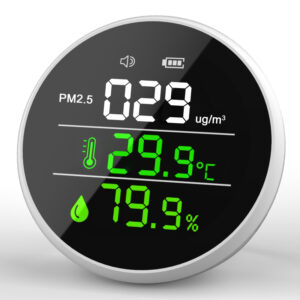
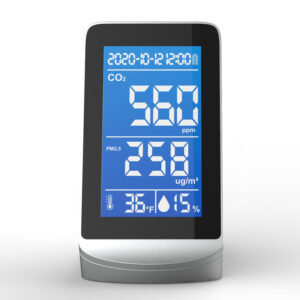
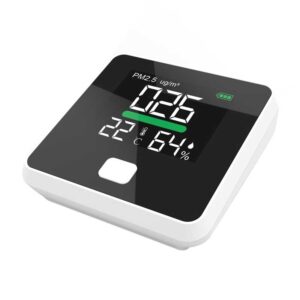
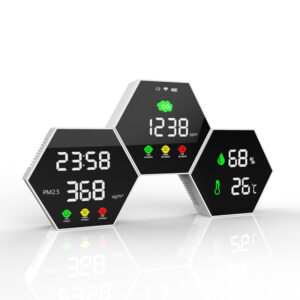
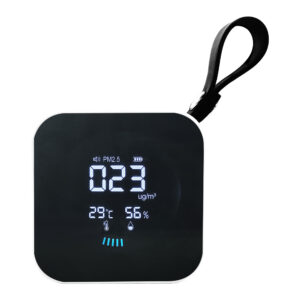
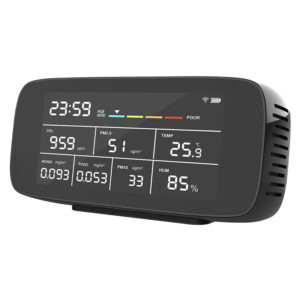
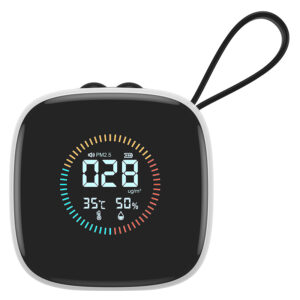
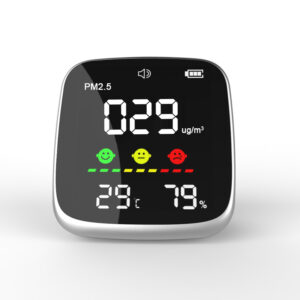
Modern air quality monitoring systems measure PM concentrations in real-time. The Air Quality Index (AQI) categorizes pollution levels, providing guidelines for public health safety.
B. Mitigation Strategies
1. Regulation and Policy:
- Implement stricter emission standards for industries and vehicles.
- Enforce bans on open burning of waste and crop residue.
2. Technology and Innovation:
- Promote cleaner fuels, such as natural gas or electricity, for transportation and energy generation.
- Use advanced air filters in homes and workplaces to reduce indoor PM exposure.
3. Urban Planning:
- Increase green cover in urban areas to act as natural air filters.
- Design cities to reduce traffic congestion, a significant source of PM.
4. Individual Actions:
- Use public transportation, cycle, or carpool to reduce vehicle emissions.
- Avoid burning wood, coal, or biomass indoors without proper ventilation.
- Monitor indoor air quality and use air purifiers when necessary.
Technological Advancements in PM Reduction
1. Air Purification Technologies
Modern air purifiers equipped with HEPA (High-Efficiency Particulate Air) filters can capture PM2.5, PM1, and even PM0.1 particles.
2. Low-Emission Vehicles
Electric and hybrid vehicles significantly reduce PM emissions compared to traditional combustion engines.
3. Industrial Innovations
- Adoption of scrubbers and electrostatic precipitators in factories helps capture fine and ultrafine particles.
- Transition to clean energy sources like solar, wind, and hydropower reduces industrial emissions.
The Future of Air Quality Management
The increasing focus on air pollution has led to global efforts aimed at reducing PM levels. Initiatives like the Paris Agreement emphasize the need to combat climate change and reduce emissions, including particulate matter. Advancements in AI-driven air quality monitoring and renewable energy adoption are paving the way for a cleaner, healthier future.
Conclusion
Particulate matter in the form of PM10, PM2.5, PM1, and PM0.1 poses significant health and environmental challenges. Understanding their sources, impacts, and mitigation strategies is essential for individuals, governments, and industries to combat air pollution effectively. By taking collective action and leveraging technology, we can minimize the dangers posed by particulate matter and ensure a cleaner, safer environment for future generations.