What is Hydrogen?

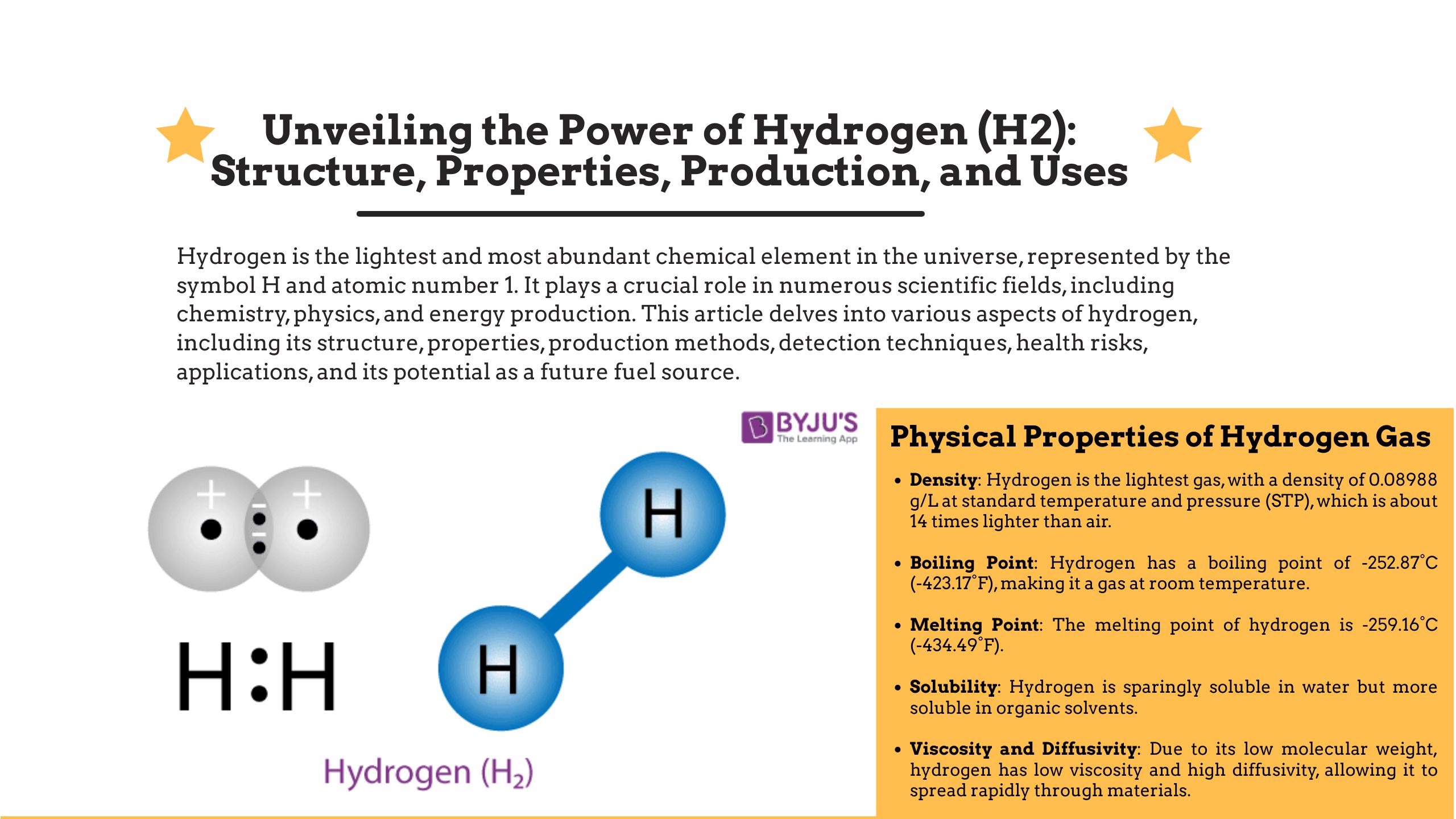
Hydrogen is the lightest and most abundant chemical element in the universe, represented by the symbol H and atomic number 1. It plays a crucial role in numerous scientific fields, including chemistry, physics, and energy production. This article delves into various aspects of hydrogen, including its structure, properties, production methods, detection techniques, health risks, applications, and its potential as a future fuel source.

Hydrogen Gas Structure – H₂
H2

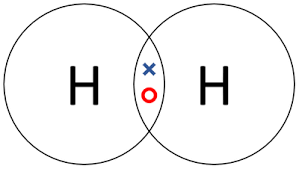
Hydrogen gas (H₂) is a diatomic molecule, meaning it consists of two hydrogen atoms bonded together. Each hydrogen atom has one proton and one electron. In H₂, these atoms share a pair of electrons, forming a covalent bond. This simple structure is the basis for hydrogen’s unique chemical properties and its behavior in various reactions.

Physical Properties of Hydrogen Gas – H₂
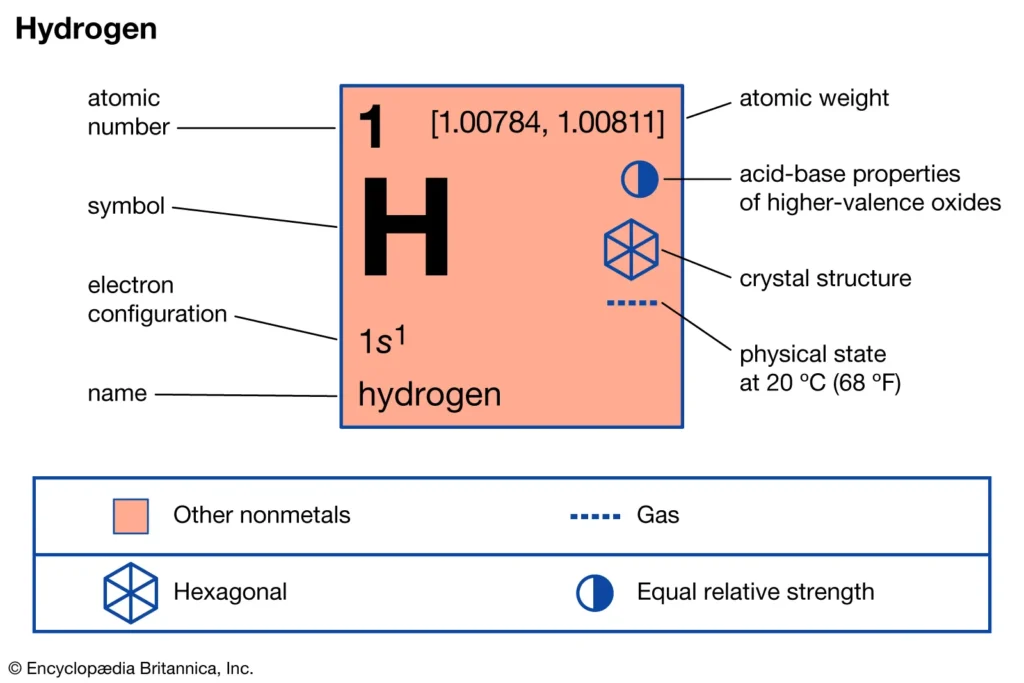
Hydrogen H Its symbol square hydrogen properties

(Source: https://www.britannica.com/science/hydrogen)

Hydrogen gas is colorless, odorless, tasteless, and highly flammable. Some of its key physical properties include:

  • Density: Hydrogen is the lightest gas, with a density of 0.08988 g/L at standard temperature and pressure (STP), which is about 14 times lighter than air.
  • Boiling Point: Hydrogen has a boiling point of -252.87°C (-423.17°F), making it a gas at room temperature.
  • Melting Point: The melting point of hydrogen is -259.16°C (-434.49°F).
  • Solubility: Hydrogen is sparingly soluble in water but more soluble in organic solvents.
  • Viscosity and Diffusivity: Due to its low molecular weight, hydrogen has low viscosity and high diffusivity, allowing it to spread rapidly through materials.

Chemical Properties of Hydrogen Gas – H₂
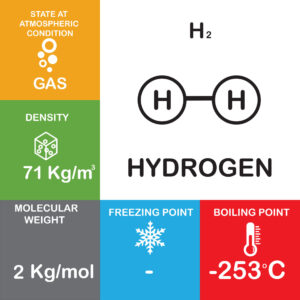
h2 molecule properties and chemical compound structure

(Source: https://www.vecteezy.com/)

Hydrogen is chemically active and participates in various types of reactions:

  • Combustion: Hydrogen burns in the presence of oxygen to form water (H₂O), releasing energy in the process. The reaction is as follows:
    [ 2H₂ + O₂ → 2H₂O + energy ]
  • Reduction and Oxidation: Hydrogen can act as a reducing agent by donating electrons to other substances, and as an oxidizing agent by accepting electrons.
  • Formation of Hydrides: Hydrogen reacts with many elements to form hydrides. For example, it reacts with metals to form metal hydrides like sodium hydride (NaH).
  • Acid-Base Reactions: Hydrogen ions (protons) play a central role in acid-base chemistry, where they are transferred between molecules during reactions.


Reactivity of Hydrogen

Hydrogen is highly reactive, particularly under specific conditions such as high temperature or in the presence of catalysts. It readily forms compounds with most elements:

  • Reaction with Halogens: Hydrogen reacts with halogens (e.g., chlorine) to form hydrogen halides (e.g., HCl).
  • Reaction with Nitrogen: Under high temperature and pressure, hydrogen reacts with nitrogen to form ammonia (NH₃) via the Haber process:
    [ 3H₂ + N₂ → 2NH₃ ]
  • Catalytic Reactions: Hydrogen participates in catalytic reactions such as hydrogenation, where it is added to unsaturated compounds to form saturated compounds.

How is Hydrogen Produced?

Hydrogen production methods can be broadly categorized into several types:

  • Steam Methane Reforming (SMR): The most common method, where methane reacts with steam under high temperature to produce hydrogen, carbon monoxide, and carbon dioxide.
    [ CH₄ + H₂O → CO + 3H₂ ]
  • Electrolysis: Water is split into hydrogen and oxygen using electrical energy. This method can produce “green hydrogen” if renewable energy sources are used.
    [ 2H₂O → 2H₂ + O₂ ]
  • Partial Oxidation: Hydrocarbons are partially oxidized to produce hydrogen and carbon dioxide.
    [ CH₄ + ½O₂ → CO + 2H₂ ]
  • Biomass Gasification: Organic materials are converted into hydrogen, carbon monoxide, and carbon dioxide through high-temperature gasification.
  • Photolysis and Biological Processes: Emerging technologies involve using sunlight or biological organisms to produce hydrogen from water.

More About Hydrogen Produced: Production and applications of hydrogen

How to Detect Hydrogen

Detecting hydrogen is crucial for safety and industrial applications. Several methods are used:

  • Gas Chromatography: Separates hydrogen from other gases for measurement.
  • Mass Spectrometry: Measures hydrogen ions to determine concentration.
  • Electrochemical Sensors: Detect hydrogen by measuring changes in electrical properties when hydrogen interacts with the sensor material.
  • Thermal Conductivity Detectors: Measure the thermal conductivity of gas mixtures to detect hydrogen.
  • Optical Sensors: Use light absorption or emission properties of hydrogen for detection.

More About Hydrogen Sensor: Hydrogen Sensor: Detecting the Presence of H2 Gas

Health Risks and Handling of H₂

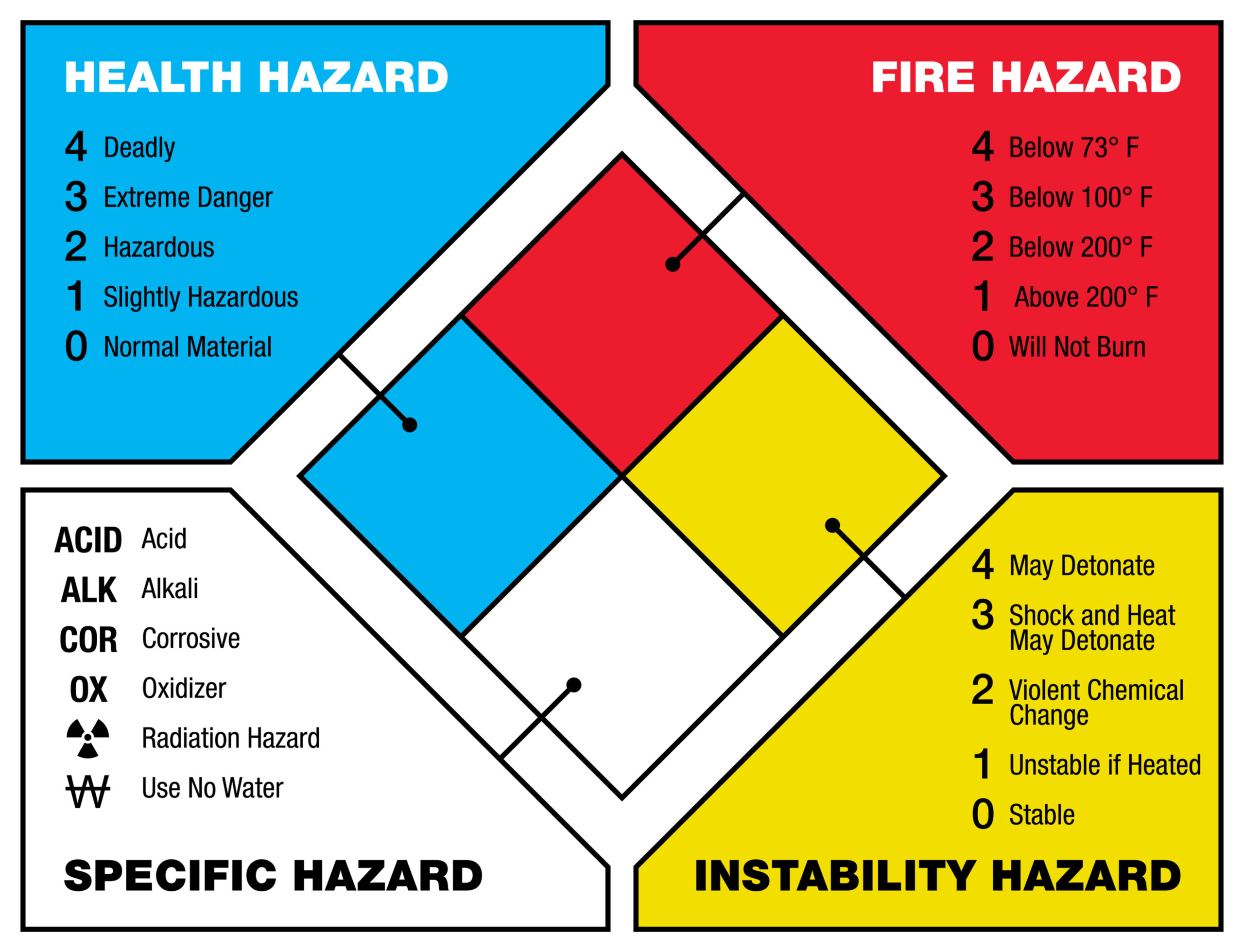
While hydrogen is non-toxic, it poses several safety risks:

  • Flammability: Hydrogen is highly flammable and can form explosive mixtures with air.
  • Asphyxiation: In high concentrations, hydrogen can displace oxygen in the air, leading to suffocation.
  • Cryogenic Burns: Liquid hydrogen is extremely cold and can cause severe frostbite upon contact.

Safe handling of hydrogen involves using proper ventilation, leak detection systems, and following stringent safety protocols to prevent accidents.

Uses of Hydrogen Gas – H₂

Hydrogen has a wide range of applications:

  • Industrial Processes: Used in the production of ammonia, methanol, and in refining petroleum.
  • Fuel Cells: Hydrogen fuel cells generate electricity through an electrochemical reaction, producing only water and heat as byproducts.
  • Metallurgy: Used in reducing metal ores and preventing oxidation during manufacturing.
  • Food Industry: Hydrogenation of fats and oils to produce margarine and other products.
  • Rocket Fuel: Liquid hydrogen is used as a high-energy fuel for rocket propulsion.

The Future is Fuel?

Hydrogen is increasingly viewed as a critical component of the future energy landscape. Its potential as a clean energy source, particularly for transportation and industrial applications, is driving significant research and investment.

FAQ

Q: Is hydrogen already being used as a fuel?

A: Yes, hydrogen is currently used as a fuel in various applications, including fuel cell vehicles, industrial processes, and space exploration. Fuel cell technology is advancing, making hydrogen an increasingly viable alternative to fossil fuels.

Q: Hydrogen calibration gas

A: Calibration gas is a reference gas mixture used to calibrate sensors and analytical instruments. Hydrogen calibration gas ensures accurate measurements in various applications, from environmental monitoring to industrial safety.

Q: Why is hydrogen important as a future clean energy source?

A: Hydrogen is abundant, produces zero emissions when used in fuel cells, and can be produced from renewable resources. It has the potential to reduce dependence on fossil fuels and lower greenhouse gas emissions.

Q: What’s the difference between blue hydrogen and green hydrogen?

A: Blue hydrogen is produced from natural gas with carbon capture and storage to reduce emissions. Green hydrogen is produced via electrolysis using renewable energy sources, resulting in zero emissions during production.

Q: What are the potential brakes to speeding up hydrogen use as a clean energy?

A: Challenges include high production costs, lack of infrastructure, storage and transportation difficulties, and the need for technological advancements. Overcoming these barriers requires substantial investment and coordinated efforts across industries and governments.

Conclusion

Hydrogen gas (H2) is a versatile and abundant element with remarkable properties and reactivity. Its production, detection, and safe handling are essential considerations. From its industrial applications to its potential as a clean fuel, hydrogen holds great promise for a sustainable and energy-efficient future.

[post-views]

Leave a Reply

Your email address will not be published. Required fields are marked *