Carbon dioxide (CO2) is a naturally occurring gas that is crucial to life on Earth. It plays a significant role in processes such as photosynthesis, respiration, and climate regulation. However, when CO2 levels rise indoors, it can have surprising and concerning effects on human health, productivity, and overall air quality.
Indoor environments are often more polluted than we realize, with CO2 levels sometimes rising to unhealthy concentrations. As we spend an increasing amount of time inside—whether at home, work, or school—understanding the impact of high CO2 levels indoors becomes more critical. This article will explore why high CO2 levels indoors can be a problem, how they affect our health and performance, and what can be done to maintain safe indoor air quality.
Why Measure CO2 Indoors?
Elevated levels of carbon dioxide (CO2) can negatively impact indoor air quality, leading to several health issues and reduced cognitive performance. Unlike outdoor environments, indoor spaces often have less ventilation, making it easier for CO2 to accumulate, especially in places where people gather in large numbers, such as offices, schools, and homes.
CO2 is not inherently harmful at low levels, but as it increases, it can lead to problems such as drowsiness, headaches, difficulty concentrating, and in severe cases, respiratory issues. Monitoring CO2 levels helps ensure that indoor air remains safe and comfortable, contributing to better health, productivity, and overall well-being.
What Causes High CO2 Levels Indoors?
Carbon dioxide indoors primarily comes from human respiration. Every time we exhale, we release CO2 into the air. In spaces with poor ventilation or a large number of occupants, CO2 concentrations can accumulate quickly. Several factors can contribute to elevated CO2 levels indoors:
Lack of Ventilation: Enclosed spaces with limited airflow, such as offices, classrooms, and homes, tend to trap CO2. Without adequate ventilation, this buildup can become dangerous over time.
High Occupancy: The more people in a room, the higher the CO2 levels. Spaces like conference rooms, meeting areas, and crowded classrooms are especially prone to CO2 buildup.
Sealed Buildings: Many modern buildings are designed to be airtight for energy efficiency. While this reduces energy costs, it also limits the exchange of indoor and outdoor air, leading to higher indoor CO2 levels.
Heating and Cooling Systems: HVAC systems can sometimes recycle air rather than introduce fresh outdoor air, allowing CO2 levels to rise.
What is the Acceptable CO2 Level in Buildings?
The acceptable CO2 levels indoors can vary depending on the type of building and its purpose. Generally, the concentration of CO2 outdoors is about 400 ppm (parts per million). Indoors, however, the levels can rise much higher due to human activities, especially in poorly ventilated spaces.
Normal Indoor Levels: 400-800 ppm – This range is considered safe and typical for most indoor environments.
Moderate Levels: 800-1000 ppm – This level indicates that ventilation could be improved. Symptoms such as drowsiness and mild headaches might occur, especially for sensitive individuals.
High Levels: 1000-2000 ppm – At this range, occupants might experience noticeable discomfort, including headaches, drowsiness, and difficulty concentrating. Cognitive performance may be impaired.
Dangerous Levels: Above 2000 ppm – Prolonged exposure to these levels can result in serious health effects, including nausea, dizziness, and an increased risk of respiratory issues. At extreme levels (5000 ppm or higher), CO2 can be life-threatening.
In general, CO2 levels should be kept below 1000 ppm in buildings to ensure a healthy and productive environment.
Safe CO2 Levels Indoors
Maintaining safe CO2 levels indoors is essential for ensuring good air quality. Safe levels are generally considered to be under 1000 ppm, with levels between 400-800 ppm being ideal for most indoor environments.
Schools and Workplaces: Keeping CO2 levels under 1000 ppm is recommended for classrooms, offices, and other workplaces where cognitive performance is critical.
Homes: In residential spaces, CO2 levels should remain as close to outdoor levels as possible, ideally under 800 ppm.
High-Occupancy Areas: In areas with a high number of occupants, such as gyms, restaurants, and public buildings, CO2 levels should be regularly monitored to prevent them from rising too high.
Maintaining safe CO2 levels can help prevent issues such as fatigue, headaches, and concentration problems, leading to a healthier and more productive indoor environment.
High CO2 levels can significantly affect both physical and mental well-being. These effects are often subtle but can add up, especially in environments where people spend long periods, such as offices, schools, or homes.
1. Cognitive Performance
Perhaps the most surprising and concerning effect of elevated CO2 levels is the impact on cognitive function. Research shows that CO2 concentrations above 1000 ppm can impair decision-making, reduce focus, and slow reaction times. A study by the Harvard T.H. Chan School of Public Health found that people exposed to CO2 levels around 1400 ppm performed much worse on cognitive tasks than those exposed to levels of 600 ppm. In high-CO2 environments, employees may find it harder to concentrate, students may struggle with learning, and overall productivity can decline.
2. Physical Symptoms
As CO2 levels rise, people may start to experience a range of physical symptoms, including:
Headaches: CO2 dilates blood vessels in the brain, leading to pressure and discomfort.
Drowsiness: Increased CO2 can cause fatigue and tiredness, making it difficult to stay awake and alert.
Shortness of Breath: High CO2 concentrations can interfere with the body’s ability to exchange oxygen, leading to difficulty breathing.
Nausea and Dizziness: Prolonged exposure to very high CO2 levels can cause more severe symptoms like nausea, dizziness, and confusion.
3. Health Risks
While the immediate effects of high CO2 levels are discomfort and reduced productivity, long-term exposure can pose more serious health risks. Prolonged exposure to very high levels of CO2 (above 5000 ppm) can lead to respiratory issues and exacerbate pre-existing conditions like asthma. In extreme cases, very high concentrations can even be life-threatening, although such levels are rare in typical indoor environments.
Monitoring CO2 Levels Indoors
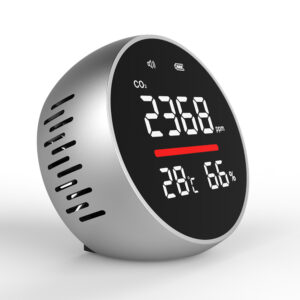
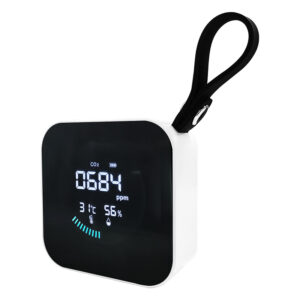
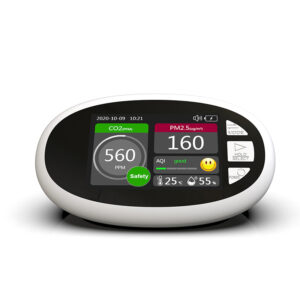
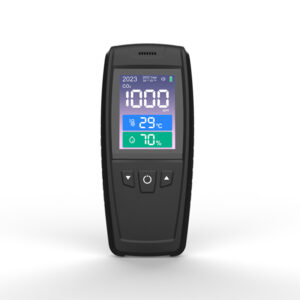
Given the potential risks of elevated CO2 levels, it’s essential to monitor and control indoor air quality. The first step in managing CO2 concentrations is to regularly measure them. CO2 sensors are widely available and can provide real-time readings of indoor air quality.
Types of CO2 Sensors
There are several types of CO2 sensors available, each with varying levels of sensitivity and features:
NDIR (Non-Dispersive Infrared) Sensors: The most common type of CO2 sensor, NDIR sensors use infrared light to detect CO2 levels. They are reliable, accurate, and widely used in commercial and residential applications.
Electrochemical Sensors: These sensors detect CO2 by measuring the electrical changes that occur when CO2 is absorbed by a chemical solution. They are typically used in more specialized applications.
Once high CO2 levels are detected, there are several steps that can be taken to reduce them and improve indoor air quality.
1. Increase Ventilation
The most effective way to reduce CO2 levels is to introduce more fresh air into the space. This can be done by opening windows, using exhaust fans, or adjusting HVAC systems to allow for more outdoor air intake.
2. Optimize HVAC Systems
Modern HVAC systems can be equipped with CO2 sensors that automatically adjust airflow based on CO2 levels. These systems ensure that spaces are ventilated when needed, helping to maintain optimal indoor air quality.
3. Limit Occupancy
In high-occupancy spaces, limiting the number of people in a room or staggering their use of the space can help prevent CO2 levels from rising too quickly. This is especially important in classrooms, offices, and conference rooms.
Some studies suggest that indoor plants can help absorb CO2 and improve air quality. While the effect may be modest, adding greenery to indoor spaces can contribute to fresher air and provide additional health benefits.
Install CO2 Monitors: Use CO2 monitors in enclosed spaces to track air quality. Look for sensors that provide real-time data and alarms for high CO2 levels.
Ventilate Frequently: Regularly open windows or use mechanical ventilation to allow fresh air to circulate and prevent CO2 buildup.
Maintain HVAC Systems: Ensure that HVAC systems are functioning correctly and equipped to handle indoor CO2 levels. Regular maintenance will help keep them efficient.
Avoid Overcrowding: Be mindful of occupancy levels in rooms or buildings. Limiting the number of occupants can help prevent CO2 levels from rising too high.
By understanding the importance of CO2 management, you can maintain healthier indoor environments that enhance well-being and performance.
How Can I Monitor My CO2 Levels?
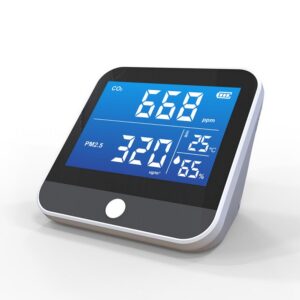
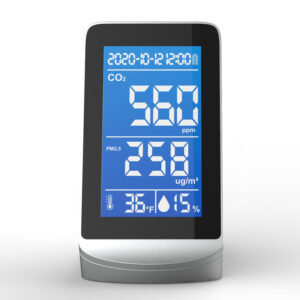
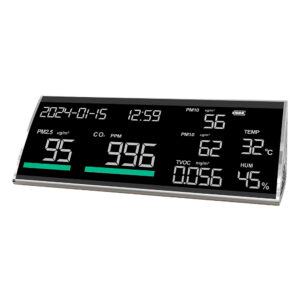
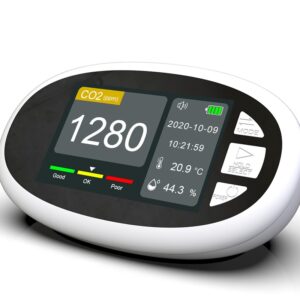
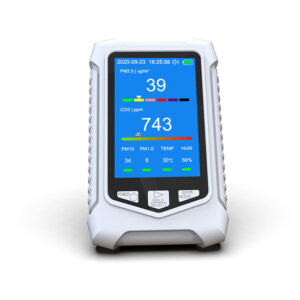
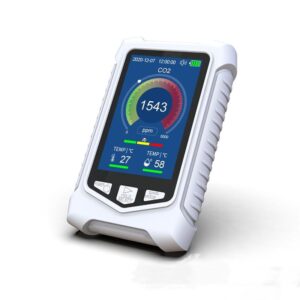
Monitoring CO2 levels in your home or workplace can be done easily with modern technology. There are several types of CO2 monitors available, ranging from simple devices to more advanced systems.
Handheld CO2 Monitors: These are portable devices that allow you to take spot measurements in different rooms or areas. They are great for occasional checks of CO2 levels.
Fixed CO2 Monitors: These monitors are installed in a specific location and provide continuous readings of CO2 levels. They can be connected to an alarm system or ventilation controls for automatic adjustment.
Smart CO2 Monitors: Many smart home systems now offer CO2 monitoring as part of their environmental control features. These devices provide real-time data and can be controlled via smartphone apps, allowing you to monitor CO2 levels remotely.
By using one or more of these methods, you can ensure that your indoor environment remains safe and comfortable, with CO2 levels kept within acceptable limits.
High CO2 levels indoors are more than just a minor inconvenience—they can significantly impact health, productivity, and overall well-being. Poor indoor air quality, driven by elevated CO2 levels, can result in cognitive impairment, physical discomfort, and long-term health risks. Monitoring and controlling indoor CO2 concentrations is crucial for creating healthy and productive living and working environments.
By using CO2 sensors, optimizing ventilation, and taking steps to reduce indoor CO2 accumulation, businesses, schools, and homeowners can ensure safer and healthier indoor spaces. Whether you’re managing a large office building, running a classroom, or simply improving air quality at home, paying attention to CO2 levels will lead to better outcomes for everyone involved.