

Indoor air quality (IAQ) is an essential aspect of creating a healthy living environment. Poor IAQ can lead to a range of health issues, including respiratory problems, allergies, and even cognitive impairments. One effective way to improve IAQ is through the use of indoor plants. These plants not only enhance the aesthetic appeal of your home but also help remove toxins and pollutants from the air. This guide explores the best plants for cleaning indoor air and provides insights into their benefits and care requirements.
The Science Behind Plants and Air Quality
Plants are natural air purifiers. Through the process of photosynthesis, they absorb carbon dioxide and release oxygen. Additionally, plants can absorb harmful chemicals and toxins through their leaves and roots, converting them into harmless substances. This ability makes them effective in reducing indoor air pollutants such as volatile organic compounds (VOCs), formaldehyde, benzene, trichloroethylene, and ammonia.
Key Pollutants Targeted by Indoor Plants
- Formaldehyde: Commonly found in building materials, smoking, household products, and fuel-burning appliances.
- Benzene: Present in tobacco smoke, vehicle exhausts, and certain plastics, resins, and synthetic fibers.
- Trichloroethylene: Used in industrial processes and found in certain cleaning products and adhesives.
- Ammonia: Found in cleaning products, fertilizers, and animal waste.
You May Like: Strategies for Improving Indoor Air Quality (IAQ)
Top Plants for Improving Indoor Air Quality
1. Spider Plant (Chlorophytum comosum)
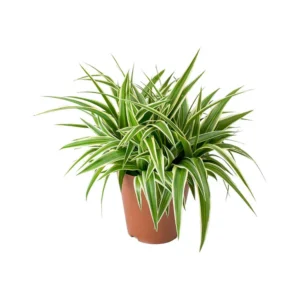
Spider plants are highly effective in removing formaldehyde, xylene, and toluene from the air. They are easy to care for and thrive in indirect sunlight. Spider plants also produce small white flowers and can propagate through their offshoots, making them a low-maintenance and attractive addition to any indoor space.
- Light: Indirect sunlight
- Water: Moderate watering, allowing the soil to dry between waterings
- Temperature: Prefers temperatures between 60-75°F (16-24°C)
2. Peace Lily (Spathiphyllum)
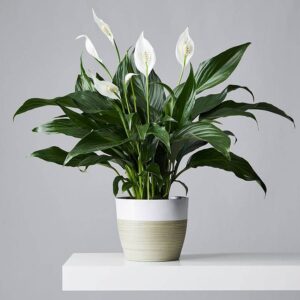
Peace lilies are excellent at removing indoor air pollutants, including ammonia, benzene, formaldehyde, and trichloroethylene. They are known for their broad, dark green leaves and beautiful white flowers. Peace lilies are relatively low-maintenance and can thrive in low-light conditions.
- Light: Low to medium indirect light
- Water: Keep soil moist but not soggy; water less frequently in winter
- Temperature: Prefers temperatures between 65-80°F (18-27°C)
3. Snake Plant (Sansevieria trifasciata)
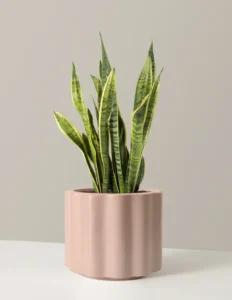
Also known as mother-in-law’s tongue, snake plants are highly resilient and can survive in various light conditions. They are effective at removing formaldehyde, xylene, toluene, and nitrogen oxides. Snake plants have stiff, upright leaves with green and yellow variegation, adding a modern touch to your decor.
- Light: Low to bright indirect light
- Water: Allow soil to dry completely between waterings
- Temperature: Prefers temperatures between 60-85°F (16-29°C)
4. Aloe Vera (Aloe barbadensis miller)
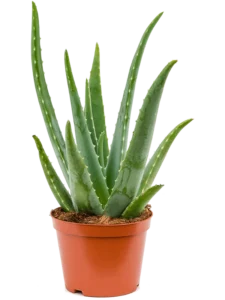
Aloe vera is not only known for its medicinal properties but also its ability to improve indoor air quality. It can effectively remove formaldehyde and benzene from the air. Aloe vera plants are easy to care for and require minimal watering, making them ideal for beginners.
- Light: Bright, indirect sunlight
- Water: Infrequent watering; allow soil to dry out between waterings
- Temperature: Prefers temperatures between 55-80°F (13-27°C)
5. Boston Fern (Nephrolepis exaltata)

Boston ferns are excellent at removing formaldehyde and xylene from the air. They have lush, arching fronds that add a touch of greenery to any room. Boston ferns require a bit more maintenance compared to other indoor plants, as they need consistent moisture and humidity.
- Light: Indirect sunlight
- Water: Keep soil consistently moist; mist regularly to maintain humidity
- Temperature: Prefers temperatures between 60-75°F (16-24°C)
6. Areca Palm (Dypsis lutescens)
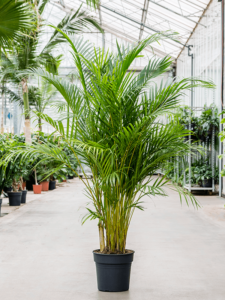
Areca palms are effective at removing a variety of indoor air pollutants, including formaldehyde, xylene, and toluene. They have feathery, arching fronds that can grow quite tall, making them a striking addition to any indoor space. Areca palms prefer bright, indirect light and moderate watering.
- Light: Bright, indirect sunlight
- Water: Moderate watering; allow soil to dry slightly between waterings
- Temperature: Prefers temperatures between 65-75°F (18-24°C)
7. English Ivy (Hedera helix)
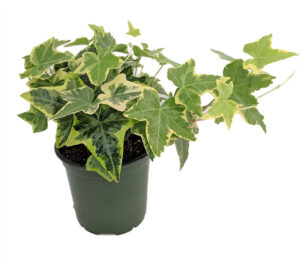
English ivy is particularly effective at removing formaldehyde and benzene. It is a versatile plant that can be grown in hanging baskets, as a climber, or as ground cover. English ivy requires moderate light and regular watering.
- Light: Bright, indirect light
- Water: Keep soil consistently moist; reduce watering in winter
- Temperature: Prefers temperatures between 50-70°F (10-21°C)
8. Golden Pothos (Epipremnum aureum)

Golden pothos, also known as devil’s ivy, is an excellent air purifier that removes formaldehyde, benzene, and xylene. It is a hardy plant that can tolerate low light and irregular watering. Golden pothos has attractive, heart-shaped leaves with yellow variegation.
- Light: Low to bright indirect light
- Water: Allow soil to dry out between waterings
- Temperature: Prefers temperatures between 60-80°F (16-27°C)
9. Rubber Plant (Ficus elastica)
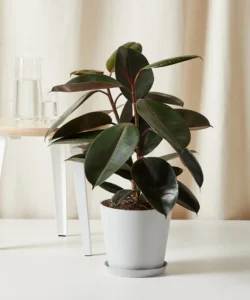
Rubber plants are effective at removing formaldehyde from indoor air. They have large, glossy leaves that add a tropical feel to your home. Rubber plants require moderate light and regular watering, with occasional misting to maintain humidity.
- Light: Bright, indirect light
- Water: Keep soil moist but not soggy; reduce watering in winter
- Temperature: Prefers temperatures between 60-75°F (16-24°C)
10. Gerbera Daisy (Gerbera jamesonii)

Gerbera daisies are not only known for their bright, colorful flowers but also their ability to remove benzene, formaldehyde, and trichloroethylene from the air. They require bright light and well-drained soil.
- Light: Bright, direct sunlight
- Water: Water thoroughly; allow soil to dry out between waterings
- Temperature: Prefers temperatures between 60-75°F (16-24°C)
Care Tips for Indoor Plants
To maximize the air-purifying benefits of your indoor plants, proper care is essential. Here are some general tips for maintaining healthy indoor plants:
- Light: Ensure that your plants receive the appropriate amount of light for their specific needs. Most air-purifying plants thrive in indirect sunlight.
- Watering: Overwatering is a common mistake. Allow the soil to dry out slightly between waterings, and adjust the frequency based on the plant’s requirements.
- Humidity: Many indoor plants, especially tropical varieties, benefit from higher humidity levels. Regular misting and using a humidity tray can help maintain the desired moisture levels.
- Soil: Use well-draining potting soil to prevent root rot. Re-pot plants as needed to accommodate growth and refresh the soil.
- Fertilizing: Feed your plants with a balanced, water-soluble fertilizer during the growing season (spring and summer). Reduce or stop fertilizing during the dormant season (fall and winter).
- Pruning: Regularly prune dead or yellowing leaves to encourage new growth and maintain the plant’s appearance.
- Pest Control: Keep an eye out for common pests such as spider mites, aphids, and mealybugs. Treat infestations promptly with appropriate methods, such as insecticidal soap or neem oil.
Benefits of Indoor Plants
In addition to improving indoor air quality, indoor plants offer several other benefits:
- Aesthetic Appeal: Plants enhance the visual appeal of indoor spaces, creating a more inviting and pleasant environment.
- Stress Reduction: Studies have shown that being around plants can reduce stress, improve mood, and promote relaxation.
- Productivity and Focus: Having plants in workspaces can increase productivity, concentration, and creativity.
- Health Benefits: Indoor plants can help reduce symptoms of allergies, improve respiratory health, and contribute to overall well-being.
Conclusion
Indoor plants are a natural and effective way to improve indoor air quality, creating a healthier living environment. By selecting the right plants and providing proper care, you can enjoy the numerous benefits they offer, from cleaner air to enhanced aesthetic appeal and improved mental well-being.
When choosing indoor plants, consider factors such as light requirements, watering needs, and the specific pollutants they target. With a variety of options available, you can find the perfect plants to suit your space and lifestyle.
Whether you’re looking to improve the air quality in your home, office, or any indoor space, incorporating air-purifying plants is a simple and sustainable solution. Embrace the power of nature and enjoy the cleaner, fresher air that indoor plants provide.
Realted Read:
Common Sources of Indoor Air Pollutants
Components of IAQ: A Comprehensive Overview
Can Another Gas Trigger a Refrigerant Detector? Reading Cross-Sensitivity Claims
Understand refrigerant-detector cross-sensitivity, compare NDIR and MOS evidence, and read gas-interference claims without dismissing a real alarm.
Read More
What Should a Refrigeration Plant-Room Gas Monitoring Log Record?
Build a useful plant-room gas log by recording detector identity, configuration, alarms, faults, ventilation response and maintenance evidence.
Read More
When Does Condensation Mislead an HVAC Sensor?
Learn when condensation at HVAC coils, probes and enclosures changes a sensor reading, and how to distinguish expected drainage from unwanted wetting.
Read More
Portable vs Fixed Refrigerant Detection: How Their Jobs Differ
Compare handheld leak locators, fixed-point monitors and aspirating systems by sample location, response chain and commissioning needs.
Read More
Refrigerant Identification vs Concentration Measurement: Which Test Do You Need?
Distinguish a sealed-charge identifier from ambient concentration monitoring, handheld leak location and formal refrigerant purity testing.
Read More
How Humidity Affects Optical PM2.5 Sensor Readings
Learn why humidity, water uptake, fog and condensation can affect optical PM2.5 estimates and how to investigate and validate a humid-air spike.
Read More