
Major Components of IAQ
Particulate Matter (PM)
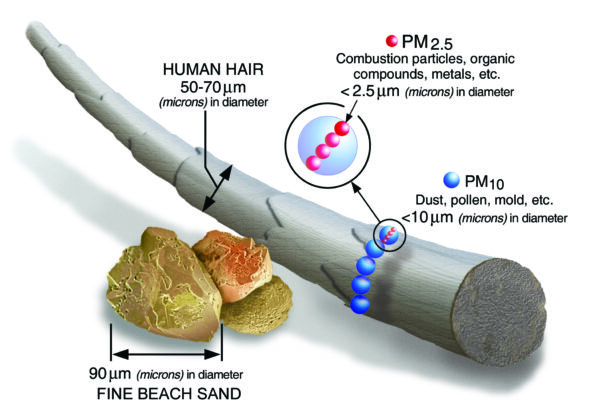
Particulate Matter (PM) consists of tiny particles suspended in the air, including dust, dirt, soot, smoke, and liquid droplets. PM is categorized based on particle size:
- PM10: Particles with diameters of 10 micrometers or smaller.
- PM2.5: Fine particles with diameters of 2.5 micrometers or smaller.
Sources:
- Combustion processes (vehicle emissions, industrial processes, residential heating)
- Construction and demolition activities
- Biological sources (pollen, mold spores)
Health Effects:
- Respiratory issues (asthma, bronchitis)
- Cardiovascular problems
- Reduced lung function
More About PM: Particulate Matter: Understanding Airborne Particle Pollution
Volatile Organic Compounds (VOCs)

VOCs are a group of organic chemicals that easily evaporate at room temperature. Common VOCs include formaldehyde, benzene, and toluene.
Sources:
- Paints, varnishes, and coatings
- Cleaning products and disinfectants
- Building materials and furnishings
- Personal care products
Health Effects:
- Eye, nose, and throat irritation
- Headaches and dizziness
- Long-term exposure can lead to liver, kidney, and central nervous system damage, and some VOCs are carcinogenic.
More About VOCs: Understanding VOCs: Sources and Impacts on Health and Environment
Carbon Dioxide (CO2)

Carbon Dioxide (CO2) is a naturally occurring gas that can accumulate indoors due to human activities.
Sources:
- Human respiration
- Combustion processes (heating systems, cooking)
Health Effects:
- Elevated levels can cause discomfort, dizziness, headaches, and fatigue.
- High CO2 levels indicate poor ventilation, which can lead to an accumulation of other indoor pollutants.
More About CO2: Carbon Dioxide vs Carbon Monoxide Understanding the Differences
Carbon Monoxide (CO)

Carbon Monoxide (CO) is a colorless, odorless gas that is highly toxic.
Sources:
- Incomplete combustion of fossil fuels (gas stoves, heaters, fireplaces, vehicle exhaust)
- Tobacco smoke
Health Effects:
- Interferes with oxygen transport in the bloodstream
- Causes symptoms ranging from headaches and dizziness to severe poisoning and death at high levels
More About CO: What is Carbon Monoxide (CO)
Can Another Gas Trigger a Refrigerant Detector? Reading Cross-Sensitivity Claims
Understand refrigerant-detector cross-sensitivity, compare NDIR and MOS evidence, and read gas-interference claims without dismissing a real alarm.
Read More
What Should a Refrigeration Plant-Room Gas Monitoring Log Record?
Build a useful plant-room gas log by recording detector identity, configuration, alarms, faults, ventilation response and maintenance evidence.
Read More
When Does Condensation Mislead an HVAC Sensor?
Learn when condensation at HVAC coils, probes and enclosures changes a sensor reading, and how to distinguish expected drainage from unwanted wetting.
Read More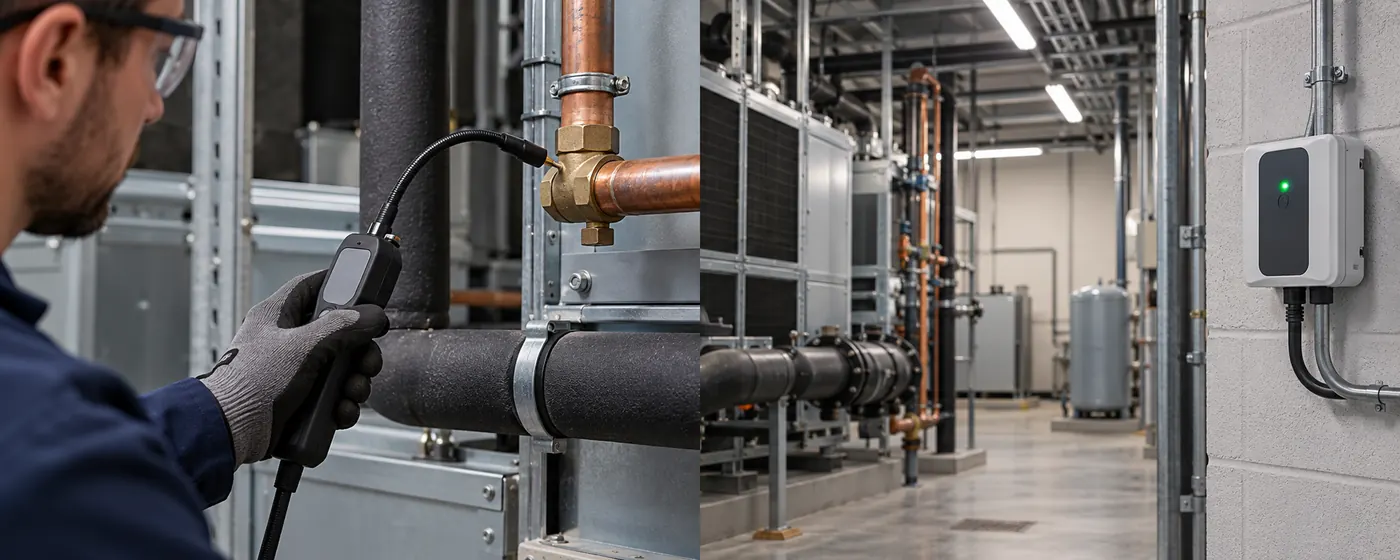
Portable vs Fixed Refrigerant Detection: How Their Jobs Differ
Compare handheld leak locators, fixed-point monitors and aspirating systems by sample location, response chain and commissioning needs.
Read More
Refrigerant Identification vs Concentration Measurement: Which Test Do You Need?
Distinguish a sealed-charge identifier from ambient concentration monitoring, handheld leak location and formal refrigerant purity testing.
Read More
How Humidity Affects Optical PM2.5 Sensor Readings
Learn why humidity, water uptake, fog and condensation can affect optical PM2.5 estimates and how to investigate and validate a humid-air spike.
Read More
Comment (1)
[…] Realted Read:Common Sources of Indoor Air PollutantsComponents of IAQ: A Comprehensive Overview […]