Carbon dioxide (CO2) is a naturally occurring gas that plays a significant role in numerous industries, including food and beverage production, entertainment, and healthcare. In settings like restaurants, bars, and large venues, CO2 is often used in the form of carbonated beverages, fire suppression systems, and heating, ventilation, and air conditioning (HVAC) systems. However, its presence in high concentrations can be hazardous, making CO2 safety a critical concern for business owners, employees, and guests.
This article explores the risks associated with CO2 in public venues, provides strategies to manage and mitigate those risks, and outlines the regulatory standards and best practices to ensure safety in restaurants, bars, and large venues.
What is CO2 and Why is it Used in Restaurants, Bars, and Venues?
Carbon dioxide is a colorless, odorless gas that occurs naturally in Earth’s atmosphere in trace amounts. It is a byproduct of respiration and combustion, but it is also widely used in industrial processes. In the context of restaurants, bars, and venues, CO2 is commonly used in several applications:
Carbonated Beverages: CO2 is used to carbonate drinks such as soda, sparkling water, and beer. The gas dissolves into the liquid under pressure, creating bubbles that give the beverage its characteristic fizz.
Fire Suppression Systems: CO2 is used in fire suppression systems in kitchens, bars, and large venues to extinguish fires without causing significant damage to sensitive equipment or materials. CO2 is effective at displacing oxygen, thereby smothering flames.
Refrigeration and HVAC Systems: CO2 is used in some refrigeration systems, particularly in large venues like stadiums or concert halls, to maintain optimal temperatures. Additionally, CO2 sensors are integrated into HVAC systems to monitor indoor air quality, ensuring a comfortable and safe environment.
While CO2 serves many important functions, it can pose a risk to health and safety, particularly in confined spaces or poorly ventilated areas.
The Risks of CO2 Exposure in Restaurants, Bars, and Venues
Although CO2 is non-toxic at normal atmospheric concentrations, excessive exposure can lead to serious health risks, including asphyxiation and poisoning. In enclosed spaces, elevated CO2 levels can reduce the amount of oxygen in the air, leading to dizziness, headaches, shortness of breath, and even unconsciousness or death in extreme cases. The risks of CO2 exposure depend on several factors, including the concentration of the gas, the duration of exposure, and the ventilation in the area.
CO2 Hazards in Restaurants, Bars, and Venues:
Carbonation Systems Leaks: In bars and restaurants, the pressurized CO2 used in beverage carbonation systems can leak if equipment is improperly maintained or if safety valves fail. Even small leaks can accumulate over time, especially in poorly ventilated spaces.
Fire Suppression Systems: CO2-based fire suppression systems, while highly effective in quickly extinguishing fires, can pose a risk to employees and customers if discharged improperly or if the area is not evacuated in time. The gas displaces oxygen, and without proper ventilation, this can lead to an oxygen-deficient environment.
Improper Ventilation: Poorly ventilated kitchens, bars, and venues can trap CO2, allowing it to build up to dangerous levels. High concentrations of CO2 can occur in areas with limited airflow or inadequate exhaust systems, particularly in large kitchens or closed event venues.
High CO2 Levels in Refrigeration Units: CO2-based refrigeration systems are used in many commercial kitchens and larger venues for cooling purposes. If these systems malfunction or are not adequately maintained, they can release CO2 into the surrounding environment, potentially leading to hazardous concentrations.
Events and Crowd Control: Large-scale venues such as concert halls, stadiums, and theaters often use CO2 for fog machines or atmospheric effects during performances. If not properly monitored, the use of CO2 in confined spaces can lead to a rapid increase in CO2 concentrations.
In recent years, there have been several high-profile incidents where CO2 exposure led to serious health consequences or fatalities. Some of the most notable CO2-related accidents include:
Kitchen and Bar Leaks: In several incidents, CO2 leaks from carbonation systems or fire suppression equipment in kitchens have led to asphyxiation incidents, particularly in areas with limited ventilation. Employees working in these areas often show symptoms of dizziness, headaches, and loss of consciousness before help can arrive.
Fire Suppression System Failures: CO2 fire suppression systems have accidentally discharged in kitchens and bars, exposing employees to high CO2 concentrations. In one case, the discharge of CO2 in a small kitchen led to the evacuation of staff and customers after several employees showed signs of oxygen deprivation.
These incidents highlight the importance of proactive CO2 safety measures in hospitality settings to prevent such accidents.
Why the Sudden Rise in CO2-related Injuries?
There has been a notable rise in CO2-related injuries in the hospitality and entertainment sectors in recent years, and several factors contribute to this trend:
Increased CO2 Use: As the foodservice industry grows, more restaurants, bars, and venues are using CO2 for carbonation, fire suppression, and refrigeration. Increased CO2 use means higher risks, especially when safety equipment is not properly maintained.
Poor Ventilation: Many hospitality environments, particularly in kitchens, bars, and crowded event venues, may lack proper ventilation systems. This exacerbates the risk of CO2 accumulation, as the gas can easily build up in enclosed spaces.
Lack of Training and Awareness: Many employees may not be fully aware of the risks of CO2 exposure or how to spot the early symptoms of poisoning. This lack of training can delay the response to potential CO2 leaks or accidents.
Regulatory Gaps: Some businesses may not comply with CO2 safety standards or regulations, either due to a lack of awareness or insufficient enforcement. This leaves gaps in CO2 safety protocols, making incidents more likely.
Signs of CO2 Poisoning
The symptoms of CO2 poisoning can vary depending on the concentration of CO2 and the duration of exposure. Common signs of CO2 poisoning include:
Mild Exposure (1,000 – 2,000 ppm):
Headaches
Dizziness
Shortness of breath
Fatigue
Moderate Exposure (2,000 – 5,000 ppm):
Increased heart rate
Decreased cognitive function
Sweating
Nausea and vomiting
Severe Exposure (5,000 – 10,000 ppm):
Confusion
Loss of consciousness
Respiratory distress
Seizures
Very High Exposure (>10,000 ppm):
Coma
Death
It is important for business owners and managers to be aware of these symptoms and take immediate action if they suspect that employees or guests are being exposed to hazardous CO2 levels.
Maximum occupational exposure limit as per OSHA; prolonged exposure may lead to health concerns such as dizziness, shortness of breath, and increased blood pressure.
10,000 ppm
Short-term exposure
Shortness of breath, confusion, and potential loss of consciousness.
40,000 ppm
Immediate exposure
Extremely dangerous; exposure can lead to loss of consciousness, convulsions, and death.
Best Practices for CO2 Safety in Restaurants, Bars, and Venues
Ensuring CO2 safety in restaurants, bars, and large venues requires a comprehensive approach that includes regular maintenance, proper monitoring, staff training, and compliance with safety standards. Below are some essential practices to mitigate CO2 risks:
Regular Maintenance and Inspection of CO2 Systems:
Conduct routine inspections of CO2 tanks, lines, and valves to check for leaks or damage.
Ensure that all CO2 cylinders and regulators are correctly labeled, properly secured, and regularly tested for leaks.
Check that all fire suppression systems, HVAC systems, and refrigeration units are functioning properly and that CO2 levels remain within safe limits.
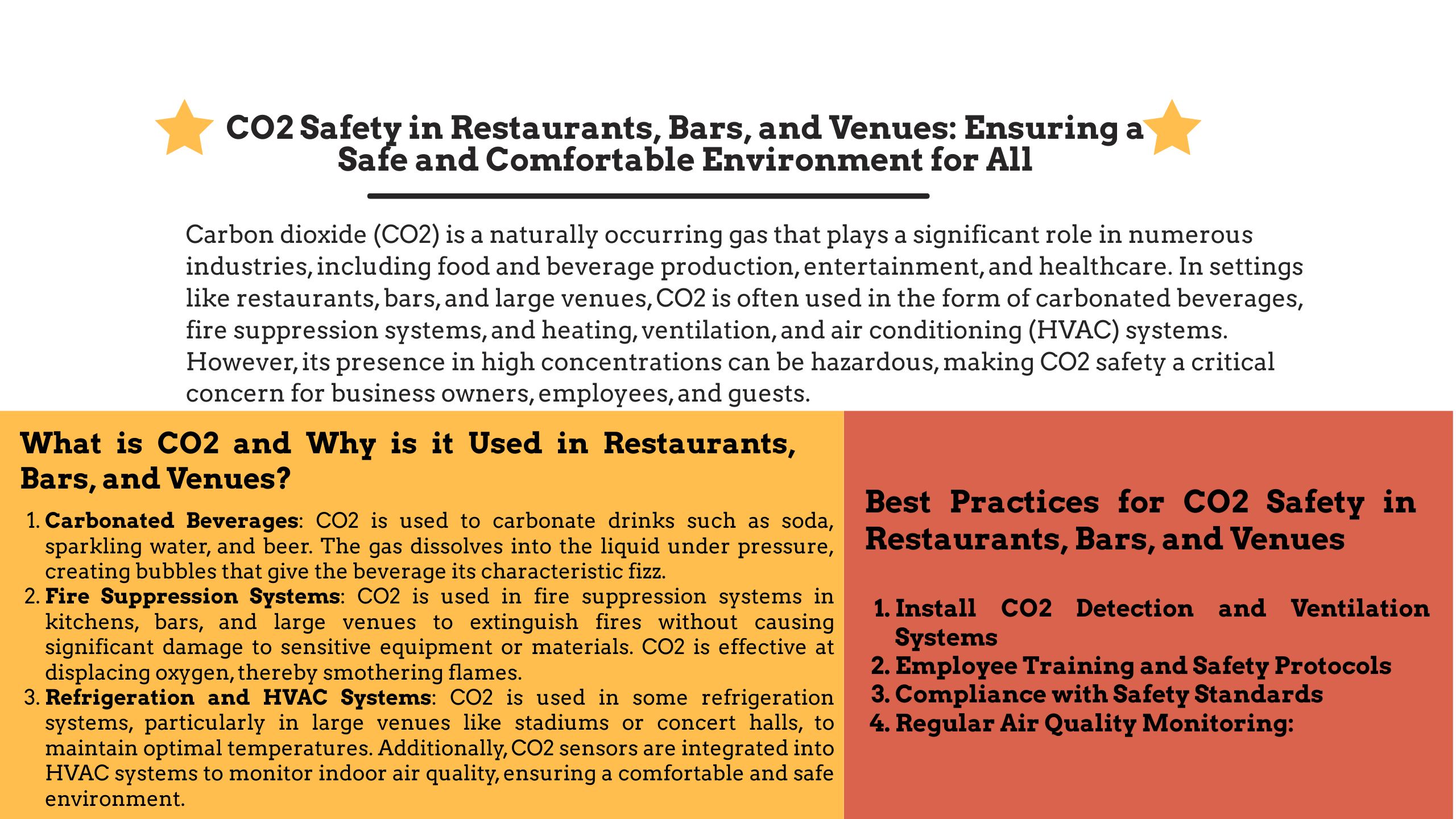
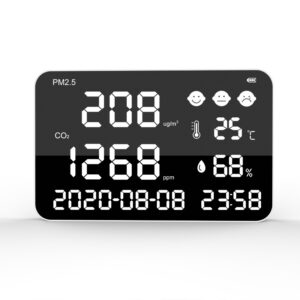
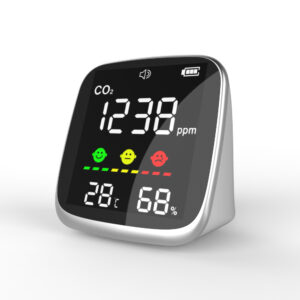
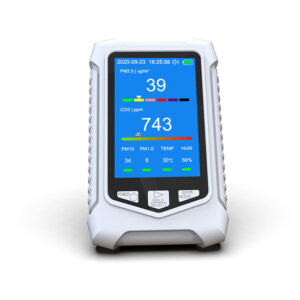
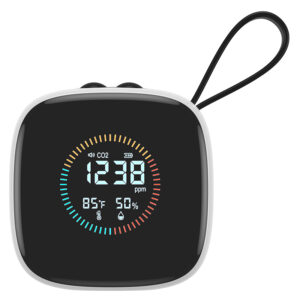
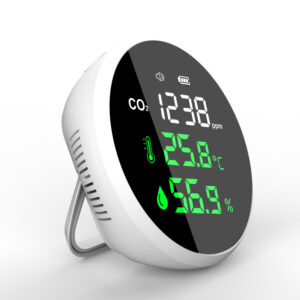
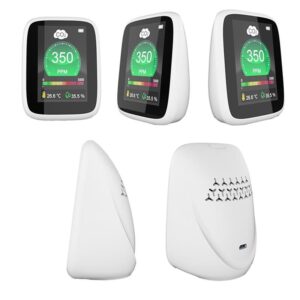
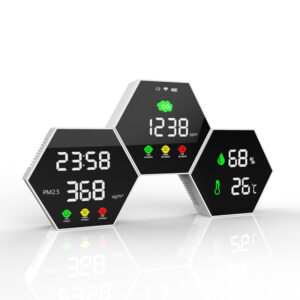
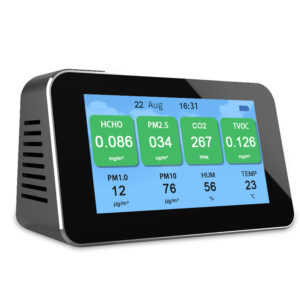
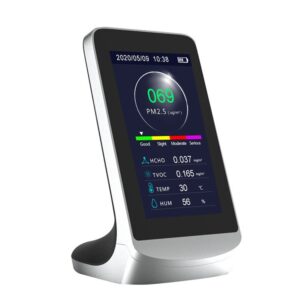
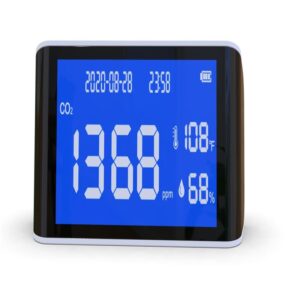
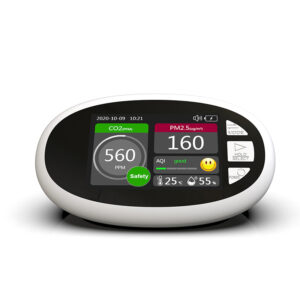
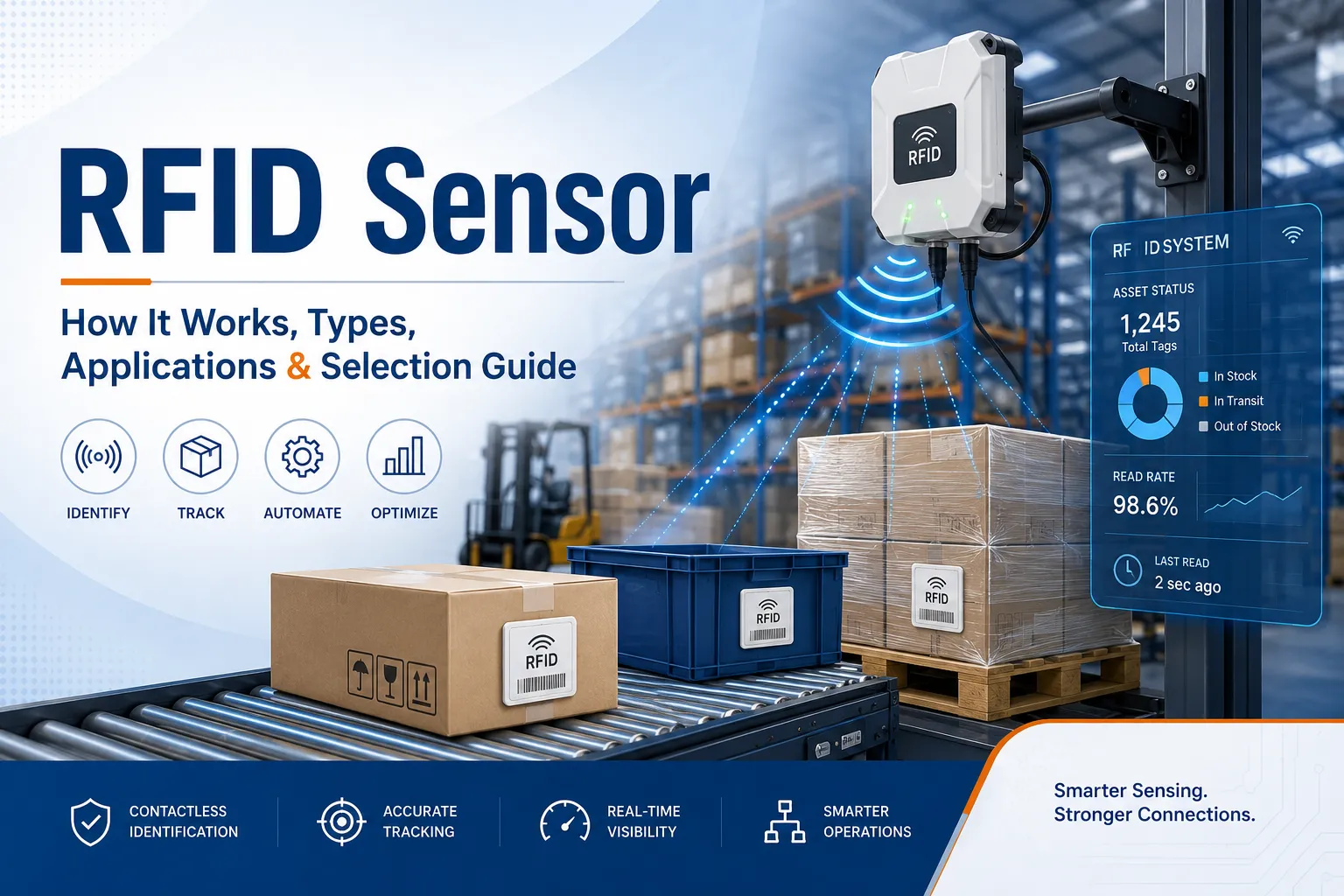
Install CO2 sensors in key areas such as kitchens, bars, storage rooms, and event spaces. These sensors should be linked to an alarm system that activates when CO2 levels exceed the safety threshold.
Ensure that ventilation systems are designed to provide adequate airflow in areas where CO2 is used, particularly in confined spaces like kitchens, refrigeration areas, or event venues.
Employee Training and Safety Protocols:
Train staff on the potential hazards of CO2 exposure and how to recognize the signs of poisoning.
Establish evacuation plans for areas where CO2 systems are in use, ensuring that staff can quickly evacuate guests in case of an emergency.
Ensure that fire suppression systems are clearly labeled and that staff know how to operate them safely, including evacuating the area before CO2 is discharged.
Compliance with Safety Standards:
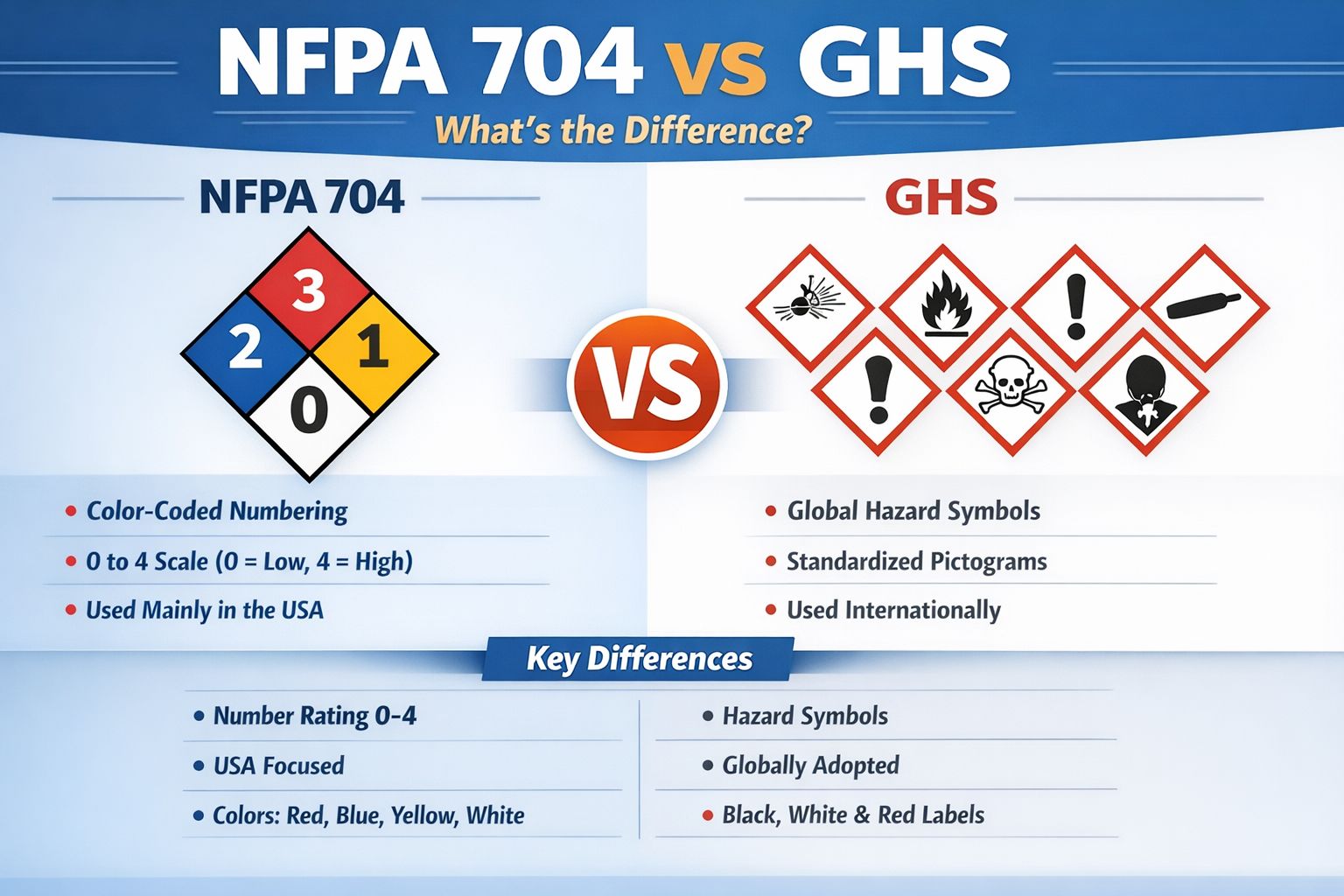
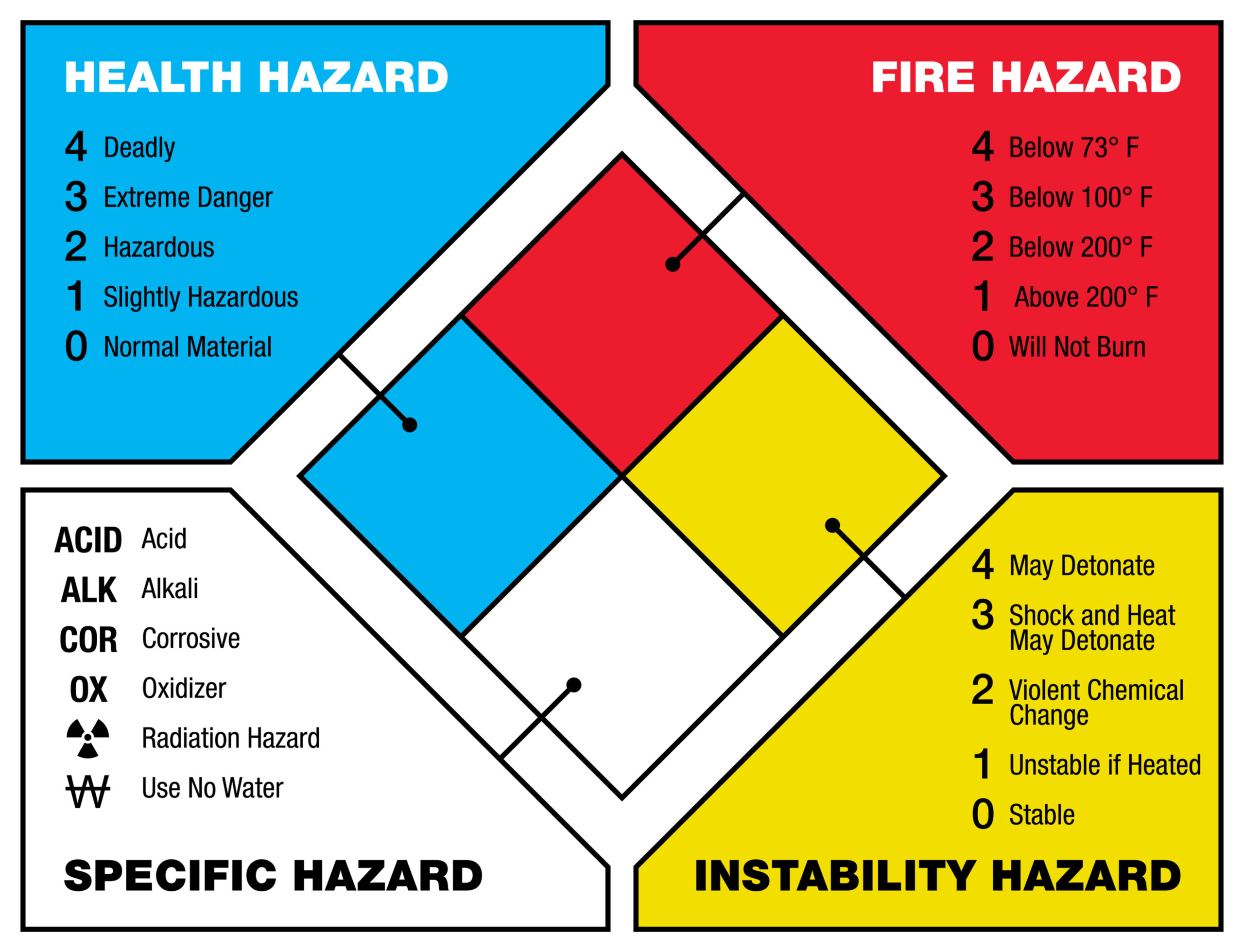
Follow local and national regulations related to CO2 safety, including guidelines set by organizations such as the Occupational Safety and Health Administration (OSHA) and the National Fire Protection Association (NFPA).
Ensure that all CO2 systems meet industry standards for safety, including pressure relief valves, ventilation, and emergency shut-off mechanisms.
Regular Air Quality Monitoring:
Use air quality monitoring systems to track CO2 levels in real-time, particularly in high-risk areas like kitchens and event spaces.
Consider implementing continuous CO2 monitoring for larger venues or high-density areas to ensure a safe environment for both staff and guests.
Indoor air quality (IAQ) is a critical factor in maintaining a healthy environment for both staff and customers. Poor IAQ, exacerbated by CO2 accumulation, can cause discomfort, decreased productivity, and health issues. Ensuring proper ventilation and monitoring of CO2 levels is an essential part of maintaining good indoor air quality in restaurants, bars, and venues.
In addition to implementing safety practices, restaurant and venue owners must adhere to relevant regulations governing CO2 use. These include local laws regarding air quality, workplace safety, and fire suppression systems. In many jurisdictions, the Occupational Safety and Health Administration (OSHA) sets standards for CO2 exposure levels in the workplace.
The permissible exposure limit (PEL) for CO2 set by OSHA is 5,000 ppm over an 8-hour workday. However, short-term exposure limits (STEL) of up to 30,000 ppm are allowable for short bursts of no more than 15 minutes. Exposure to CO2 levels exceeding 30,000 ppm for any duration can result in serious health risks, including death.
Conclusion
CO2 safety in restaurants, bars, and venues is a critical issue that requires careful attention to detail, proper equipment, and ongoing staff training. By understanding the potential hazards of CO2, adhering to safety guidelines, and using modern technology to monitor air quality, businesses can create a safer environment for their employees and customers. Proactive measures, including regular maintenance, CO2 detection, and adequate ventilation, are essential for reducing the risks associated with CO2 exposure.
By prioritizing CO2 safety, restaurants, bars, and venues not only comply with legal and regulatory standards but also ensure a healthier and more enjoyable experience for all who enter their doors. With the right tools and practices in place, businesses can continue to use CO2 for its many benefits while keeping everyone safe.