

Fundamental Principles of Amperometric Sensors
Definition and Working Principle
An amperometric sensor is an electrochemical device that detects and quantifies an analyte by measuring the current produced by an oxidation or reduction reaction at an electrode.
- The sensor consists of three main components:
- Working electrode (where the reaction occurs)
- Reference electrode (provides a stable voltage)
- Counter electrode (completes the circuit)
- When a fixed potential is applied to the working electrode, the target analyte undergoes an electron transfer reaction (oxidation or reduction), generating a current proportional to the analyte concentration.
Governing Electrochemical Reactions
The primary reaction in an amperometric sensor can be either:
- Oxidation reaction (electron loss):

- Reduction reaction (electron gain):

The measured current (I) follows Faraday’s Law, which states that the current is proportional to the analyte concentration in solution.
Types of Amperometric Sensors
Single-Step Amperometric Sensors
These sensors detect analytes based on a direct oxidation or reduction reaction. They are commonly used for detecting simple molecules like oxygen (O₂), hydrogen peroxide (H₂O₂), and glucose.
Multi-Step Amperometric Sensors
- Involves sequential electron transfer reactions to improve selectivity and sensitivity.
- Used for detecting complex biological molecules and heavy metals.
Enzyme-Based Amperometric Sensors
- Use enzymes as biorecognition elements to catalyze redox reactions.
- Example: Glucose biosensors use glucose oxidase (GOx) to catalyze glucose oxidation.

Mediator-Based Amperometric Sensors
- Use redox mediators (e.g., ferrocene, quinones) to facilitate electron transfer.
- Provide faster response times and lower operating voltages.
Nanomaterial-Enhanced Amperometric Sensors
- Use nanoparticles, carbon nanotubes (CNTs), and graphene to enhance sensitivity and stability.
- Improve electron transfer kinetics and surface area for better performance.
Applications of Amperometric Sensors
Medical and Clinical Diagnostics
Glucose Monitoring in Diabetes
- Amperometric glucose biosensors are widely used in continuous glucose monitoring (CGM) systems.
- Example: Electrochemical glucose strips in blood glucose meters.
Detection of Lactate, Uric Acid, and Cholesterol
- Used in point-of-care testing (POCT) to monitor metabolic disorders.
- Example: Lactate sensors for sports performance monitoring.
Electrochemical Immunosensors
- Detect disease biomarkers (e.g., cancer, COVID-19, cardiac markers) based on antigen-antibody interactions.
Environmental Monitoring
Dissolved Oxygen (DO) Sensors
- Measure oxygen levels in water for aquaculture, wastewater treatment, and ecological studies.
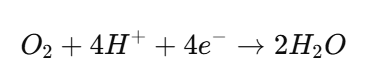
- Used in Clark-type oxygen sensors based on oxygen reduction:
Toxic Gas Detection
- Amperometric gas sensors detect carbon monoxide (CO), hydrogen sulfide (H₂S), and nitrogen oxides (NOx).
- Example: CO sensors in fire alarms and industrial safety systems.
Heavy Metal Detection
- Detects lead (Pb²⁺), cadmium (Cd²⁺), and mercury (Hg²⁺) in drinking water using stripping voltammetry.
Food and Beverage Industry
Food Quality Control
- Amperometric sensors detect pathogens (e.g., E. coli, Salmonella) and toxic residues (e.g., pesticides, antibiotics).
Wine and Beverage Analysis
- Measure sulfite (SO₃²⁻) and ethanol (C₂H₅OH) concentrations in wine production.
Industrial and Chemical Process Control
- Monitor oxidation-reduction potential (ORP) in chemical manufacturing and wastewater treatment.
- Control hydrogen peroxide (H₂O₂) levels in sterilization processes.
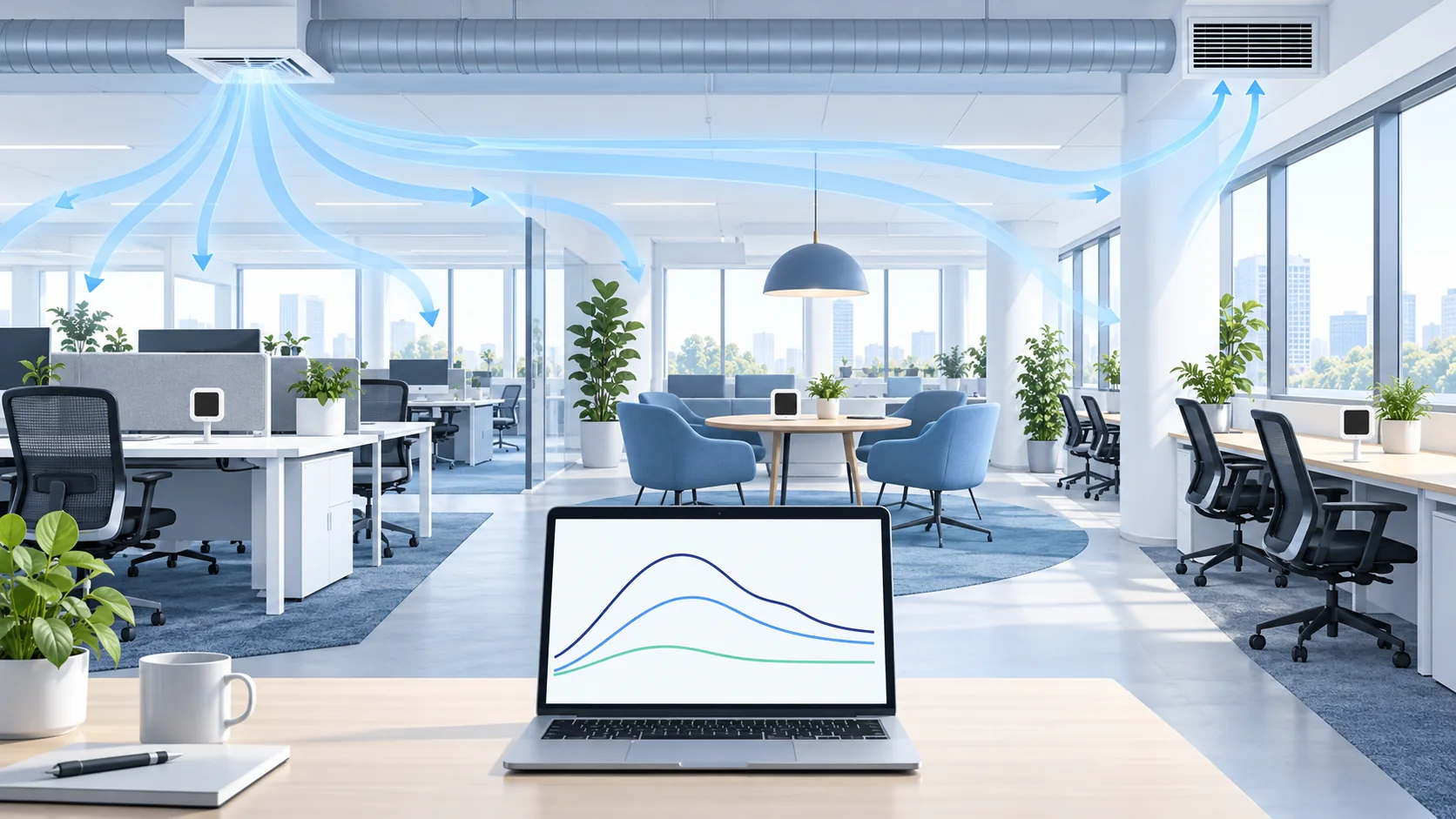
How to Compare CO2 Readings Across Open-Plan Office Zones
Compare synchronized office-zone CO2 logs after checking monitor agreement, location, occupancy and air-system events; learn when a zone difference warrants investigation.
Read More
How to Read a Meeting Room CO2 Trend Against Occupancy
Read meeting-room CO2 trends with occupancy and ventilation events, distinguishing starting level, occupied rise, intervention and post-meeting decline.
Read More
How to Plan CO2 Monitor Placement in an Office
Plan representative office CO2 monitor locations by measurement purpose, occupancy and air paths, then verify positions and log context before using the data.
Read More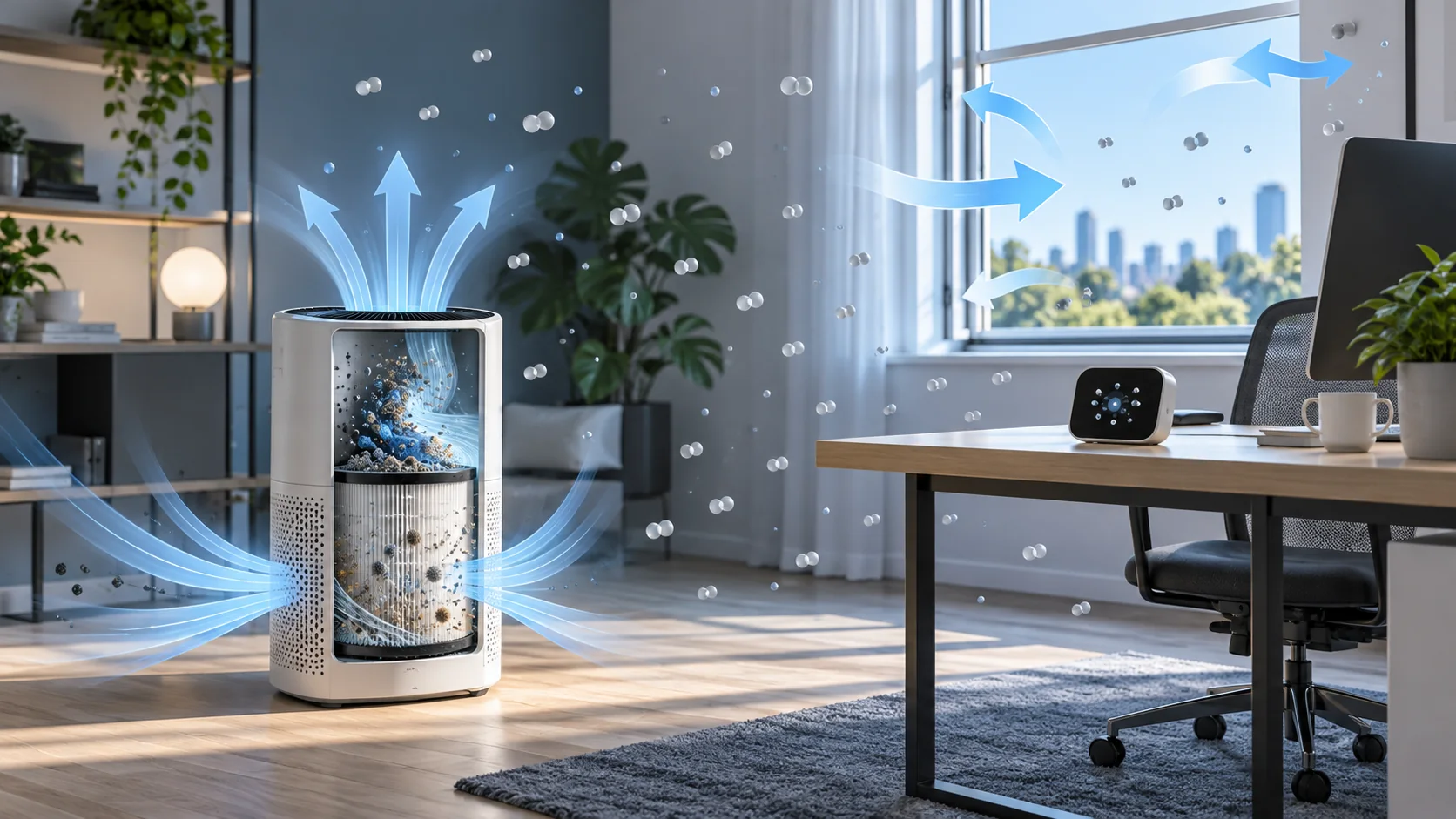
Do Air Purifiers Lower CO2? Separate Filtration from Outdoor-Air Exchange
Ordinary HEPA purifiers capture particles but do not meaningfully remove occupant-generated CO2. Learn to separate recirculation, outdoor-air ventilation and monitor mixing effects.
Read More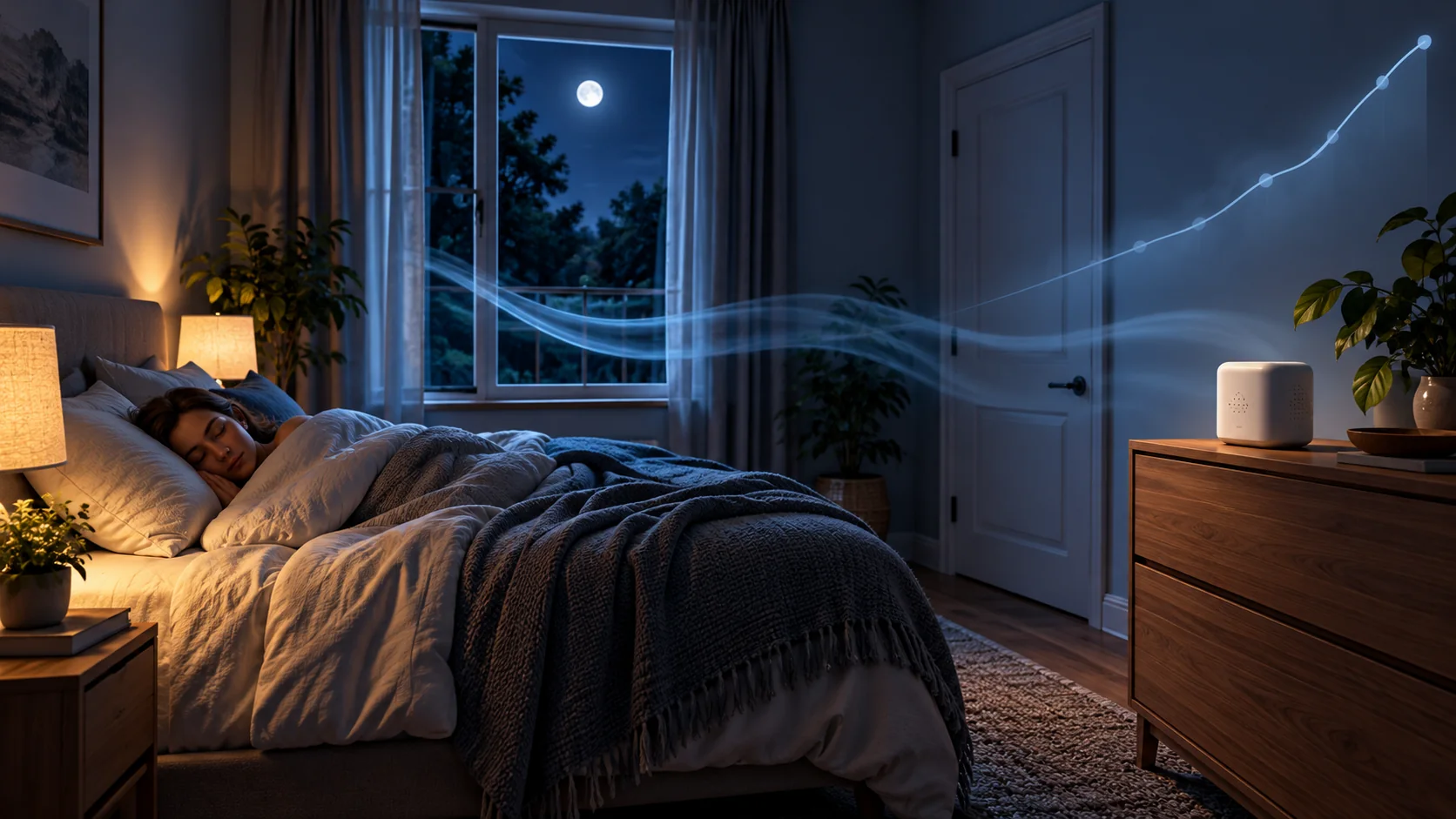
How to Read an Overnight Bedroom CO2 Log
Interpret an overnight bedroom CO2 trace using its starting level, rise, plateau and morning response while checking logger quality, air paths and comparable nights.
Read More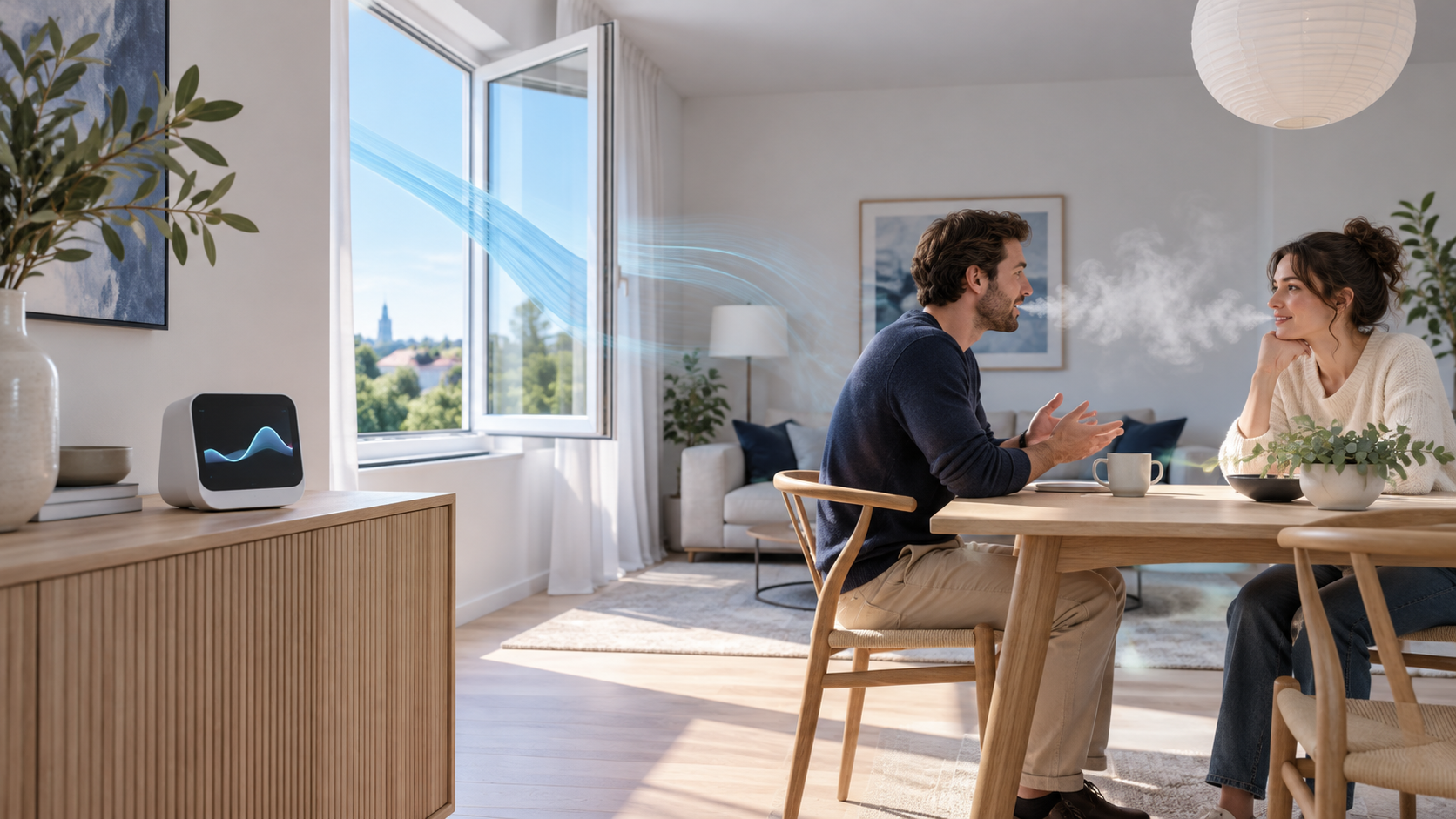
How to Interpret CO2 Trends at Home: Read the Pattern, Not One Number
Learn how occupancy, outdoor air, room mixing and monitor placement shape a home CO2 trace, and use a repeatable log to test ventilation changes.
Read More