

Carbon monoxide (CO) and carbon dioxide (CO₂) are both gases that play crucial roles in environmental safety, but they are fundamentally different in their properties, risks, and detection methods. One common question arises: Can a carbon monoxide detector detect carbon dioxide? The short answer is no. Carbon monoxide (CO) detectors are designed to detect CO specifically and are not capable of sensing carbon dioxide (CO₂). Understanding the differences between these two gases and why separate detection systems are necessary is key for maintaining safety in homes, workplaces, and public spaces.
In this article, we’ll dive deep into the differences between carbon monoxide and carbon dioxide, explain how detectors for each gas function, and explore the implications of confusing the two. We will also provide practical advice for ensuring both CO and CO₂ safety, with a focus on the most appropriate detectors for various environments.
Understanding Carbon Monoxide (CO)
Carbon monoxide (CO) is a colorless, odorless, and tasteless gas, making it particularly dangerous because it is virtually undetectable by human senses. CO is produced by the incomplete combustion of fuels such as natural gas, gasoline, coal, wood, and propane. Common sources of carbon monoxide include:
- Gas furnaces
- Water heaters
- Space heaters
- Stoves and ovens
- Fireplaces
- Car exhaust
- Generators
When inhaled, carbon monoxide binds with hemoglobin in the blood, reducing the body’s ability to carry oxygen to tissues and organs. Exposure to high levels of CO can cause symptoms like dizziness, headaches, confusion, and even death in severe cases.
Given the serious health risks, it is essential to have carbon monoxide detectors in any environment where combustion occurs, such as homes, garages, and workplaces. These detectors are specifically engineered to sense rising levels of CO in the air and sound an alarm when dangerous concentrations are reached.
Related Read: What is Carbon Monoxide (CO)
Understanding Carbon Dioxide (CO₂)
Carbon dioxide (CO₂) is another colorless and odorless gas but is vastly different from carbon monoxide in terms of chemical properties, sources, and safety concerns. CO₂ is naturally present in the atmosphere at low levels (about 0.04% or 400 ppm), and it is a byproduct of respiration in humans and animals, as well as combustion and other industrial processes.
While low concentrations of CO₂ are harmless, elevated levels can lead to a variety of health issues, such as:
- Drowsiness
- Shortness of breath
- Increased heart rate
- Confusion
- In extreme cases, unconsciousness or death
Carbon dioxide can accumulate in poorly ventilated spaces, especially in industrial environments where CO₂ is produced in large quantities, such as breweries, food processing plants, and chemical manufacturing facilities. It is also a concern in spaces where large numbers of people congregate, such as classrooms, offices, and conference rooms.
Related Read: Understanding Carbon Dioxide (CO2): A Comprehensive Guide
The Difference Between Carbon Monoxide and Carbon Dioxide
While both carbon monoxide and carbon dioxide are gases that result from combustion, they have several key differences:
Chemical Composition
- Carbon monoxide (CO) consists of one carbon atom and one oxygen atom.
- Carbon dioxide (CO₂) consists of one carbon atom and two oxygen atoms.
Health Risks
- CO is highly toxic, even at low concentrations, and can cause carbon monoxide poisoning. It prevents oxygen from binding to red blood cells, leading to oxygen deprivation.
- CO₂ is not toxic at low concentrations but can cause respiratory issues and suffocation in high concentrations by displacing oxygen.
Sources
- CO is produced by incomplete combustion of fuels in appliances such as furnaces, boilers, and vehicles.
- CO₂ is produced by complete combustion, as well as by respiration in living organisms and certain industrial processes.
Detection Methods
- CO requires specific carbon monoxide detectors.
- CO₂ requires dedicated carbon dioxide monitors, often found in industrial and laboratory settings.
Related Read: Carbon Dioxide vs Carbon Monoxide Understanding the Differences
Negative Health Effects Associated with Carbon Monoxide and Carbon Dioxide
Health Effects of Carbon Monoxide (CO)
Carbon monoxide is dangerous because it binds with hemoglobin in the bloodstream more effectively than oxygen, preventing oxygen from being transported to vital organs. Symptoms of carbon monoxide poisoning can develop quickly, especially in high concentrations. They include:
- Headache
- Dizziness
- Nausea and vomiting
- Confusion
- Chest pain
- Shortness of breath
- Loss of consciousness
Prolonged exposure or exposure to high concentrations of CO can result in death due to suffocation.
Health Effects of Carbon Dioxide (CO₂)
Carbon dioxide is a naturally occurring gas, but high levels can cause harm by displacing oxygen in the air. While CO₂ is not toxic, breathing in elevated concentrations of CO₂ can lead to a condition known as hypercapnia, where too much CO₂ is present in the bloodstream. Symptoms of CO₂ poisoning include:
- Shortness of breath
- Drowsiness
- Increased heart rate
- Confusion
- Headaches
- In extreme cases, unconsciousness or death
High levels of CO₂ in enclosed spaces without proper ventilation can result in asphyxiation, as there isn’t enough oxygen in the air to breathe properly.
Can a Carbon Monoxide Detector Detect Carbon Dioxide?
No, a carbon monoxide detector cannot detect carbon dioxide. Carbon monoxide detectors are equipped with electrochemical sensors that are specifically designed to detect CO molecules in the air. These sensors do not respond to CO₂, as the chemical composition and properties of carbon dioxide are different from those of carbon monoxide.
CO detectors are built to alert people to dangerous levels of carbon monoxide, typically measured in parts per million (ppm). These detectors use chemical reactions that occur when CO comes into contact with the sensor, triggering the alarm if the CO concentration exceeds a certain threshold. Since CO₂ does not cause the same chemical reaction, it will not activate the CO detector.
Why You Need Separate Detectors for CO and CO₂
While carbon monoxide poisoning is a more immediate and life-threatening danger, carbon dioxide also presents significant risks, especially in confined or poorly ventilated areas. In certain environments, such as industrial settings or medical facilities, having the appropriate detectors for both gases is critical to maintaining a safe atmosphere.
Misconceptions about CO and CO₂ detectors can lead to inadequate safety measures, and failure to address both gases can result in health issues or even fatalities. For example, a brewery that uses CO₂ for carbonation must have CO₂ detectors to monitor levels, as relying solely on CO detectors would not provide protection from a CO₂ buildup.
Carbon Monoxide Detectors
These detectors are crucial for any environment where combustion occurs, such as homes with gas appliances, fireplaces, or attached garages. Carbon monoxide detectors are typically installed near bedrooms, kitchens, and areas where fuel-burning appliances are used. A standard CO detector will alert occupants when CO levels reach dangerous levels, potentially preventing carbon monoxide poisoning.
Carbon Dioxide Monitors
In contrast, CO₂ monitors are most often used in industrial settings, greenhouses, laboratories, and areas where large numbers of people gather, such as conference rooms or classrooms. CO₂ levels are usually measured for air quality control, and high concentrations indicate poor ventilation. In areas where dry ice is used or where CO₂ is produced in large quantities, CO₂ detectors can be vital for ensuring safety.
Why It’s Important to Monitor Both CO and CO₂
While carbon monoxide poses a more immediate threat to health and safety, carbon dioxide should not be ignored, particularly in industrial and enclosed environments. Here are some reasons why monitoring both gases is important:
Prevention of Carbon Monoxide Poisoning
CO poisoning can occur quickly and without warning, as it is undetectable by human senses. Installing CO detectors in homes, vehicles, and workplaces with combustion sources is the only way to ensure early detection of this silent killer.
Related Read: Understanding Carbon Monoxide Levels: A Comprehensive Guide
Air Quality Control
Elevated CO₂ levels can indicate poor ventilation in buildings and enclosed spaces. High CO₂ concentrations can cause symptoms such as headaches, fatigue, and shortness of breath. Monitoring CO₂ helps ensure that indoor air quality remains safe and comfortable for occupants.
Related Read: Understanding and Managing Typical CO2 Levels at Home: A Comprehensive Guide
Industrial Safety
Many industries, such as agriculture, manufacturing, and scientific research, produce both CO and CO₂. Failing to monitor both gases can lead to hazardous working conditions. For example, in confined spaces where dry ice (solid CO₂) is used, CO₂ concentrations can quickly rise to dangerous levels, displacing oxygen and causing suffocation.
How Do Carbon Monoxide Detectors Work?
Carbon monoxide detectors primarily use one of two types of technology:
Electrochemical Sensors
These are the most common types of CO detectors. They contain electrodes immersed in a chemical solution that reacts with carbon monoxide. When CO comes into contact with the chemical solution, it triggers an electric current that activates the alarm. These detectors are highly sensitive and provide accurate readings of CO levels.
-
 Read moreQuick View
Metal Oxide Semiconductors
Another type of CO detector uses metal oxide semiconductors. These sensors detect CO by measuring changes in electrical conductivity caused by the presence of CO molecules. While less common, this technology is still effective in detecting carbon monoxide.
Related Read: What Is A CO Sensor And How Does It Work?
How Do Carbon Dioxide Detectors Work?
Carbon dioxide detectors, on the other hand, use different technology suited to detect CO₂ concentrations. The most common type of sensor used in CO₂ detectors is called an NDIR (Non-Dispersive Infrared) sensor.
NDIR Sensors
NDIR sensors work by measuring the amount of infrared light absorbed by CO₂ molecules. When CO₂ molecules absorb infrared light at specific wavelengths, the sensor can determine the concentration of CO₂ in the air. These detectors are widely used in both industrial and commercial settings for air quality control and safety monitoring.
-
 Read moreQuick View
More About NDIR CO2 Sensor: Non-Dispersive Infrared NDIR CO2 Sensors: A Comprehensive Guide
Related Read: A Comparative Analysis of NDIR, Semiconductor, and Thermal Conductor CO2 Sensors
What to Look for in a Carbon Monoxide Detector
When choosing a carbon monoxide detector, it’s important to consider several factors to ensure that you are adequately protected:
- Accuracy and Sensitivity:
Make sure the detector is capable of detecting even low levels of CO. Many detectors provide readings in ppm, allowing you to monitor CO levels even before they become dangerous.
- Certification:
Look for detectors that are UL-listed or certified by other recognized safety organizations to ensure they meet stringent safety and performance standards.
- Battery Life:
Some detectors are hardwired into a building’s electrical system, while others run on batteries. If using a battery-operated model, ensure it has a long battery life and a low-battery alert.
- Placement:
Install CO detectors in areas where combustion occurs and near sleeping areas. Avoid placing them near open windows or vents, as this could affect the accuracy of the readings.
What to Look for in a Carbon Dioxide Detector
For those who need to monitor CO₂ levels, particularly in industrial or commercial settings, a CO₂ detector should have the following features:
- NDIR Sensor:
Ensure the detector uses NDIR technology, which is the most accurate method for detecting CO₂.
- Real-Time Monitoring:
Many CO₂ detectors provide continuous monitoring and display real-time CO₂ levels, allowing you to take immediate action if concentrations rise.
- Ventilation Control:
Some advanced CO₂ detectors are integrated into ventilation systems, automatically adjusting airflow to maintain safe air quality.
FAQ
What Should I Do if I Suspect CO Poisoning?
If you suspect you or someone else is suffering from carbon monoxide poisoning, you must act quickly:
- Leave the Area Immediately: Get fresh air by going outside or opening windows and doors.
- Turn Off the Source: If safe to do so, turn off the fuel-burning appliance or source of CO.
- Call Emergency Services: Dial your local emergency number for assistance.
- Seek Medical Attention: CO poisoning requires immediate medical treatment, often involving oxygen therapy to flush CO from your bloodstream.
- Don’t Re-Enter: Avoid returning to the affected area until professionals have inspected and confirmed it’s safe.
What Should I Do if I Suspect CO2 Poisoning?
If you suspect carbon dioxide poisoning, follow these steps:
- Move to a Well-Ventilated Area: Exit the enclosed space and go to an area with fresh air.
- Check Ventilation: Ensure that ventilation systems are working properly in the affected space.
- Call Emergency Services: If symptoms persist or if CO₂ levels are high, seek immediate medical help.
- Monitor Air Quality: If possible, use a CO₂ detector to measure CO₂ concentrations. In industrial settings, ensure workers are equipped with CO₂ monitoring devices.
Importance of Gas Detection
Gas detection systems are critical in environments where harmful gases like CO and CO₂ may accumulate. Installing the appropriate detectors can save lives by providing early warnings of dangerous gas concentrations. Here are some reasons why gas detection is essential:
- Early Detection Saves Lives: CO detectors are often the first line of defense against carbon monoxide poisoning. Early warnings allow occupants to evacuate and avoid serious health issues.
- Air Quality Monitoring: In areas with high occupancy or industrial settings, CO₂ detectors help maintain air quality and prevent oxygen depletion.
- Compliance with Safety Regulations: Many jurisdictions require the installation of CO detectors in homes, workplaces, and industrial sites to ensure compliance with safety codes.
- Risk Mitigation: By monitoring gas levels, companies can reduce the risk of accidents, health hazards, and potential liability.
What is the Proper Height for a CO2 or CO Sensor?
The correct placement of gas detectors is crucial for optimal performance and early warning. Here’s a guide for placing both CO and CO₂ detectors:
- Carbon Monoxide Detectors:
CO is slightly lighter than air and tends to mix evenly throughout a room. However, it’s advisable to install CO detectors at a height similar to where people sleep or breathe most of the time. Install CO detectors near bedrooms and living areas, around 5 feet off the ground or at chest height. Avoid placing them near windows, doors, or air vents, as this may reduce the accuracy of the readings. - Carbon Dioxide Detectors:
CO₂ is heavier than air, so it tends to accumulate at lower levels in a room. Place CO₂ detectors at or near floor level in areas where CO₂ may build up, such as basements or enclosed spaces with limited ventilation.
Conclusion
A carbon monoxide detector cannot detect carbon dioxide because the two gases are chemically distinct and require different detection technologies. While CO is a highly toxic gas that can lead to immediate health risks, CO₂ is generally harmless at low concentrations but can pose dangers in confined spaces or industrial settings. To ensure comprehensive safety, it is essential to use the appropriate detectors for both carbon monoxide and carbon dioxide in environments where these gases are present.
By understanding the differences between CO and CO₂ and utilizing the right detectors, you can better protect your home, workplace, and loved ones from the dangers these gases can pose. Whether you’re concerned about preventing carbon monoxide poisoning in your home or maintaining proper air quality in an industrial setting, taking the right precautions and installing the correct detectors is the first step toward a safer environment.

How to Interpret CO2 Readings in a Vehicle Cabin
Read vehicle-cabin CO2 trends alongside passengers, HVAC mode and route conditions while separating ventilation clues from particle and exhaust safety questions.
Read More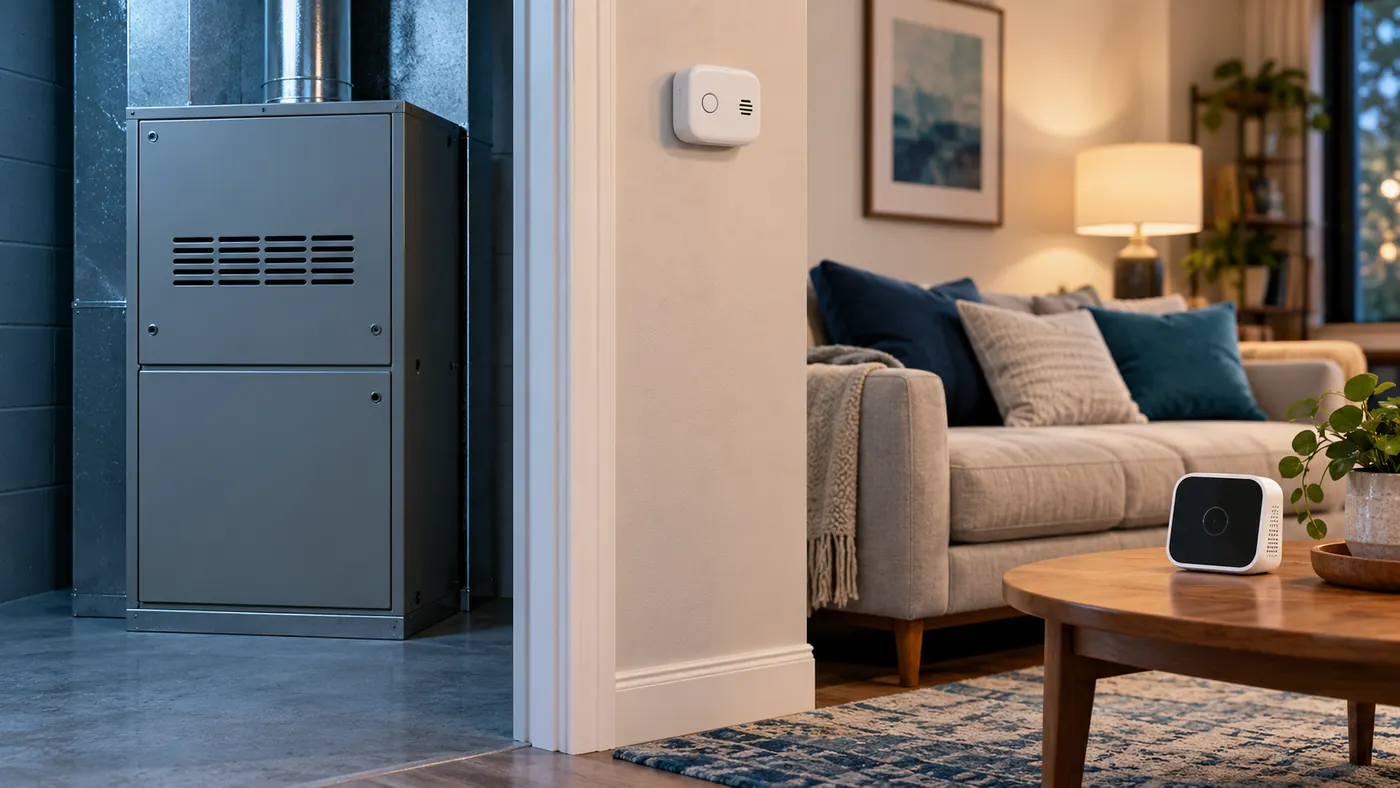
Gas Heater Monitoring at Home: Which Alarm and Sensor Does What?
Understand the separate roles of a household CO alarm, fuel-gas detector, CO2 monitor and qualified heater service, including what to do after a warning.
Read More
How to Plan IAQ Monitoring in Shared Indoor Spaces
Plan indoor-air-quality monitoring for libraries, waiting areas and shared rooms by matching CO2, particles and other channels to a defined decision.
Read More
How to Build a School IAQ Monitoring Record That Leads to Action
Use linked room, occupied-event and issue logs to turn school CO2 observations into reliable ventilation follow-up.
Read More
Where to Place CO2 Monitors in School Classrooms
Choose representative school classroom CO2 monitor positions by occupancy and air paths, then verify, document and maintain the installation.
Read More
How to Interpret Classroom CO2 Readings for Ventilation
Interpret classroom CO2 readings as occupied ventilation clues with context, local guidance, monitor checks and repeatable follow-up.
Read More