Introduction

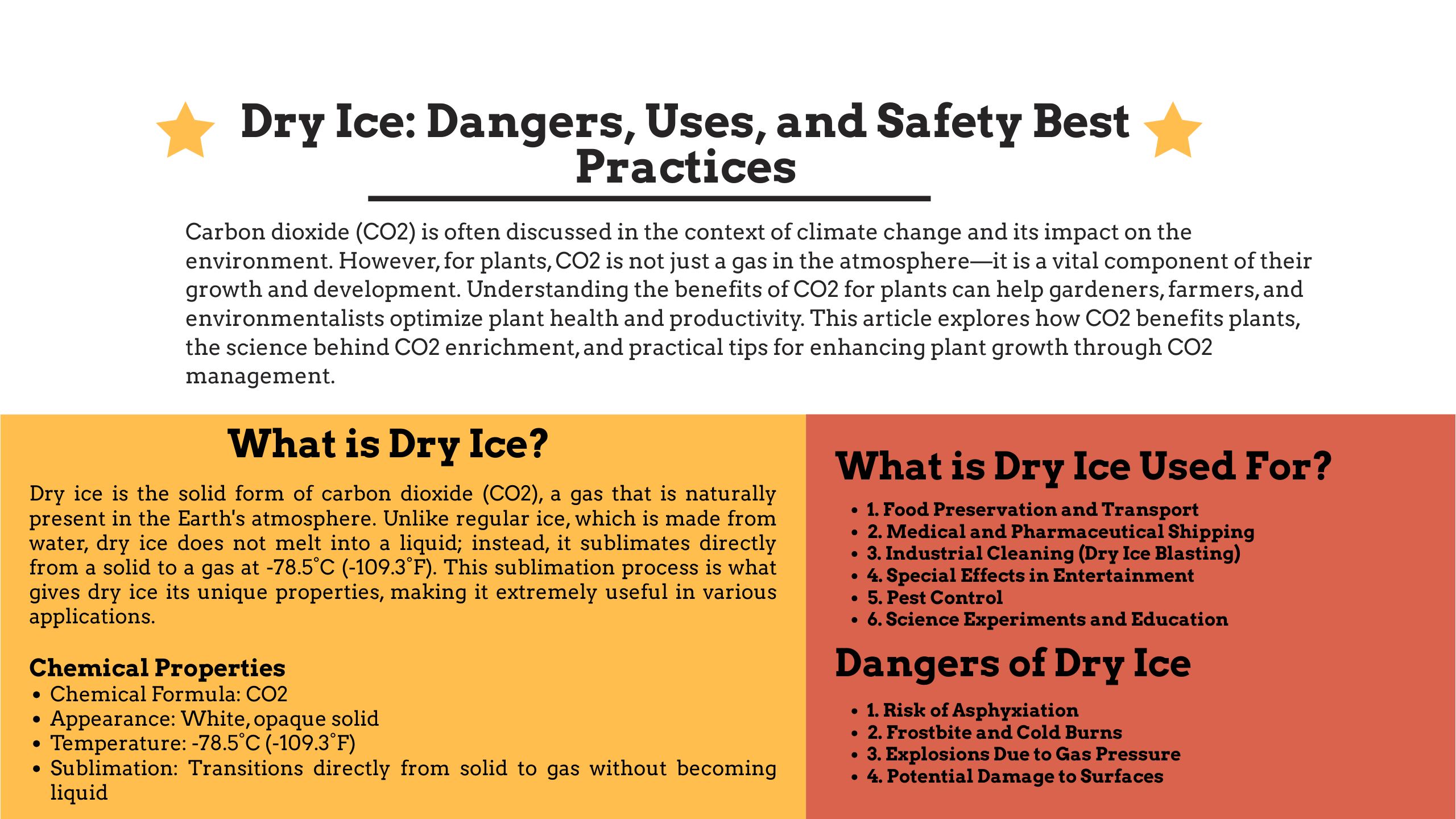
Dry ice is a versatile and widely used substance, known for its extreme cold temperature and the fog it produces when it sublimates. It has a variety of applications, ranging from food preservation and medical shipping to entertainment and special effects. However, dry ice also poses significant dangers if not handled properly. Understanding the risks, uses, and best practices for safety is crucial for anyone working with or around dry ice. This article delves into the dangers of dry ice, its common uses, and the safety measures necessary to handle it effectively.

What is Dry Ice?

Dry ice is the solid form of carbon dioxide (CO2), a gas that is naturally present in the Earth’s atmosphere. Unlike regular ice, which is made from water, dry ice does not melt into a liquid; instead, it sublimates directly from a solid to a gas at -78.5°C (-109.3°F). This sublimation process is what gives dry ice its unique properties, making it extremely useful in various applications.

Chemical Properties

  • Chemical Formula: CO2
  • Appearance: White, opaque solid
  • Temperature: -78.5°C (-109.3°F)
  • Sublimation: Transitions directly from solid to gas without becoming liquid

How Dry Ice is Made
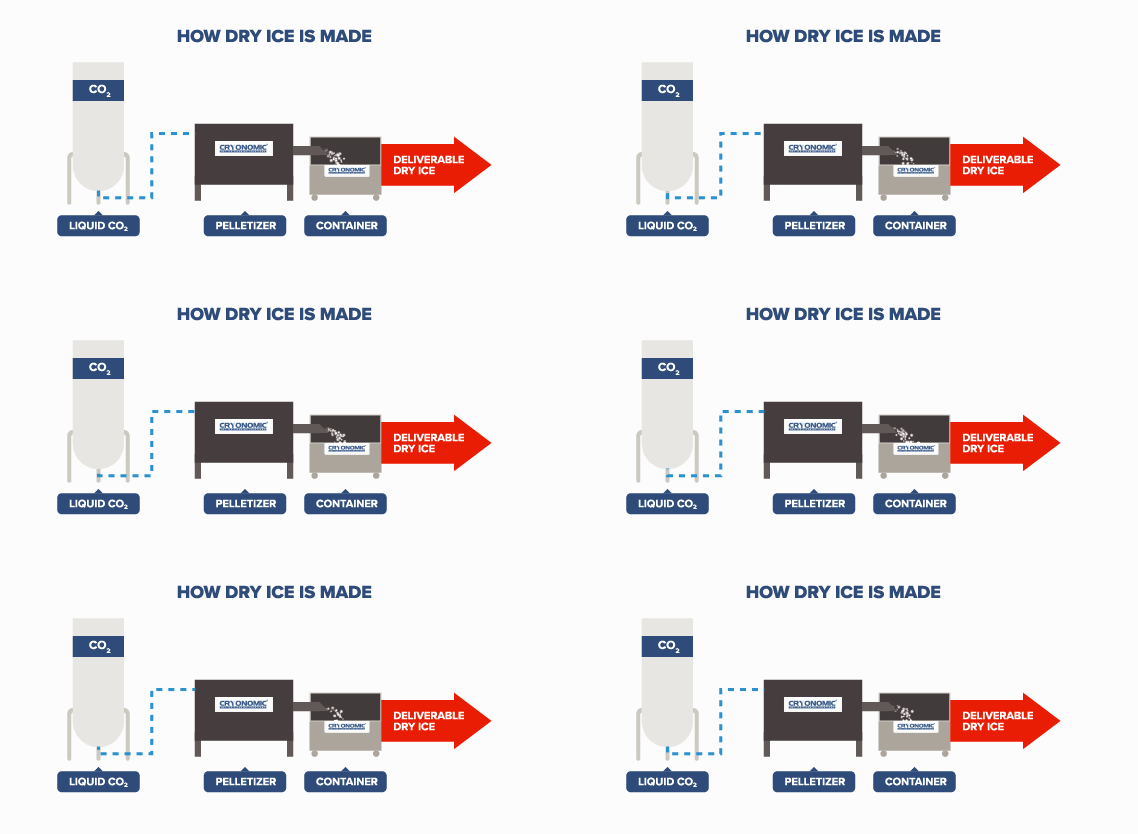
How Dry Ice is Made
(Source: https://www.cryonomic.com/en/dry-ice-process)

Dry ice is produced by compressing and cooling gaseous CO2 until it liquefies. The liquid CO2 is then allowed to expand rapidly, causing it to freeze into a solid form. This solid CO2 is then pressed into blocks, pellets, or slices, depending on the intended use.


What is Dry Ice Used For?

Dry ice is used in a variety of settings due to its cold temperature and the fact that it leaves no residue, unlike water ice. Here are some of the most common applications:

1. Food Preservation and Transport

Dry ice is frequently used to keep perishable items cold during transport. Its ability to maintain extremely low temperatures makes it ideal for shipping frozen foods, meats, and ice cream. It is also used in grocery stores and markets to preserve produce and other perishables.

2. Medical and Pharmaceutical Shipping

In the medical field, dry ice is indispensable for transporting biological samples, vaccines, and other temperature-sensitive pharmaceuticals. It ensures that these items remain at the required low temperatures during transit, preventing spoilage or degradation.

3. Industrial Cleaning (Dry Ice Blasting)

Dry ice blasting is an industrial cleaning process that uses dry ice pellets as a cleaning medium. The pellets are accelerated in a pressurized air stream and directed at the surface to be cleaned. This method is effective for removing contaminants like paint, oil, and grime from machinery and equipment without causing damage or leaving residue.

4. Special Effects in Entertainment

In the entertainment industry, dry ice is used to create fog and smoke effects in theaters, films, and haunted houses. When dry ice is placed in water, it sublimates rapidly, producing a dense fog that cascades over the surface, creating an eerie or dramatic atmosphere.

5. Pest Control

Dry ice is sometimes used in pest control, particularly in the detection of bed bugs. The CO2 released by sublimating dry ice attracts bed bugs, allowing for effective monitoring and control.

6. Science Experiments and Education

Dry ice is a popular tool in science education due to its unique properties. It is often used in demonstrations to teach concepts like sublimation, gas laws, and the effects of extreme cold.

Dangers of Dry Ice

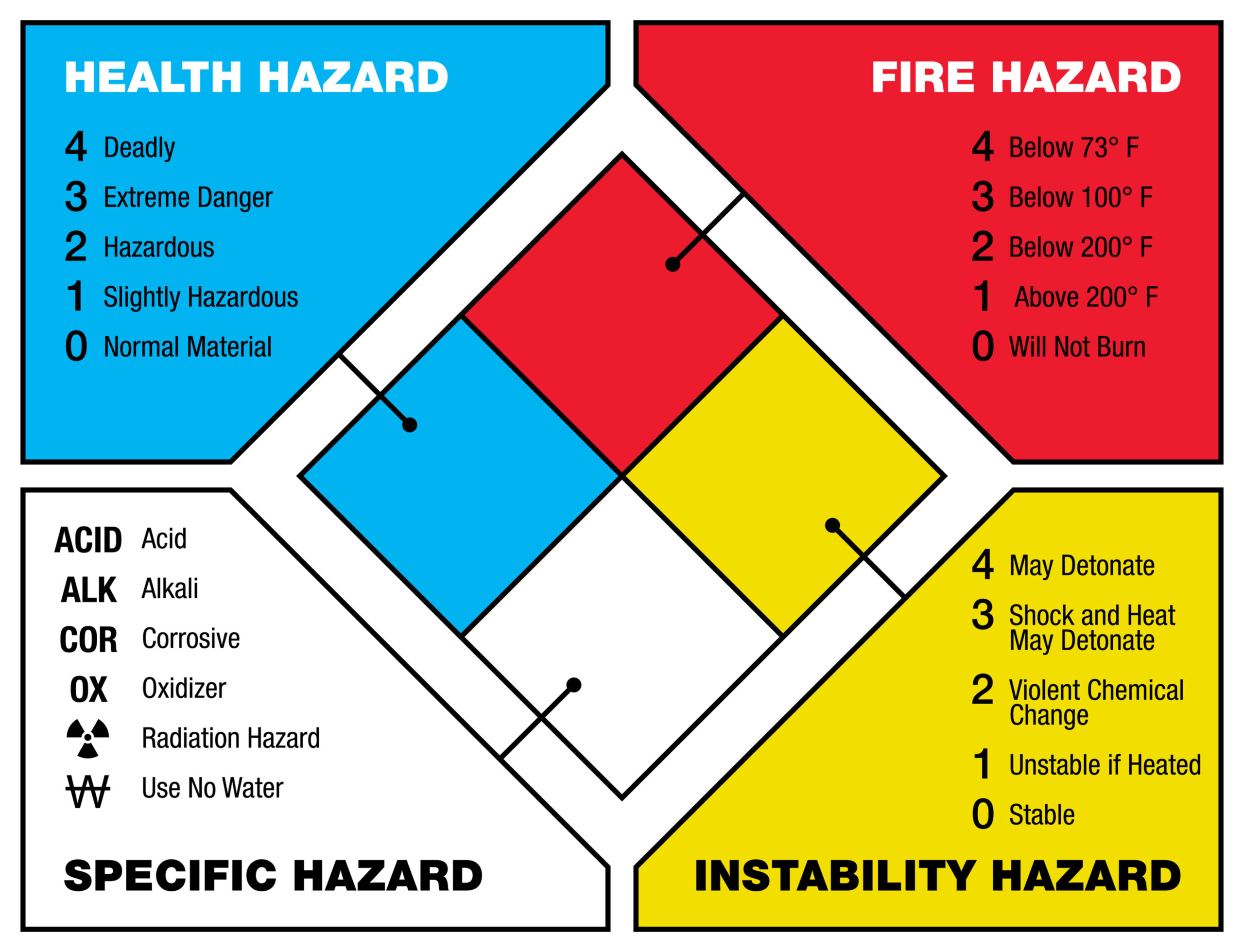
While dry ice has many practical uses, it also poses several significant dangers if not handled correctly. These dangers include the risk of asphyxiation, frostbite, and explosions due to the buildup of gas pressure.

1. Risk of Asphyxiation

As dry ice sublimates, it releases carbon dioxide gas, which can displace oxygen in the air. In confined or poorly ventilated spaces, this can lead to a dangerous buildup of CO2, potentially causing asphyxiation. Symptoms of CO2 exposure include dizziness, shortness of breath, and loss of consciousness. In severe cases, asphyxiation can be fatal.

Prevention

  • Ventilation: Always use dry ice in well-ventilated areas to prevent the buildup of CO2. Avoid using dry ice in small, enclosed spaces like walk-in freezers, cars, or rooms with poor air circulation.
  • CO2 Detectors: In environments where dry ice is used regularly, installing CO2 detectors can help monitor air quality and alert you to dangerous levels of carbon dioxide.

2. Frostbite and Cold Burns

Dry ice is extremely cold, and direct contact with skin can cause frostbite or cold burns within seconds. The extreme cold can damage skin tissues, leading to pain, blisters, and in severe cases, permanent injury.

Prevention

  • Protective Gear: Always wear insulated gloves when handling dry ice. Use tongs or other tools to move or break dry ice, rather than touching it directly with your hands.
  • Clothing: Ensure that exposed skin is covered when working with dry ice to prevent accidental contact.

3. Explosions Due to Gas Pressure

As dry ice sublimates, it produces CO2 gas, which can cause sealed containers to explode if the gas has no way to escape. This is particularly dangerous when dry ice is stored in airtight containers like plastic bottles or coolers.

Prevention

  • Proper Storage: Store dry ice in containers that allow the gas to escape, such as Styrofoam coolers with loose-fitting lids. Never seal dry ice in airtight containers.
  • Handling: When transporting dry ice, ensure that the container is not completely sealed to avoid pressure buildup.

4. Potential Damage to Surfaces

Dry ice can damage certain surfaces due to its extreme cold. It can cause materials like plastic, metal, or glass to become brittle and crack. Additionally, if placed on a delicate surface, the extreme cold can cause warping or breakage.

Prevention

  • Use Appropriate Surfaces: Place dry ice on insulated, non-reactive surfaces like Styrofoam or thick towels to prevent damage. Avoid direct contact with glass, metal, or thin plastic surfaces.
  • Handling in Freezers: Be cautious when using dry ice in regular freezers, as the extreme cold can damage the freezer’s internal components.

Safety Best Practices When Handling Dry Ice

To safely use dry ice, it’s important to follow specific safety practices. These practices help mitigate the risks associated with handling this hazardous material.

1. Use in Well-Ventilated Areas

Always use dry ice in areas with good air circulation. Avoid using it in confined spaces where CO2 gas can accumulate. If you need to use dry ice in an enclosed space, ensure that the area is well-ventilated or use a CO2 monitor to track gas levels.

2. Wear Protective Clothing

When handling dry ice, wear protective gear, including insulated gloves, long sleeves, and eye protection. This will help prevent frostbite, cold burns, and eye injuries from splinters of dry ice.

3. Store Dry Ice Properly

Store dry ice in an insulated container that allows gas to escape. Never store dry ice in a completely airtight container, as this can lead to dangerous pressure buildup and explosions. Styrofoam coolers with loose-fitting lids are ideal for dry ice storage.

4. Transport Dry Ice Safely

When transporting dry ice, ensure that the container is not airtight. Place the container in a well-ventilated area of the vehicle, and never leave it in a closed vehicle for an extended period. Always transport dry ice in the trunk or cargo area, away from passengers.

5. Dispose of Dry Ice Safely

To dispose of dry ice, allow it to sublimate in a well-ventilated area where it can dissipate safely into the atmosphere. Never dispose of dry ice in a drain, toilet, or trash can, as the extreme cold can damage plumbing and create hazardous conditions.

6. Be Aware of Symptoms of CO2 Exposure

When working with dry ice, be aware of the symptoms of CO2 exposure, such as headaches, dizziness, shortness of breath, or confusion. If you experience any of these symptoms, move to a well-ventilated area immediately and seek medical attention if necessary.

Related Read:

Understanding Carbon Dioxide Levels: A Comprehensive Guide

Dangers of CO2: Everything You Need to Know

Dry Ice Carbon Dioxide Poisoning

Carbon dioxide poisoning can occur if dry ice is used or stored in an enclosed space without proper ventilation. As the dry ice sublimates, the concentration of CO2 in the air can rise to dangerous levels, displacing oxygen and leading to asphyxiation.

Symptoms of CO2 Poisoning

  • Mild Exposure: Headache, dizziness, shortness of breath, and confusion.
  • Moderate Exposure: Rapid breathing, increased heart rate, and difficulty concentrating.
  • Severe Exposure: Loss of consciousness, convulsions, and death if not promptly treated.

Preventing CO2 Poisoning

  • Ventilation: Always ensure adequate ventilation when using dry ice, especially in small or enclosed spaces.
  • CO2 Detectors: Use CO2 detectors in areas where dry ice is used regularly to monitor gas levels and alert you to any dangerous conditions.

Dry Ice Exposure Limits

Understanding the exposure limits for carbon dioxide is crucial when working with dry ice. Various organizations provide guidelines on safe CO2 exposure levels.

OSHA Exposure Limits

The Occupational Safety and Health Administration (OSHA) has set the permissible exposure limit (PEL) for CO2 at 5,000 ppm (parts per million) over an 8-hour workday. The short-term exposure limit (STEL) is 30,000 ppm over a 15-minute period.

NIOSH Recommendations

The National Institute for Occupational Safety and Health (NIOSH) recommends an exposure limit of 5,000 ppm for CO2 over an 8-hour workday. The NIOSH immediately dangerous to life or health (IDLH) concentration for CO2 is 40,000 ppm.

ACGIH Guidelines

The American Conference of Governmental Industrial Hygienists (ACGIH) has set a threshold limit value (TLV) of 5,000 ppm for an 8-hour workday and a STEL of 30,000 ppm.

CO2 Safety Alarm for Dry Ice Applications

To enhance safety when working with dry ice, particularly in environments where CO2 levels can become dangerously high, installing a CO2 safety alarm is highly recommended. These alarms monitor the concentration of CO2 in the air and provide an alert if levels exceed safe thresholds.

Features of CO2 Safety Alarms

  • Real-Time Monitoring: Continuously monitors CO2 levels in the environment and displays the current concentration in ppm.
  • Audible and Visual Alerts: Provides loud alarms and flashing lights to warn of dangerous CO2 levels, ensuring that workers are aware of the hazard.
  • Battery Backup: Equipped with a battery backup to ensure continuous operation even in the event of a power outage.
  • Easy Installation: Designed for easy installation in various settings, including industrial facilities, laboratories, and food storage areas.

Importance of CO2 Safety Alarms

CO2 safety alarms are essential in environments where dry ice is used regularly, as they provide an early warning of dangerous conditions. By alerting workers to rising CO2 levels, these alarms help prevent accidents and ensure that appropriate measures can be taken to ventilate the area or evacuate if necessary.

Conclusion

Dry ice is a powerful and useful material with a wide range of applications. However, it also poses significant dangers if not handled correctly. By understanding the risks associated with dry ice and following best practices for safety, you can use dry ice effectively and safely in various settings. Whether you’re preserving food, transporting medical supplies, or creating special effects, taking the necessary precautions will help prevent accidents and ensure that you can take full advantage of dry ice’s unique properties without putting yourself or others at risk.

Leave a Reply

Your email address will not be published. Required fields are marked *