Maintaining good indoor air quality (IAQ) is critical for both health and comfort, especially in homes, offices, and industrial environments. While various sensors are available for air quality monitoring, two commonly used types are CO₂ (carbon dioxide) sensors and VOC (volatile organic compound) sensors.

Though both sensors play vital roles in ensuring clean air, they serve different purposes. In this article, we’ll explore the differences between CO₂ and VOC sensors, how they work, where to use them, and which one is more appropriate for specific applications.

What Is a CO₂ Sensor?

A CO₂ sensor measures the concentration of carbon dioxide in the air. Carbon dioxide is a naturally occurring gas exhaled by humans and animals and released by various industrial processes. While low levels of CO₂ are harmless, high concentrations in enclosed spaces can lead to discomfort, reduced productivity, and health risks.

How CO₂ Sensors Work

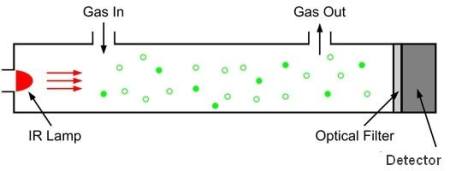
CO₂ sensors most commonly use Non-Dispersive Infrared (NDIR) technology.
ndir sensor principle

In an NDIR sensor:

  • An infrared light beam passes through a sample of air.
  • CO₂ molecules absorb light at a specific wavelength (4.26 μm).
  • The amount of absorption indicates the concentration of CO₂ present.

Some advanced sensors also use photoacoustic technology, where sound waves generated by absorbed infrared energy are measured to determine CO₂ concentration.

Applications of CO₂ Sensors

  • Indoor air quality (IAQ) monitoring: Offices, schools, and homes use CO₂ sensors to regulate ventilation.
  • Greenhouses: Ensures proper CO₂ levels for plant growth.
  • Industrial safety: Monitors confined spaces with potentially high CO₂ concentrations.
  • HVAC systems: Optimizes ventilation based on CO₂ levels to improve energy efficiency.

More About CO2 Sensor: What Is A CO2 Sensor And How Does It Work?

What Is a VOC Sensor?

A VOC sensor detects volatile organic compounds, a broad class of chemicals that can evaporate at room temperature and impact indoor air quality. VOCs include pollutants such as formaldehyde, benzene, acetone, and toluene, which may come from cleaning products, paints, adhesives, furniture, and even human activities.

How VOC Sensors Work

VOC sensors typically use metal oxide semiconductor (MOS) technology or photoionization detectors (PID).

  • MOS Sensors: The sensor’s surface reacts with VOC molecules, causing a change in electrical resistance, which correlates to the VOC concentration.
  • PID Sensors: These sensors use ultraviolet (UV) light to ionize gas molecules, generating a measurable electrical current that indicates VOC levels.

Some VOC sensors also provide a Total Volatile Organic Compounds (TVOC) reading, giving an overall measure of the air quality based on multiple VOCs.

Applications of VOC Sensors

  • Indoor air quality monitoring: Detects chemical pollutants in offices, homes, and public spaces.
  • Factories and industrial plants: Ensures compliance with safety regulations by monitoring VOC emissions.
  • Healthcare settings: Detects VOCs from disinfectants and medical supplies.
  • Smart homes and air purifiers: Some devices include VOC sensors to trigger air filtration when pollutants are detected.

More About VOC Sensors: What is a VOC sensor and how does it work?

Differences Between CO₂ and VOC Sensors

AspectCO₂ SensorVOC Sensor
Target GasMeasures carbon dioxide (CO₂)Measures volatile organic compounds (VOCs) like benzene, acetone, formaldehyde
Technology UsedNDIR or photoacoustic sensorsMOS or PID sensors
Primary PurposeMonitors CO₂ concentration for IAQ and safetyMonitors chemical pollutants in the air
ApplicationsOffices, schools, greenhouses, HVAC systemsFactories, homes, healthcare, air purifiers
Reading ProvidedCO₂ concentration (ppm)TVOC (Total VOCs in ppb or mg/m³)
Detection ScopeLimited to CO₂Detects a wide range of chemical pollutants
Health ImpactPrevents CO₂ buildup that can cause drowsiness and impaired focusIdentifies harmful VOCs that may cause respiratory issues and allergies

Key Takeaway:

  • CO₂ sensors are best for monitoring carbon dioxide levels to maintain air freshness and ensure efficient ventilation.
  • VOC sensors help detect harmful chemicals, ensuring that the air is free of pollutants.

Why Are Both Sensors Important?

CO₂ and VOCs contribute to poor air quality in different ways, making both sensors important for comprehensive air monitoring. While CO₂ affects air freshness and cognitive function, VOCs are associated with chemical exposure risks.

CO₂ Sensors to Monitor Indoor Air Quality

CO₂ sensors play a critical role in smart building management. With accurate CO₂ monitoring, ventilation systems can adjust in real-time to maintain air quality without wasting energy. They are commonly used in:

  • Offices and Classrooms: Ensuring fresh air for better cognitive function.
  • Greenhouses: Regulating CO₂ levels to promote plant growth.
  • HVAC Systems: Optimizing ventilation to prevent stale air buildup.
  • Air Quality Monitors: Tracking overall IAQ trends to ensure compliance with health standards.

The Role of VOC Sensors in Detecting Airborne Contaminants

VOCs are chemical compounds that evaporate at room temperature, releasing harmful pollutants into the air. VOCs come from cleaning products, paints, adhesives, furniture, and even human activities like cooking or smoking. While individual VOCs may not pose immediate danger, prolonged exposure can affect respiratory health and trigger allergies.

Why VOC Sensors Are Important

VOC sensors detect airborne chemicals and pollutants, giving a TVOC (Total Volatile Organic Compounds) reading. Unlike CO₂ sensors, VOC sensors detect a wide range of contaminants, including:

  • Formaldehyde from furniture and carpets
  • Benzene and Toluene from paint and adhesives
  • Acetone from cleaning agents
  • Alcohol-based compounds from hand sanitizers

Monitoring VOCs is crucial in industrial spaces, offices, and homes to prevent exposure to harmful pollutants.

Indoor Environments Requiring Both CO₂ and VOC Sensors

  • Offices and Classrooms: Ensure good ventilation by tracking CO₂ levels and reduce exposure to cleaning chemicals.
  • Smart Homes: Monitor both air freshness (CO₂) and chemical pollutants (VOC) for better comfort and health.
  • Factories and Labs: Track VOC emissions from chemicals and CO₂ buildup in confined spaces.

Using both sensors together ensures a more complete picture of indoor air quality.

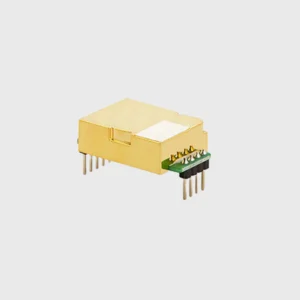
CO2 Sensor Recommend

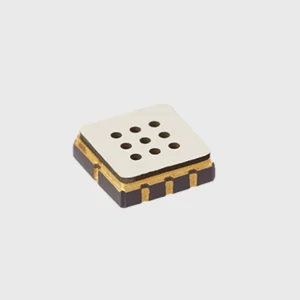
VOC Sensor Recommend

Health Impacts of CO₂ vs. VOC Exposure

Negative Effects of Elevated CO₂ Levels

  • 400 – 1000 ppm: Normal indoor air quality.
  • 1000 – 5000 ppm: Causes drowsiness, headaches, and loss of concentration.
  • Above 5000 ppm: Severe exposure may lead to difficulty breathing and unconsciousness.

Related Read: Understanding and Managing Typical CO2 Levels at Home: A Comprehensive Guide

Understanding Carbon Dioxide Levels: A Comprehensive Guide

Health Risks from VOC Exposure

  • Short-term effects: Eye irritation, headaches, dizziness, and allergic reactions.
  • Long-term effects: Chronic respiratory issues, liver or kidney damage, and increased cancer risk with prolonged exposure to certain VOCs like benzene or formaldehyde.

Since both gases can impact health differently, it’s essential to monitor them carefully in various environments.

How to Choose Between a CO₂ Sensor and a VOC Sensor

Use a CO₂ Sensor If:

  • Your goal is to optimize ventilation in homes, offices, or schools.
  • You need to track occupancy levels through exhaled CO₂.
  • You’re working with greenhouses or need to monitor enclosed spaces for CO₂ buildup.

Use a VOC Sensor If:

  • You want to detect chemical pollutants in the air.
  • Your space uses paints, adhesives, or cleaning agents regularly.
  • You need to monitor emissions in factories or industrial areas.

What Is the Proper Height for CO₂ and VOC Sensors?

CO₂ Sensor Placement

Since CO₂ is heavier than air, it tends to accumulate near the floor in confined spaces. Ideal placement includes:

  • At breathing height (about 3 to 5 feet above the ground).
  • Near occupancy zones like desks and seating areas.
  • Away from doors, windows, or vents to prevent false readings.

VOC Sensor Placement

VOC sensors work best when placed in areas with potential chemical exposure. Recommendations include:

  • Near pollutant sources like kitchens or factories.
  • At mid-room height to detect airborne chemicals accurately.
  • In air purifiers or HVAC units for real-time monitoring and air filtration.

Cost and Efficiency: Comparing CO₂ and VOC Sensors

The cost of sensors varies depending on the technology used and the application.

  • CO₂ Sensors: NDIR technology makes CO₂ sensors more expensive but also highly accurate and reliable.
  • VOC Sensors: MOS sensors are cheaper but may require calibration over time. PID sensors offer better precision but come at a higher cost.

When choosing between CO₂ and VOC sensors, efficiency also depends on the environment. For example, a VOC sensor in an industrial setting ensures safety, while a CO₂ sensor is more efficient for maintaining indoor air freshness in offices.

FAQ

VOC Sensors: Where Are They Most Effective?

VOC sensors are versatile and used in various applications to ensure safe environments. They are particularly effective in:

  • Smart Homes and Air Purifiers: Triggering air filtration systems when VOC levels increase.
  • Healthcare Facilities: Monitoring chemical exposure from disinfectants and medical supplies.
  • Factories and Industrial Plants: Ensuring compliance with safety regulations by tracking emissions.
  • Public Spaces and Offices: Detecting pollutants from cleaning activities and construction work.

Can a VOC Sensor Measure Carbon Dioxide?

No, VOC sensors cannot measure CO₂. VOC sensors are designed to detect organic chemicals and cannot identify carbon dioxide molecules. Similarly, CO₂ sensors cannot detect VOCs because they are tuned to measure the specific infrared absorption pattern of carbon dioxide.

To maintain complete air quality monitoring, it is often necessary to use both CO₂ and VOC sensors together.

Why Measure Carbon Dioxide?

CO₂ is a natural component of the air we breathe, but high concentrations in enclosed spaces can impact health, comfort, and productivity. Since humans exhale CO₂, poorly ventilated rooms with many occupants tend to accumulate high levels of it. Measuring CO₂ allows for maintaining optimal ventilation and ensuring that indoor spaces remain comfortable and healthy.

Key Reasons to Measure CO₂:

  • Occupancy Tracking: Rising CO₂ levels indicate more occupants and the need for fresh air.
  • Energy Efficiency: CO₂ monitoring helps regulate ventilation systems, reducing energy waste.
  • Cognitive Performance: Studies show that high CO₂ levels impair focus and decision-making abilities.
  • Health and Safety: Prolonged exposure to elevated CO₂ levels can cause headaches, dizziness, and in severe cases, respiratory distress.

Future Trends in Air Quality Sensors

Air quality monitoring technology continues to evolve, with sensors becoming more accurate, compact, and energy-efficient. Some emerging trends include:

  • Integration with Smart Home Systems: Sensors connected to IoT networks can automatically adjust air purifiers or HVAC systems based on real-time data.
  • Hybrid Sensors: Devices that combine CO₂, VOC, and other gas sensors into a single unit for comprehensive air quality tracking.
  • AI-Driven Analytics: Sensors equipped with machine learning algorithms to predict air quality trends and optimize ventilation.
  • Wearable Air Quality Monitors: Portable sensors that provide real-time data on personal exposure to CO₂ and VOCs.

Conclusion: CO₂ Sensor vs. VOC Sensor – Which One Do You Need?

Choosing between a CO₂ sensor and a VOC sensor depends on your specific air quality concerns. If your focus is on ventilation efficiency and CO₂ buildup, a CO₂ sensor is the better option. However, if you are worried about chemical pollutants from paints, adhesives, or cleaning products, a VOC sensor will provide more relevant data.

In many cases, using both sensors together offers the best solution for ensuring healthy air quality. Offices, homes, factories, and public spaces can all benefit from comprehensive monitoring to keep CO₂ and VOC levels within safe limits.

Don’t compromise on air quality—understand your needs, install the right sensors, and breathe easier knowing your environment is safe.

[post-views]

Leave a Reply

Your email address will not be published. Required fields are marked *