Introduction
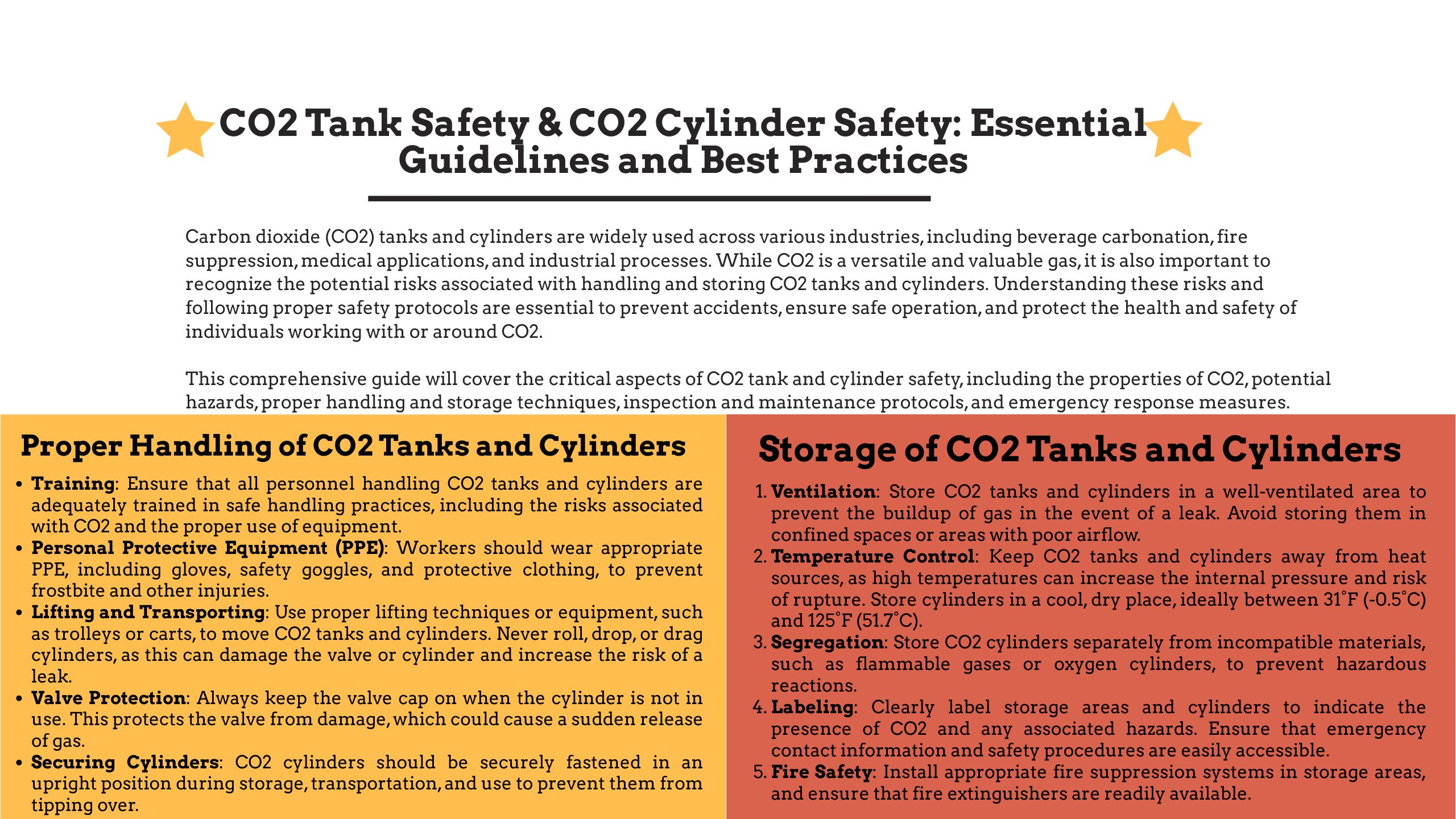
Carbon dioxide (CO2) tanks and cylinders are widely used across various industries, including beverage carbonation, fire suppression, medical applications, and industrial processes. CO2 Tank Safety is of the utmost importance. While CO2 is a versatile and valuable gas, it is also important to recognize the potential risks associated with handling and storing CO2 tanks and cylinders. Understanding these risks and following proper safety protocols are essential to prevent accidents, ensure safe operation, and protect the health and safety of individuals working with or around CO2.
This comprehensive guide will cover the critical aspects of CO2 tank and cylinder safety, including the properties of CO2, potential hazards, proper handling and storage techniques, inspection and maintenance protocols, and emergency response measures.
Understanding CO2 Properties and Hazards
Physical and Chemical Properties of CO2
Carbon dioxide is a colorless, odorless gas that is naturally present in the atmosphere. It is heavier than air, non-flammable, and soluble in water, forming carbonic acid. At standard temperature and pressure, CO2 is a gas, but it can be compressed and stored as a liquid in high-pressure tanks and cylinders. When released from a tank or cylinder, the liquid CO2 rapidly expands into a gas, which can create unique hazards if not properly managed.
Common Uses of CO2
CO2 is used in various applications, including:
- Beverage Industry: CO2 is used to carbonate soft drinks, beer, and other beverages.
- Fire Suppression: CO2 extinguishers are used to suppress fires by displacing oxygen and reducing the temperature of the flames.
- Welding: CO2 is used as a shielding gas in welding processes.
- Medical Applications: CO2 is used in medical procedures, including laparoscopic surgeries, as an insufflation gas.
- Industrial Processes: CO2 is used in refrigeration, pH control, and chemical manufacturing.
More About Carbon Dioxide: Understanding Carbon Dioxide (CO2): A Comprehensive Guide
Potential Hazards Associated with CO2
While CO2 is generally considered non-toxic and non-flammable, it can pose significant hazards under certain conditions:
- Asphyxiation: High concentrations of CO2 can displace oxygen in the air, leading to asphyxiation. This is particularly dangerous in confined or poorly ventilated spaces.
- Frostbite: Direct contact with liquid CO2 or escaping gas from a high-pressure cylinder can cause severe frostbite or cold burns due to the extremely low temperatures.
- Explosion Hazard: Over-pressurized CO2 tanks or cylinders can rupture, leading to explosive release of gas, which can cause serious injuries or damage to property.
- Corrosion: CO2 can combine with water to form carbonic acid, which is corrosive to certain materials, potentially leading to the degradation of equipment or containers.
CO2 Tank Safety and Cylinder Safety: Key Guidelines
Key Safety Concerns with CO2 Tanks and Cylinders
The primary safety concern when dealing with CO2 tanks and cylinders is gas leakage. While the tanks and cylinders are designed to withstand high pressure and physical damage, the associated pipes, hoses, and fittings used to distribute the gas are more vulnerable. A standard CO2 cylinder typically operates at a pressure of about 860 psi at normal room temperature, and the CO2 within is stored as a liquid under this high pressure. A typical CO2 cylinder might contain about 50 pounds of liquid CO2, which expands significantly when released.
One pound of liquid CO2 expands to roughly 8.74 cubic feet of gaseous CO2 at atmospheric pressure, which can rapidly fill an enclosed space. This expansion rate means that a small leak can quickly lead to the displacement of oxygen in a room, creating an environment that can be dangerous or even fatal due to suffocation. Furthermore, since CO2 is heavier than air, it tends to accumulate in low-lying areas such as basements or under-floor service areas, where it can linger for hours if not properly ventilated.
Another critical aspect to consider is the temperature of liquid CO2. If the gas escapes rapidly, such as when a fire extinguisher is discharged, it exits at sub-zero temperatures, producing a mix of CO2 gas and CO2 “snow.” This “snow” is momentarily as cold as dry ice (approximately -110°F or -79°C) and can cause severe frostbite or freeze burns on contact with skin.
Proper Handling of CO2 Tanks and Cylinders
Safe handling practices are crucial to prevent accidents and ensure the longevity of CO2 tanks and cylinders:
- Training: Ensure that all personnel handling CO2 tanks and cylinders are adequately trained in safe handling practices, including the risks associated with CO2 and the proper use of equipment.
- Personal Protective Equipment (PPE): Workers should wear appropriate PPE, including gloves, safety goggles, and protective clothing, to prevent frostbite and other injuries.
- Lifting and Transporting: Use proper lifting techniques or equipment, such as trolleys or carts, to move CO2 tanks and cylinders. Never roll, drop, or drag cylinders, as this can damage the valve or cylinder and increase the risk of a leak.
- Valve Protection: Always keep the valve cap on when the cylinder is not in use. This protects the valve from damage, which could cause a sudden release of gas.
- Securing Cylinders: CO2 cylinders should be securely fastened in an upright position during storage, transportation, and use to prevent them from tipping over.
Storage of CO2 Tanks and Cylinders
Proper storage of CO2 tanks and cylinders is essential to prevent accidents and ensure safe operation:
- Ventilation: Store CO2 tanks and cylinders in a well-ventilated area to prevent the buildup of gas in the event of a leak. Avoid storing them in confined spaces or areas with poor airflow.
- Temperature Control: Keep CO2 tanks and cylinders away from heat sources, as high temperatures can increase the internal pressure and risk of rupture. Store cylinders in a cool, dry place, ideally between 31°F (-0.5°C) and 125°F (51.7°C).
- Segregation: Store CO2 cylinders separately from incompatible materials, such as flammable gases or oxygen cylinders, to prevent hazardous reactions.
- Labeling: Clearly label storage areas and cylinders to indicate the presence of CO2 and any associated hazards. Ensure that emergency contact information and safety procedures are easily accessible.
- Fire Safety: Install appropriate fire suppression systems in storage areas, and ensure that fire extinguishers are readily available.
Inspection and Maintenance of CO2 Tanks and Cylinders
Regular inspection and maintenance of CO2 tanks and cylinders are essential to ensure their safe operation:
- Visual Inspections: Perform visual inspections of CO2 tanks and cylinders before each use to check for signs of damage, such as dents, corrosion, or leaks. Inspect the valve and pressure relief devices for proper function.
- Pressure Testing: CO2 cylinders are subject to periodic hydrostatic pressure testing to ensure they can safely withstand the pressure of the gas. Follow the manufacturer’s guidelines and regulatory requirements for testing intervals.
- Valve Maintenance: Regularly check the condition of the valve, including the valve stem and seal. Replace worn or damaged components as needed.
- Leak Detection: Use soapy water or a commercial leak detection solution to check for leaks around the valve and fittings. Never use a flame or other heat source to detect leaks.
- Record Keeping: Maintain accurate records of inspections, maintenance, and testing for each CO2 tank and cylinder. This documentation is essential for compliance with safety regulations and for tracking the condition of the equipment.
Emergency Response for CO2 Incidents
Recognizing CO2 Leaks and Exposure
Prompt recognition of CO2 leaks and exposure is critical for ensuring the safety of personnel:
- Signs of a Leak: A hissing sound, frost formation on the tank or valve, or the presence of a white fog can indicate a CO2 leak. In areas with poor ventilation, a CO2 leak may also cause fogging of the air.
- Symptoms of Exposure: Symptoms of CO2 exposure can include shortness of breath, dizziness, headache, confusion, and loss of consciousness. In severe cases, exposure can be fatal.
Immediate Actions in the Event of a Leak
In the event of a CO2 leak, take the following immediate actions:
- Evacuate the Area: Quickly evacuate personnel from the affected area to prevent CO2 exposure. Ensure that individuals move to a well-ventilated location.
- Ventilation: Increase ventilation in the area by opening doors and windows or using mechanical ventilation systems to disperse the gas.
- Emergency Shutoff: If safe to do so, close the valve on the leaking CO2 tank or cylinder to stop the flow of gas. Use appropriate tools and PPE to avoid injury.
- Alert Emergency Services: Contact emergency services and report the incident, providing details about the location, the amount of CO2 released, and any potential injuries.
- First Aid: Provide first aid to anyone who has been exposed to CO2. Move the affected person to fresh air, monitor their breathing, and provide CPR if necessary. Seek medical attention immediately.
Long-Term Safety Considerations
After addressing the immediate emergency, take steps to prevent future incidents:
- Investigate the Cause: Conduct a thorough investigation to determine the cause of the leak or incident. This may involve inspecting the CO2 tank or cylinder, reviewing handling and storage practices, and identifying any equipment failures.
- Implement Corrective Actions: Based on the findings of the investigation, implement corrective actions to address the root cause of the incident. This may include additional training, changes to storage or handling procedures, or equipment upgrades.
- Review Safety Protocols: Regularly review and update safety protocols to ensure they reflect current best practices and regulatory requirements. Involve employees in safety discussions and encourage them to report any concerns.
Monitoring CO2 Tank Levels
Monitoring the amount of CO2 remaining in a tank is essential to ensure a consistent supply and avoid interruptions in operations. There are several methods for monitoring CO2 levels:
- Dual Gauge Regulator: A dual gauge regulator allows you to read the pressure in the tank, giving you an indication of how much CO2 is left. However, this method only provides a rough estimate, as the pressure will remain relatively constant until the liquid CO2 is nearly depleted.
- Electronic Scales: Placing the CO2 tank on a scale allows you to monitor its weight and estimate the remaining CO2 based on the initial weight and the current reading. This method is more accurate than using a pressure gauge but requires regular monitoring.
- Automatic CO2 Level Sensors: Advanced CO2 monitoring systems can automatically measure the CO2 levels in a tank and provide alerts when levels are low. These systems can be integrated with other safety and monitoring equipment to provide a comprehensive solution for managing CO2 supplies.
More About CO2 Sensor: What Is A CO2 Sensor And How Does It Work?
Choose CO2 Sensor: Winsen CO2(Carbon Dioxide) Sensor Selection Guide
Identifying CO2 Cylinders
CO2 cylinders typically have a gray shoulder at the top, below the valve stem, which is a universal color standard. However, it is essential not to rely solely on the cylinder color to identify the gas inside. Instead, always check the label on the side of the cylinder, which is a regulatory requirement. The label will provide crucial information about the gas type and other safety-related details.
Regulatory Compliance and Standards
OSHA and Other Regulatory Agencies
In the United States, the Occupational Safety and Health Administration (OSHA) sets standards for the safe handling, storage, and use of CO2 tanks and cylinders. Key OSHA regulations related to CO2 safety include:
- Hazard Communication: OSHA’s Hazard Communication Standard (HCS) requires employers to provide information about the hazards of chemicals, including CO2, through labels, safety data sheets (SDS), and training.
- Personal Protective Equipment (PPE): OSHA requires the use of appropriate PPE when handling hazardous materials, including CO2. Employers must assess the risks and provide suitable protective gear.
- Confined Spaces: OSHA’s regulations on confined spaces address the hazards of working in areas where CO2 may accumulate. Employers must evaluate spaces, monitor gas levels, and implement entry procedures.
- General Duty Clause: OSHA’s General Duty Clause requires employers to provide a workplace free from recognized hazards, including the risks associated with CO2.
Industry Standards and Best Practices
In addition to OSHA regulations, several industry standards and best practices apply to CO2 safety:
- Compressed Gas Association (CGA): The CGA publishes guidelines for the safe handling, storage, and transportation of compressed gases, including CO2. These guidelines are widely used in industries that rely on compressed gases.
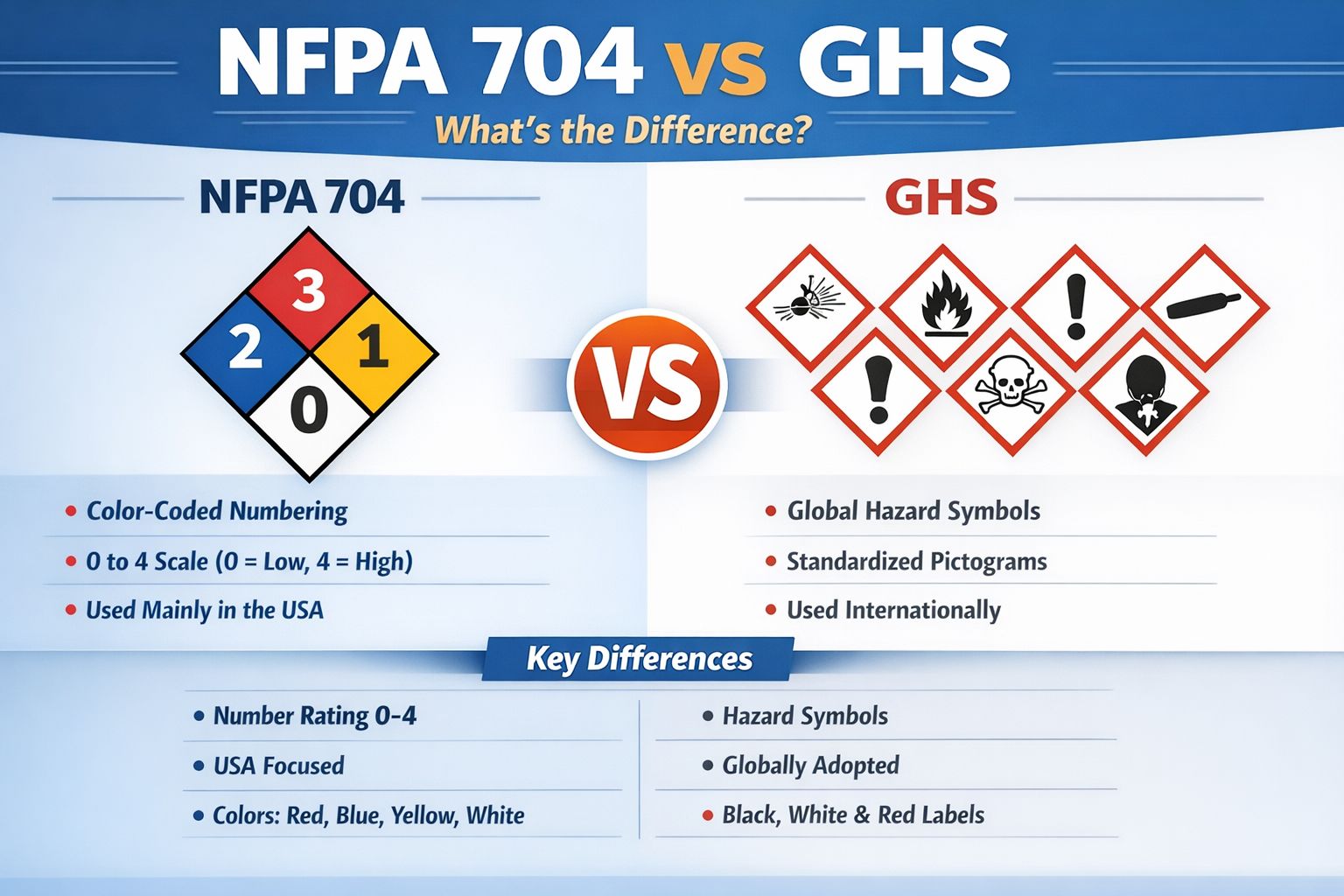
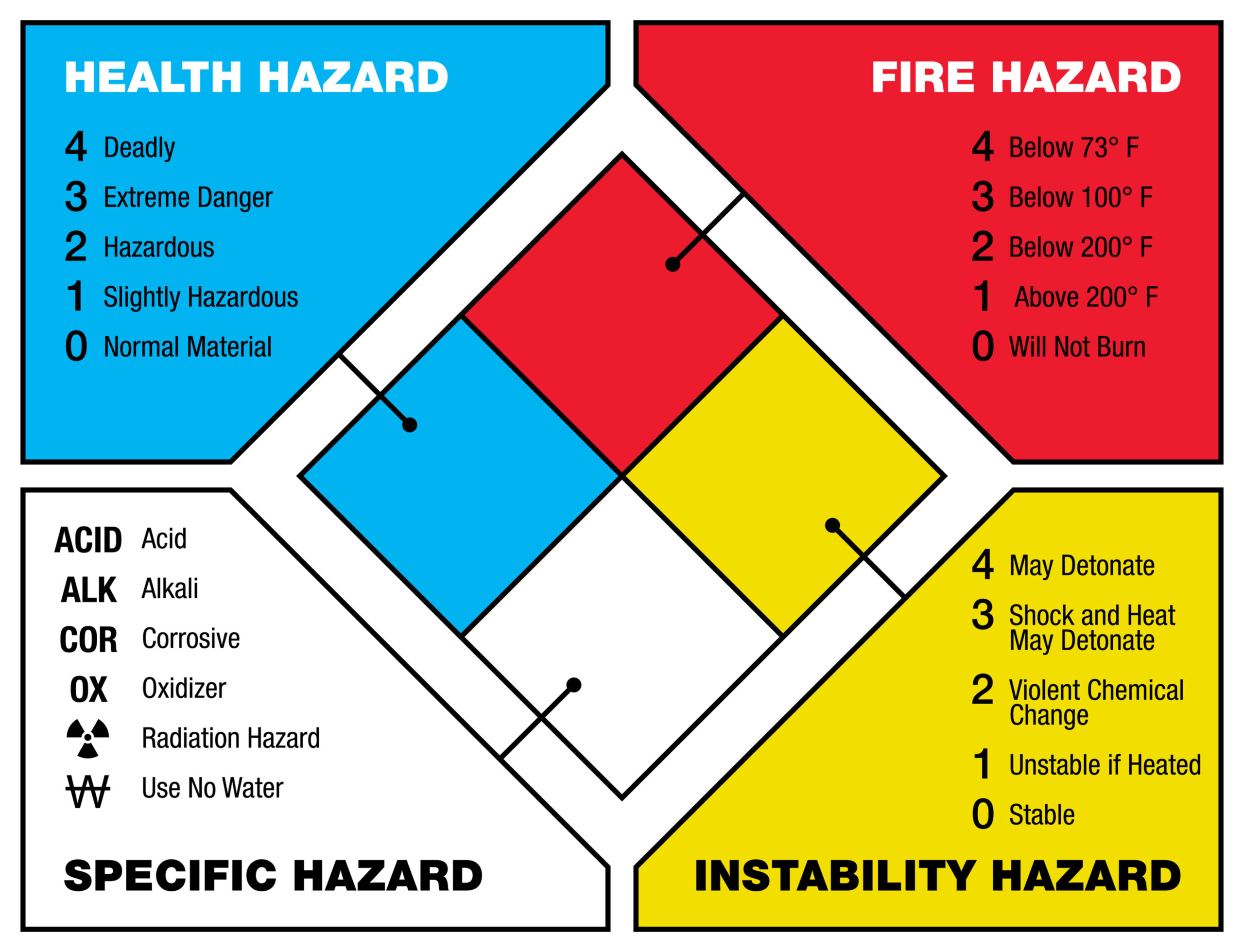
- National Fire Protection Association (NFPA): The NFPA sets standards for fire safety, including the use of CO2 in fire suppression systems. Compliance with NFPA standards helps prevent fire-related hazards.
- American National Standards Institute (ANSI): ANSI
provides standards for gas detection and monitoring equipment, which can be used to detect CO2 leaks and ensure safe operating conditions.
Conclusion
CO2 tanks and cylinders are vital components in many industries, but they require careful handling, storage, and maintenance to ensure safety. Understanding the properties and potential hazards of CO2, following proper safety protocols, and complying with regulatory standards are essential to prevent accidents and protect the health and safety of workers and the public.
By implementing the guidelines outlined in this article, companies can reduce the risks associated with CO2 tanks and cylinders, ensuring safe and efficient operations. Regular training, inspection, and emergency preparedness are key elements of a comprehensive CO2 safety program, helping to create a safer workplace and a safer environment for everyone.