
A CO2 leak (carbon dioxide leak) can be a serious hazard, especially in confined spaces or areas where people may be exposed to high concentrations of the gas. Carbon dioxide, though naturally present in the atmosphere, can be dangerous at elevated levels, as it displaces oxygen and can lead to serious health effects or even fatalities. Understanding how to identify a CO₂ leak, detect signs of elevated CO₂ levels, and take appropriate safety measures is crucial for both industrial settings and homes.
What Is Carbon Dioxide (CO₂)?
Carbon dioxide is a colorless, odorless gas produced as a natural byproduct of respiration, combustion, and certain chemical reactions. It’s also commonly used in various industries, from beverage carbonation to fire suppression systems. While it’s harmless in low concentrations, high levels of CO₂ in the air can lead to dizziness, headaches, and other more severe health effects due to oxygen displacement. When CO₂ levels reach dangerous thresholds, oxygen in the air is pushed out, leading to asphyxiation risk if the area is not properly ventilated or if the leak goes undetected.
Signs of a CO₂ Leak
Detecting a CO₂ leak can be challenging without specialized equipment since the gas is both colorless and odorless. However, there are some signs and symptoms that may indicate elevated CO₂ levels or the presence of a leak:
Unexplained Health Symptoms
Symptoms such as headaches, dizziness, shortness of breath, confusion, and even loss of consciousness can result from elevated CO₂ levels. These symptoms often occur more quickly in poorly ventilated areas. People exposed to high levels of CO₂ might feel lethargic or may experience a tingling sensation around the mouth and extremities.
Condensation and Frost
In settings where CO₂ is stored in pressurized tanks (such as breweries, greenhouses, or industrial facilities), condensation or frost around the tanks, pipes, or valves can indicate a leak. Since CO₂ gas cools as it expands, condensation forms on cold surfaces around the leak.
Hissing or Unusual Noises
CO₂ leaks from pressurized tanks can sometimes produce a hissing sound. If you hear unusual noises near CO₂ storage tanks or pipelines, it’s important to investigate further, as this could indicate a slow or rapid release of gas.
Dead Plants or Vegetation
Elevated CO₂ levels can sometimes harm vegetation by displacing oxygen in the soil. If plants in your home or garden are suddenly wilting or dying without a clear reason, this could be an early warning sign of increased CO₂ levels in the area.
Fog or Mist in Certain Conditions
In colder climates or areas with high humidity, a rapid release of CO₂ can create a visible fog or mist as the gas interacts with moisture in the air. This effect is commonly seen in laboratories or industrial settings where CO₂ is used in large quantities.
Common Sources of CO₂ Leaks
Understanding where CO₂ leaks are likely to originate is key to early detection. Some common sources include:
CO₂ Tanks
CO₂ tanks, commonly used in beverages, food production, and laboratories, are a significant source of leaks. Leaks can occur from damaged valves, cracked seals, or due to tank corrosion.
CO2 Tank Safety & CO2 Cylinder Safety: Essential Guidelines and Best Practices
Compressed Gas Cylinders
In industries such as welding or firefighting, compressed CO₂ cylinders are often stored and used. Leaks can happen due to improper connections, weakened seals, or excessive pressure.
Refrigeration Systems
CO₂ is sometimes used in refrigeration systems, especially in commercial and industrial applications. Faulty components or system malfunctions can cause CO₂ to leak from these systems.
Refrigerant Safety: A Comprehensive Guide
Greenhouses and Grow Rooms
CO₂ enrichment is popular in horticulture to promote plant growth. However, a malfunction in the enrichment system can lead to excessive CO₂ levels if not properly monitored.
Health Risks of CO₂ Exposure
At low concentrations, CO₂ is not harmful. However, exposure to higher levels can lead to:
- 1,000-5,000 ppm: Minor discomfort, headache, and drowsiness.
- 5,000-10,000 ppm: Nausea, confusion, rapid breathing, and headaches.
- Above 10,000 ppm: Severe symptoms including dizziness, unconsciousness, and, if exposure continues, fatality due to oxygen displacement.
How to Detect a CO₂ Leak
Several methods and technologies are available to detect CO₂ leaks, from basic warning systems to advanced monitoring solutions:
CO₂ Detectors
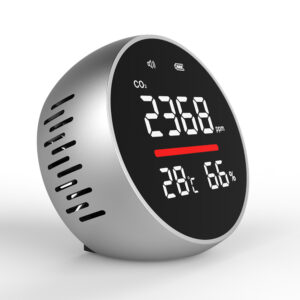
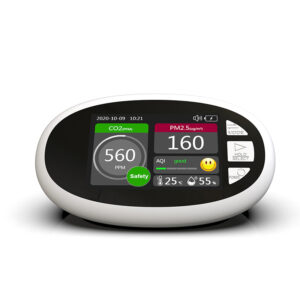
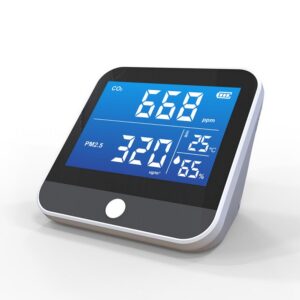
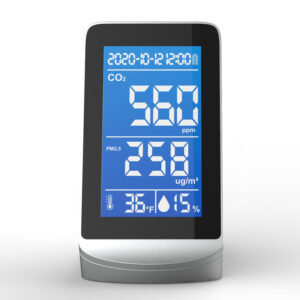
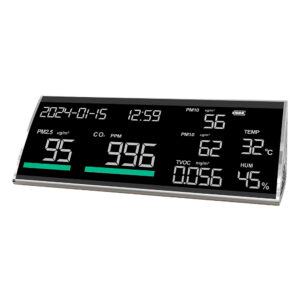
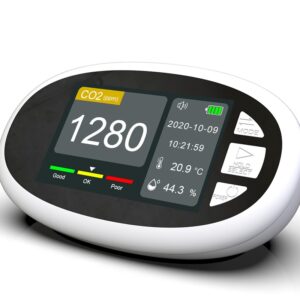
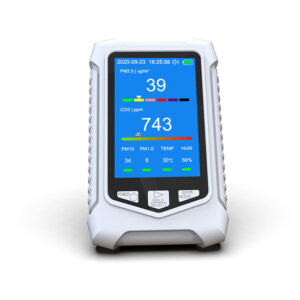
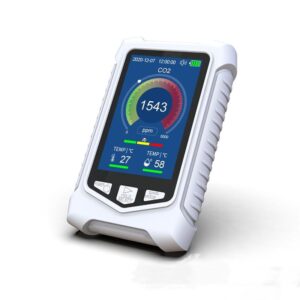
The most effective way to identify a CO₂ leak is by using a dedicated CO₂ detector. These detectors can continuously monitor CO₂ levels in the air and trigger an alarm if levels exceed a set threshold. Some CO₂ detectors are portable, while others are installed permanently in high-risk areas. They provide accurate measurements and real-time alerts, which are essential in industrial settings and confined spaces.
Fixed Gas Monitoring Systems
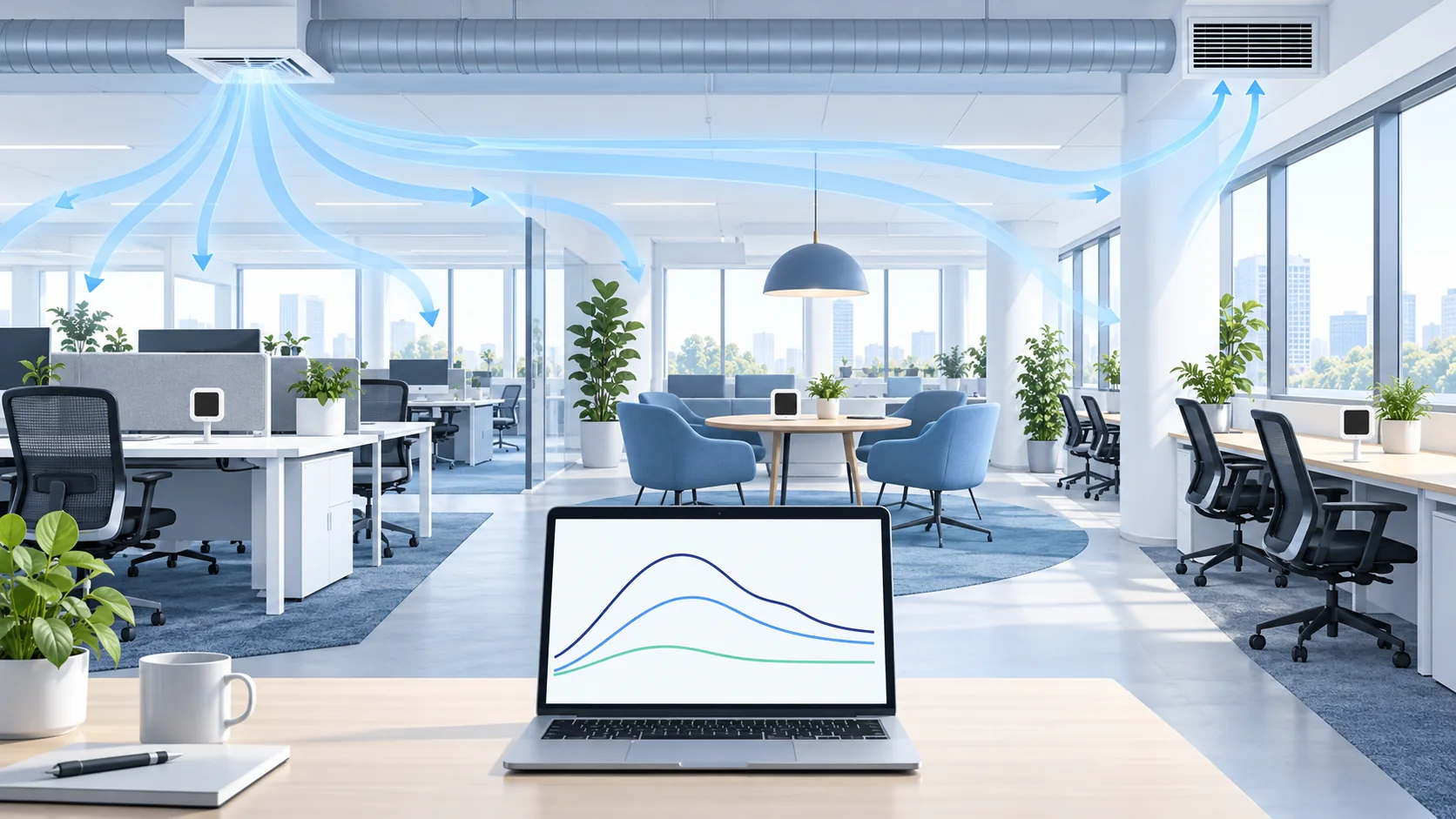
In facilities where CO₂ is used extensively, fixed gas monitoring systems can be installed to detect CO₂ leaks. These systems continuously monitor air quality and provide real-time data and alerts. Advanced systems can connect to building management systems (BMS) for automated response and ventilation activation.
Portable CO₂ Monitors
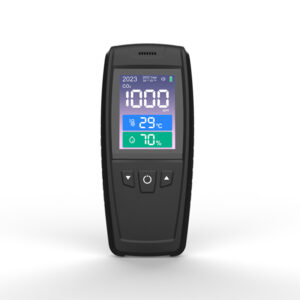
Portable CO₂ monitors are handheld devices ideal for spot-checking specific areas. These are valuable tools for on-the-go personnel who need to assess multiple locations for CO₂ levels quickly.
Leak Detection Sprays
For smaller leaks, such as from pipes or valves, leak detection sprays can help locate the source of the leak. Spraying the solution onto the suspected area will cause bubbles to form if CO₂ is escaping.
Professional Inspection Services
Hiring a professional gas inspection service can help locate leaks, especially in complex systems or when regular maintenance is required.
Where to Place a CO₂ Leak Detector?
Correct placement of a CO₂ detector is essential for effective monitoring. Here are general guidelines for placing CO₂ detectors in various settings:
- Near CO₂ Storage Areas
Place detectors close to CO₂ storage tanks, pipelines, or cylinders where leaks are most likely to occur. Installing them within a few feet of these sources ensures that even minor leaks are detected quickly. - At Breathing Zone Level
Since CO₂ is heavier than air, it tends to settle toward the ground. For areas where people work or gather, place detectors at approximately breathing zone height (4 to 6 feet from the ground) to monitor CO₂ levels at a height where people could be exposed. - In Enclosed or Poorly Ventilated Spaces
CO₂ levels can quickly rise in enclosed spaces without adequate ventilation. Place detectors in small rooms, basements, or confined spaces to detect dangerous CO₂ build-ups and reduce the risk of exposure. - Entry and Exit Points
Position detectors near entry and exit points, especially if the area is a designated high-risk zone. This allows users to assess CO₂ levels before entering and ensures a warning if levels suddenly increase while exiting. - Consistent with Local Regulations
Certain industries, such as breweries and food processing, may have specific regulations for CO₂ detector placement. Always follow local safety regulations and standards when positioning CO₂ detectors.
What Happens if You Have a CO₂ Leak?
A CO₂ leak can have serious consequences, depending on the concentration and exposure time. Here’s what happens when CO₂ levels become dangerously high:
- Immediate Health Effects
- At low concentrations (about 1,000-5,000 ppm), CO₂ may cause mild symptoms like headaches, dizziness, and increased heart rate.
- Moderate concentrations (above 5,000 ppm) lead to symptoms like confusion, shortness of breath, and loss of consciousness if exposure is prolonged.
- High concentrations (above 30,000 ppm) can be life-threatening, leading to oxygen displacement and asphyxiation.
- Environmental and Equipment Damage
In addition to health risks, excessive CO₂ can harm electronic equipment, sensitive machinery, and certain materials. In industrial and laboratory settings, a CO₂ leak can compromise operations, damage assets, and create financial liabilities. - Emergency Actions
If a CO₂ leak occurs:- Evacuate the Area Immediately: Move all personnel to a safe, well-ventilated location away from the source of the leak.
- Activate Emergency Ventilation: If the facility has an emergency ventilation system, activate it to disperse the CO₂ quickly.
- Shut Down CO₂ Sources: If it is safe, turn off CO₂ valves or shut down systems to stop the gas release.
- Alert Authorities: In cases of significant leaks or high concentrations, alert emergency services and follow their instructions.
- Post-Leak Precautions
Once the area is safe, conduct a thorough inspection to identify and repair the source of the leak. Regular maintenance checks on CO₂ storage and delivery systems can prevent future incidents.
Steps to Take if You Suspect a CO₂ Leak
- Evacuate the Area
If a CO₂ detector alarm sounds or if there are signs of a significant leak, evacuate the area immediately to avoid potential exposure.
- Ventilate the Area
If it’s safe, open windows or doors to allow for ventilation. Using fans to disperse the gas can also help lower CO₂ concentrations in the area.
- Shut Off CO₂ Sources
If possible, turn off CO₂ sources such as tanks or gas lines to stop the release of gas until repairs can be made.
- Contact a Professional
Call a professional to inspect the area and locate the source of the leak, particularly if the leak originates from complex or industrial equipment.
Preventing CO₂ Leaks
Preventing CO₂ leaks involves regular inspections, maintenance, and safety practices. Here are some best practices to prevent CO₂ leaks:
1. Inspect Storage Tanks and Cylinders Regularly
Conduct regular inspections for CO₂ tanks, cylinders, and storage areas. Check for signs of corrosion, wear on seals, or damaged valves.
2. Maintain Equipment Properly
Ensure all equipment that uses or stores CO₂ is properly maintained and serviced according to manufacturer guidelines.
3. Install Ventilation Systems
Effective ventilation systems reduce the risk of CO₂ buildup in confined spaces. Ventilation systems should be regularly tested and maintained.
4. Use CO₂ Alarms and Detectors
Installing CO₂ alarms in high-risk areas ensures immediate notification of elevated CO₂ levels.
5. Provide Training
Train employees and personnel to recognize CO₂ leak warning signs and to follow proper protocols for handling potential leaks.
Conclusion
CO₂ leaks can present significant risks, especially in industrial, agricultural, and commercial settings. Detecting CO₂ leaks early is critical to prevent harmful exposure and ensure a safe environment. By understanding the sources of leaks, signs of elevated CO₂ levels, and preventive measures, you can effectively manage and control CO₂ risks. Installing appropriate monitoring systems, maintaining equipment, and training personnel on safety protocols are key steps in ensuring that CO₂ levels stay within safe limits, protecting both health and safety in the workplace or home environment.