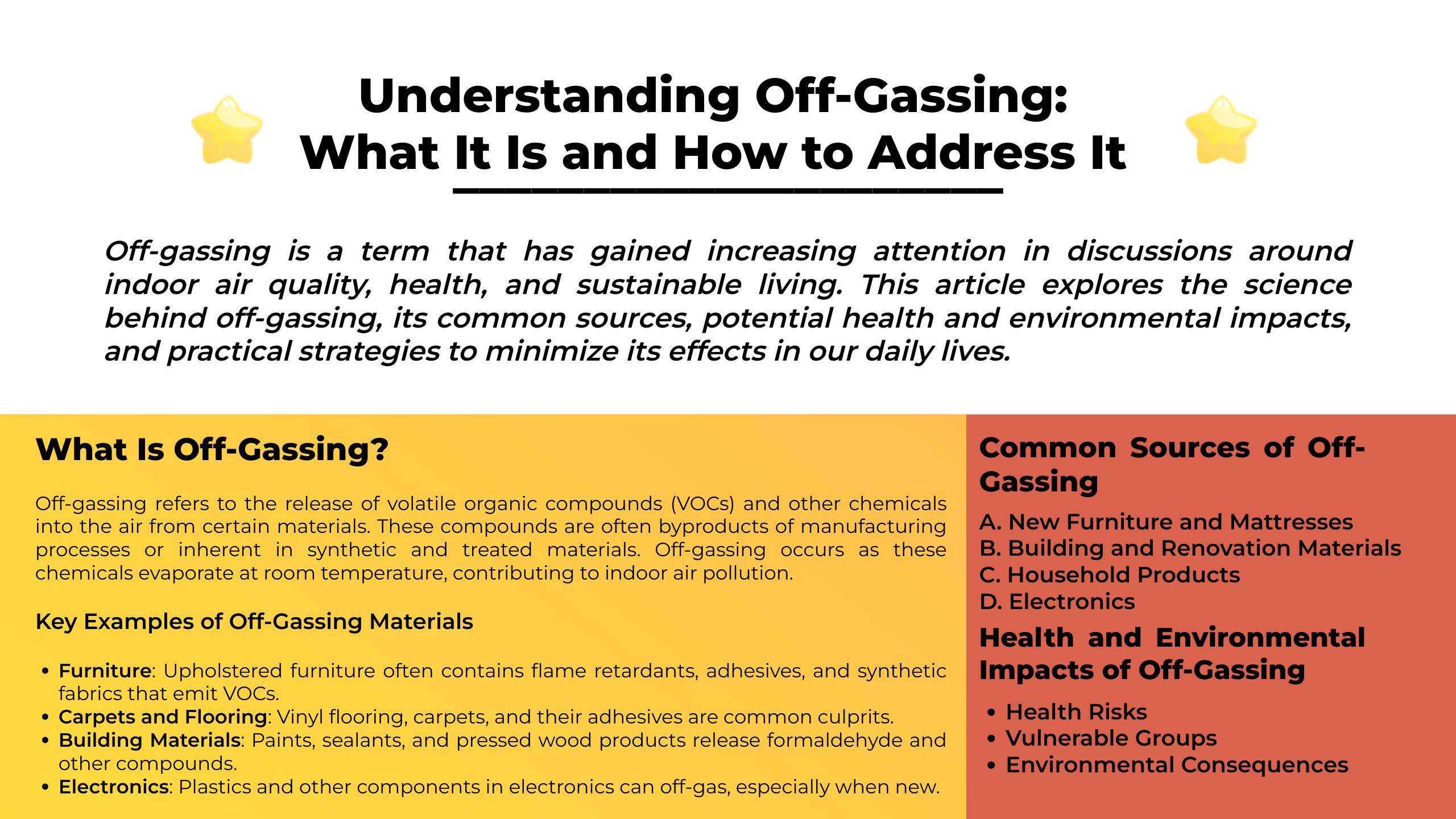


Off-gassing is a term that has gained increasing attention in discussions around indoor air quality, health, and sustainable living. This article explores the science behind off-gassing, its common sources, potential health and environmental impacts, and practical strategies to minimize its effects in our daily lives.
What Is Off-Gassing?
Off-gassing refers to the release of volatile organic compounds (VOCs) and other chemicals into the air from certain materials. These compounds are often byproducts of manufacturing processes or inherent in synthetic and treated materials. Off-gassing occurs as these chemicals evaporate at room temperature, contributing to indoor air pollution.
Key Examples of Off-Gassing Materials
- Furniture: Upholstered furniture often contains flame retardants, adhesives, and synthetic fabrics that emit VOCs.
- Carpets and Flooring: Vinyl flooring, carpets, and their adhesives are common culprits.
- Building Materials: Paints, sealants, and pressed wood products release formaldehyde and other compounds.
- Electronics: Plastics and other components in electronics can off-gas, especially when new.
The Science Behind Off-Gassing
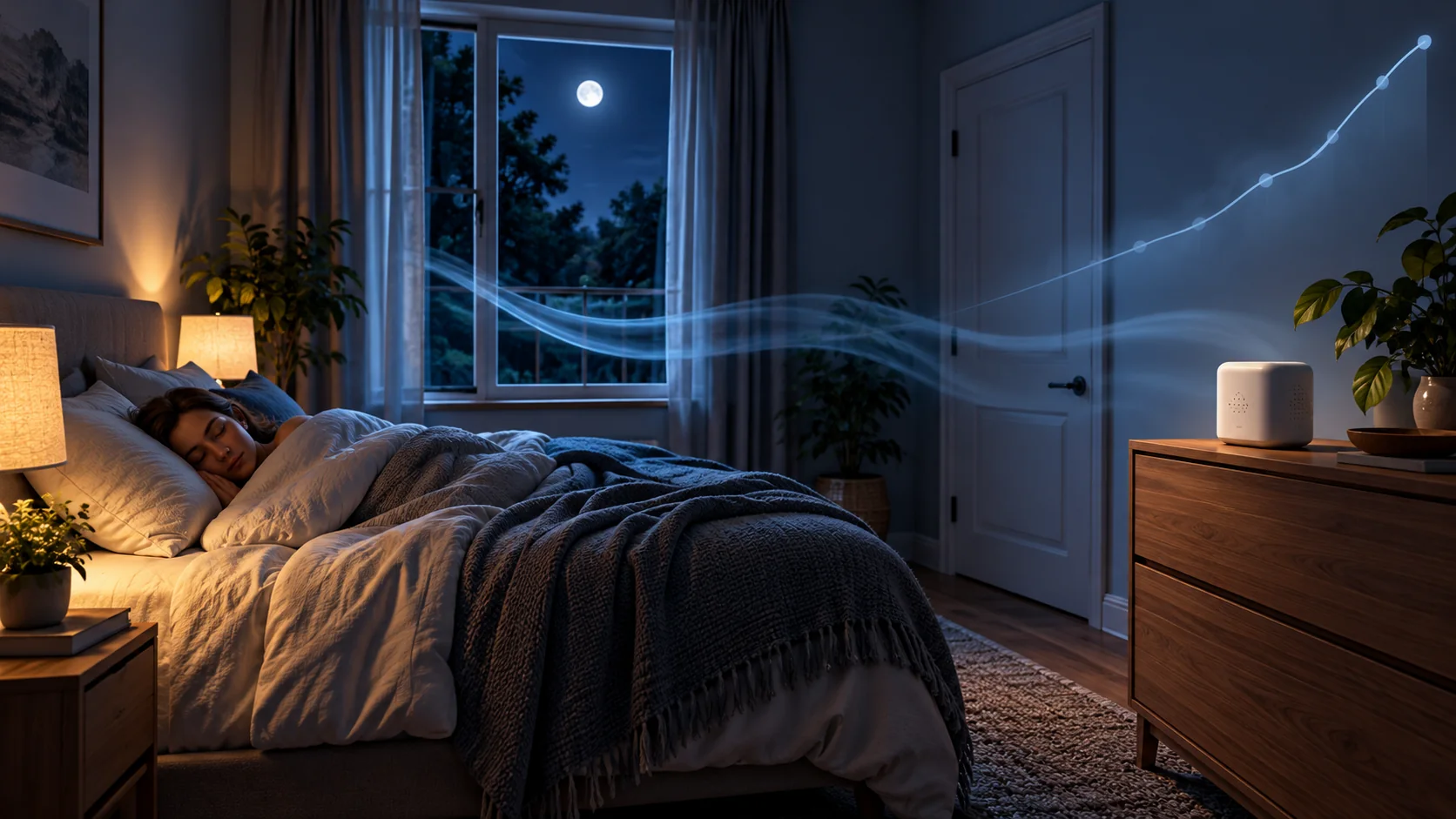
Off-gassing is influenced by factors like temperature, humidity, and ventilation. Higher temperatures and poor ventilation accelerate the release of VOCs, making it more noticeable.
The Interplay Between Temperature and Humidity: A Comprehensive Analysis
Health and Environmental Impacts of Off-Gassing
Health Risks
The health effects of exposure to off-gassed chemicals vary depending on the type and concentration of VOCs. Common symptoms include:
- Short-term exposure: Headaches, dizziness, nausea, and eye or throat irritation.
- Long-term exposure: Chronic respiratory issues, liver or kidney damage, and, in extreme cases, cancer (e.g., due to formaldehyde exposure).
Vulnerable Groups
Children, pregnant women, and individuals with pre-existing conditions like asthma are particularly sensitive to off-gassed chemicals.
Environmental Consequences
- Indoor Air Pollution: VOCs contribute to poor air quality in enclosed spaces.
- Ozone Formation: Some VOCs contribute to smog and ground-level ozone when released into the atmosphere.
Common Sources of Off-Gassing
Off-gassing is prevalent in many everyday products and environments. Below are some notable sources:
A. New Furniture and Mattresses
Memory foam mattresses, couches, and chairs often contain polyurethane foam and are treated with flame retardants. These materials can release gases for weeks or even months after purchase.
B. Building and Renovation Materials
Freshly painted walls, new flooring, and pressed wood products are common sources of off-gassing in newly constructed or renovated homes.
C. Household Products
Cleaning agents, air fresheners, and scented candles also release VOCs into the air, though their effects are often overlooked.
D. Electronics
Devices such as televisions, computers, and phones emit small amounts of chemicals from plastic casings and electronic components.
How to Identify and Minimize Off-Gassing
A. Recognizing Off-Gassing
- Odor: A “chemical” or “new” smell often indicates off-gassing.
- Symptoms: If you experience irritation, headaches, or dizziness in a specific environment, off-gassing might be the cause.
B. Steps to Reduce Off-Gassing
1. Choose Low-VOC Products
- Look for certifications like GREENGUARD or labels indicating “low VOCs” when purchasing paints, furniture, or flooring.
- Opt for natural materials like untreated wood or organic fabrics.
2. Ventilate Properly
- Open windows and use fans to improve air circulation, especially when introducing new items into your space.
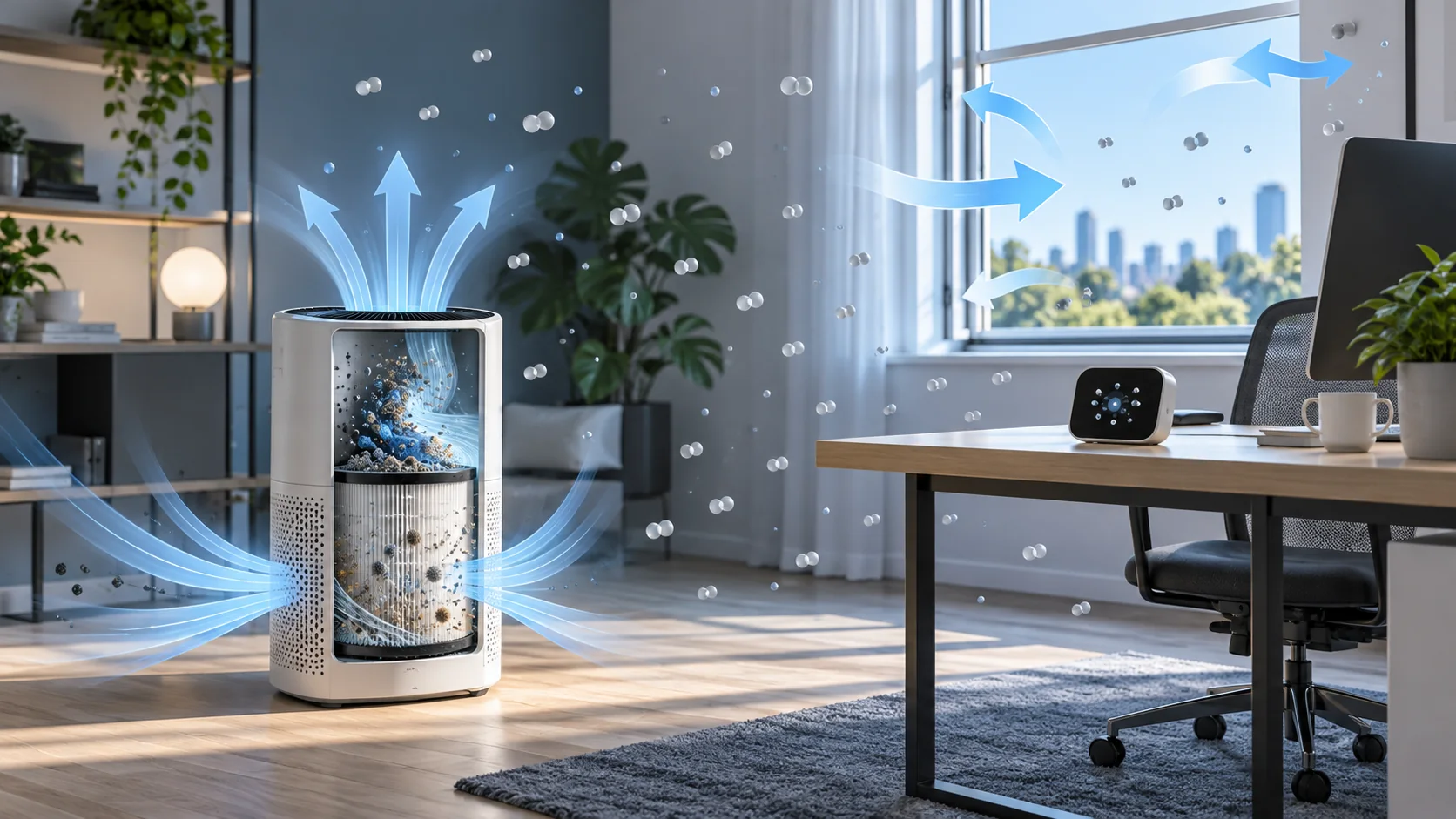
- Use air purifiers with activated carbon filters to capture airborne VOCs.
3. Off-Gas Before Use
- Allow new products to “air out” in a garage, porch, or well-ventilated space before bringing them indoors.
4. Maintain Indoor Humidity and Temperature
- Keep your indoor environment cool and dry to slow the release of VOCs.
5. Avoid Problematic Products
- Reduce the use of synthetic fragrances, aerosol sprays, and other heavily scented items.
The Role of Regulations and Innovations
Governments and industries are increasingly recognizing the need to regulate harmful emissions and develop safer alternatives.
A. Regulatory Efforts
- The U.S. Environmental Protection Agency (EPA) enforces standards for indoor air quality and VOC limits in products.
- The European Union’s REACH regulation ensures manufacturers disclose hazardous substances in their products.
B. Technological Innovations
- Advancements in material science have led to the development of low-VOC paints, adhesives, and textiles.
- Companies are exploring bio-based alternatives to traditional synthetic materials, further reducing off-gassing risks.
Long-Term Implications and Sustainable Living
Minimizing off-gassing is not just about individual health; it’s about fostering a more sustainable future. By making informed choices, consumers can drive demand for safer, eco-friendly products. This shift will encourage manufacturers to prioritize sustainability and transparency.
Key Takeaways
- Awareness of off-gassing helps mitigate its risks and improve indoor air quality.
- Choosing sustainable products not only benefits personal health but also reduces the environmental impact.
- As consumers, we have the power to influence industry standards by supporting greener alternatives.
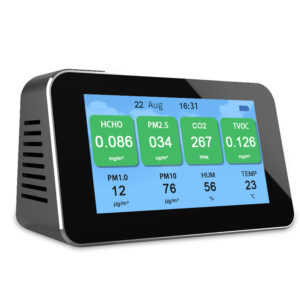
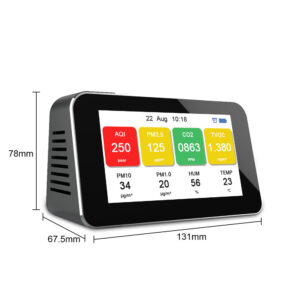
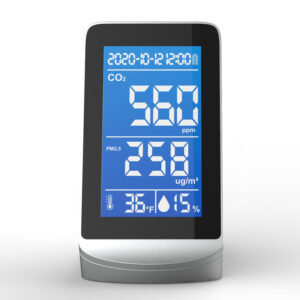
Indoor Air Quality Meters Recommend
FAQ
What Causes Off-Gassing?
Off-gassing occurs due to the release of chemicals that were either used during manufacturing or are naturally present in the material. These chemicals include:
- Volatile Organic Compounds (VOCs): Chemicals that evaporate at room temperature, such as formaldehyde, benzene, and acetaldehyde.
- Adhesives and Sealants: Many building materials like flooring, tiles, and furniture rely on adhesives, which release VOCs over time.
- Synthetic Materials: Plastics, foams, and other synthetic materials slowly release gases as their chemical structures degrade.
Factors that exacerbate off-gassing include heat, humidity, poor ventilation, and aging materials.
How to Protect Yourself From Off-Gassing
Protecting yourself from the effects of off-gassing involves a combination of proactive choices and effective mitigation strategies:
- Ventilation: Increase airflow by opening windows and using fans or HVAC systems equipped with proper filters.
- Air Purifiers: Use purifiers with activated carbon filters to trap VOCs and other airborne pollutants.
- Choose Low-VOC Products: Opt for materials and items labeled “low-VOC,” “non-toxic,” or certified by third parties such as GREENGUARD or Blue Angel.
- Natural Alternatives: Choose products made of untreated wood, organic fabrics, or natural fibers.
- Off-Gas Outdoors: Allow new items to air out in a garage, porch, or outdoor space for a few days before bringing them inside.
- Regular Cleaning: Keep surfaces clean to prevent the accumulation of VOCs, especially on carpets and upholstery.
How Does Temperature Affect VOC Off-Gassing?
Temperature plays a significant role in the rate of off-gassing. Higher temperatures increase the volatility of organic compounds, causing them to evaporate more rapidly. This is why off-gassing tends to be more noticeable during summer or in poorly ventilated areas where heat builds up. Conversely, cooler environments slow down the release of VOCs.
Key Tips:
- Maintain consistent, moderate indoor temperatures.
- Avoid placing new products near heat sources, such as radiators or sunny windows, to minimize initial VOC release.
Main Sources of Out-Gassing in Building Interiors
Building interiors are common hotspots for off-gassing due to the wide range of synthetic materials used in construction and furnishings. Key sources include:
- Flooring: Vinyl, laminate, and carpeting emit VOCs from adhesives, sealants, and synthetic fibers.
- Paint and Finishes: Wall paints, primers, and varnishes are significant contributors. Even “low-VOC” paints can off-gas for several weeks.
- Furniture: Upholstered furniture, especially those made with foam cushions or synthetic fabrics, release flame retardants and adhesives.
- Insulation Materials: Spray foam and fiberglass insulation often emit VOCs and other chemicals.
- Cabinetry and Pressed Wood: Plywood and MDF (medium-density fiberboard) are treated with adhesives that emit formaldehyde.
- Electronics: Devices such as televisions and computers release gases from their plastic casings and internal components.
How to Speed Up Off-Gassing
If you’re looking to reduce the initial impact of off-gassing from new products or materials, consider these techniques:
- Air Them Out Beforehand:
- Leave new items in a well-ventilated outdoor area, garage, or balcony for several days.
- Increase Ventilation:
- Use fans to improve airflow and expel contaminated air from enclosed spaces.
- Use Heat Strategically:
- Apply gentle heat to the product in a controlled environment (e.g., turning up the heat in a garage) to accelerate off-gassing. Ventilate the area thoroughly afterward.
- Activate Air Purifiers:
- Run air purifiers continuously in the room where the new product will be placed.
- Seal Off Specific Areas:
- Isolate new products in a specific room and ventilate it thoroughly before moving them into shared spaces.
- Absorb VOCs:
- Use activated charcoal, baking soda, or zeolite-based products to absorb and neutralize airborne VOCs.
How to Control Pollutant Accumulation Due to Out-Gassing
To limit the buildup of VOCs and other pollutants in your home or workplace:
- Implement Effective Ventilation Systems:
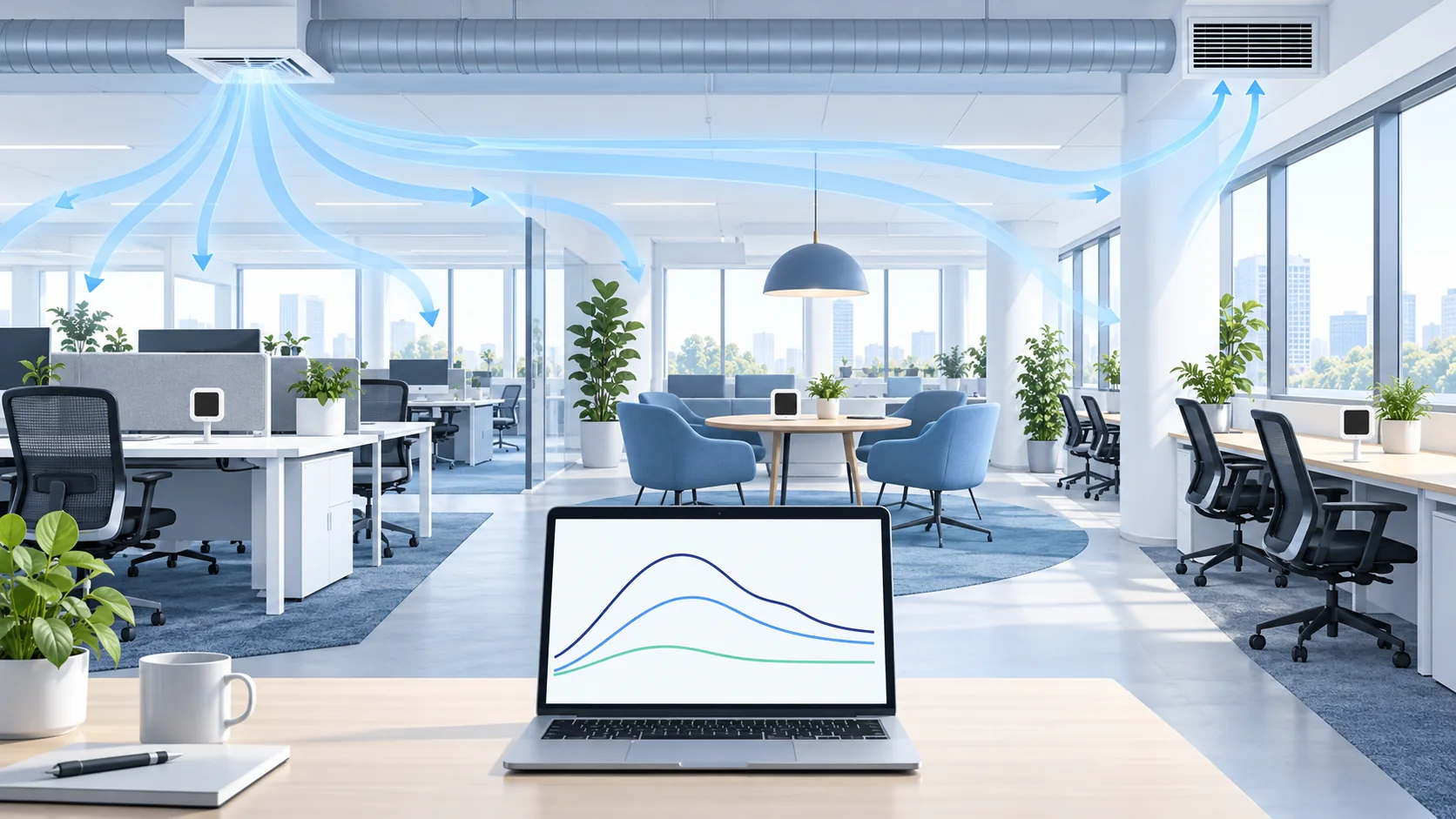
- Install ventilation systems that introduce fresh air and expel contaminated indoor air.
- Use mechanical systems like heat recovery ventilators (HRVs) or energy recovery ventilators (ERVs).
- Use High-Efficiency Filters:
- Replace HVAC filters regularly with HEPA or activated carbon filters to capture fine particles and VOCs.
- Monitor Indoor Air Quality:
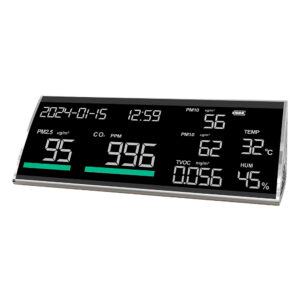
- Use air quality monitors to track VOC levels and identify hotspots.
- Address specific sources contributing to poor air quality.
- Space Out Furniture:
- Avoid overcrowding rooms, as tightly packed furniture can limit airflow and increase pollutant concentrations.
- Introduce Indoor Plants:
- Certain plants, like spider plants and peace lilies, can help absorb VOCs naturally (though they should not replace other mitigation methods).
Conclusion
Off-gassing is an often-overlooked phenomenon with significant implications for health, comfort, and the environment. While completely eliminating exposure is challenging, proactive measures like choosing low-VOC materials, ventilating spaces, and supporting sustainable practices can significantly reduce its impact. By understanding the science and adopting practical solutions, we can create healthier indoor environments and contribute to a more sustainable future.